Running Shoes
Hoka Mach 6 Review: A Simple, Lively Daily Trainer That Gets the Basics Right
The Hoka Mach 6 drops the dual-density setup for one slab of supercritical foam, keeps the weight low, and delivers a bouncy ride for everyday miles.
Introduction
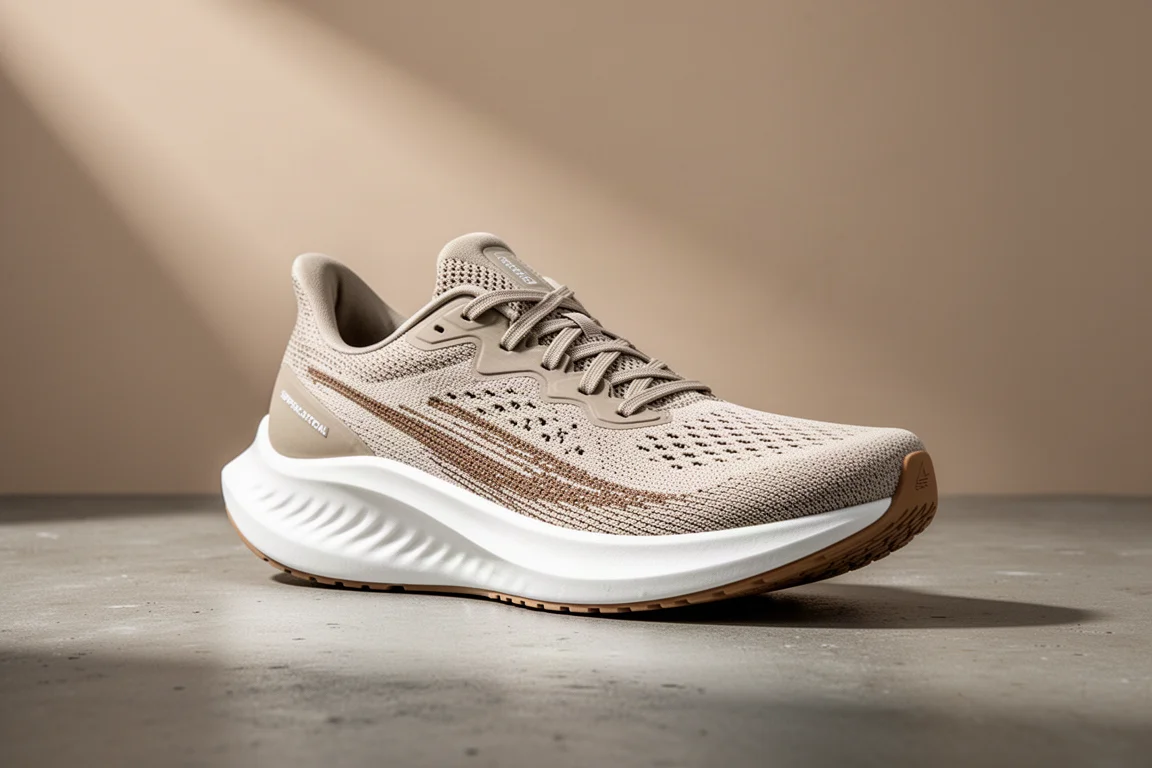
The Hoka Mach 6 takes a deliberately simple approach: one giant slab of supercritical foam in the midsole, a lightweight mesh upper, and nothing flashy in between. The previous version mixed EVA and supercritical foam and skipped rubber on the outsole, which some runners felt hurt durability. The Mach 6 reworks that formula, and after testing, the result feels like a clear step forward. It weighs very little, rides with a bouncy and energetic feel, and handles the full range of everyday running without demanding much from you.
It is also worth clearing up a common mix-up: this is the Mach 6, not the Mach X. The Mach X versions include a plate, while the Mach 6 does not. That simplicity is the core of what this shoe is.
Upper and Fit: Simple and Effective
The upper is a creel jacquard mesh, which in practice means a light, breathable material that does not try to do anything unusual. It pairs with a gusseted tongue, basic laces, and nice padding around the collar for a secure, comfortable wrap.
Sizing runs true to size. Testers with both a high arch and narrow foot and a wider foot reported that the shoe fit their feet well with no issues, which is a good sign for a wide range of foot shapes. There is also a slightly elevated, padded heel collar design that adds to the comfortable feel.
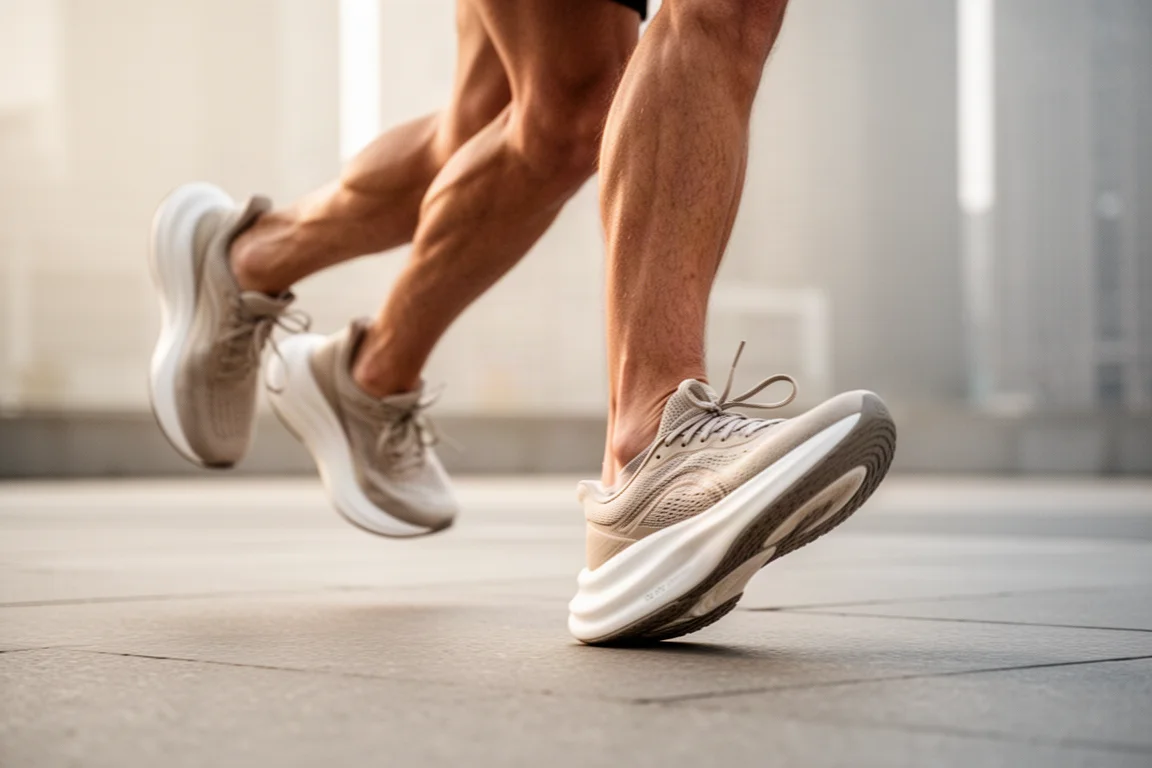
This is not an upper that will impress anyone on a spec sheet, but it works, and it sets the tone for the whole shoe: simple, and in this case, simple done well.
Ride Feel: Lively, Stable, Comfortable
The big change for the Mach 6 is the midsole. Where the previous model used a dual-density blend of EVA and supercritical foam, this version uses a single slab of supercritical foam throughout. The ride feels more lively and bouncier than before, with enough cushioning underfoot to stay protected over long miles.
The platform is fairly wide, which makes the shoe feel very stable. That stability reads a little differently depending on the runner: one perspective found it so planted that it did not beg to be picked up and pushed, while another found the light weight made it feel springy and easy to quicken the pace. Both agree on where it shines: as a daily trainer at cruising paces, it simply feels good underfoot.
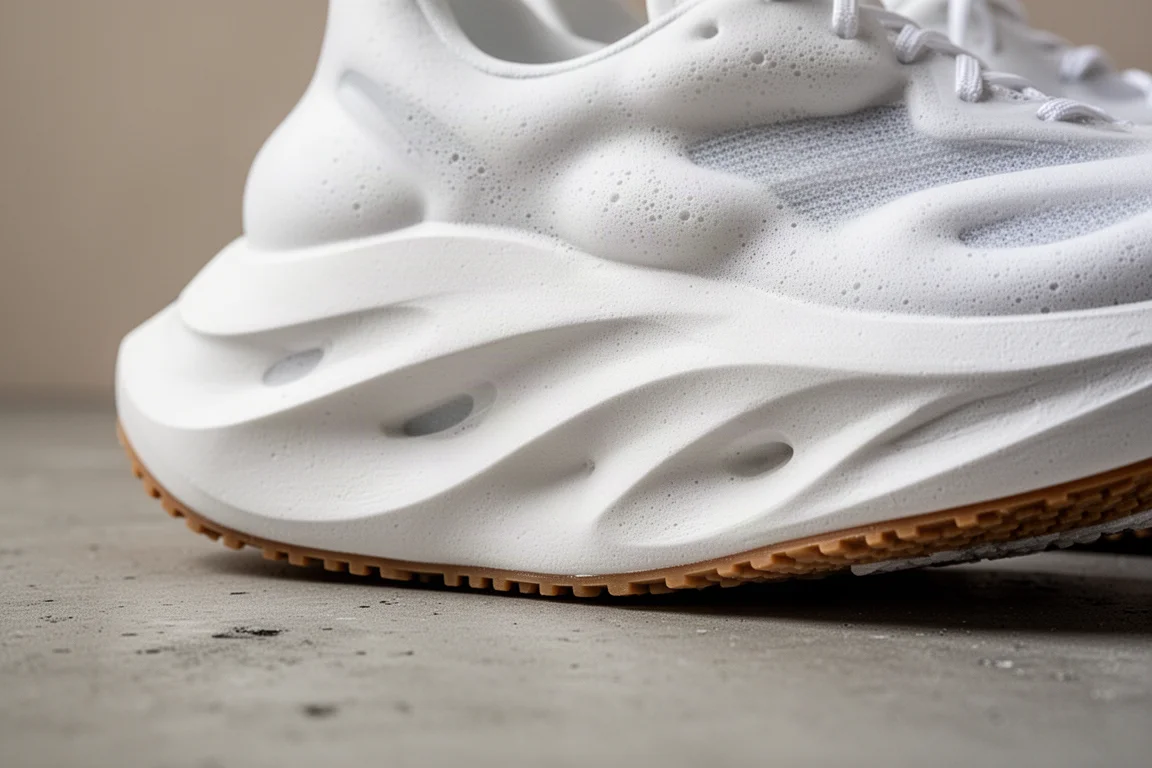
At the same time, it is versatile enough to cover more than easy runs. It can handle long runs, faster-paced days, and everyday training, making it a genuine one-shoe option for many runners. It is light on the foot too: a women’s US 7.5 came in at 6.8 oz (194 g), and a men’s US 10.5 at 8.6 oz (245 g), both very much on the light side for daily trainers.
Durability and Stack Height
Early durability looks promising. With over 30 miles logged, there was no visible wear on the rubber outsole, and the midsole foam retained its bouncy, light, energetic feel. Durability always depends on body style and how you strike the ground, but the early signs are encouraging.
The stack height is generous. The women’s version measures 35/30 mm and the men’s 37/32 mm, with a 5 mm drop, so there is plenty of cushioning underfoot for daily mileage.

How It Compares
The simple, lightweight, supercritical-foam daily trainer formula is spreading across brands, and the Mach 6 fits alongside shoes like the New Balance Rebel v4, the Novablast 4, and the Puma Velocity Nitro 3. All are lighter-weight daily trainers built on straightforward foam platforms that feel more energetic than a traditional EVA-based daily trainer.
Compared with something like the Pegasus, the Mach 6 offers more of that balanced, light feeling on the foot. If you are a runner who mixes 5Ks with gym work and everyday easy miles, this category of shoe tends to be more fun and more forgiving than a heavier traditional trainer.
Buying Advice
The Mach 6 is priced at $140, which sits at the low end of the current daily trainer market. Lower-priced daily trainers generally run between $120 and $140, premium daily trainers and super trainers sit around $160 to $180, and super shoes start near $200 to $250. For a shoe without much tech, that pricing feels fair.

If you want a plate, look elsewhere in the lineup: the Mach X adds one, and the upcoming Mach X 2 is expected to be a bigger departure with a higher stack. But if you want a light, protective, feel-good daily trainer that can genuinely cover easy days, long runs, and quicker sessions, the Mach 6 is an easy recommendation. Both testers rated it a green light.
Conclusion
The Hoka Mach 6 proves that a shoe does not need a plate or complicated tech to feel great. With a single slab of supercritical foam, low weight, a stable platform, and a simple breathable upper, it delivers a lively, comfortable ride that most everyday runners will enjoy. If your running life revolves around daily miles with room for the occasional long run or faster session, this one belongs on your shortlist.
Product link
View more details for Hoka Mach 6
This product is mentioned in the review. Check the specifications, options, and compatibility before buying.
View more details for Hoka Mach 6Further reading
Related Reviews
Running Shoes
Best Road-to-Trail Running Shoes: Three Versatile Options for Mixed Terrain
A practical guide to three road-to-trail running shoes that handle both pavement and mild trails, with clear strengths and trade-offs for different runner types.
Running Shoes
Best Running Shoes for Achilles Tendonitis: Three Options Explained
Three running shoes with different heel drops and support features designed to help reduce Achilles tendon pain during walking and running.
Running Shoes
Best Running Shoes for Women: Five Top Choices Ranked
A ranked guide to five women's running shoes, from versatile daily trainers to high-performance racing options, with real strengths and trade-offs for each.