Running Shoes
Hoka Running Shoe Lineup: Mach 6, Mach X 2, Arahi 7 and Rincon 4
Four updated Hoka trainers covering tempo runs, race-day kicks, stability and soft easy miles, with prices and key changes explained.
Introduction
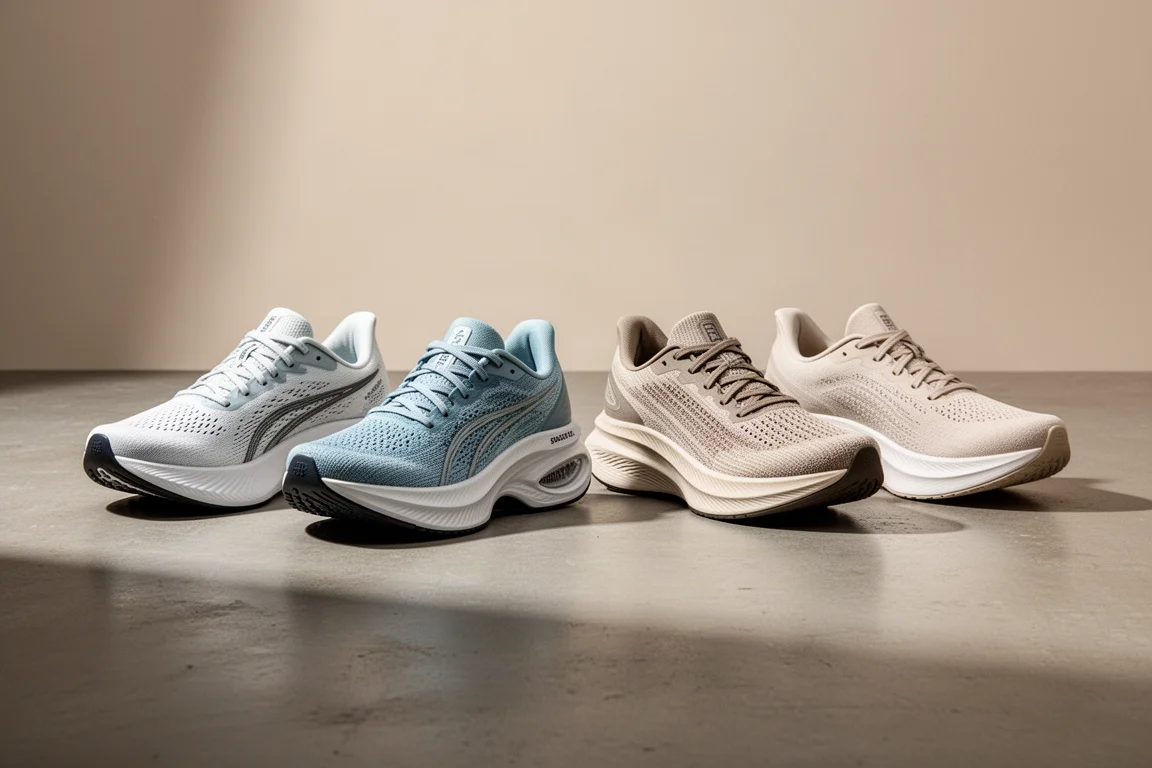
Hoka’s latest updates cover a surprisingly wide slice of the running shoe market: a faster daily trainer, a plated tempo and race-adjacent option, a sleeker stability shoe and a softer, more durable easy-day ride. Here is how each one stacks up.
Hoka Mach 6
The Mach has long been a favorite for runners chasing a faster ride from Hoka, and the Mach 6 adds real substance to that reputation. The full midsole is now super critically foamed EVA in a single stack, which brings more bounce, better resiliency and lower weight underfoot. Hoka has also added rubber to the outsole in place of the previous injection-molded detailing, improving traction when you are moving quickly.
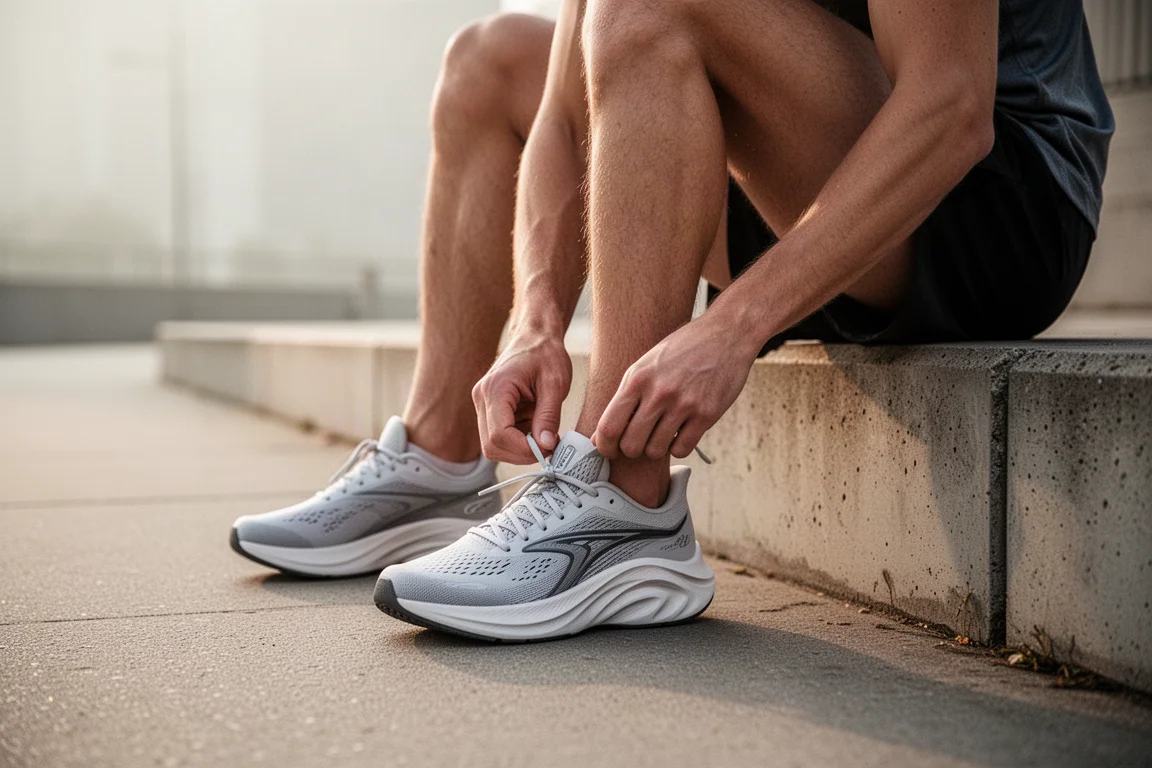
The foam choice is deliberate: super critical foaming can be applied to anything from EVA to more exotic plastics, but for the Mach the brand kept it simple with a tried-and-true EVA base, letting the process enhance cushioning and resiliency while cutting weight. Compared with the Bondi or Clifton comfort style, this is a more propulsive, tempo-run-style shoe, retailing at $140 with a 5 mm drop.
Hoka Mach X 2
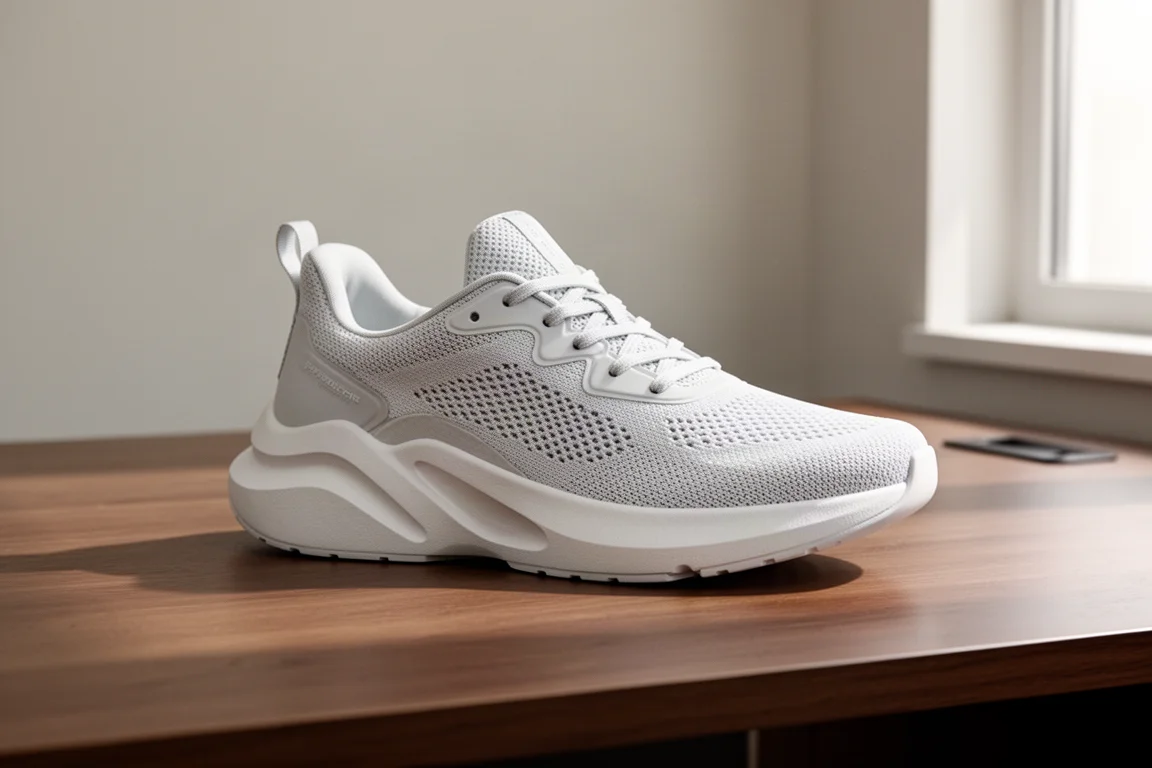
Where the Mach 6 is a simple, fast, plate-free ride, the Mach X 2 is the version with the extra hot sauce. It uses super critically foamed PEBA in the top midsole, with significantly more PEBA packed into the forefoot than the first Mach X, aimed at faster, more forefoot-centric strides. The stack height has also increased, finally moving over 40 mm in the heel.
The plate is a biobased PEBAX design rather than carbon, chosen because this shoe does not need maximum stiffness. The plate geometry has been updated with a lateral wrap, or wing, that helps keep you held over the platform at speed, adding stability and torsional control where the foam deforms most. The upper is lighter and more breathable than its predecessor with race-inspired cues.
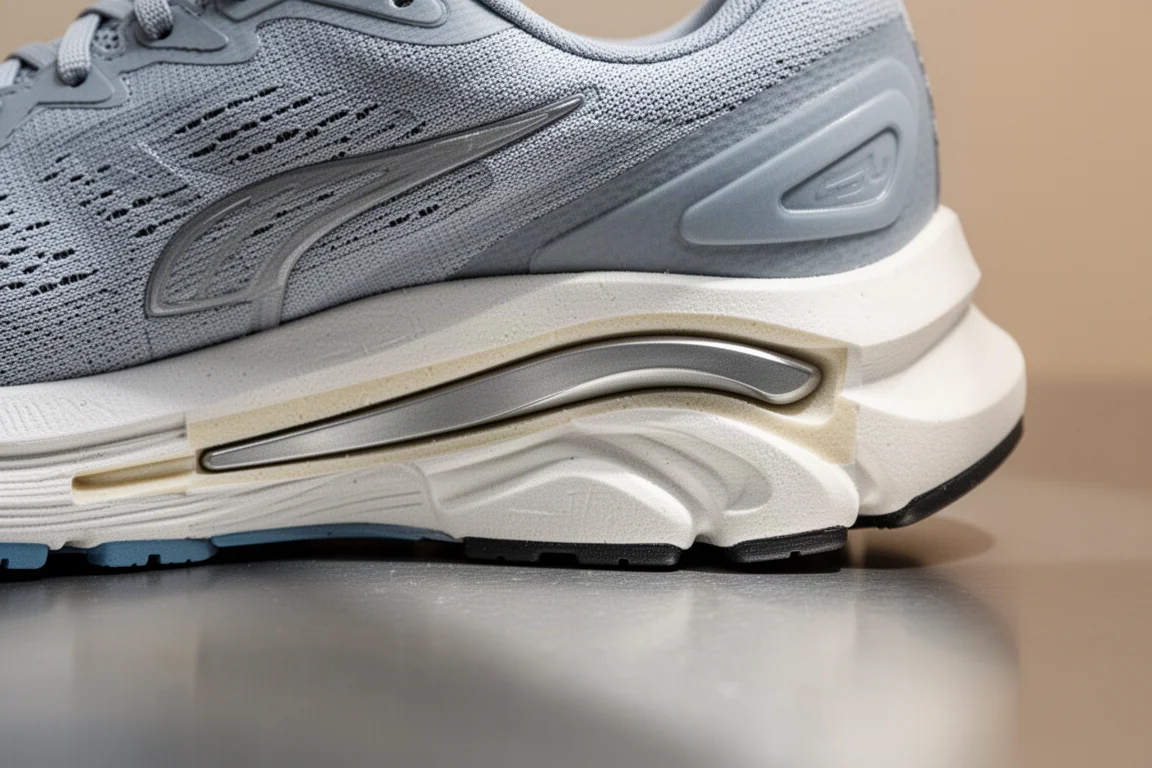
At $190 with a 5 mm drop, and built on the same last as the Mach 6 for a similar fit, the Mach X 2 sits between race and daily training. It is a trainer for people who maybe do not run easy pace as often as they should, and a good option for someone racing in a plate for the first time, though Hoka still positions the Rocket X 2 as its dedicated race day shoe.
Hoka Arahi 7
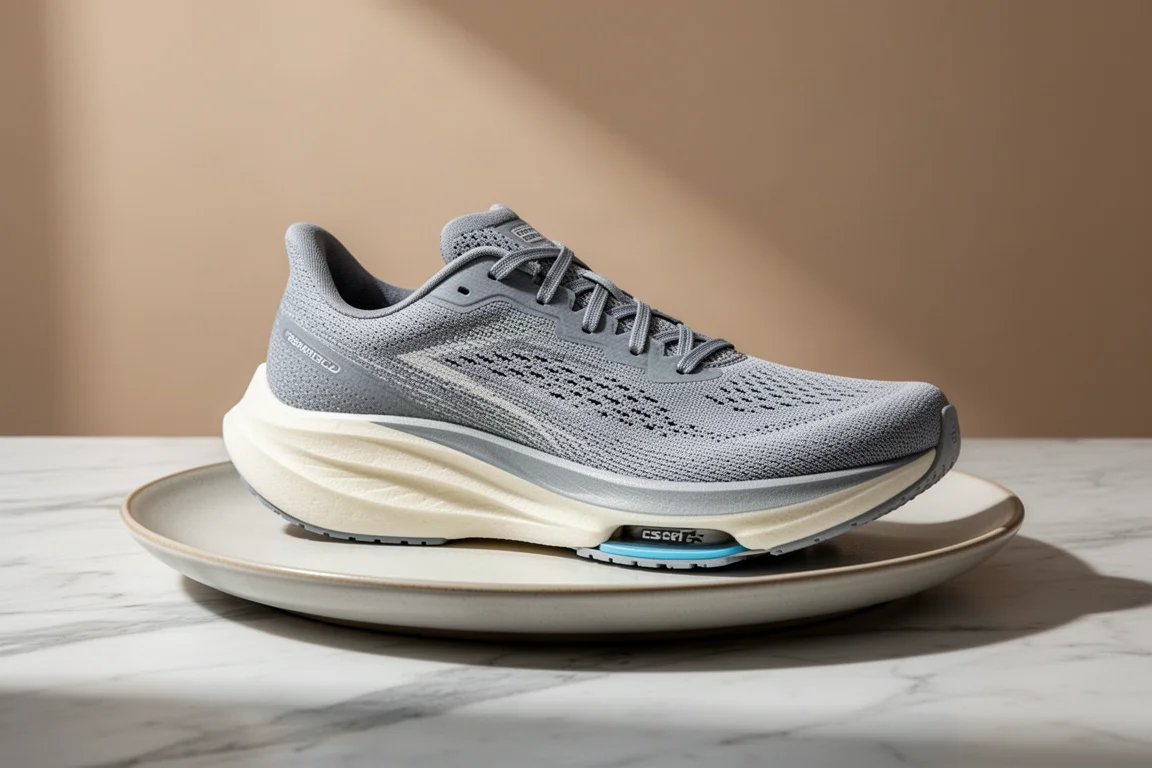
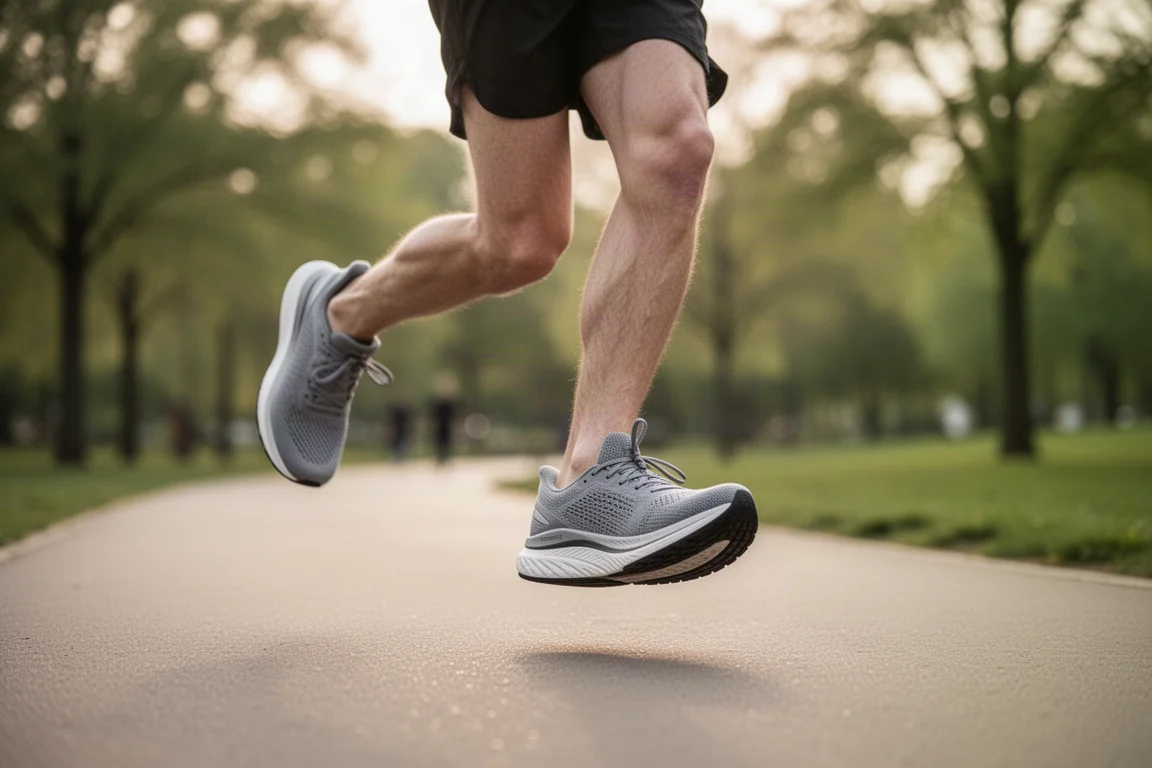
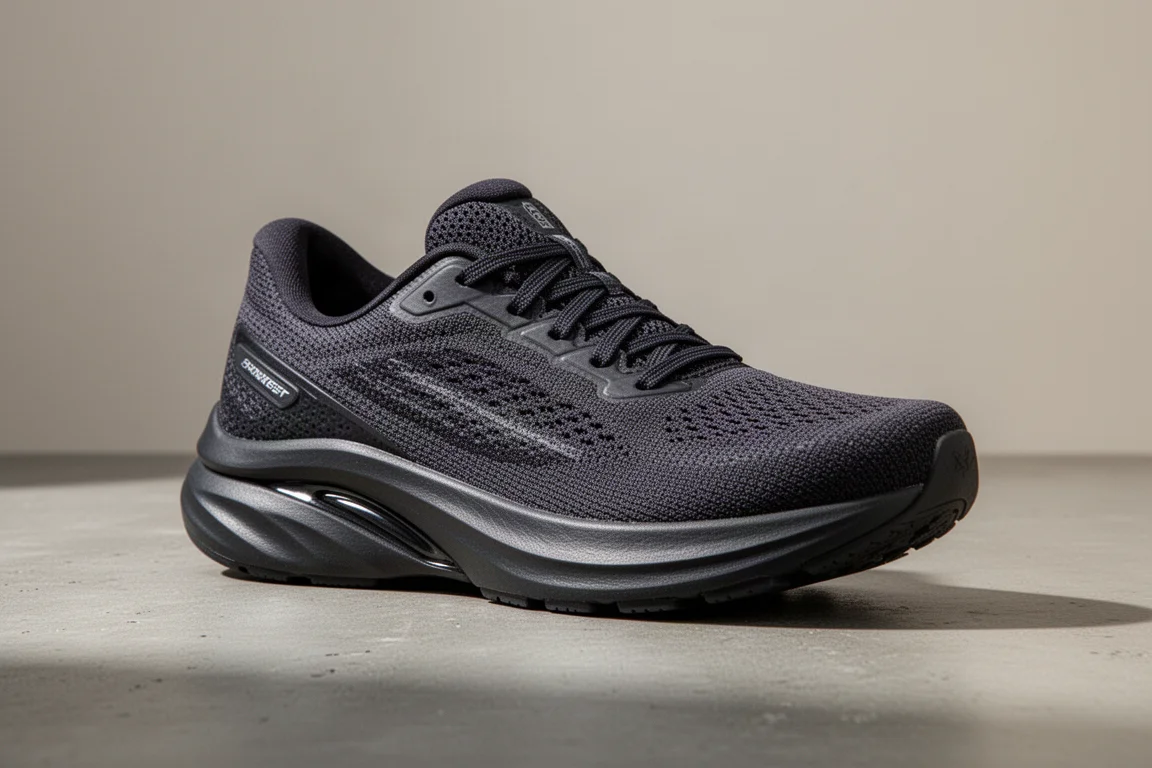
Stability shoes have traditionally looked a bit older and greyer than they should, and the Arahi 7 sets out to fix that. The changes here are confined to the upper, which moves to a flat knit execution with intuitive zones for stability and structure, plus built-in breathability. The tongue is softer for plushness, and an internal midfoot lockdown detail improves security.
Underfoot, the familiar dual-density setup remains: two foams, with a firmer layer creating the J-frame style stability that wraps from the heel up into the forefoot. Anyone who enjoyed previous Arahi versions will find the tried-and-true underfoot experience unchanged.
Hoka Rincon 4
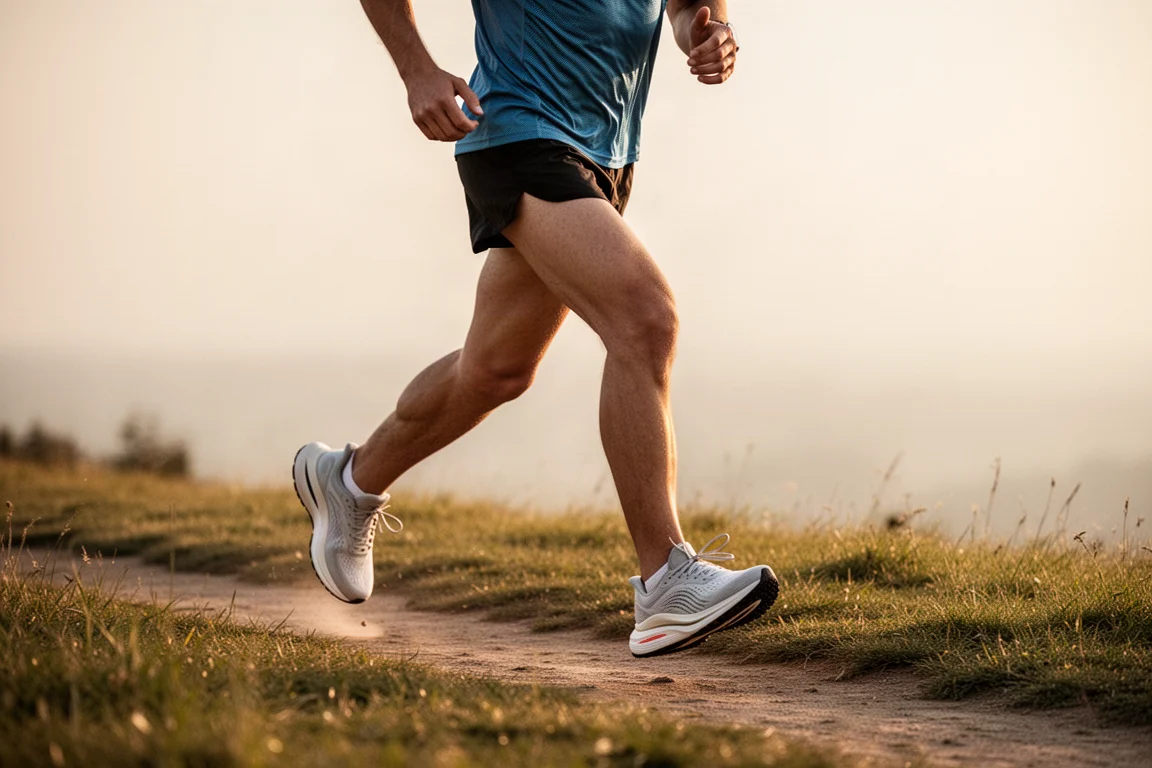
The Rincon has always been loved for being light and soft, but durability was a common complaint. The Rincon 4 is a top-to-bottom rebuild addressing exactly that. Instead of a single foam stack with small rubber pods, it now uses a two-foam setup: a resilient, lightweight EVA construction on top, similar to the Clifton, and an injection-molded foam on the bottom with a higher rubber component for durability without the weight of a traditional rubber outsole.
The result keeps the lightweight, soft, pure-Hoka ride while adding longevity, so the cushioning holds up for the long haul. It sits at $125, keeping its previous price point, and works as something of an entry-level Hoka with that signature feel. Compared with the Mach, the Rincon is the shoe for when you just want to go easier, sitting into the softness rather than pushing the pace.
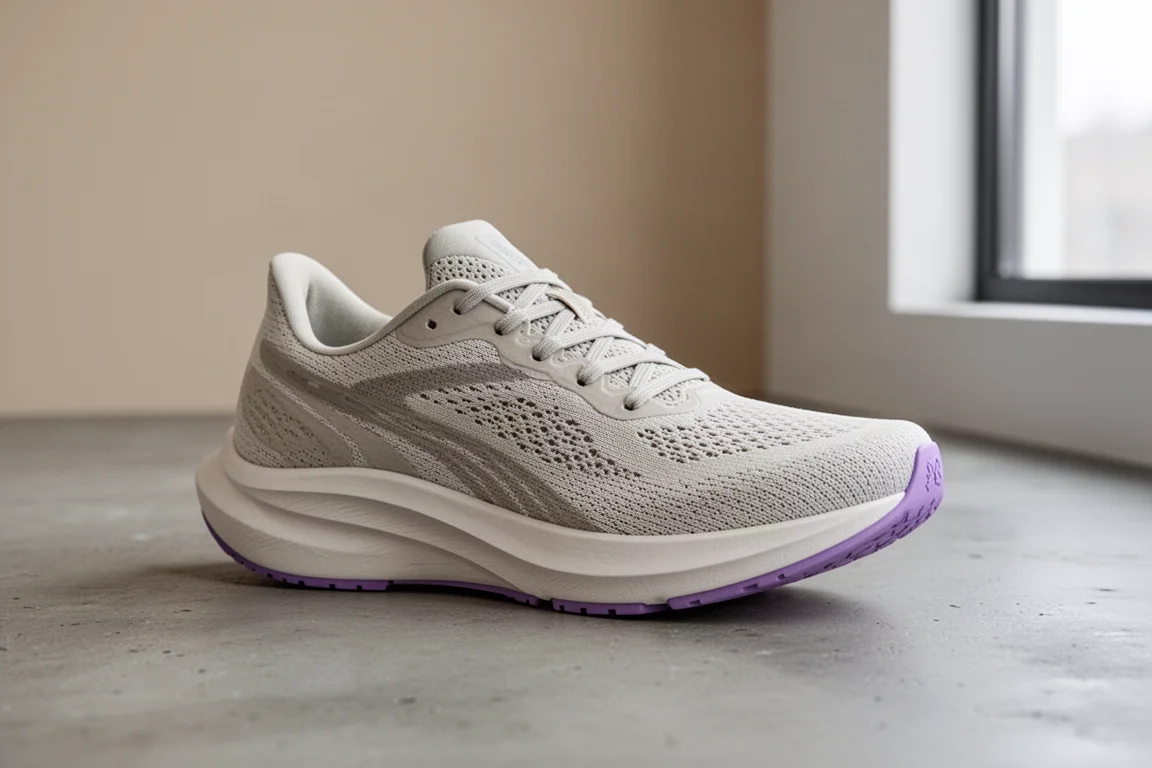
How They Compare
For uptempo training, the Mach 6 is the straightforward fast daily option, while the Mach X 2 adds PEBA foam and a winged PEBAX plate for extra kick. The Rincon 4 is the soft, light recovery and easy-miles pick, and the Arahi 7 covers stability runners who still want a modern-looking, comfortable shoe. Fans of the Bondi and Clifton will have to wait a little longer for news on those lines.
Conclusion
This lineup gives most runners a clear path: Mach 6 for faster daily miles, Mach X 2 for tempo and light racing duties, Arahi 7 for stability, and Rincon 4 for soft, easy running at an accessible price. Matching the shoe to the run you actually do most often is the best way to choose between them.
Further reading
Related Reviews

Running Shoes
Best Road-to-Trail Running Shoes: Three Versatile Options for Mixed Terrain
A practical guide to three road-to-trail running shoes that handle both pavement and mild trails, with clear strengths and trade-offs for different runner types.

Running Shoes
Best Running Shoes for Achilles Tendonitis: Three Options Explained
Three running shoes with different heel drops and support features designed to help reduce Achilles tendon pain during walking and running.

Running Shoes
Best Running Shoes for Women: Five Top Choices Ranked
A ranked guide to five women's running shoes, from versatile daily trainers to high-performance racing options, with real strengths and trade-offs for each.