Running Shoes
Hoka Mach 5 vs Saucony Ride 15: Two Versatile Daily Trainers Compared
Two of the most popular non-plated daily training shoes go head to head. Here is where each one excels and which suits your running better.
Introduction
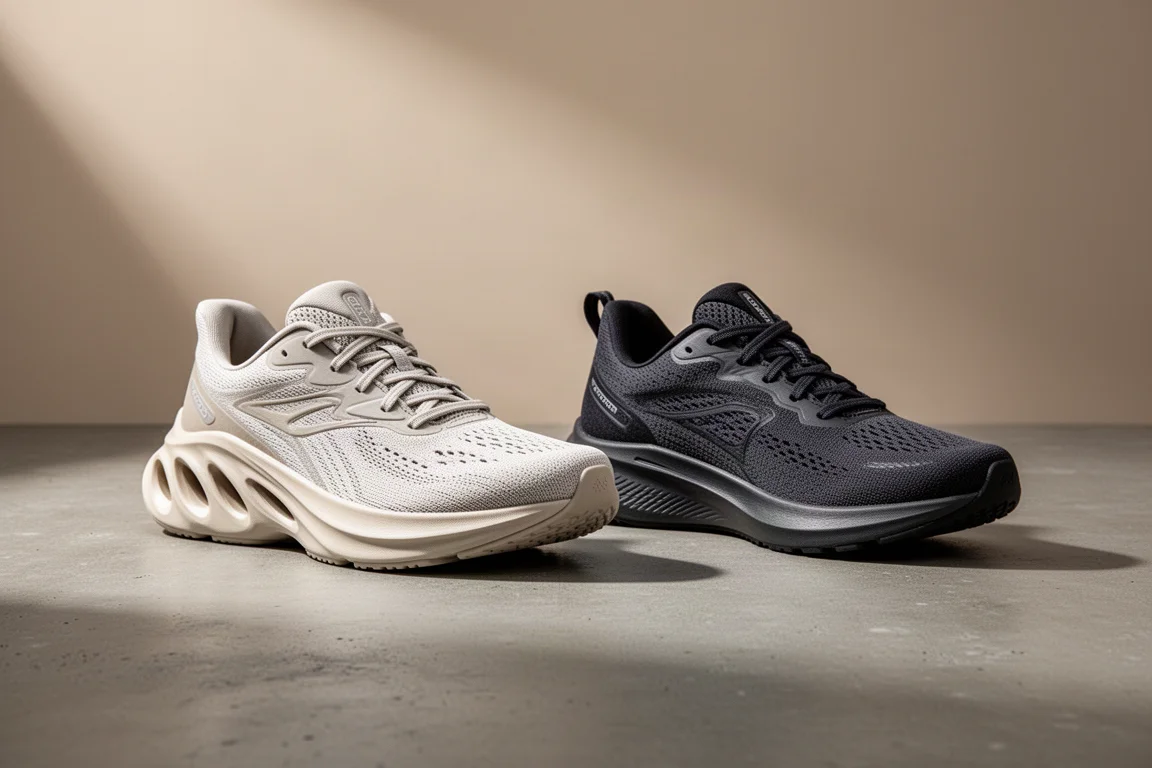
If you are shopping for a daily training shoe that can handle everything from easy miles to faster sessions, the Hoka Mach 5 and the Saucony Ride 15 are two of the options most likely to come up. Both are versatile, both are true to size, and both can cover everything from a 5K to a half marathon and beyond.
The catch is that they lean in different directions. The Mach 5 skews towards faster running, while the Ride 15 leans towards cushioning and comfort. Pick the wrong one for your running style and you may end up with a shoe that only half suits your training. Here is how they differ and which type of runner each one is built for.
Specs at a Glance
Both shoes are priced the same at £130 or $140, so this is a genuine head-to-head rather than a budget decision.
The Hoka Mach 5 weighs 212 g (7.5 oz) for men in a size eight with a 5 mm drop. The Saucony Ride 15 is noticeably heavier at 249 g (8.8 oz) in the same size, with an 8 mm drop.
Hoka Mach 5: The Fast-Skewed Daily Trainer
The Mach 5 is the successor to the hugely popular Mach 4 and its firmer sibling, the Mach Supersonic. It gets an updated ProFly Plus midsole that delivers a slightly softer ride for daily training, a leaner upper to keep weight down, a redesigned lay-flat tongue, and longer laces than the Supersonic.
The defining feature is a dual-density midsole that pairs a softer layer with a firmer rubberised outer layer. That combination gives the shoe a little more oomph behind it, both in performance and in ride feel.
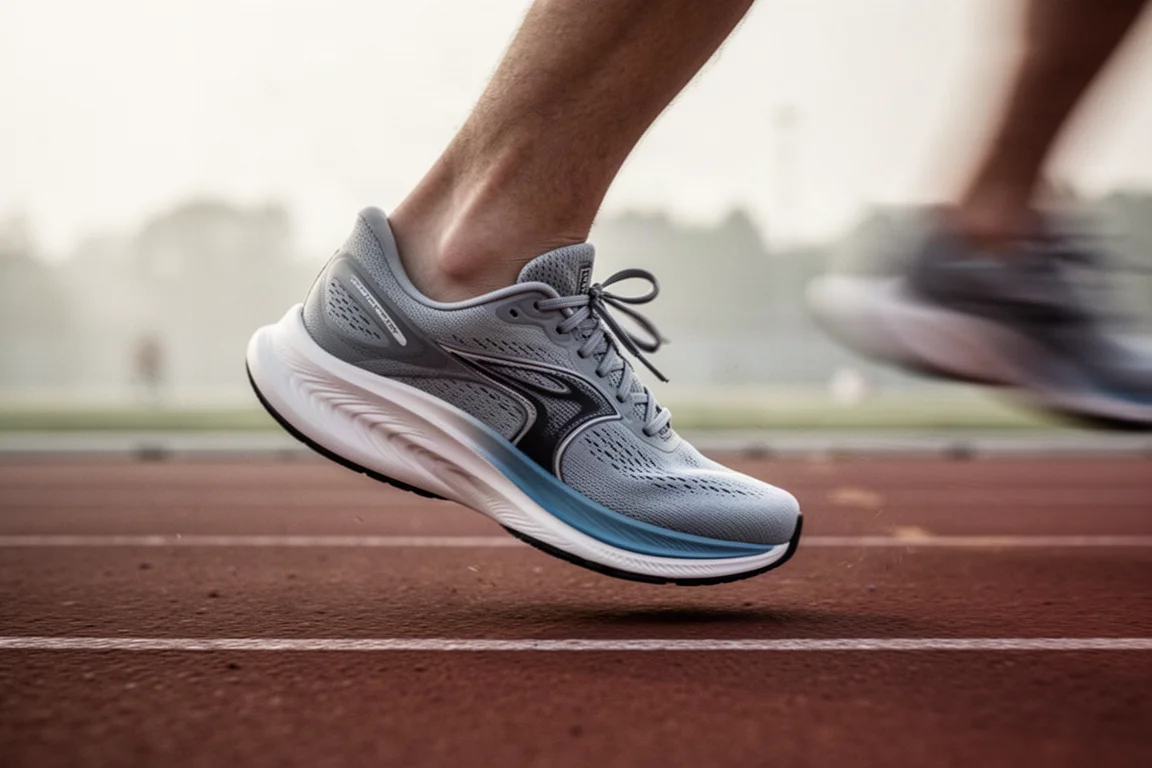
In practice, the Mach 5 feels lightweight, nimble and quick. It handles tempo runs, intervals and even racing extremely well, while still offering enough cushioning for slower or longer runs. During marathon training blocks built around kilometer-on, kilometer-off intervals, it picks up the pace convincingly and still feels comfortable when you slow down. The midsole is surprisingly soft on landing, and the turnover is pleasant.
The main caveat is its bias. This is not a heavily cushioned shoe, and if most of your running consists of slow, comfortable, long miles where you just want impact deadened, the Mach 5 is probably not the right choice. For runners sitting in the middle who want a shoe that does both, it is a very strong pick.
Saucony Ride 15: The Cushioned Workhorse
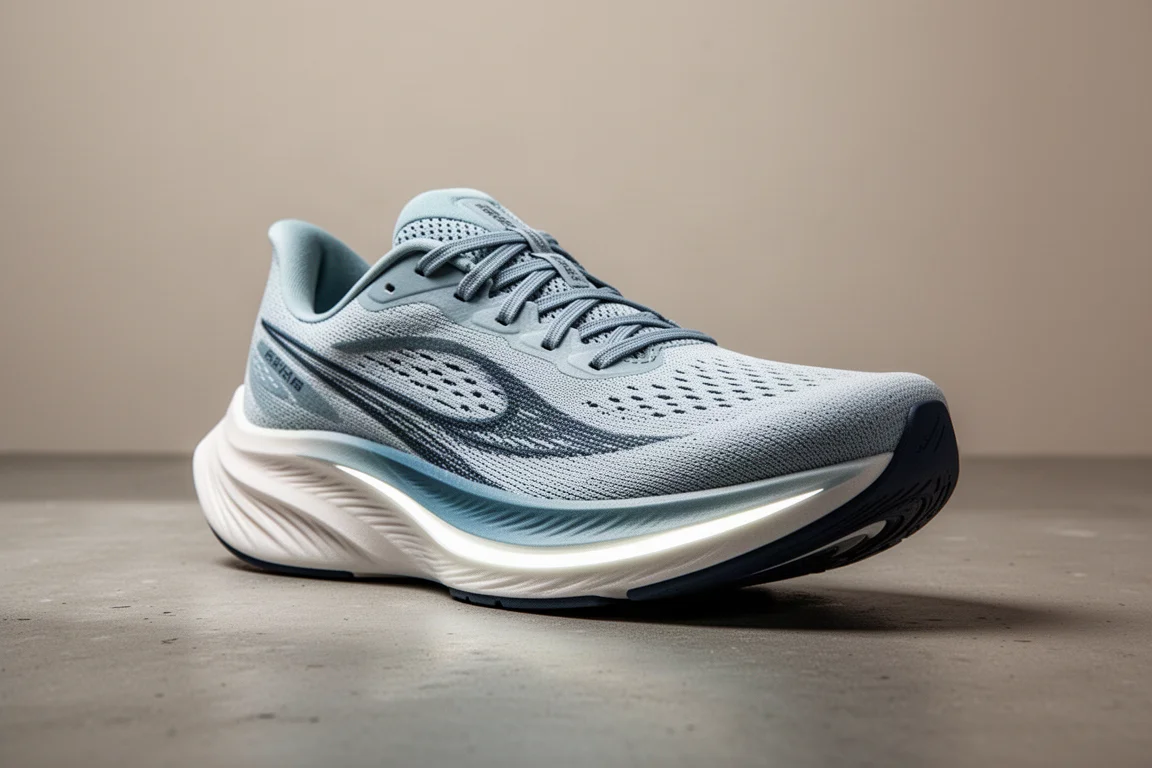
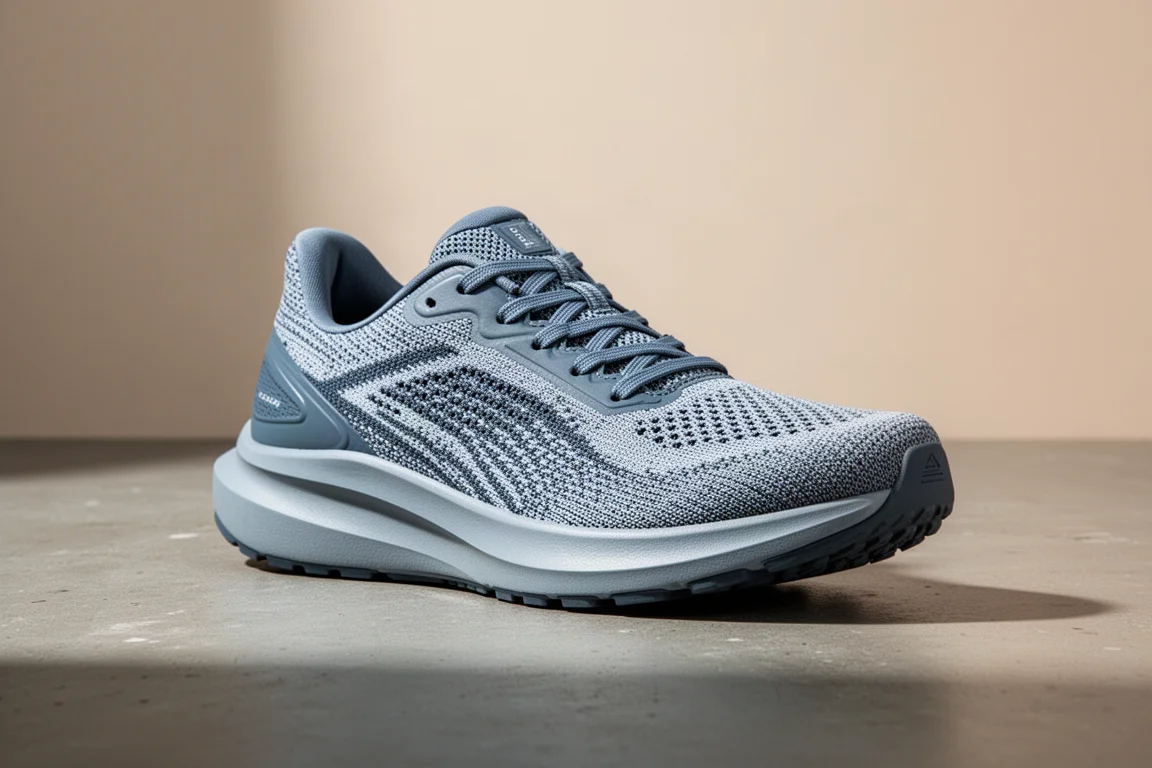
The Ride line has been around a long time, and the Ride 15 is one of the biggest updates it has received. Changes include a lighter PWRRUN midsole foam, a more cushioned PWRRUN Plus sockliner, and a noticeable drop in weight compared with previous versions. The upper uses a thin breathable mesh, with good padding around the ankle collar and tongue, and a sprinkling of rubber on the outsole for durability.

Where the Mach 5 leans fast, the Ride 15 leans towards the slower, comfortable side of running. The PWRRUN foam is not the softest on the market, sitting a bit firmer than many daily trainers, but it is softer than previous Ride versions and feels nicer over easy runs. It can still handle faster efforts: it has been used for everything from short interval sessions to half marathon training runs and does a good job across the board.
The trade-off is that it does not excel at top-end speed. For fast intervals, the Mach 5 feels lighter and nimbler. The Ride 15 can do those sessions, but it veers more towards cushioning than race-pace work. If roughly 90 to 95 percent of your running is slower and you only occasionally want to pick up the pace, the Ride 15 fits that profile very well.
Fit and Sizing
Both shoes fit true to size, so there is no need to size up or down in either. Both offer a comfortable, secure lockdown.
One point to note with the Mach 5: as with most Hoka models, it runs a little narrower than many shoes. If you have wide feet, that could make it feel too tight, so factor that in before buying.
Outsole, Grip and Durability
This is one of the clearest differences between the two. The Mach 5 has a minimal outsole with very little rubber. It uses a rubber-infused foam rather than an explicit rubber outsole, and both its grip and durability have been questioned by plenty of runners. The outsole can feel a little slippy, and long-term wear is a fair concern even if heavy durability problems have not appeared in testing so far.
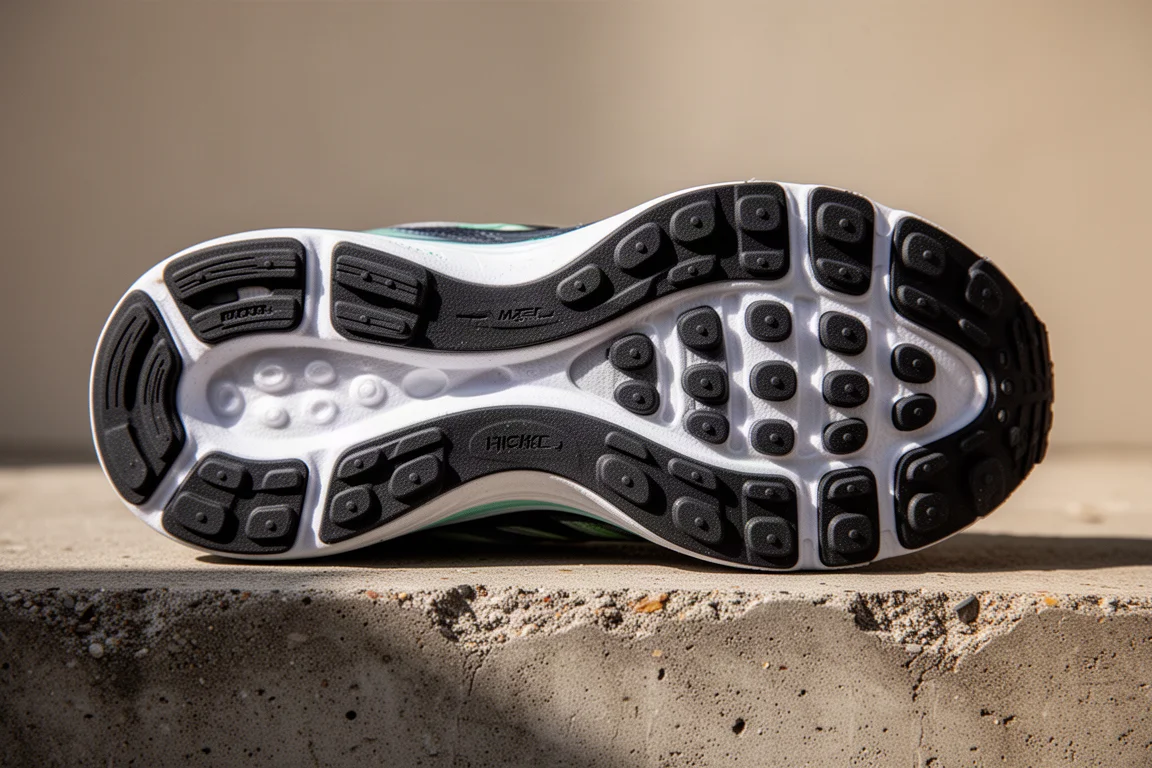
The Ride 15 is not loaded with rubber either, but it does have actual outsole rubber coverage, which the Mach 5 lacks. For durability and grip, especially on tricky, wet or slippery surfaces, the Ride 15 is the safer bet.
Which Should You Buy?
If you want a shoe you can genuinely run fast in, the Mach 5 is the pick. It is arguably the best non-plated option for fast training, and it will still cover slower runs even if that is not its strength. It is also flexible enough to pack down nicely for travel, making it a good single shoe for a training trip.
If your week is mostly easy, comfortable running with only occasional faster efforts, the Ride 15 makes more sense. It is a bit more cushioned, probably a little more stable, and overall more of a workhorse for daily miles.
It is also worth noting that if you are open to a plated shoe, the Saucony Endorphin Speed 3 sits above both of these as an all-round versatile daily option, with more cushioning than the Mach 5 and a design well suited to speed. But if you want to stay non-plated, these two are the candidates, and the Mach 5 comes out ahead overall.
Conclusion
Both shoes are excellent versatile daily trainers at the same price. The Hoka Mach 5 is the faster, nimbler and overall stronger shoe, best for runners who mix in tempo and interval work. The Saucony Ride 15 is the more cushioned, more durable workhorse for runners whose week is built around comfortable easy miles. Match the bias to your training and either one will serve you well.
Further reading
Related Reviews

Running Shoes
Best Road-to-Trail Running Shoes: Three Versatile Options for Mixed Terrain
A practical guide to three road-to-trail running shoes that handle both pavement and mild trails, with clear strengths and trade-offs for different runner types.

Running Shoes
Best Running Shoes for Achilles Tendonitis: Three Options Explained
Three running shoes with different heel drops and support features designed to help reduce Achilles tendon pain during walking and running.

Running Shoes
Best Running Shoes for Women: Five Top Choices Ranked
A ranked guide to five women's running shoes, from versatile daily trainers to high-performance racing options, with real strengths and trade-offs for each.