Running Shoes
Hoka Mach 5 vs Saucony Kinvara 13: Two Daily Trainers on a Surprisingly Similar Playing Field
Two neutral road running shoes released in 2022 go head to head on weight, midsole, outsole, fit, and price. The result is closer than you might expect.
Introduction
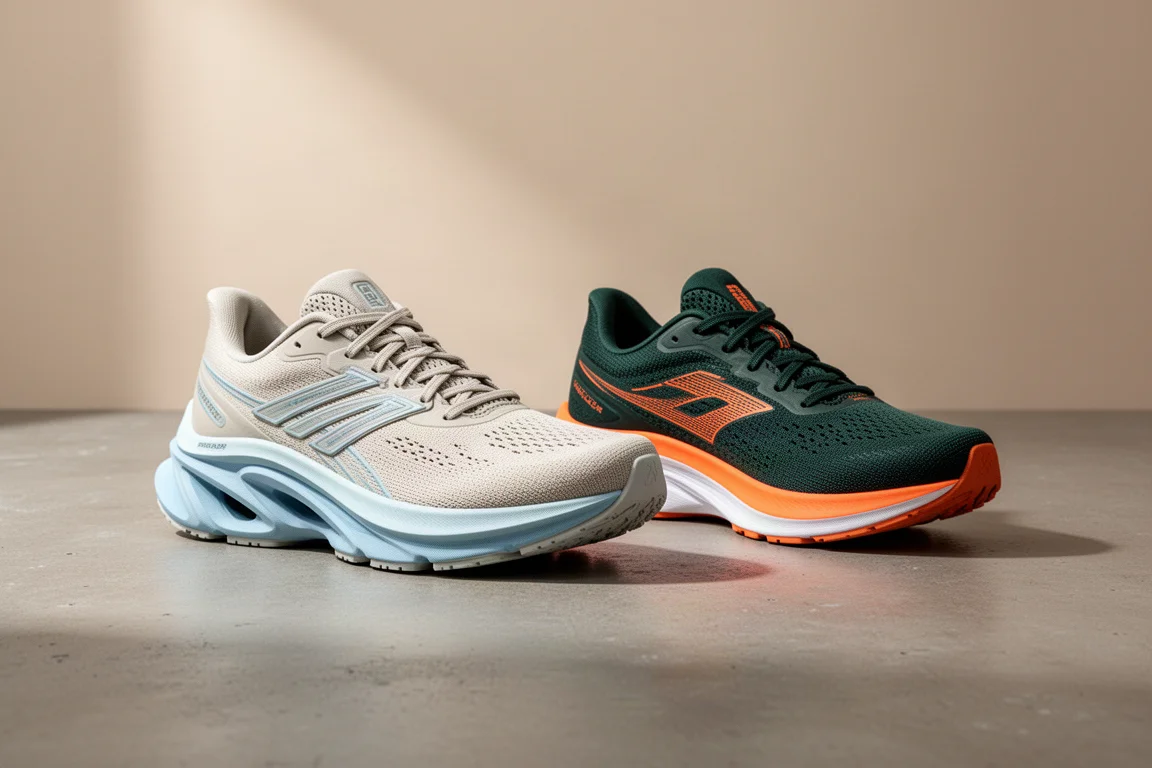
The Hoka Mach 5 and the Saucony Kinvara 13 are different shoes on paper, but spend a little time with both and they start to feel like they sit on a similar playing field. Both are neutral road running shoes with very similar stack heights, both released in 2022, and both sit in that everyday-trainer space that leans toward tempo work.
After comparing them across weight, upper, midsole, outsole, fit, comfort, and price, the scoring ends in a genuine tie: five categories each. Here is how they break down.
Weight and Stack Height
Stack heights are very similar between the two, which is one of the reasons this comparison is so close. The weight tells a slightly different story. The Kinvara 13 comes in at 6.7 oz and the Mach 5 at 7.1 oz, so the Kinvara 13 takes the weight win. No major surprise there: it is the leaner shoe of the pair.
Upper and Lockdown
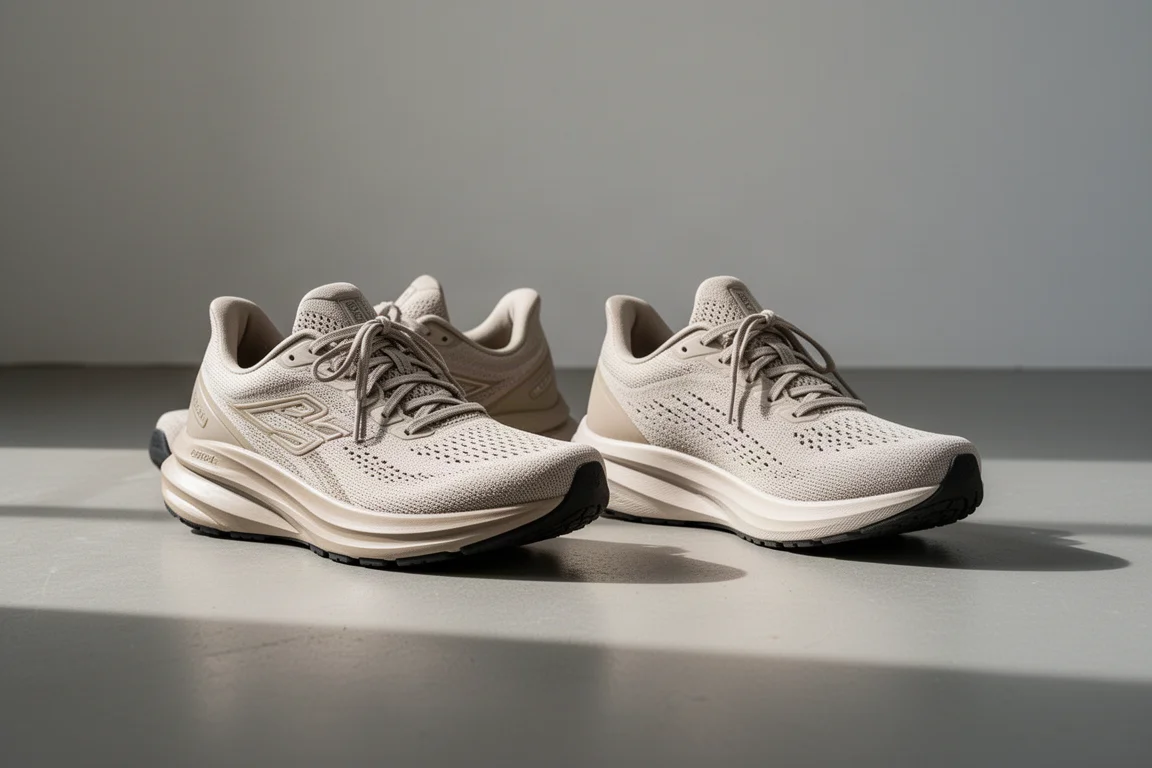
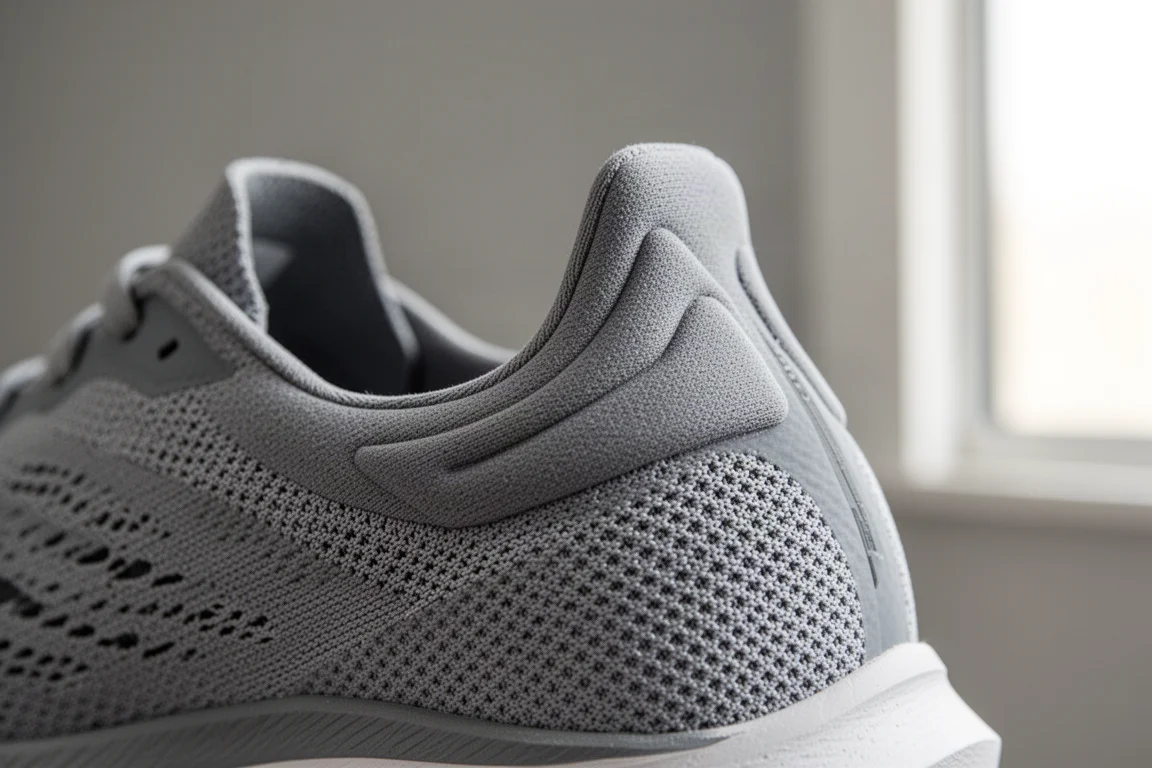
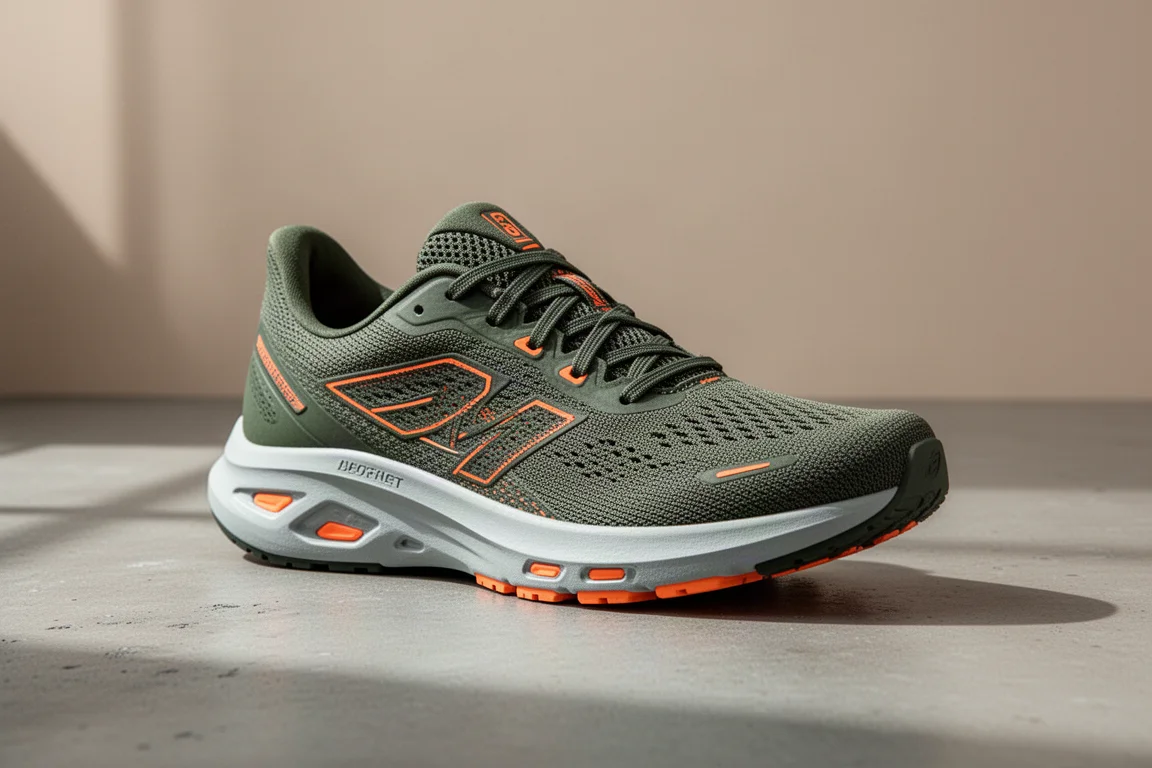
This is where the Mach 5 shines. For lockdown in 2022, it is hard to imagine a shoe beating it. The tongue lays on top of the foot almost like butter, and the upper also features a nice flare at the back, sometimes called a heel wing, that hugs the Achilles tendon through the gait cycle and foot strike. The overall upper score goes to the Mach 5, largely thanks to that heel flare.
The Kinvara 13 upper was not bad by any means, but the Mach 5 is the clear winner on lockdown.
Midsole and Ride
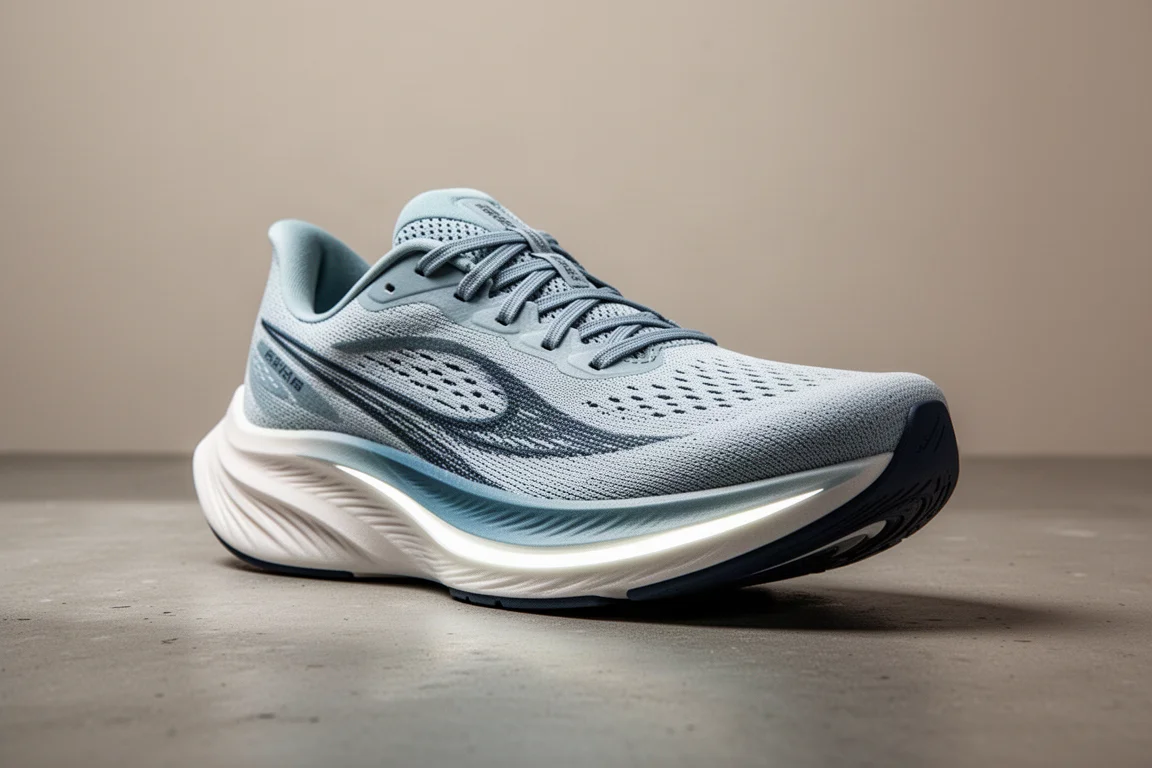
The Kinvara 13 uses a PWRRUN Plus midsole, while the Mach 5 uses a ProFly Plus setup. Ride and energy return are similar, but the Mach 5 edges it by a nose. The dual-density combination, roughly a softer foam up top paired with a firmer white midsole layer below, delivers a soft landing, good energy return, and a little extra rigidity through the layer underneath.
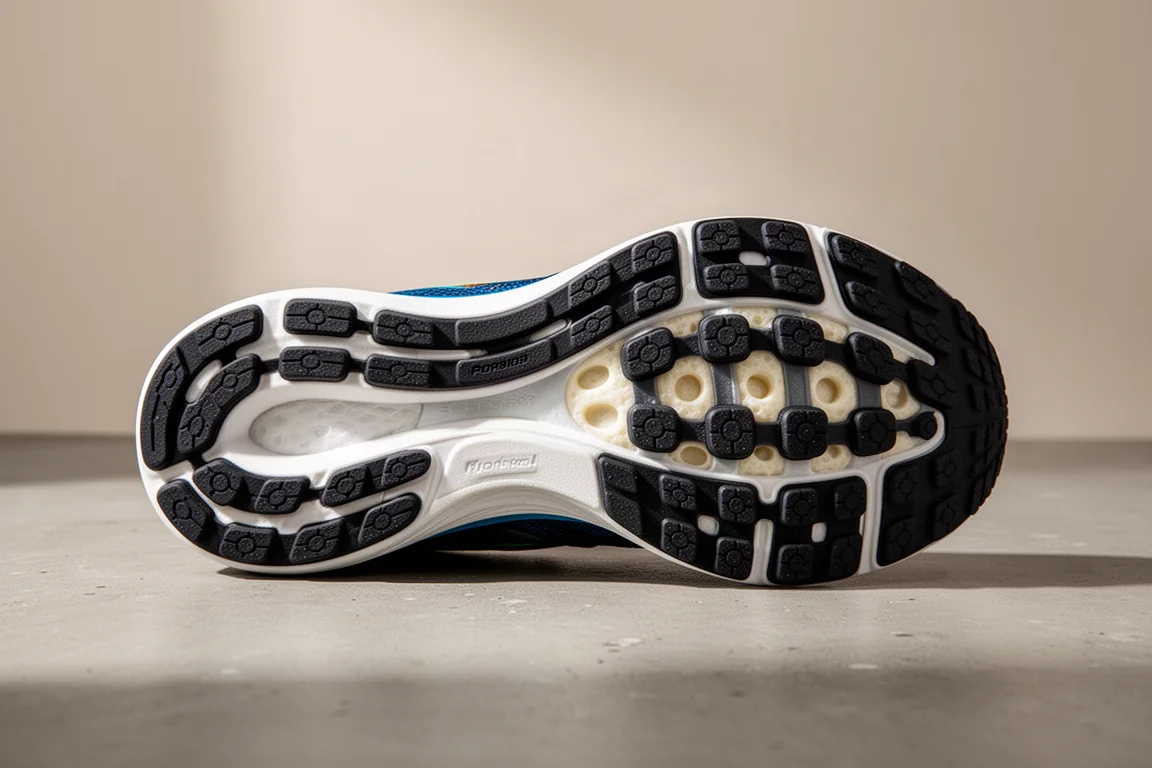
That said, the overall midsole score goes to the Kinvara 13 on durability grounds. The ProFly Plus midsole already shows a bit of creasing, and it looks likely to break down faster than the Kinvara 13 midsole.
Outsole and Durability
On wear and tear, the Kinvara 13 is expected to last longer, and it takes the outsole win. Neither shoe has a huge amount of rubber, but Saucony added rubber coverage in the right places, particularly for heel strikers who land on the outside of the shoe and for forefoot strikers alike. It is a thoughtful design choice that boosts outsole durability for a lot of runners.
The Mach 5 uses rubberized EVA, which is still a likeable approach, but the extra rubber on the Kinvara tips the balance.
Fit and Comfort
Fit is close, but the Mach 5 has no issues and takes the comfort score. The Kinvara 13 fits snug: if your foot has more volume, the Mach 5 is the safer choice, while lower-volume feet fill the Kinvara 13 upper nicely.
The Mach 5 comfort win comes down to the upper, that heel flare, and the ProFly Plus midsole. Worth noting: one runner reported that the Mach 5 collar dug into the foot and that the thinner tongue felt less protective than the previous version, so fit can vary foot to foot. A good return policy is a smart precaution.
Price and Buying Advice
Price is where the Kinvara 13 runs away with it: $115 versus $140. That is a significant gap, and if budget leads your decision, the Kinvara 13 wins by a lot.
That said, at the higher price you are buying into some genuinely special midsole and upper touches on the Mach 5. In use, both are tweeners, but they split track duty nicely: the Mach 5 suits longer reps like mile repeats, while the Kinvara 13 leans toward shorter work such as 800m and 1K repeats. If you have to head straight to the track without switching shoes, the Kinvara 13 is the more natural pick.

Durability predictions favor the Kinvara 13 as well, scoring around 7.5 out of 10 versus a 6 for the Mach 5, mostly due to that midsole.
Conclusion
This one ends in a tie: the Mach 5 wins five categories, the Kinvara 13 wins five. The Mach 5 delivers standout lockdown, comfort, and a special dual-density ride, while the Kinvara 13 counters with lower weight, better expected durability, and a much friendlier price. Honestly, both are easy to recommend, and plenty of runners would happily own both: one as the premium daily trainer, the other as the budget-friendly tempo and track-day option. Whichever way you lean, check size availability early, since popular and extreme sizes of shoes like these tend to sell out quickly.
Further reading
Related Reviews

Running Shoes
Best Road-to-Trail Running Shoes: Three Versatile Options for Mixed Terrain
A practical guide to three road-to-trail running shoes that handle both pavement and mild trails, with clear strengths and trade-offs for different runner types.

Running Shoes
Best Running Shoes for Achilles Tendonitis: Three Options Explained
Three running shoes with different heel drops and support features designed to help reduce Achilles tendon pain during walking and running.

Running Shoes
Best Running Shoes for Women: Five Top Choices Ranked
A ranked guide to five women's running shoes, from versatile daily trainers to high-performance racing options, with real strengths and trade-offs for each.