Running Shoes
Hoka Mach 5 vs Saucony Endorphin Speed 3: Two Versatile Daily Trainers Compared
Two of the most capable daily training shoes on the market go head to head on fit, ride feel, and which one deserves a spot in your rotation.
Introduction
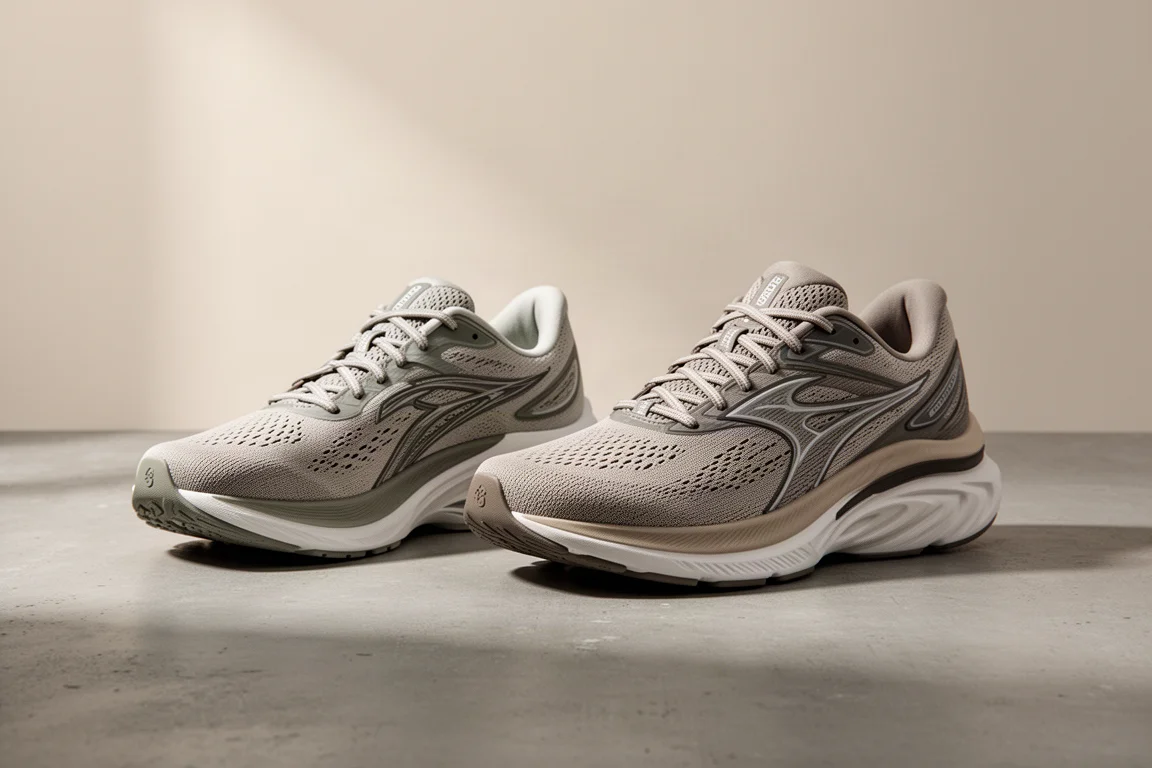
The Hoka Mach 5 and the Saucony Endorphin Speed 3 are two of the most talked-about versatile daily trainers around, and for good reason: both are built to handle everything from easy recovery miles to race day. They achieve that same goal in very different ways, though, and that difference is what makes this comparison interesting.
The Mach 5 is the long-awaited successor to the popular Mach 4. The Endorphin Speed 3 stays close to the design that made the first two versions so widely loved, with updates focused on midsole stability and a wider fit. Neither is a bad choice; the question is which one matches your feet and your training.
Hoka Mach 5: The Unobtrusive All-Rounder
The Hoka Mach 5 costs £130 or $140, weighs 212 grams (7.5 oz) for men in a size 8, and has a 5 mm drop. It pairs a dual-density midsole combining a softer layer with a firmer rubberized outer layer with a leaner upper, a redesigned lay-flat tongue, and longer laces than the Mach SuperSonic. Hoka describes it as a shoe with a little more oomph behind it, both in performance and ride.

On the run, it is the shoe you forget you are wearing. It feels natural and flexible at any pace, clicks into a rhythm immediately, and works especially well on long easy runs, where testers found themselves running quicker than expected. It lacks some top-end speed compared with a plated shoe, but it remains very fast and would make a strong plateless option for faster sessions. One thing to note: the exposed outsole foam will wear down a bit quicker than rubber, though the grip on mixed terrain is very good.
Saucony Endorphin Speed 3: The Plated Powerhouse
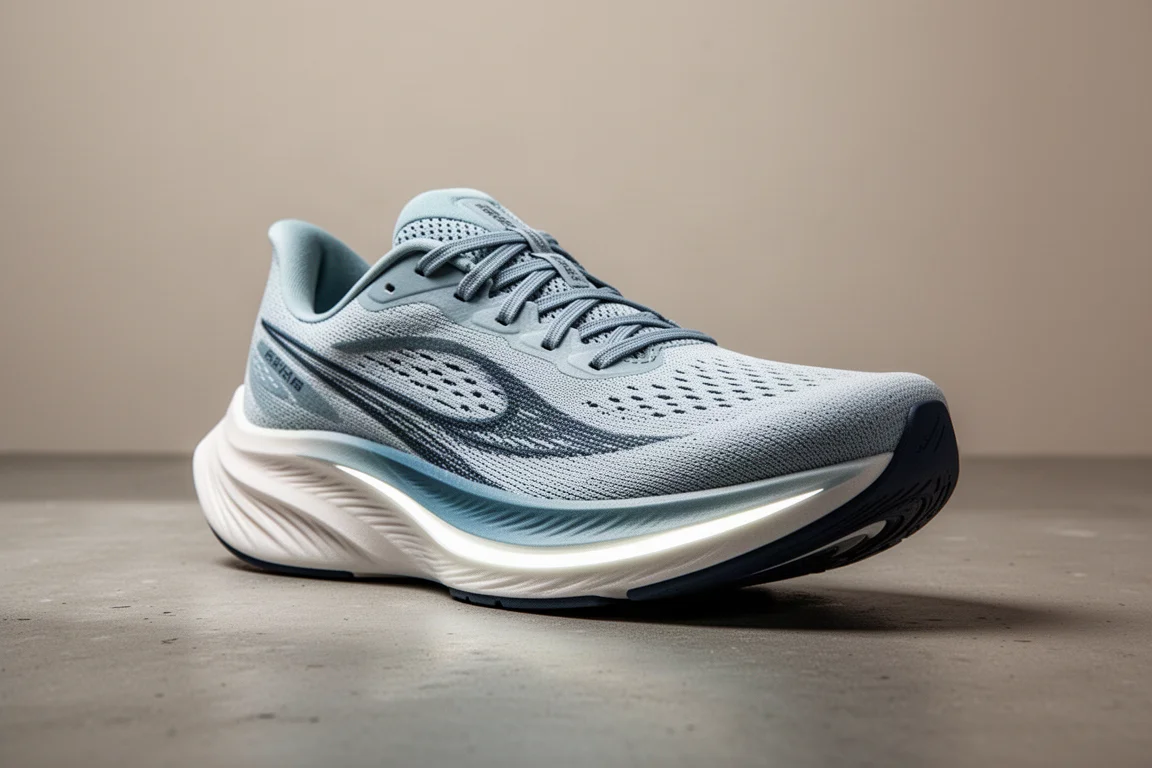
The Saucony Endorphin Speed 3 costs £165 or $170, weighs 230 grams (8.1 oz) for men in a size 8, and has an 8 mm drop. The formula is familiar: a full-length nylon plate combined with PWRRUN PB midsole foam and the Speedroll design for a smooth, efficient ride. The updates are aimed at midsole stability and a wider fit, a change that may not suit everyone.
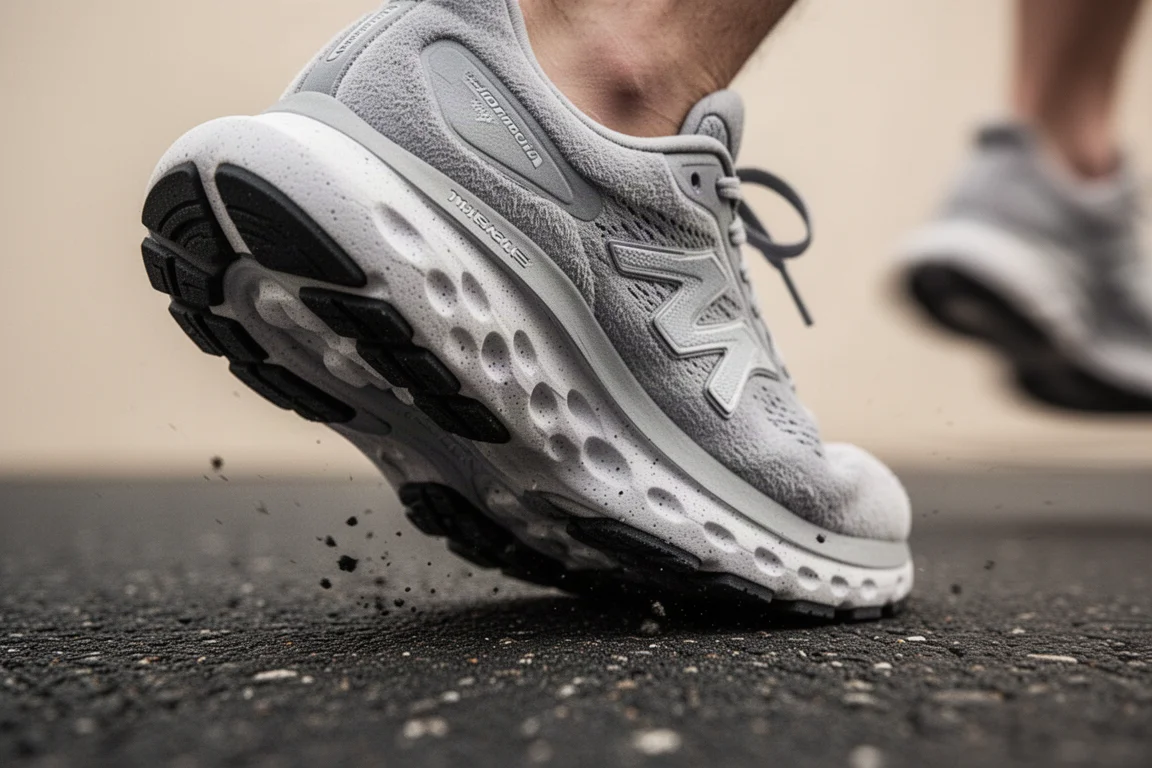
The Speed 3 is more intrusive than the Mach 5, but in a good way: you feel the bounce of the foam and the smooth rocker rolling you forward. It shines when the pace picks up, particularly on steady and tempo efforts and longer race-pace work, where the plate adds a real sense of efficiency. It carries a lot of cushioning and feels slightly more rigid overall, holding the foot in place and helping you run faster.
View more details for Saucony Endorphin Speed 3
Fit: Narrow Feet vs Wider Feet
Fit is where these two shoes genuinely diverge. For narrow feet, the Mach 5 is the clear winner: it fits very well from the first wear, the toe box causes no issues, and it runs true to size. The Speed 3, widened in this version, left a narrow-footed tester slipping around and needing aggressive heel-lock lacing, with occasional heel rub on longer runs. That tester preferred the fit of the Endorphin Speed 2.
For wider feet, the relationship flips. The extra room in the Speed 3 was immediately welcome, whereas the previous version needed two or three runs to loosen up. The Mach 5 was described as a lovely, fantastic fit from the first time it went on, and also true to size. In short: narrow-footed runners should lean Mach 5, wider-footed runners should lean Speed 3.
How They Differ on the Run
The core difference comes down to midsole rigidity. The Speed 3 has a soft midsole but a more rigid overall build: the plate and Speedroll geometry hold your foot in place and push you forward. The Mach 5 is more flexible and relaxed, letting your foot do more of the work naturally.

That rigidity is a big benefit on the road, but on softer or uneven ground, such as forest trails, it can cost a little agility. The Mach 5’s flexibility handles mixed surfaces more naturally, while its exposed foam outsole trades some durability for the very nice underfoot feel. If you train for a marathon with plenty of steady and tempo work, the Speed 3 makes those mid-range efforts feel effortless. If your training is more polarized, hard intervals in dedicated shoes plus truly easy recovery runs, the Mach 5 fits that pattern beautifully.
Verdict: Which One Should You Buy
When the chips are down, the Speed 3 edges it as the better all-round daily trainer, particularly for runners whose plans include speedwork and race-pace efforts. The Mach 5 is cheaper, lighter, and a lot of fun, and for runners who train mainly for enjoyment without a plate, it may genuinely be the better pick.
Both testers stressed how close this comparison is: neither shoe has any real negatives, and both were used for everything from easy runs to hard intervals. Choose the Speed 3 if you want maximum efficiency and a shoe that helps you run faster. Choose the Mach 5 if you want comfort, flexibility, and a lighter, more natural ride.
Conclusion
The Saucony Endorphin Speed 3 takes the win on versatility and speed, but the Hoka Mach 5 is lighter, cheaper, and arguably the more enjoyable everyday companion. Match the shoe to your foot shape and your training, and you will not go wrong with either.
Further reading
Related Reviews

Running Shoes
Best Road-to-Trail Running Shoes: Three Versatile Options for Mixed Terrain
A practical guide to three road-to-trail running shoes that handle both pavement and mild trails, with clear strengths and trade-offs for different runner types.

Running Shoes
Best Running Shoes for Achilles Tendonitis: Three Options Explained
Three running shoes with different heel drops and support features designed to help reduce Achilles tendon pain during walking and running.

Running Shoes
Best Running Shoes for Women: Five Top Choices Ranked
A ranked guide to five women's running shoes, from versatile daily trainers to high-performance racing options, with real strengths and trade-offs for each.