Running Shoes
Hoka Mach 5 vs New Balance FuelCell Rebel v3: Two Lightweight Up-Tempo Trainers Compared
A side-by-side look at two popular non-plated speed shoes, covering ride feel, fit, long-run behavior, and outsole durability.
Introduction
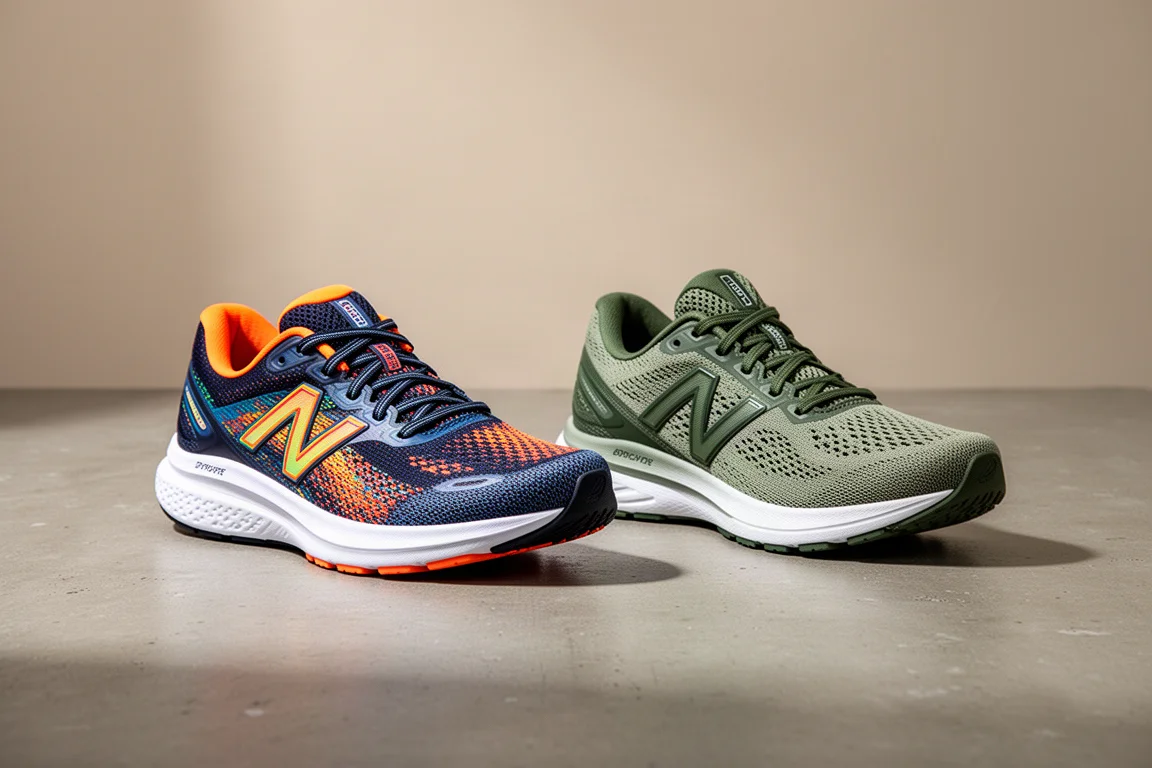
Lightweight, non-plated up-tempo trainers have become a favorite category for runners who want to build strength, not just speed. Instead of leaning on plated super-shoes for every fast session, more runners are rounding out their rotation with lighter, more flexible shoes that engage the lower legs and build a broader base of running-specific fitness. Two shoes at the center of that conversation are the Hoka Mach 5 and the New Balance FuelCell Rebel v3. Both are non-plated, both are light, and both are designed for quicker paces. But they are far from identical, and the differences show up in ride feel, fit, long-run behavior, and especially outsole durability.
Meet the Contenders
The Hoka Mach 5 is Hoka’s non-plated up-tempo daily trainer and speed shoe. It uses two foams in the midsole, a supercritical EVA paired with a standard EVA, and it ditches a traditional rubber outsole to save weight. Up top there is a Creel Jacquard upper. The New Balance FuelCell Rebel v3 counters with an engineered mesh upper, a full FuelCell midsole with no plate, and a substantial covering of rubber on the outsole, which turns out to be one of the biggest practical differences between the two.

Ride Feel: Rocker and Rigidity vs Soft Flexibility
The ride is where these shoes part ways most clearly. The Mach 5 delivers a smooth, rockered, cushioned rolling feel, and even without a plate it gives a noticeable sense of help and guidance through the stride. There is a pronounced rocker geometry at the front of the shoe, and the platform is not especially flexible. It can bend, but it offers more feedback and pop than the Rebel v3, with a clear sense of rigidity through the midsole.
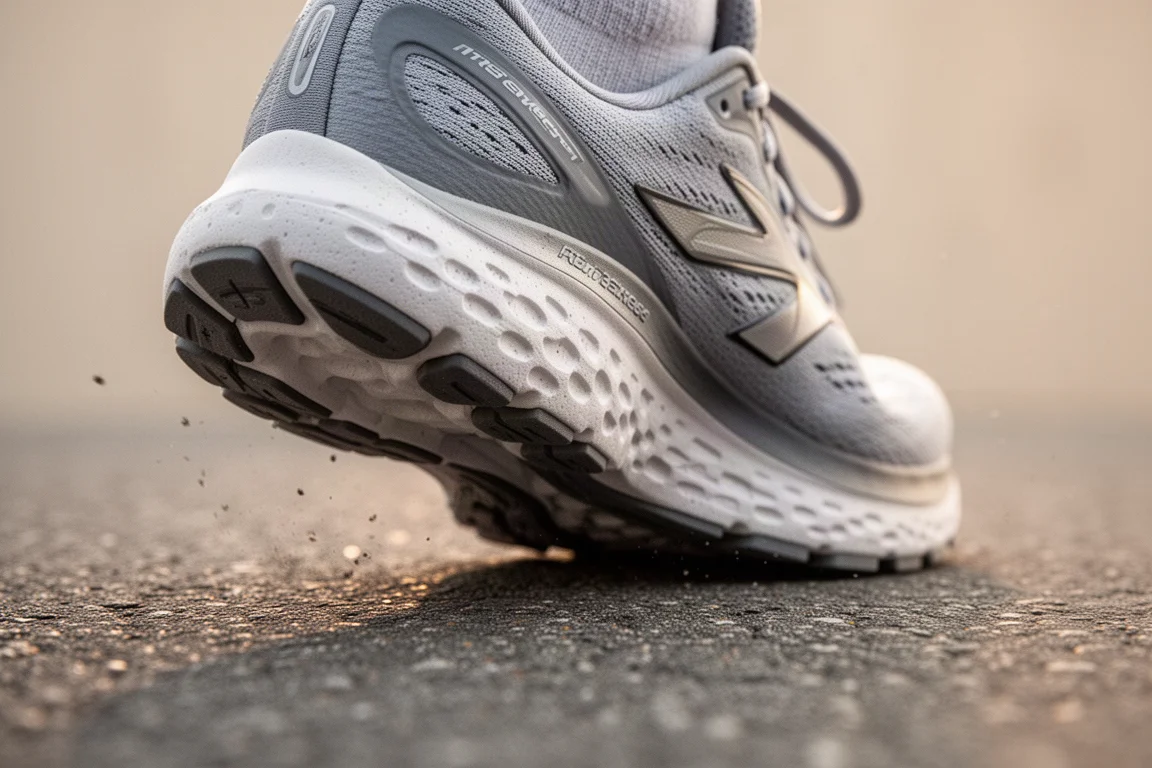
The Rebel v3 is the opposite character. Its full FuelCell midsole is soft and bouncy, and the shoe is flexible enough that it can be folded nearly in on itself. If you prefer a springy, pliable feel underfoot, the Rebel v3 leans into that; the Mach 5 leans into a smooth, structured roll.
Fit and Toe Box
Fit is another meaningful difference. Hoka is known for running narrow in the toe box, especially on its speed-oriented models, and the Mach 5 is no exception. It sits somewhere in between, tighter in the forefoot than the average shoe but not as pinchy as something like a Saucony. The New Balance is roomier up front. The pair compared here were not exactly the same size, with the Rebel v3 roughly a half size larger than the Mach 5, but even accounting for that, the Rebel offers more forefoot volume. Narrow-footed runners may actually prefer the Hoka’s snugger fit, while anyone with wider forefeet will likely appreciate the New Balance.
Long Run Performance
Both shoes have been taken well past the casual run distance: a hilly, hot 16-mile long run in the Mach 5, and a 16-mile treadmill long run in the Rebel v3. The takeaway was similar for both. Neither is a shoe you would want for much beyond a half marathon, because by the end of those efforts there was a feeling of wanting a bit more cushion.
That is largely the point of this category. After 16 straight weeks of 16-mile long runs in more cushioned plated trainers with no complaints, the shift to these lighter, lower shoes produces that want-more-support feeling at the end of long efforts, and that is exactly the adaptation many runners are training for. If your goal is simply a smooth, cushioned ride to make two-hour marathon-training long runs easier on your legs, a more cushioned shoe is the better call. The Saucony Triumph suits fans of the Rebel v3’s soft bounce, while Saucony Endorphin Shift 3, Brooks Hyperion Max, or the Nike Invincible pair well with the Mach 5’s smooth responsiveness, trading some lightness for more long-run comfort.
Break-In and Midsole Life
Both shoes ran well straight out of the box with no formal break-in period. The Mach 5 felt its best in the first 50 miles, while the Rebel v3 seemed to improve after that mark. Worth noting: the runner in question is 6’2” and 160 pounds with a relatively low cadence of around 165 steps per minute, which puts more force into each stride than the average runner, and that context matters when judging foam life. The Mach 5’s supercritical EVA midsole appears to have a finite life, with a hint of lost pop emerging within the first 100 miles, whereas the Rebel v3’s FuelCell foam feels like it is just warming up at that point.
Durability: The Elephant in the Room
The outsoles tell the most dramatic story. At the time of comparison, the Mach 5 had 80 to 90 miles on it and the Rebel v3 had 50 to 60, both under 100 miles. The Hoka’s rear tread was already worn completely smooth, with the original grooves and ridges on the heel erased by road contact, a consequence of running with no outsole rubber to speak of.

The Rebel v3, by contrast, still has plenty of life left, with only initial wear after its first few dozen miles. Feedback from other runners suggests that this early wear tends to stop around 150 miles and that the rubber is genuinely durable, raising hopes of 300-plus miles. The Mach 5 is a different bet entirely; reaching 220 miles without the shoe feeling like it is giving up would be a lucky outcome. In outsole-light shoes like this, knowing when to retire them can be tricky, whether you go by feel in your legs or by a mileage number.
Buying Advice
Choose the Hoka Mach 5 if you want a smooth, rockered, responsive ride with a bit of structural pop and you have a narrower foot. Choose the New Balance FuelCell Rebel v3 if you prefer a soft, bouncy, flexible feel with a roomier toe box and a more durable rubber outsole. If you want either of these rides but with more cushion for long runs, look at the softer Saucony Triumph for a Rebel-like feel, or the Saucony Endorphin Shift 3, Brooks Hyperion Max, or Nike Invincible for a Mach 5-style smooth and responsive experience.
Conclusion
The Hoka Mach 5 and New Balance FuelCell Rebel v3 both earn their place in a rotation built around lightweight, non-plated speed work. The Mach 5 offers a rockered, rigid, and responsive platform in a narrow forefoot, while the Rebel v3 counters with soft FuelCell bounce, flexibility, a roomier fit, and far better outsole longevity. Neither is built for the long haul beyond half marathon distance, but as strength-building, up-tempo daily trainers, each delivers exactly what the category promises.
Product link
View more details for Hoka Mach 5
This product is mentioned in the review. Check the specifications, options, and compatibility before buying.
View more details for Hoka Mach 5Further reading
Related Reviews

Running Shoes
Best Road-to-Trail Running Shoes: Three Versatile Options for Mixed Terrain
A practical guide to three road-to-trail running shoes that handle both pavement and mild trails, with clear strengths and trade-offs for different runner types.

Running Shoes
Best Running Shoes for Achilles Tendonitis: Three Options Explained
Three running shoes with different heel drops and support features designed to help reduce Achilles tendon pain during walking and running.

Running Shoes
Best Running Shoes for Women: Five Top Choices Ranked
A ranked guide to five women's running shoes, from versatile daily trainers to high-performance racing options, with real strengths and trade-offs for each.