Running Shoes
Hoka Mach 5 vs Hoka Mach X: Two Versatile Trainers, One Clear Choice
The Hoka Mach 5 and the plated Hoka Mach X share a family resemblance, but subtle differences in fit, foam and feel make each suited to slightly different running.
Introduction
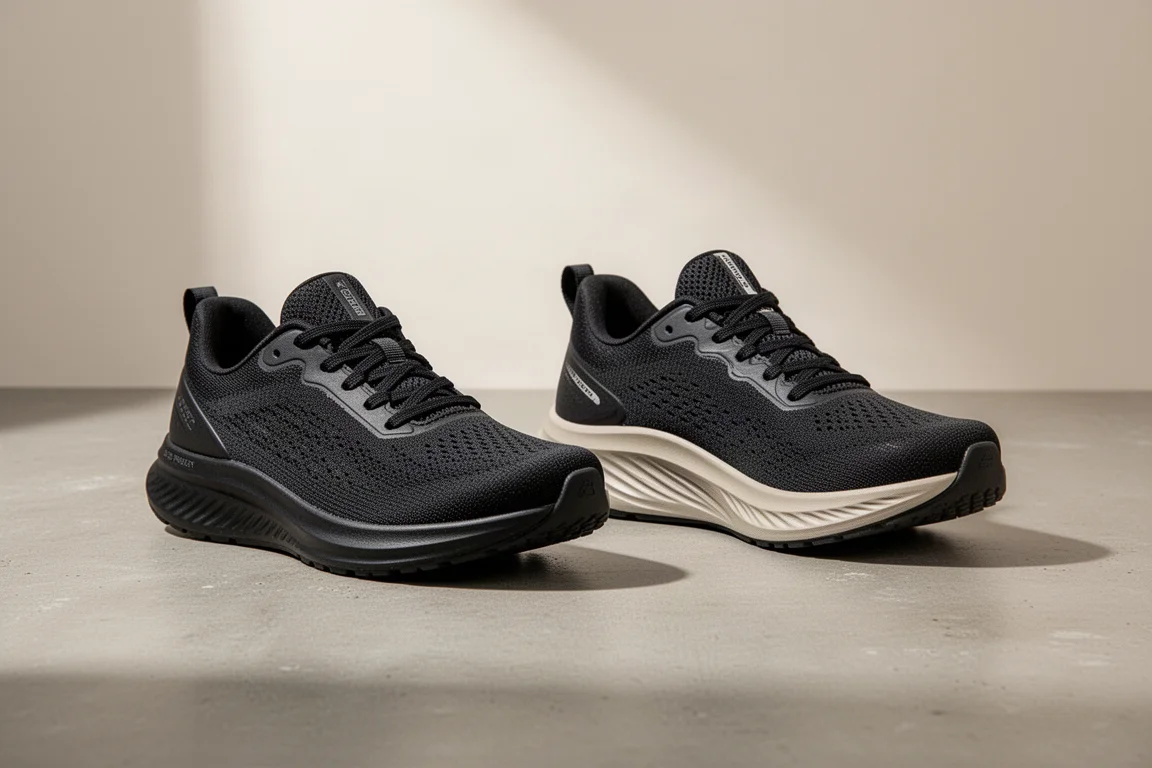
The Hoka Mach 5 and the Hoka Mach X come from the same family, and that makes this comparison genuinely tricky. The Mach 5 has long been one of the most versatile non-plated trainers around, while the Mach X adds a carbon plate and a new PEBA foam layer to try to build on that formula. The margins between them are subtle, and both are excellent shoes. The real question is which one matches the kind of running you actually do.
The specs set the scene: the Mach X costs £160 / $180, weighs 242g (8.5 oz) for men in a size 8, and has a 5mm drop. The Mach 5 comes in at £130 / $140, weighs a lighter 212g (7.5 oz) in the same size, with the same 5mm drop.
Fit and Sizing
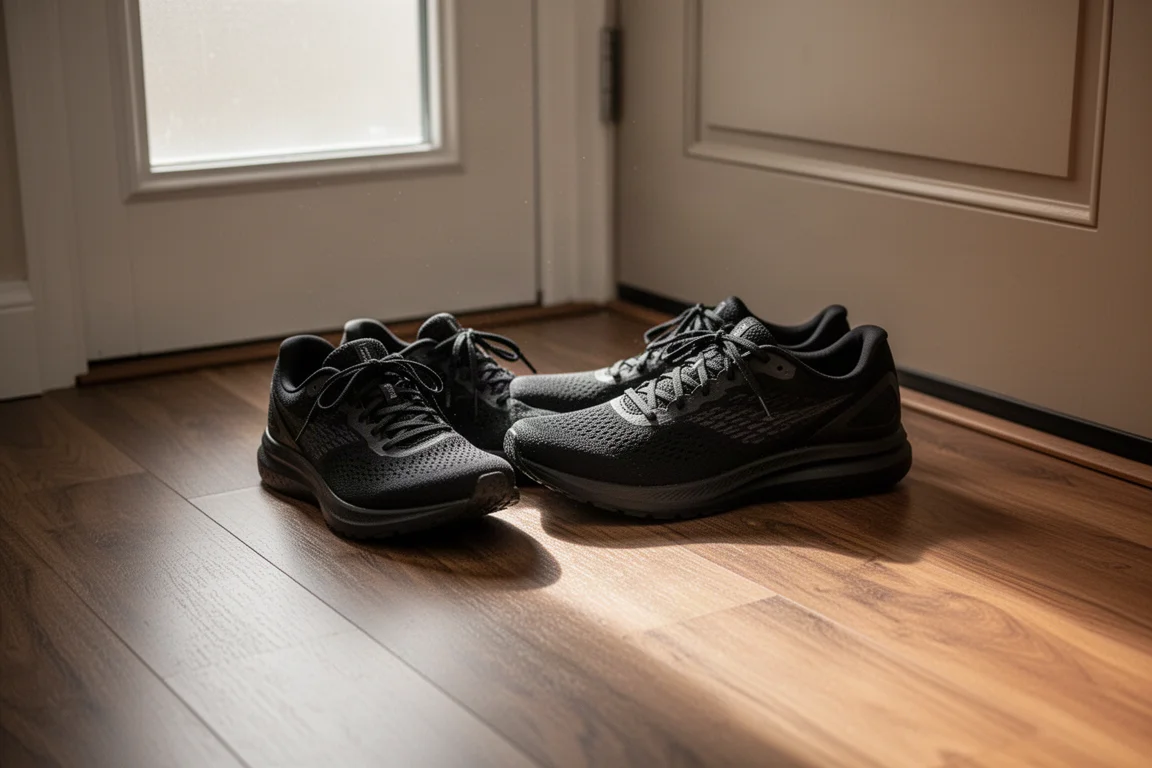
Both shoes run true to size in normal running shoe size, and both fit securely with good hold at the heel and enough room in the forefoot. If anything, they run slightly snug, so runners with very wide feet may want to consider going half a size up.
The differences are small but noticeable. The Mach 5 is the slightly narrower and more spacious-feeling shoe at the toe box, while the Mach X fits a bit more racy and sits snugger across the top of the toes. Both uppers are comfortable, with enough padding without feeling bulky.
Ride and Performance
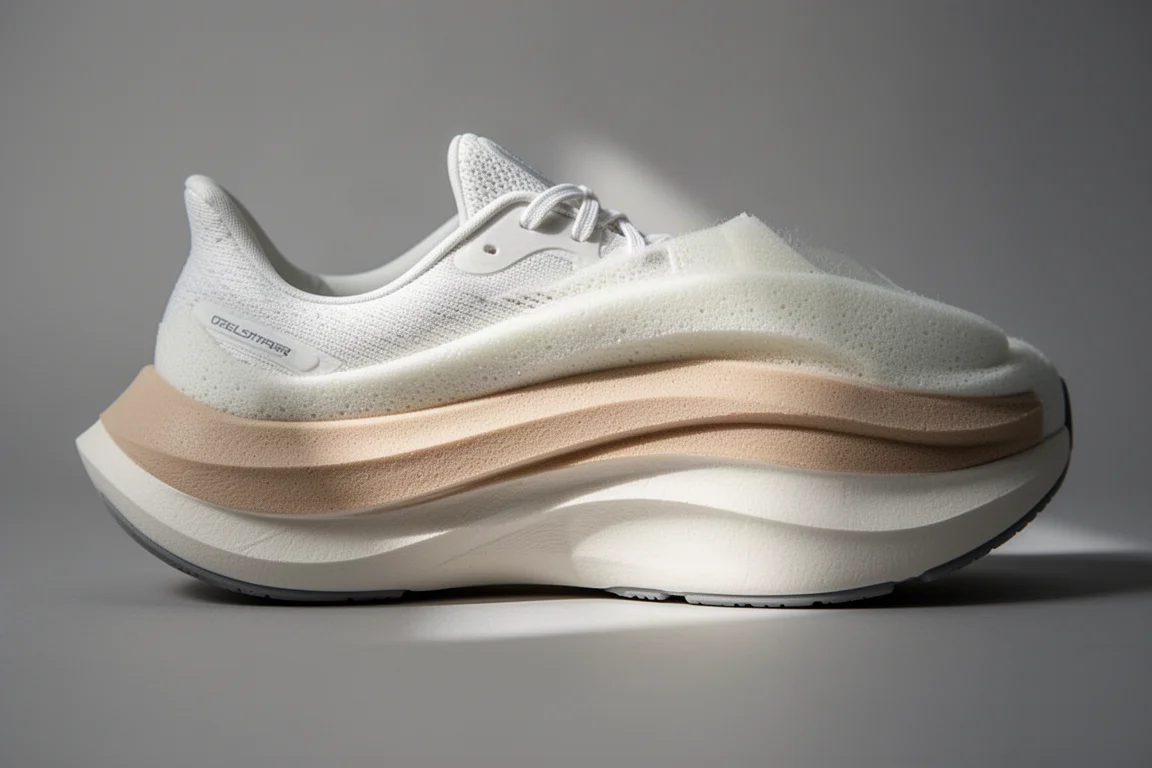
This is where the two shoes separate, and again the differences are more subtle than the spec sheets suggest. The Mach 5 runs a little flatter and feels slightly softer on landing, with a bigger cushioned platform. The Mach X has a more pronounced rocker and a bit more firmness and spring under the ball of the foot, largely thanks to its plate and PEBA foam.
The Mach X feels like a smaller, more compact and agile shoe on the foot despite being heavier. The Mach 5 has more length and a touch more heel presence, giving it that protected, cushioned feel. The Mach X simply feels more racy and uptempo.
Both shoes have nice rocked rides that roll smoothly at easy, cruisy and steady paces. Pushing to all-out paces, neither is exceptional: the Mach X gives you more punch than the Mach 5 for short sharp reps, but it does not feel as bouncy or explosive as its plate and PEBA spec might suggest. Meanwhile the Mach 5, despite the lower stack, feels more natural and easier to get into a rhythm with at almost any pace, like an extension of your foot.
Grip and Durability
The Mach X has an outsole rubber layer, which improves durability. Grip on greasy pavement was not fantastic on its first run, though the outsole roughs up and improves with use. The Mach 5 relies on a rubberized EVA outsole instead. That gives it a genuinely lovely ground feel, with a soft contact and no slap, and it grips quite well, but it is less durable than the Mach X.
That trade-off sums up the pair: the Mach X is the more durable, more impressive shoe for fast and long runs, while the Mach 5 offers a softer, more natural feel at a lower price.

What Each Shoe Does Best
The Mach 5 is a brilliant all-rounder trainer that leans towards the speed end of daily training. It has enough cushioning for longer runs, feels lightweight and responsive, and its dual-density midsole balances softness with responsiveness. It also makes an excellent non-plated training partner for a plated racing shoe, which is exactly how many marathon runners use it.
The Mach X is more than just a Mach 5 with a plate. It feels like a different shoe, closer in character to a dedicated speed trainer. The plate is not dramatically noticeable in the way a full racing shoe plate is; it just feels nice and efficient, rolls you forward comfortably on long runs, and helps you pick up the pace quickly for intervals. It is also a surprisingly stable and supportive shoe for its stack, thanks to a slightly firmer feel.
Which One Should You Buy?
For pure versatility and value, the Mach 5 is the pick. It is cheaper, lighter, feels wonderful on the foot, and can cope with everything from easy miles to faster sessions, all while serving as a great non-plated training partner for race day. If you want one shoe to do nearly everything, it is hard to beat.
The Mach X earns its place if you want more protection and comfort for longer runs, a bit more pop for longer hard efforts, and something a touch more racy for uptempo work. It is the more fun shoe for speed, and it is more durable.

Conclusion
Neither shoe is clearly better than the other. The Mach X appeals more when you are running faster and want punch without needing maximum protection, while the Mach 5 covers everything from slower miles up to faster work with a softer, more cushioned feel. Both are excellent all-rounder trainers with rocked rides that handle a wide variety of runs, and you would not be disappointed in either. For most runners doing daily training, the Mach 5 remains the simpler, better-value pick.
Product link
View more details for Hoka Mach 5
This product is mentioned in the review. Check the specifications, options, and compatibility before buying.
View more details for Hoka Mach 5Further reading
Related Reviews

Running Shoes
Best Road-to-Trail Running Shoes: Three Versatile Options for Mixed Terrain
A practical guide to three road-to-trail running shoes that handle both pavement and mild trails, with clear strengths and trade-offs for different runner types.

Running Shoes
Best Running Shoes for Achilles Tendonitis: Three Options Explained
Three running shoes with different heel drops and support features designed to help reduce Achilles tendon pain during walking and running.

Running Shoes
Best Running Shoes for Women: Five Top Choices Ranked
A ranked guide to five women's running shoes, from versatile daily trainers to high-performance racing options, with real strengths and trade-offs for each.