Running Shoes
Hoka Mach 5 vs ASICS Tri Noosa 14: Two Great Shoes, One Close Call
A head-to-head look at the Hoka Mach 5 and ASICS Tri Noosa 14, two versatile trainers with surprisingly similar stack heights and a genuinely close final score.
Introduction
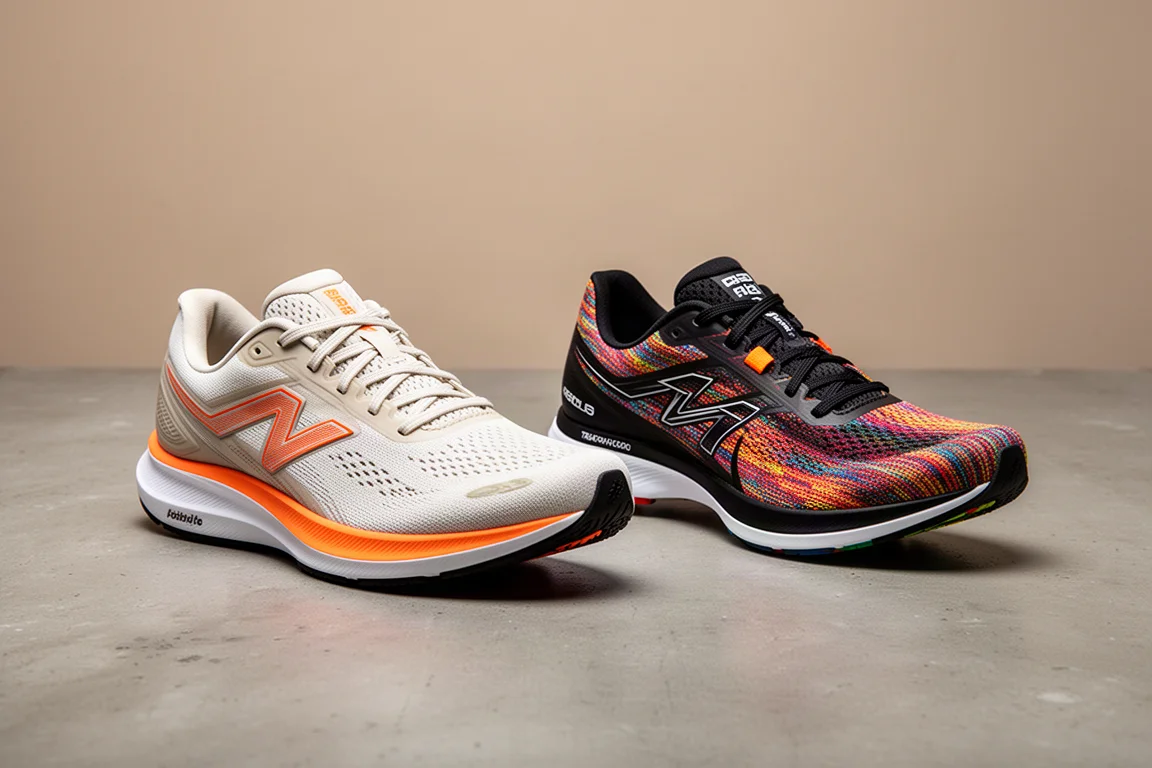
Some shoe comparisons are closer than others, and this one is about as close as it gets. The Hoka Mach 5 and the ASICS Tri Noosa 14 landed on nearly identical stack heights almost by accident, and by the end of a full category-by-category breakdown they finished nearly level on the scoreboard.
The back story makes it more interesting. The Mach 3 ranked among the least favorite shoes in recent memory, yet the Mach 5 made a huge leap forward and became a favorite. Then the Tri Noosa 14, a shoe designed specifically for triathletes, arrived out of nowhere and pushed it all the way. Final scores: 8.35 for the Tri Noosa 14 versus 8.0 for the Mach 5, with four categories won on each side and two ties.
Specs and First Impressions
The stack heights of these two shoes are remarkably similar, which was not planned but says something about what feels good biomechanically at this mid-sole height. The weight comparison turned out to be the shock of the day: the Tri Noosa 14 came in lighter on the scale, which was unexpected given its more substantial build.
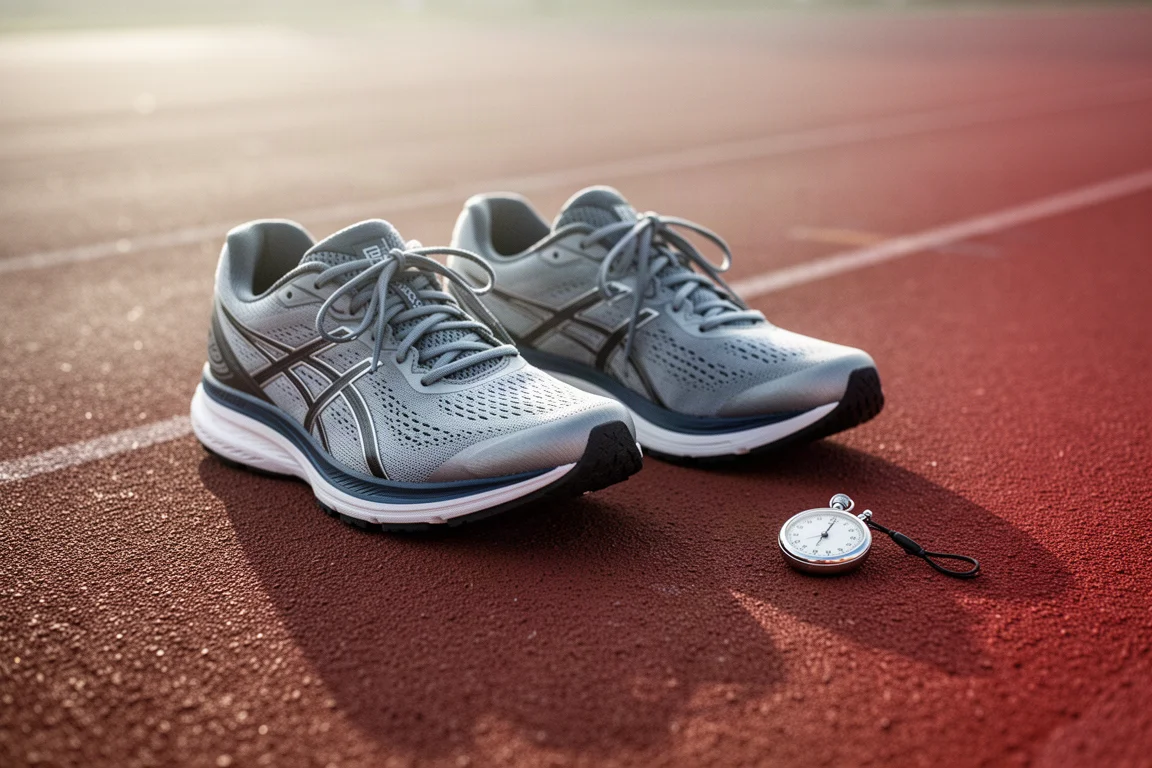
Both shoes are true tweeners, meaning you can do a lot of different running in either of them. Neither is a great choice for easy days, because both will tempt you to go faster than you planned.
Upper and Fit
Upper lockdown scores were very similar, with the Mach 5 winning by a nose. Its tongue lays on top of the foot beautifully and works extremely well with the eyestay and lace setup.
But the Tri Noosa 14’s upper is on another level. The heel flare and heel counter are exceptional, and the overall construction quality is special. It is not plush, yet it hugs the foot firmly without feeling loose, and it is still slightly lighter than the Mach 5. The upper alone earned the Tri Noosa 14 a score approaching a perfect rating, which is rarely given out. If you see it in a store, it is worth picking up just to feel that heel counter.
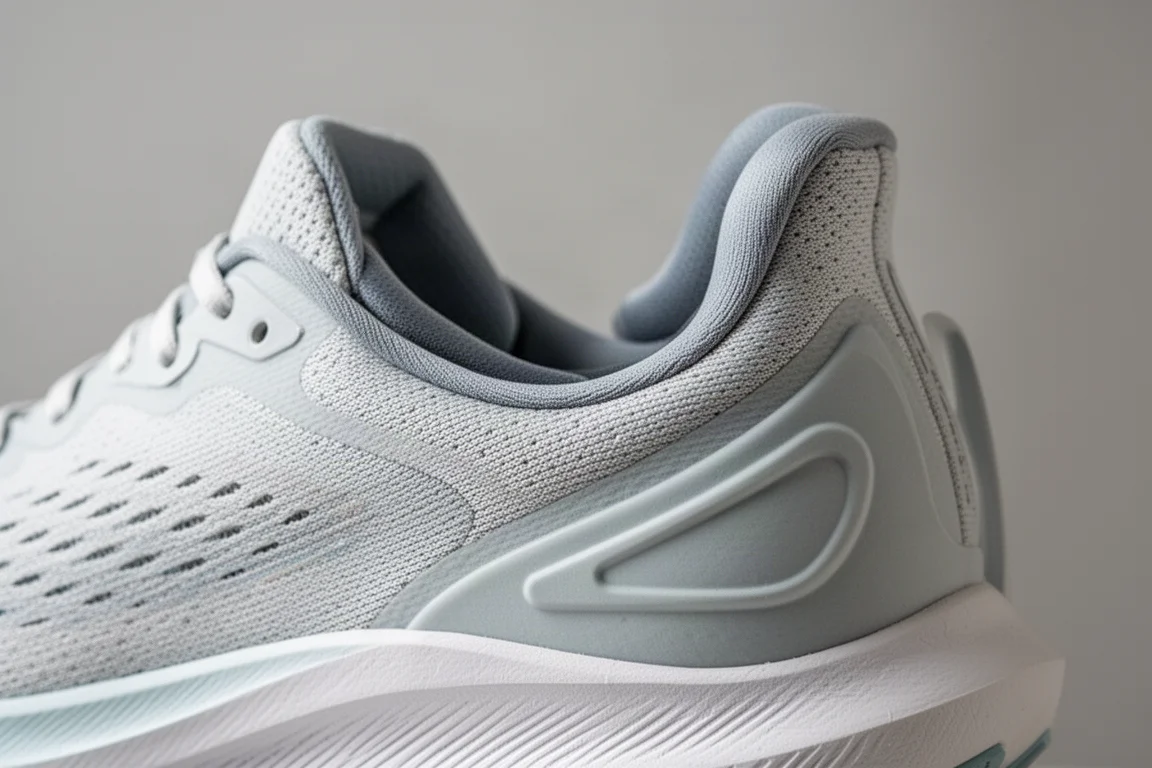
Overall fit, though, stays with the Mach 5. It locked down like butter, and few road shoes in its class beat it there.
Midsole and Ride
The midsole comparison ended in a tie, which is high praise for both. The Tri Noosa 14 uses Flight Foam in a dual-density setup, while the Mach 5 uses a ProFly Plus layer over a firmer base. The ride and energy return feel so similar that both scored identically.

The practical difference comes down to feel. The Tri Noosa 14 offers a bit more resistance underfoot and is not quite as soft, while the Mach 5 has a softer, more cushioned sink-in quality. Your preference between the two should come down to which of those rides sounds better to you.
For comfort across the entire shoe, upper combined with midsole and outsole, the Mach 5 edged it by a nose, largely thanks to the ProFly Plus. The Tri Noosa 14’s outsole rubber is firmer, and that can subtly affect the feel of the shoe.
Outsole, Durability, and Price
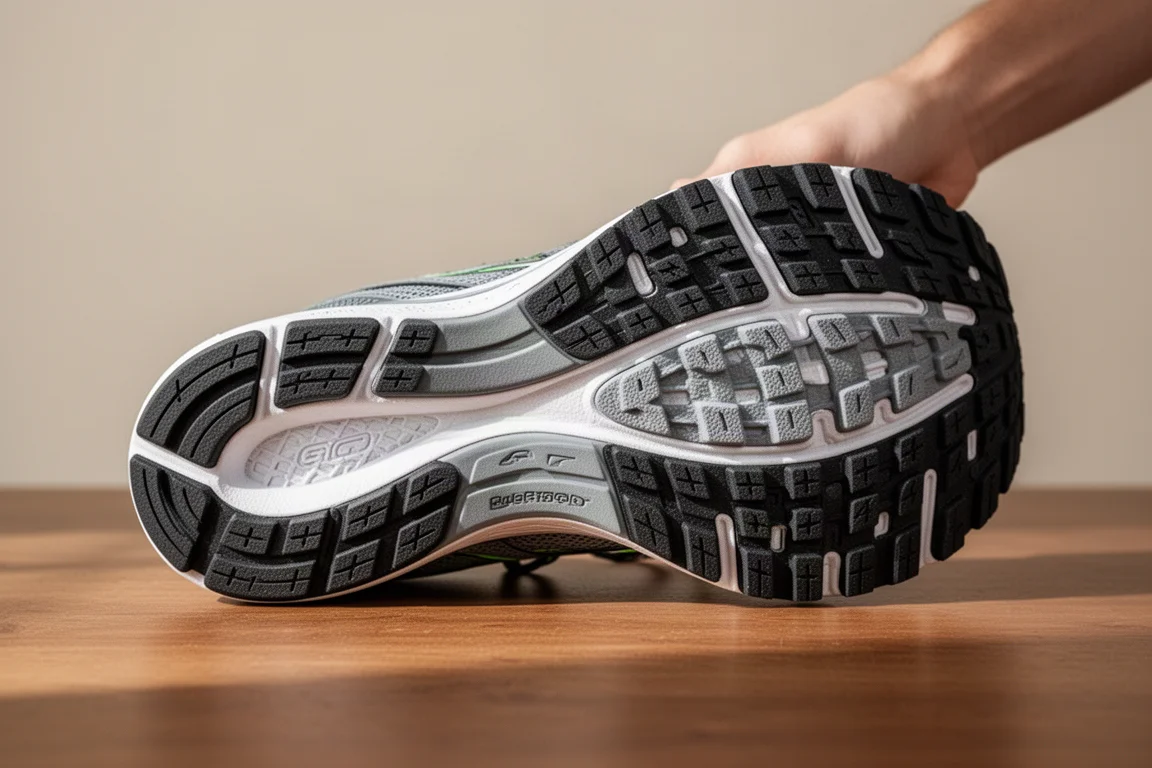
The outsole round goes to the Tri Noosa 14, mostly for longevity. The rubber is not too thick and not completely plastered across the bottom, and it should offer slightly better grip when racing in wet conditions and taking pavement corners at speed.
Durability prediction also goes to the Tri Noosa 14, based on the combination of midsole, outsole, and upper construction.
Price seals the value argument: the Tri Noosa 14 sits at $130 versus the Mach 5’s $140, a ten-dollar difference that matters if you are pinching pennies.
How to Choose Between Them
If you are heading to the track for mile repeats, the Mach 5 is the peppier option and suits tempo work. If you want a shoe for long runs with a little more support underneath you, the Tri Noosa 14 leans that direction. Either can serve as a capable daily trainer, just not for easy recovery days.
Conclusion
The scoreboard finished at four categories each plus two ties, an 8.35 to 8.0 result in the Tri Noosa 14’s favor. Both are great shoes, and the real answer is that the right pick depends on whether you value the Mach 5’s buttery fit and softer ride or the Tri Noosa 14’s exceptional upper, durability, and lower price.
Product link
View more details for Hoka Mach 5
This product is mentioned in the review. Check the specifications, options, and compatibility before buying.
View more details for Hoka Mach 5Further reading
Related Reviews

Running Shoes
Best Road-to-Trail Running Shoes: Three Versatile Options for Mixed Terrain
A practical guide to three road-to-trail running shoes that handle both pavement and mild trails, with clear strengths and trade-offs for different runner types.

Running Shoes
Best Running Shoes for Achilles Tendonitis: Three Options Explained
Three running shoes with different heel drops and support features designed to help reduce Achilles tendon pain during walking and running.

Running Shoes
Best Running Shoes for Women: Five Top Choices Ranked
A ranked guide to five women's running shoes, from versatile daily trainers to high-performance racing options, with real strengths and trade-offs for each.