Running Shoes
Hoka Mach 5 vs Adidas Adizero SL: A 150-Mile Durability Comparison
Two popular daily trainers after 150 miles: how the Mach 5's outsole-free design holds up against the Adizero SL's firmer, higher platform.
Introduction
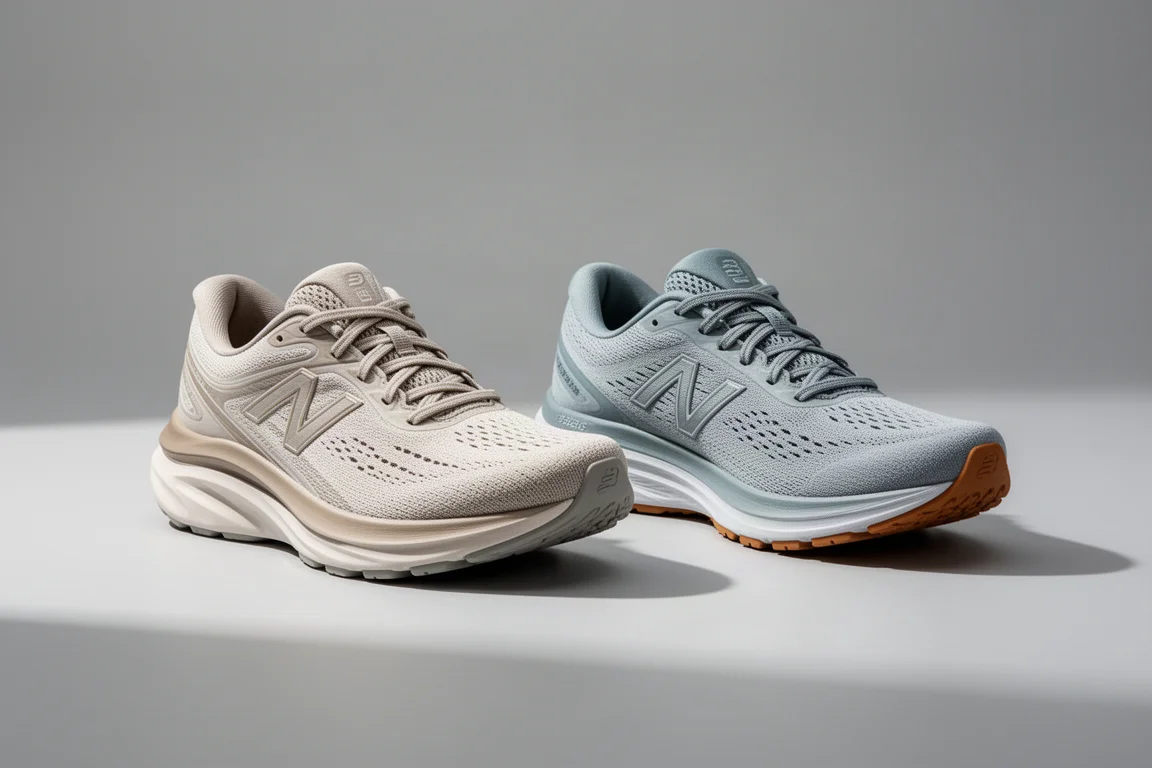
Some shoes reveal their true character only after real mileage. That is exactly the case here: after roughly 150 miles, the Hoka Mach 5 and the Adidas Adizero SL tell two very different durability stories. The Mach 5 skips a traditional rubber outsole, which raises an obvious question about long-term wear. The Adizero SL, by contrast, has held its traction remarkably well over the same distance.
This comparison walks through what holds up, what does not, and which shoe fits which kind of running.
Outsole Durability After 150 Miles
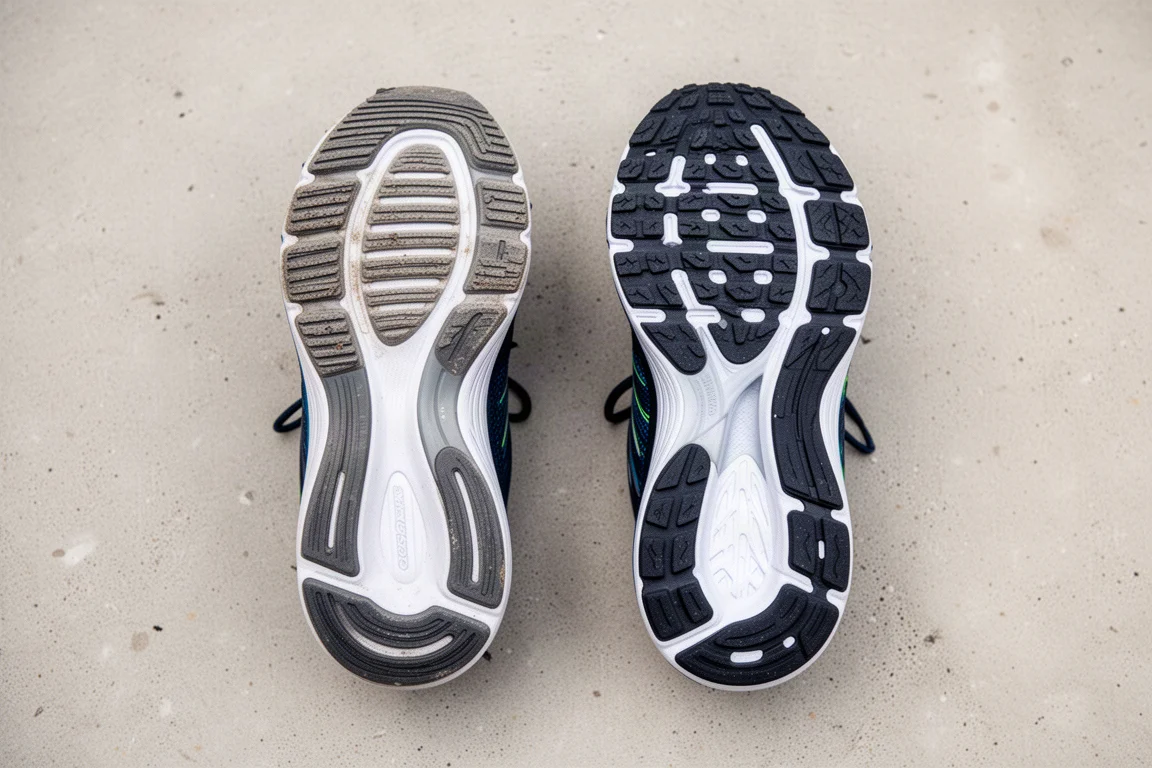
The most discussed aspect of the Mach 5 is the lack of an outsole, and at 150 miles the wear pattern is easy to read. The upper still looks close to fresh out of the box, and the colored foam shows little visible wear, but the outsole tells another story.
The heel area shows the heaviest scuffing: the outer heel zone is essentially completely flat, and a good amount of the original traction there has disappeared. The midfoot logo area is still intact, though some midfoot traction is also wearing down. Toward the front of the shoe, the toe-off zone is getting noticeably flat as well, while the pad of the foot and the areas around it are not too bad.
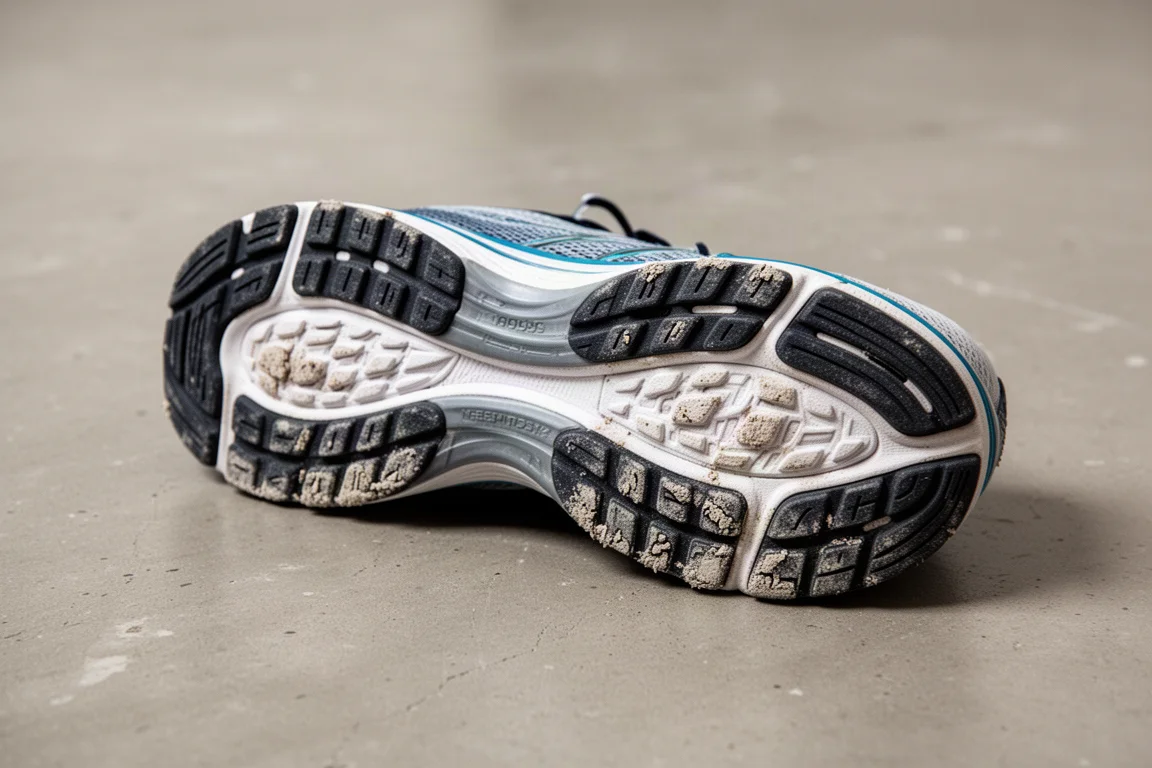
It is worth noting that this wear is partly a personal matter. A heel-dragging stride scuffs the back of the shoe even when mostly midfoot striking, so heavier heel wear is not universal. Still, the pattern is clear: the lateral heel takes the worst of it, and overall tread loss is significant at this mileage.
How the Foam Holds Up
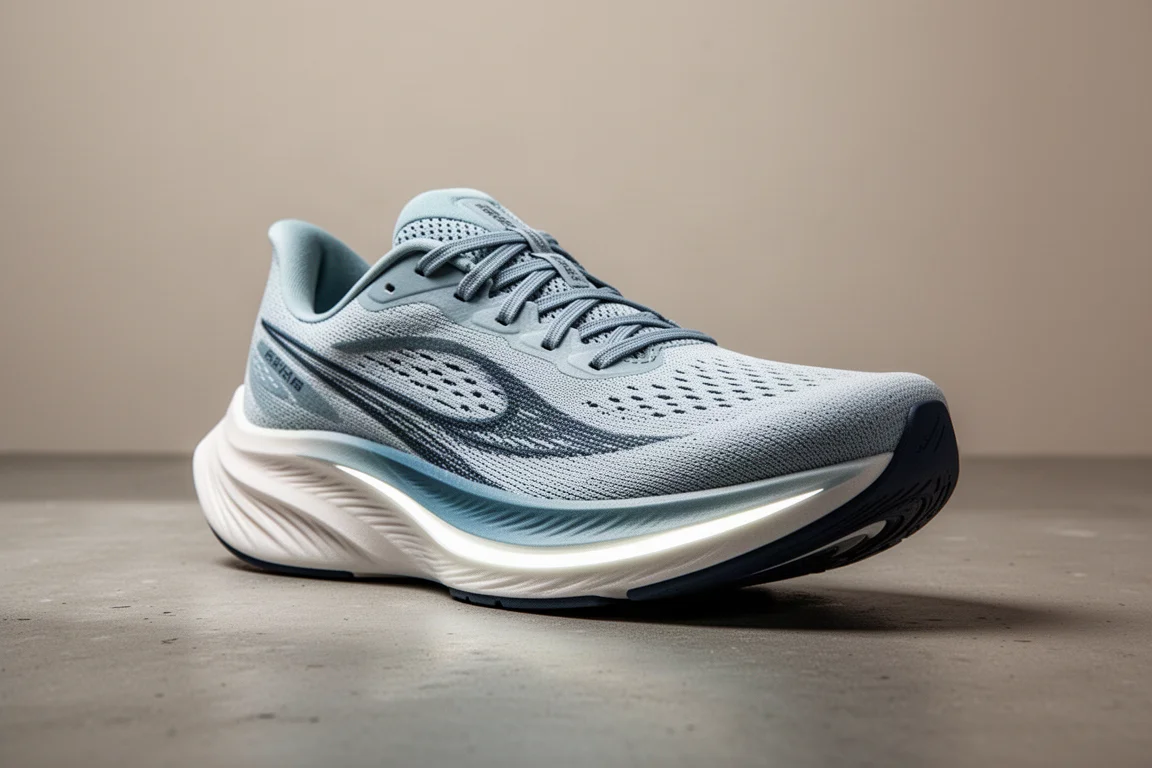
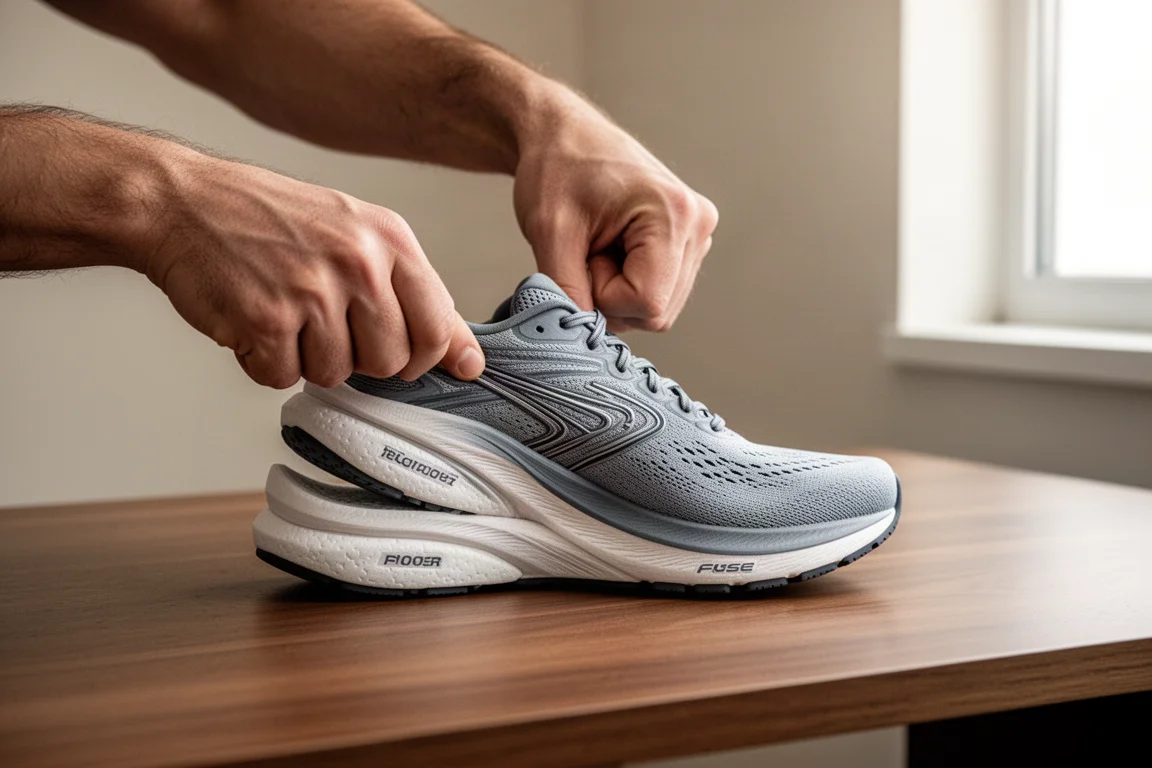
Out of the box, the Mach 5’s midsole is one of the best first impressions in recent memory. It uses a dual foam construction: the top layer is a supercritical EVA that feels softer and more responsive, while the bottom layer is standard EVA that is firmer and adds rigidity to the platform. Bend the shoe by hand and there is very little flex, because that lower layer keeps things structured.
After 150 miles, the picture is more mixed. On longer runs, the foam does not deliver nearly as much support toward the end of the effort. It is hard to say whether that is because the supercritical EVA starts degrading around the 150 to 200 mile mark or simply because the shoe’s modest stack does not offer much support to begin with. Either way, it is a shoe where foot fatigue becomes noticeable sooner than expected.
Long Run Comfort: Where the Mach 5 Struggles
This is the key issue. On a 16 mile long run in the Mach 5, discomfort in the bottom of the feet started around mile 11 or 12 and became severe by the end. The supercritical EVA may be fun and lively, but it does not have enough structure for extended distances.
For that reason, the Mach 5 is not really a shoe to take beyond roughly 10 to 12 miles for most runners. The Adizero SL fills that role better: it is a bit firmer, has a bit more stack height, and simply feels more comfortable in the closing miles of a long effort. Even with a similar number of miles on it, the Adizero SL’s outsole has lost essentially no traction at the heel.
Daily Trainer Appeal
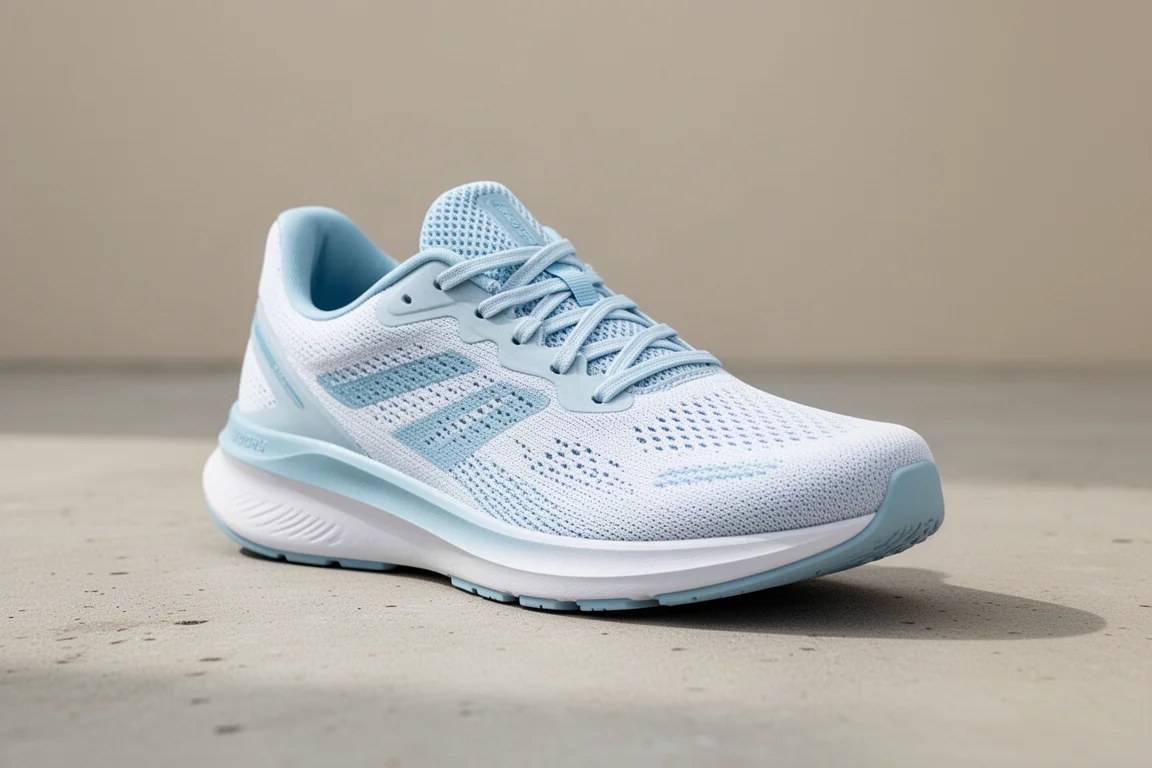
Where the Mach 5 shines is shorter, everyday running. It works well when the goal is to get out, move the legs, and keep the run under about 80 to 90 minutes. The trade-off is durability: without rubber, it will not survive daily use as long as a more traditionally built shoe, so expectations should match the design.
The realistic lifespan estimate is around 250 miles, possibly 300, based on how worn the outsole already is at 150 miles and how the foam is compressing. For runners whose long runs stay at or under 10 to 12 miles, the Mach 5 can still cover that job, but anything longer calls for a shoe with more support underfoot.
Which One Should You Pick
The two shoes complement each other more than they compete. Keep the Mach 5 for brisk daily runs under an hour and a half, where its lively feel is at its best, and rely on the Adizero SL for long runs and for longevity, thanks to its firmer platform, higher stack, and traction that barely fades over the same mileage.
Runners who want one shoe for everything, especially if long runs regularly exceed 12 miles, will be better served by the Adizero SL. Runners who rotate shoes and value a responsive daily trainer will get real enjoyment from the Mach 5 within its mileage limits.
Conclusion
After 150 miles, the verdict is straightforward. The Hoka Mach 5 is an excellent-feeling daily trainer with a clear durability ceiling: expect roughly 250 to 300 miles, keep long runs short, and enjoy it for what it does well. The Adidas Adizero SL is the more dependable all-arounder, holding its traction and its comfort far deeper into both its mileage and its individual runs. Matching each shoe to the right role is what makes this pair work.
Further reading
Related Reviews

Running Shoes
Best Road-to-Trail Running Shoes: Three Versatile Options for Mixed Terrain
A practical guide to three road-to-trail running shoes that handle both pavement and mild trails, with clear strengths and trade-offs for different runner types.

Running Shoes
Best Running Shoes for Achilles Tendonitis: Three Options Explained
Three running shoes with different heel drops and support features designed to help reduce Achilles tendon pain during walking and running.

Running Shoes
Best Running Shoes for Women: Five Top Choices Ranked
A ranked guide to five women's running shoes, from versatile daily trainers to high-performance racing options, with real strengths and trade-offs for each.