Running Shoes
Hoka Mach 5 First Run Review: A Softer, Smarter Daily Trainer
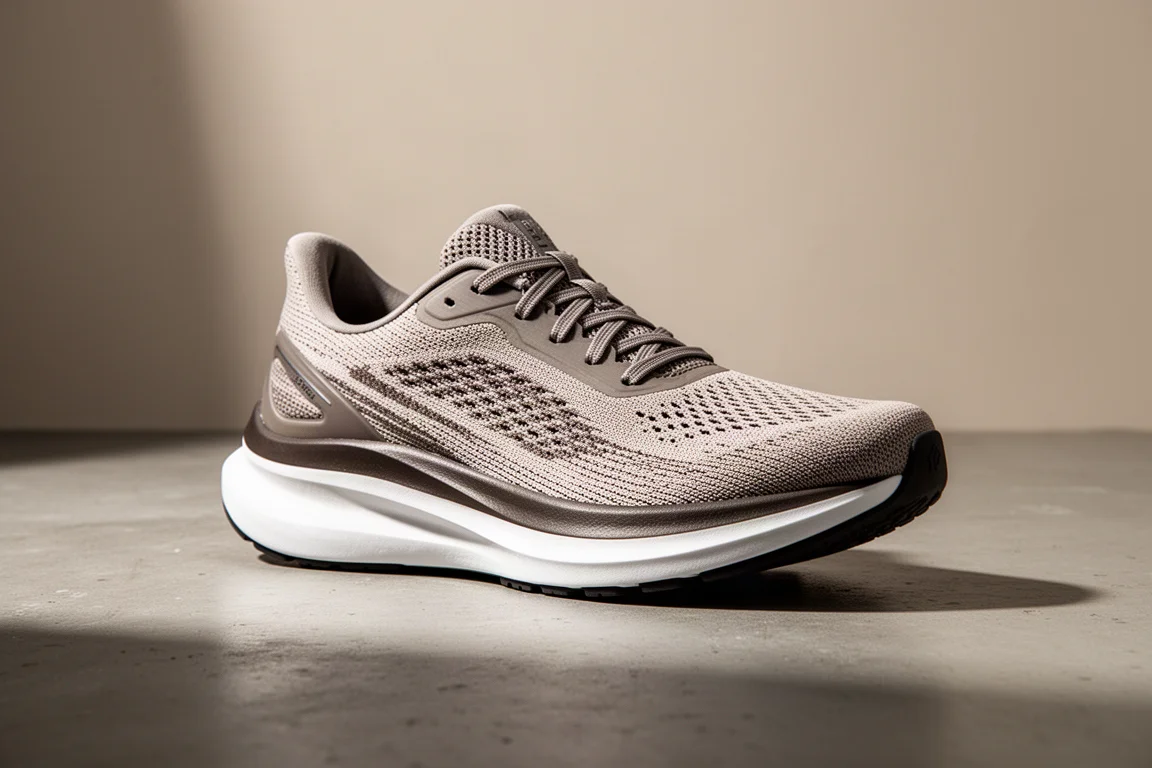
The Hoka Mach 5 blends the versatility of the Mach 4 with a slightly softer ProFly+ midsole, making it a strong pick for daily training that can still pick up the pace.
Introduction
The Hoka Mach 5 has been one of the most anticipated running shoe updates in recent memory. It succeeds the hugely popular Mach 4, a shoe that topped plenty of best-of lists thanks to its rare combination of daily-training comfort and genuine speed. Hoka also released the Mach Supersonic earlier as a firmer, speed-focused take on the formula, and many runners worried the Mach 5 would lean that way too. After a first 10K run at marathon training pace, the short version is this: the Mach 5 is actually a touch softer than the Mach 4, and that is very good news for anyone who wants one versatile shoe.
Key Specs and Price
In the US, the Hoka Mach 5 costs $140. It was not yet available in the UK at the time of testing, so there is no local price to quote. Men’s size 8 weighs in at 212 grams (7.5 ounces), and the heel-to-toe drop is 5 millimeters. It is worth noting that $140 is still a significant amount of money for a daily trainer, especially one with a midsole design that raises some durability questions, which we will come back to later.
What’s New in the Mach 5
The biggest change is an updated ProFly+ dual-density midsole. A softer layer sits in the middle of the shoe while the firmer rubberized outer layer handles responsiveness. Compared with the Supersonic, this foam feels noticeably softer here, and the midsole has slightly more volume even though the stack height stays the same. To keep weight in check, Hoka also trimmed the upper, adding a redesigned lay-flat tongue and longer laces than those on the Supersonic.

Ride Feel and First Run Impressions
The first run was a 10K at marathon training pace, and the shoe delivered exactly the kind of ride the Mach line is known for. The Mach 5 feels closer to the Mach 4 than to the firmer Supersonic, possibly even a little softer, and it absorbed impact more enjoyably over the course of the run. Pressing on the ProFly+ section of the midsole confirms it: there is more give here than in the Mach 4.
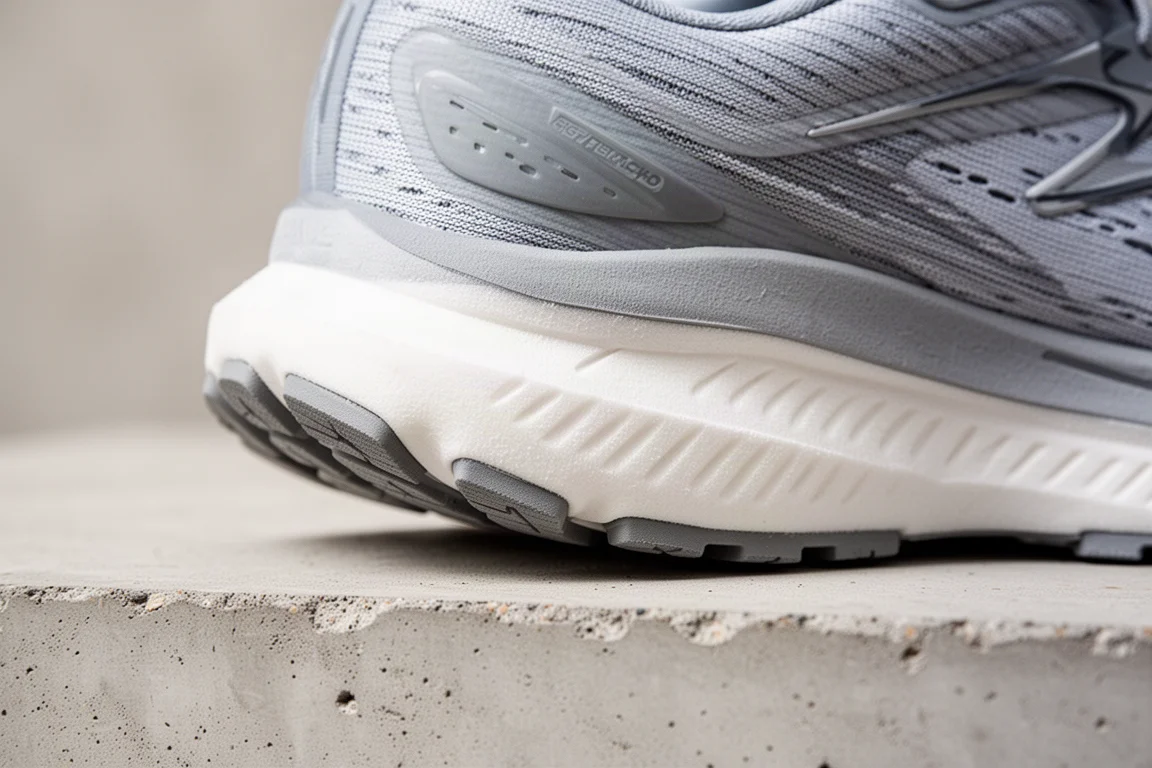
For base-pace and daily training miles, this is a clear improvement over the Supersonic, which lost some of that everyday versatility when it went firmer. It is not a dramatic overhaul, but the Mach 4 did not need one. The Mach 5 simply refines an already excellent formula, adding softness without giving up the ability to run faster when you want to.
Fit, Upper, and Everyday Details
As with most Hoka shoes, the fit runs a little narrow, so wide-footed runners should take that into account. The test pair felt slightly roomy up front, with extra space ahead of the big toe, but sizing down risks making the narrowness uncomfortable, so sticking true to size is the safer bet. Try them on if you can.
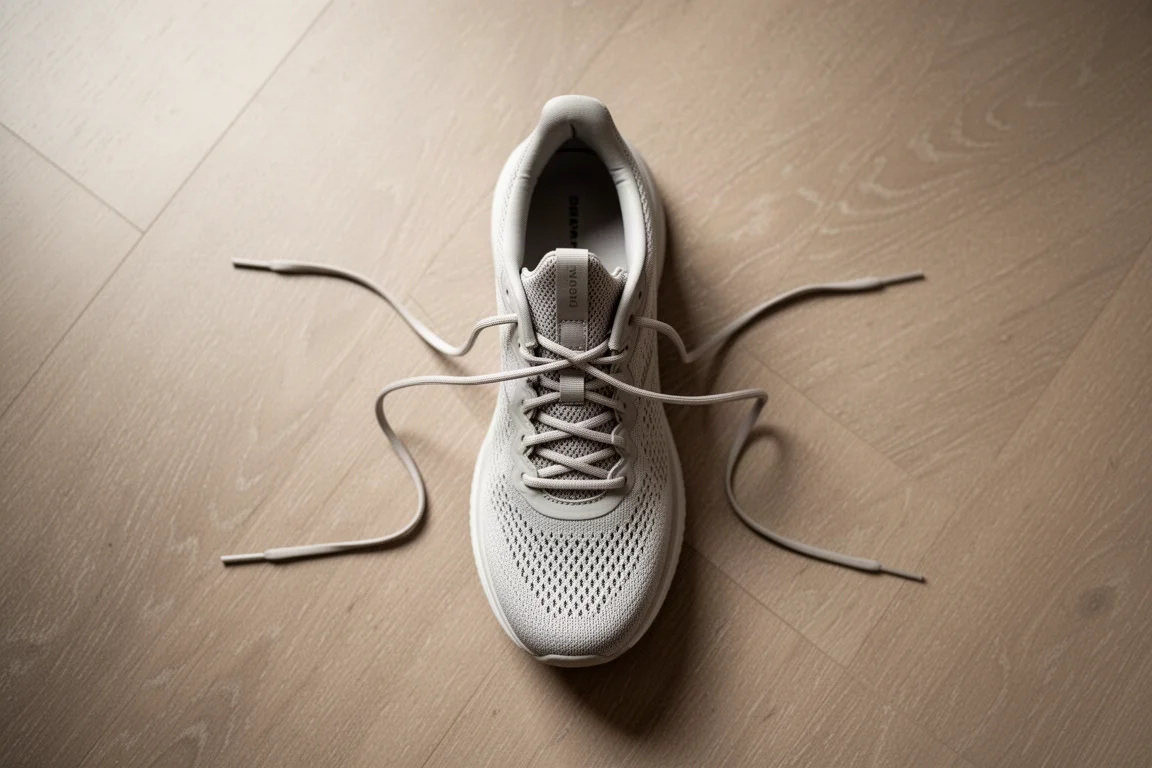
The upper itself is largely unchanged and remains a highlight: lightweight, breathable, with just enough structure, and well suited to faster running where airflow matters. Two details divide opinion, though. The tongue is now much thinner than on both the Mach 4 and the Supersonic, presumably to save weight, and runners who like some padding there may miss it. The laces are also very long, long enough to risk touching the ground while running, and swapping them for a shorter pair is an easy fix.
Things to Consider Before Buying
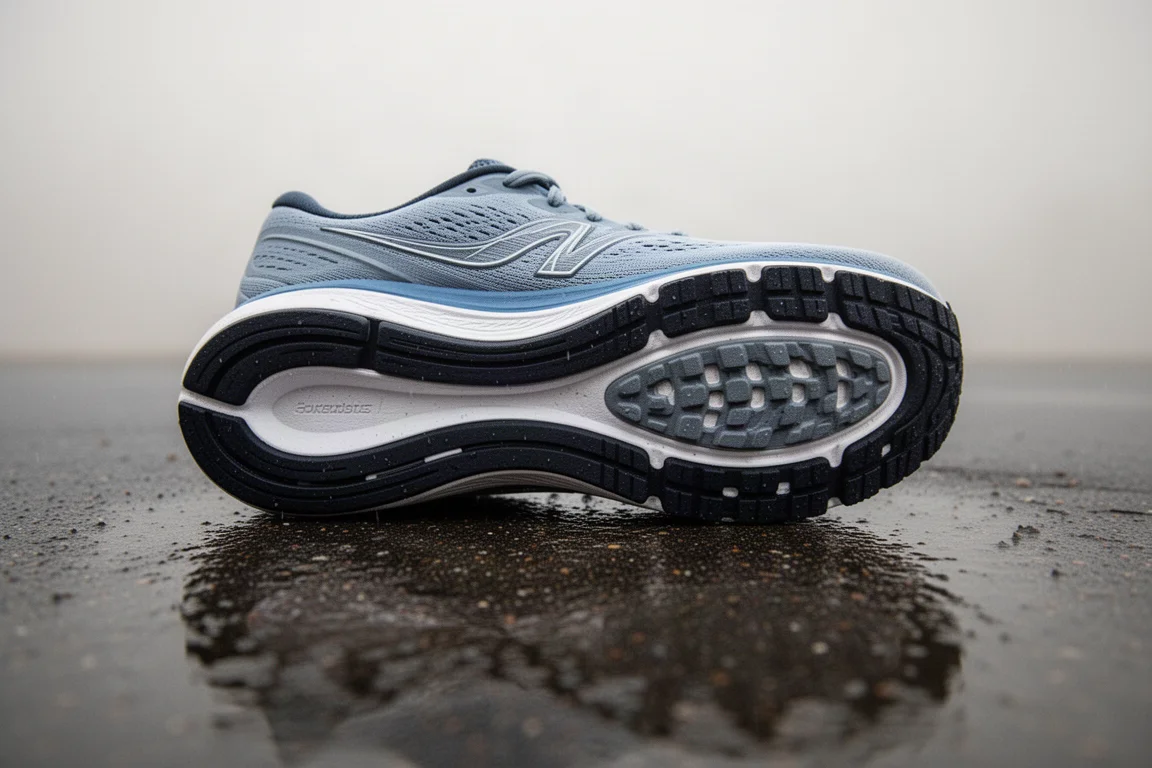
The rubberized outsole is not a traditional rubber covering; it is more like a firmer midsole compound that contains rubber. It worked fine on previous versions, but there are durability concerns raised about the Mach 4 for the same reason: the surface simply is not as protective as a proper rubber outsole. Not enough miles have been logged in the Mach 5 to confirm or dismiss those worries, so it is something to keep an eye on rather than a confirmed problem.
Alternatives and Buying Advice
The Saucony Ride 15 targets a similar space: a daily trainer that can also handle faster efforts. It offers comparable comfort for everyday miles but is not as versatile overall, and the Mach 5 is the better pick for daily training that skews toward speed. Another smart option is the Mach 4 itself, which can still be found considerably discounted, under £80 in some places. Since the differences between the Mach 4 and Mach 5 are minimal for most runners, a discounted Mach 4 is a very reasonable alternative if you can find your size.
Conclusion
The Hoka Mach 5 is a welcome update to both the Mach 4 and the Supersonic. It restores the softer, versatile daily-training feel that made the Mach 4 special, adds a touch more cushioning, and keeps everything that worked: a breathable upper, a light 212-gram build, and a 5-millimeter drop. The thin tongue, long laces, and unresolved durability questions are worth weighing against the $140 price, but as a first impression, this is a shoe that makes versatile daily miles feel great again.
Product link
View more details for Hoka Mach 5
This product is mentioned in the review. Check the specifications, options, and compatibility before buying.
View more details for Hoka Mach 5Further reading
Related Reviews

Running Shoes
Best Road-to-Trail Running Shoes: Three Versatile Options for Mixed Terrain
A practical guide to three road-to-trail running shoes that handle both pavement and mild trails, with clear strengths and trade-offs for different runner types.

Running Shoes
Best Running Shoes for Achilles Tendonitis: Three Options Explained
Three running shoes with different heel drops and support features designed to help reduce Achilles tendon pain during walking and running.

Running Shoes
Best Running Shoes for Women: Five Top Choices Ranked
A ranked guide to five women's running shoes, from versatile daily trainers to high-performance racing options, with real strengths and trade-offs for each.