Running Shoes
Hoka Mach 5 After 100 Miles: A Durable Daily Trainer Worth a Second Look
We look at how the Hoka Mach 5 holds up after 100 miles of everyday running, including long-term durability, comfort, fit, and who it is best suited for.
Introduction
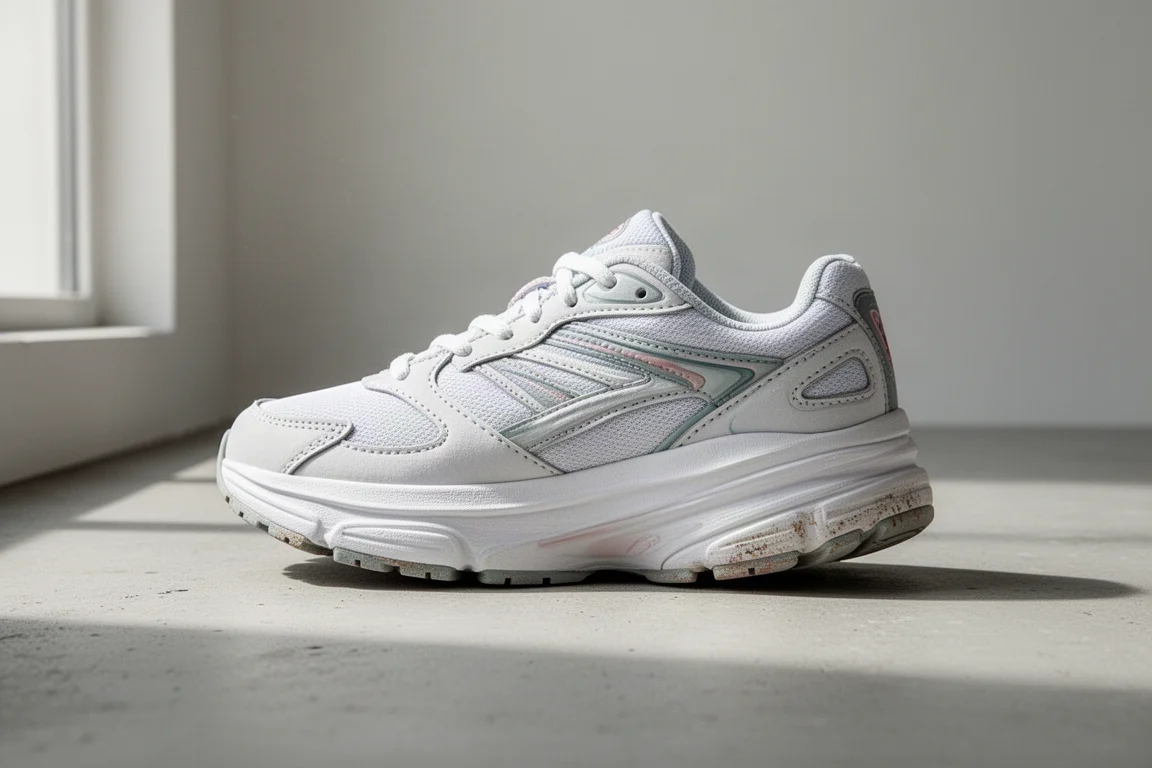
The Hoka Mach 5 earned a spot among the top daily trainers shortly after launch, and the bigger question is how it holds up once the newness wears off. With no rubber on the outsole, many runners wonder whether the shoe simply wears away too quickly to be worth the investment. After 100 miles of varied running, the short answer is that it holds up better than the spec sheet suggests.
Who This Product Is For
The Mach 5 is a classic daily trainer. It covers just about every type of run: easy runs, long runs, recovery days, strides, and even speed workouts. It has also handled non-technical trail use reasonably well, staying comfortable even off the pavement. If you want one shoe that can do a bit of everything without feeling sluggish or overly firm, this sits squarely in that category.
How the Mach 5 Fits Into Everyday Training
Versatility is the strongest argument for the Mach 5. It is light enough to feel nimble on quicker days, cushioned enough for easy mileage, and the look works well enough that many runners will happily wear it as a travel or everyday shoe. Runs up to 20 miles have gone well in it, which is a good sign for a trainer that is not specifically built as a long-run shoe.

One thing worth flagging is the fit. It leans a bit voluminous. The distance between the lace sides is narrow, which causes some puckering at the corners, and the overall shape can feel a touch big for some feet. That said, the roomy toe box is a genuine plus for easy days, recovery runs, and long slow distance where your toes appreciate the space.
Midsole and Ride Feel
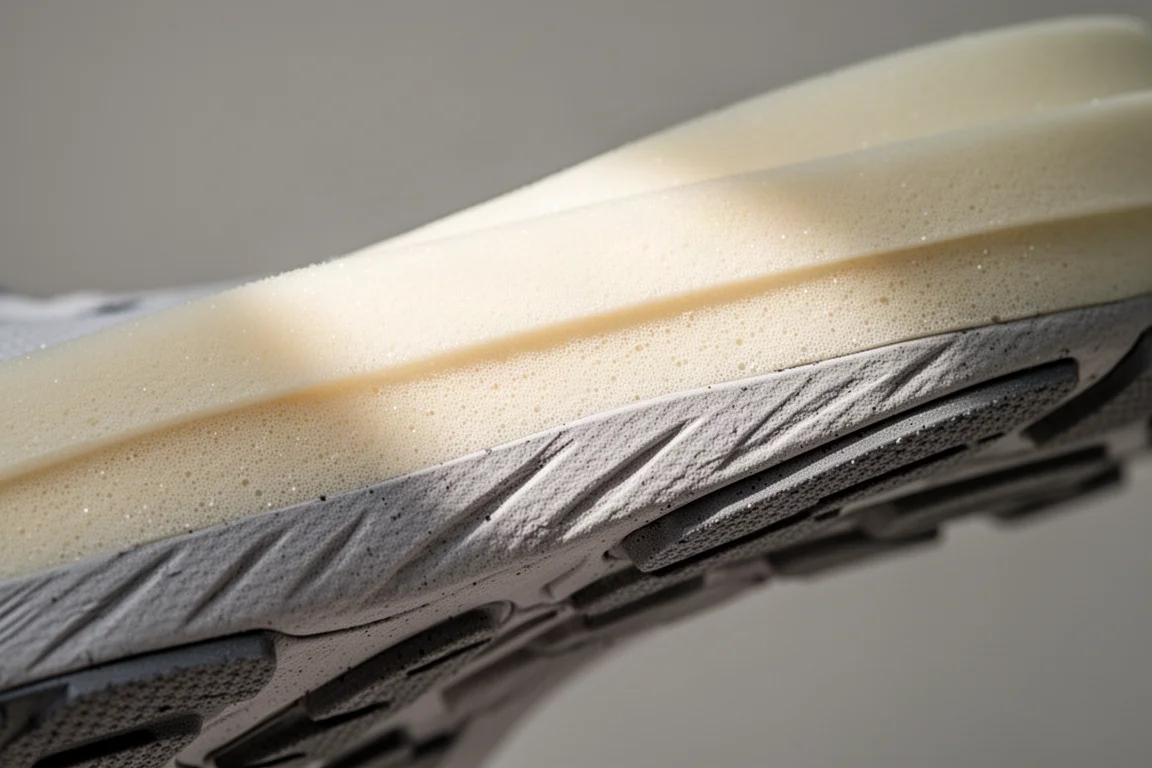
Hoka updated the Profly midsole on this version. The two-foam construction remains, but the top layer is now a super critical EVA that feels squishy with a quick response, while the rubberized EVA layer beneath adds a more responsive feel and provides all of the tread and traction underneath. The combination produces a ride that feels lightweight, cushioned, and snappy, so the shoe never feels bogged down.
Durability After 100 Miles
This is where the shoe raises eyebrows. There is no traditional rubber outsole protecting the midsole from wear, so at 100 miles the outsole shows more wear than a rubber-soled trainer would. The important part is what matters in practice: the responsiveness and squishiness that make the shoe fun are still there at the 100-mile mark. It is neither a major traction problem nor a major durability problem in this use.
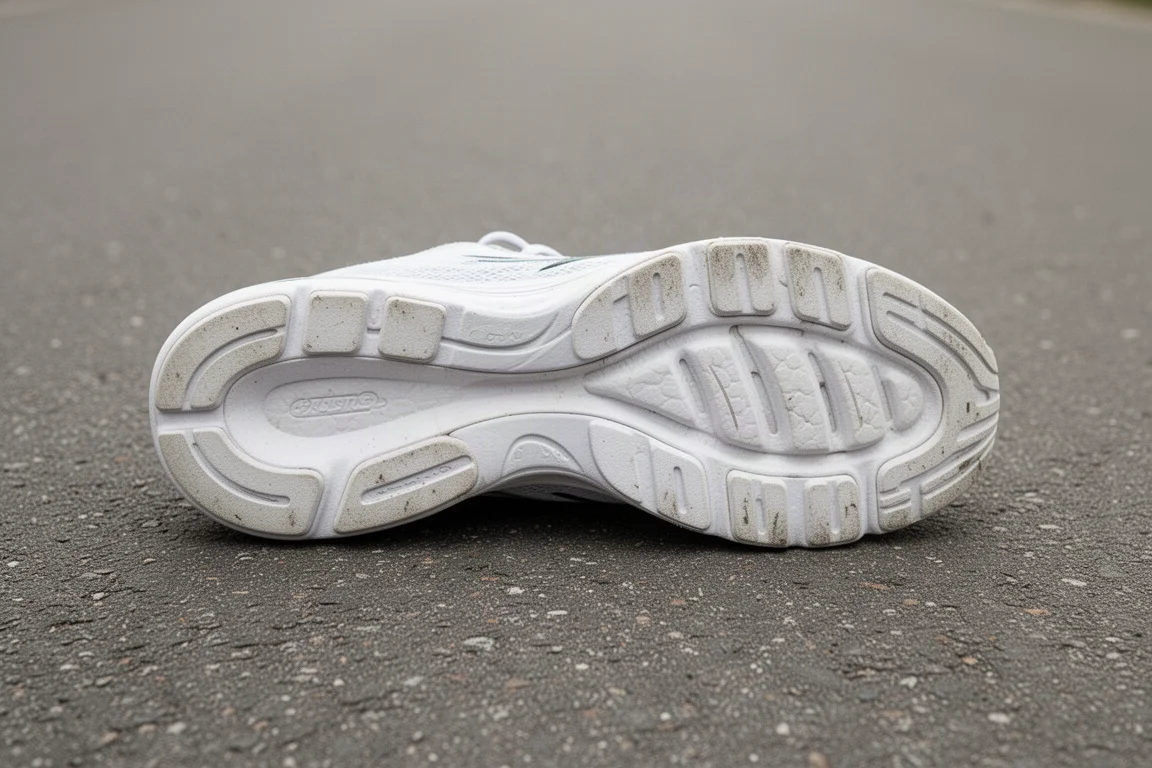
Your mileage will vary based on terrain, gait, and body size, all of which affect longevity. A sensible rule of thumb is to start shopping for a replacement around the 250 to 275 mile mark. By that point the outsole will look visibly worn, but there should still be plenty of usable surface and decent traction for the whole expected life of the shoe.
The upper, in contrast, holds up exceptionally well. Hoka upper construction has been consistently solid, and nothing here suggests the materials are close to failing. The one caveat is cosmetic: a light-colored pair taken onto trails will not stay pristine, though it just ends up looking well-loved.
Things to Consider Before Buying
- The fit is roomy and slightly voluminous, which may or may not suit your foot shape.
- The lack of rubber outsole means more visible wear early, even if the ride holds up.
- Sales were still strong at the time of testing, so discounts on this version were harder to find than on older models.
Buying Advice
For a daily trainer like this, the usual advice is to grab last year’s version at a steep discount. But the previous Mach version has become hard to find, and deals on the Mach 5 itself were not showing up yet either. If you can find either at a discount, it is a solid pickup. If you want a shoe that is a bit more peppy in the Hoka lineup than a Clifton, the Mach 5 is a very reasonable choice.

If you are cross-shopping, two shoes sit naturally alongside it in feel: the New Balance Rebel version 3, which is a little lighter and sits lower to the ground with a bit less cushion, and the Nova Blast 3, which goes the other direction with even more cushion. Those three together form a sensible shortlist of daily trainers. If you plan to pair the Mach 5 with a race day shoe, the Saucony Endorphin Pro 3 is a good match, thanks to its thick super foam forefoot stack with a carbon plate for a snappy experience. For trail use, the Hoka Speedgoat 5 shares a similar overall sensation on softer ground.
Conclusion
After 100 miles, the Hoka Mach 5 remains a comfortable, versatile, and fun daily trainer. The outsole wears faster visually than a rubber-soled shoe, but the ride, traction, and upper have all held up well. For runners who want one shoe to handle easy days, long runs, and light workouts, and who are comfortable shopping for a replacement around the 250 to 275 mile mark, the Mach 5 is a confident pick.
Product link
View more details for Hoka Mach 5
This product is mentioned in the review. Check the specifications, options, and compatibility before buying.
View more details for Hoka Mach 5Further reading
Related Reviews

Running Shoes
Best Road-to-Trail Running Shoes: Three Versatile Options for Mixed Terrain
A practical guide to three road-to-trail running shoes that handle both pavement and mild trails, with clear strengths and trade-offs for different runner types.

Running Shoes
Best Running Shoes for Achilles Tendonitis: Three Options Explained
Three running shoes with different heel drops and support features designed to help reduce Achilles tendon pain during walking and running.

Running Shoes
Best Running Shoes for Women: Five Top Choices Ranked
A ranked guide to five women's running shoes, from versatile daily trainers to high-performance racing options, with real strengths and trade-offs for each.