Running Shoes
Hoka Mach 5 After 300 Miles: A Durability Deep Dive
How the Hoka Mach 5 held up after 300 miles of running, including outsole wear, foam condition, and whether it is still worth buying.
Introduction
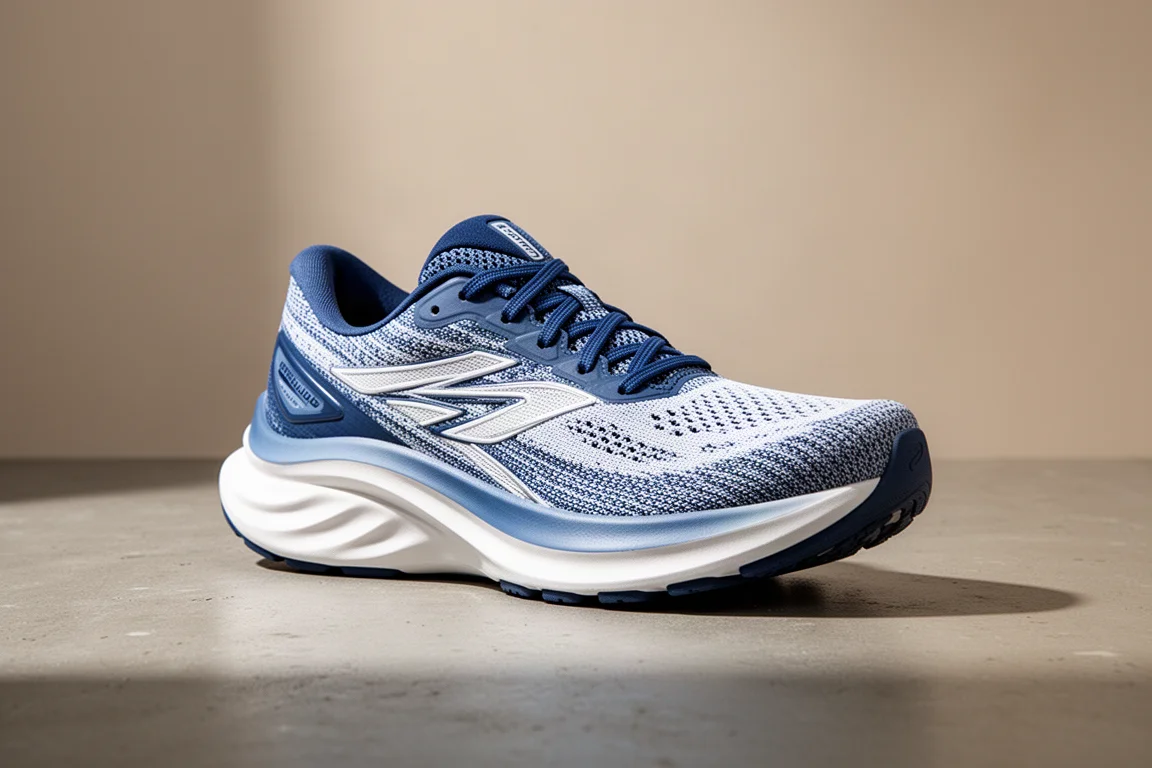
The Hoka Mach 5 is not a shoe with a reputation for durability. There is no rubber outsole, the foam is exposed on the bottom, and many runners report it breaking down somewhere between 200 and 250 miles. So getting 300 miles out of a pair felt like a genuine surprise, especially given how I run. I am a heel striker with a cadence around 170, I am 6’2”, and I put a lot of force through my shoes. I typically retire pairs at the 300 mile mark, and heavier, less careful runners usually wear shoes out faster than the average.
This deep dive covers how the shoe held up across three areas: the upper and build quality, the midsole foam, and the outsole that everyone warns you about.
Ride Experience and Versatility
Out of the box, the defining feature is the dual-layer midsole. The top layer of ProFly+ supercritical EVA is very soft but also nicely bouncy, and it sits on a bottom layer of firmer EVA. That combination produces a ride that covers an unusually wide range. I used this shoe for slow recovery miles at around 10 minutes per mile, and I also ran mile repeats at a 5:20 pace in it, and it handled both beautifully.
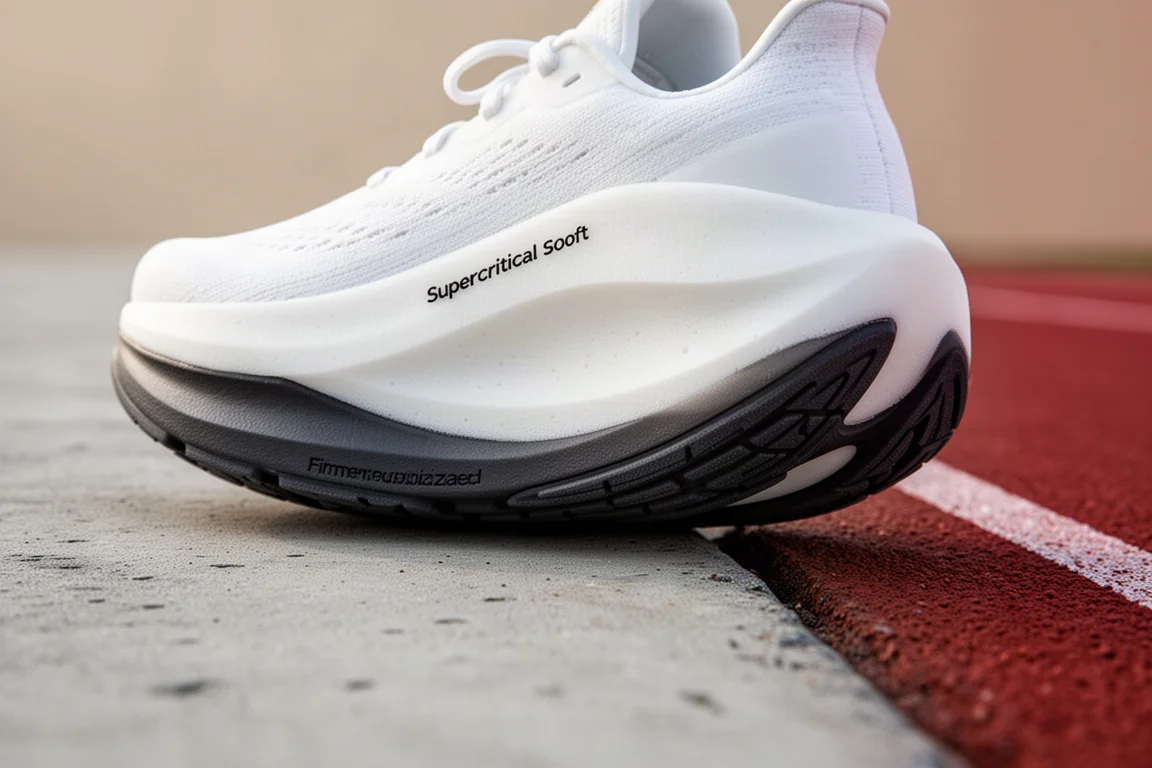
I have taken it on 16 mile long runs, tempo sessions, and everything in between, and there was no run type it could not handle. The one real weakness showed up in the last 30 minutes of two-hour long runs, where the foam started to feel like it was bottoming out a little. That was true when the shoe was fresh, too, so it is a design characteristic rather than a wear issue.
Upper and Build Quality After 300 Miles
After 300 miles, the upper looks almost brand new. There is minimal wear and tear, only slight discoloration in one spot, a little dirt from rubbing and mud kick-up, and nothing else worth flagging. The laces show very little discoloration and the tongue is in good shape too.
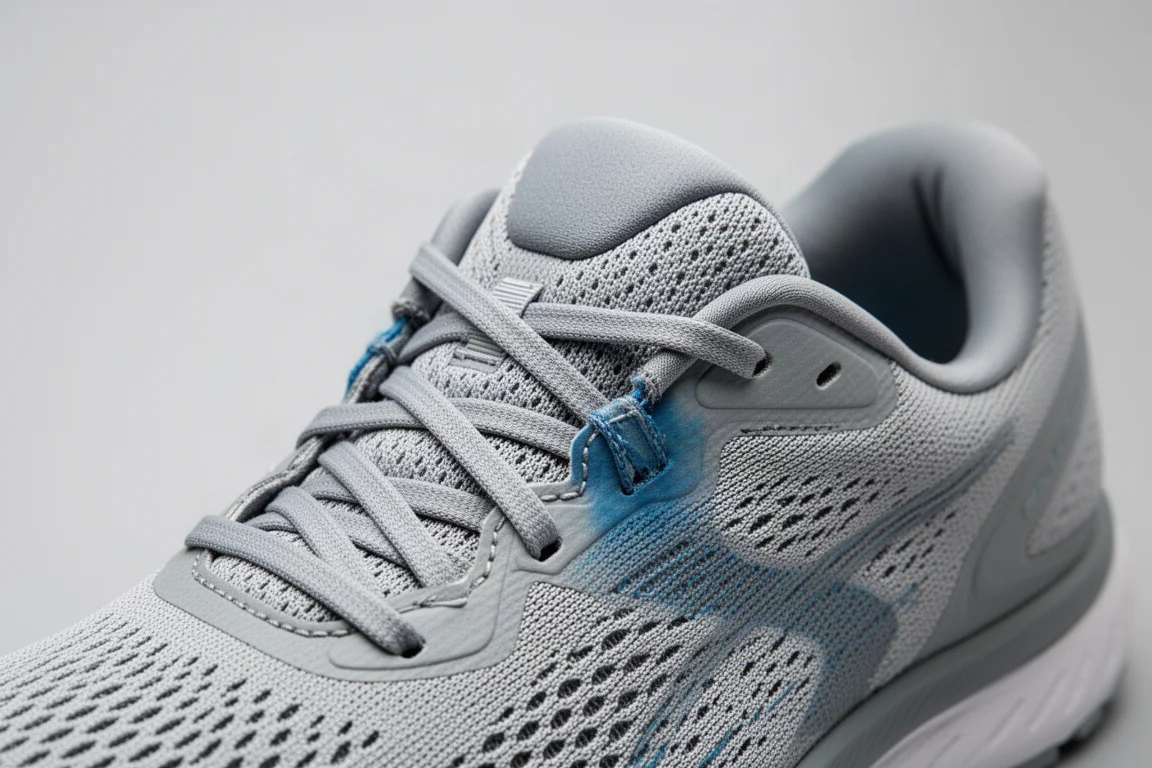
Two small build-quality notes stand out. First, the blue dye used on part of the upper bled slightly, with a little of the color transferring to the laces in places. It is minor, but worth knowing about. Second, and more impressively, the printed applications on the inside of the shoe have not rubbed off at all. On many other shoes, anything printed inside is completely gone by 150 to 200 miles. Despite the reputation Hoka sometimes has for build quality, the upper and all of its applications held up really well here.
Midsole Condition After 300 Miles
The midsole is where the durability story gets interesting. The ProFly+ supercritical EVA top layer shows very little creasing or wear for a shoe at this mileage. There is some crinkling on the inside edge, but far less than I have seen on other shoes at 300 miles. The firmer rubberized EVA bottom layer shows essentially no crinkling or creasing at all.
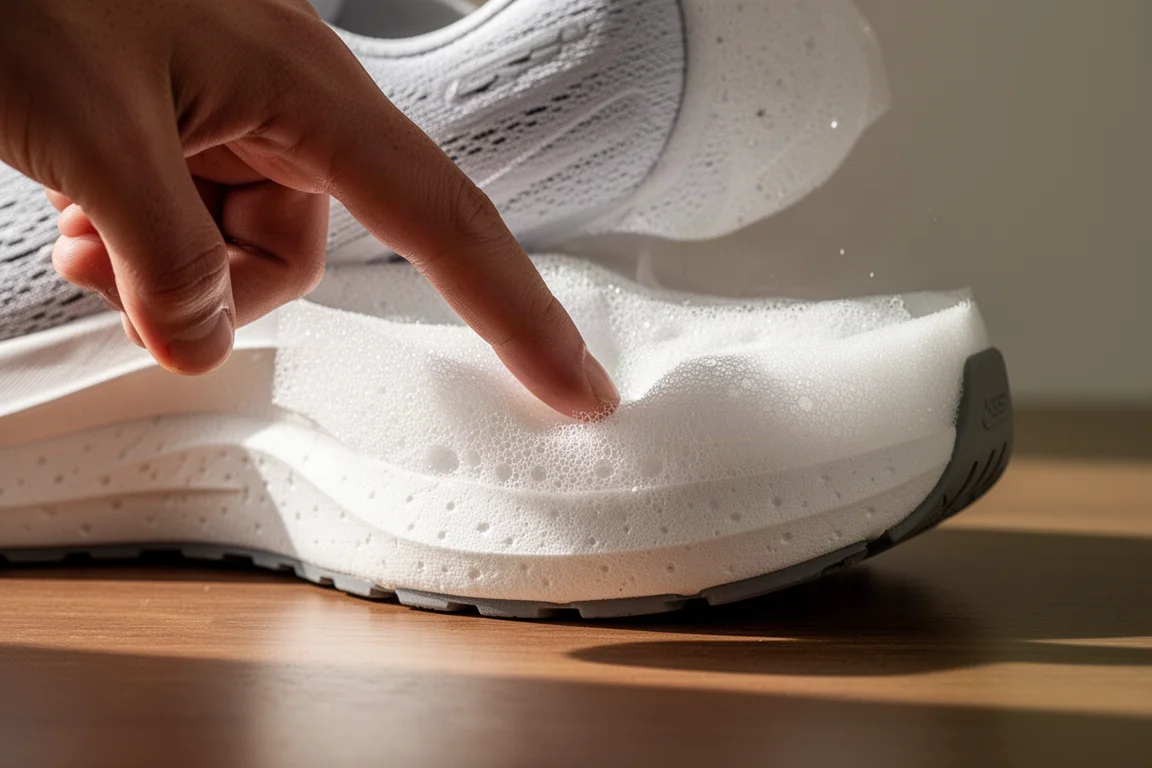
One factor likely helped: I did not run this shoe every single day. It went through stretches of three to five runs per week, then rested in my rotation, including a couple of weeks after a half marathon where I ran it only once. That rest almost certainly let the foam rebound. The firmer bottom layer also acts as a buffer between the soft ProFly+ and the ground, which seems to protect the softer foam better than in shoes with soft foam sitting closer to the road.
In terms of ride feel, the foam still performs well for anything under about 10 miles. On longer efforts of 16-plus miles, though, I want more support and more foam underfoot, and this shoe gives me a bottoming-out feeling instead. If you want a similar rocker-geometry shoe that holds up better at the end of long runs, the Saucony Triumph is a reasonable alternative, though it has a higher 10mm drop and a firmer finish to long runs, which I actually prefer over the bottoming-out feel here.
The Outsole: The Weak Point
This is the part everyone waits for, and it is where the shoe shows its age most dramatically. The original outsole pattern at the heel is completely worn away, and I have actually sliced a straight line through the back of the shoe, wearing roughly one to two millimeters into the lower foam layer. The forefoot is worn down as well, though more of the original pattern survives there, including the crossing lines, some dots on the midfoot, and even part of the branding.
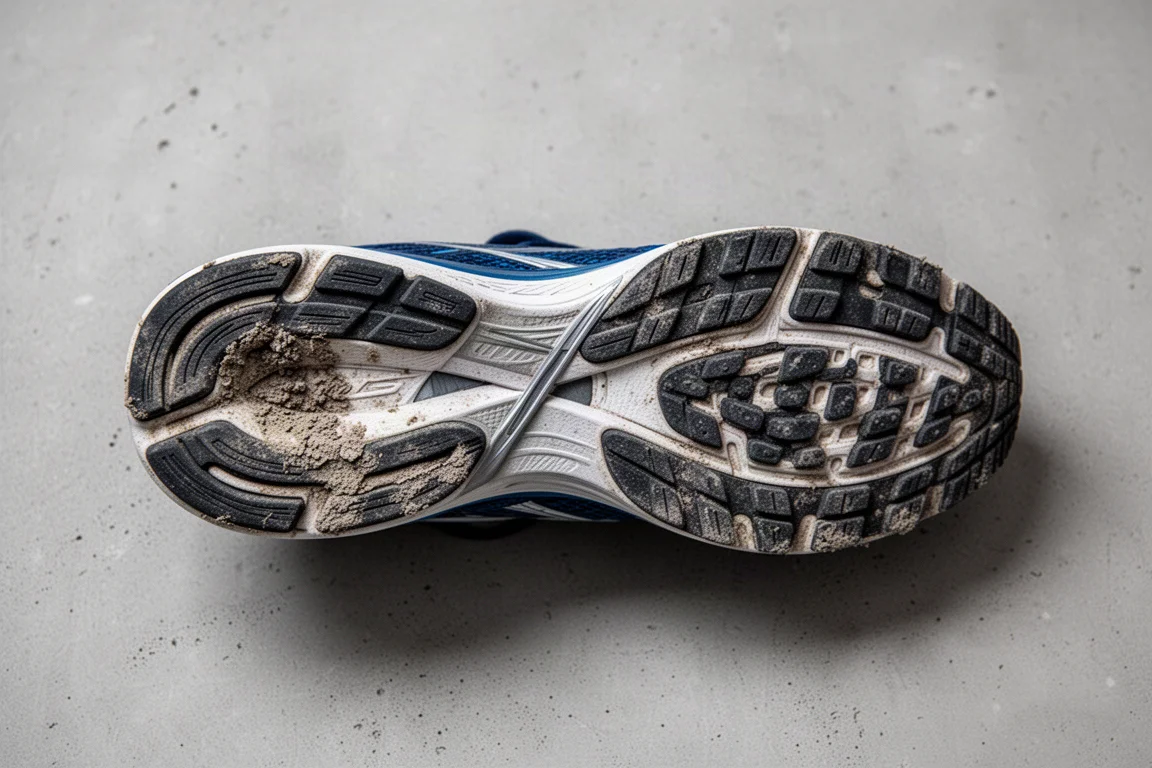
Running on outsoles worn to this degree, one to two millimeters, can start to affect mechanics, but I have logged another 30 to 40 miles in this state with no odd sensations or issues. Partly, one of the main landing zones is right where the wear hole sits, so pressure passes through that area rather than directly into the ground, and the shoe still feels similar to how it did out of the box.
How Much Longer Will It Last?
The foam itself could plausibly last 500 to 600 miles if it had a durable outsole protecting it. Without one, the white lower foam will start wearing into the orange ProFly+ layer soon, so I expect to retire the shoe somewhere within the next 100 to 120 miles. I am aiming to see if it can reach 400. Along with the Saucony Triumph, this has been one of the most durable midsole foams I have tested.
At $140, I am happy with the value. For comparison, I could not take the Saucony Endorphin Speed 3 past 300 miles: its PEBA-based foam started degrading and turned firm and less bouncy, and its rubber outsole was far worse. This shoe, with no rubber outsole at all, still delivered more usable life than its plated competitor.
Buying Advice
If you want one versatile do-it-all shoe for daily training, tempo runs, and shorter long runs, the Mach 5 is an easy recommendation. It also doubles well as a travel shoe, a casual shoe, and even a walking shoe, and Hoka’s current profile makes it an easy shoe to wear off the run. I do not usually buy the same shoe twice, but this is one I would consider picking up again, particularly on a good deal. Just go in knowing the outsole is the limiting factor and plan your expectations around a realistic lifespan that can extend to 300 miles or beyond with rotation and rest, but will likely not stretch far past that.
Conclusion
The Hoka Mach 5 defied its durability reputation in my use, reaching 300 miles with an upper and midsole in impressive condition and an outsole that is the shoe’s only genuine weak point. If you rotate your shoes, run a mix of paces, and want a genuinely versatile trainer, this is a shoe worth serious consideration, provided you accept that the exposed foam outsole will eventually force retirement.
Product link
View more details for Hoka Mach 5
This product is mentioned in the review. Check the specifications, options, and compatibility before buying.
View more details for Hoka Mach 5Further reading
Related Reviews

Running Shoes
Best Road-to-Trail Running Shoes: Three Versatile Options for Mixed Terrain
A practical guide to three road-to-trail running shoes that handle both pavement and mild trails, with clear strengths and trade-offs for different runner types.

Running Shoes
Best Running Shoes for Achilles Tendonitis: Three Options Explained
Three running shoes with different heel drops and support features designed to help reduce Achilles tendon pain during walking and running.

Running Shoes
Best Running Shoes for Women: Five Top Choices Ranked
A ranked guide to five women's running shoes, from versatile daily trainers to high-performance racing options, with real strengths and trade-offs for each.