Running Shoes
Hoka Mach 4 vs Hoka Rincon 3: Two Lightweight Daily Trainers Compared
Two of Hoka's lightest and most versatile daily trainers go head to head on cushioning, fit, stability, durability, and value.
Introduction
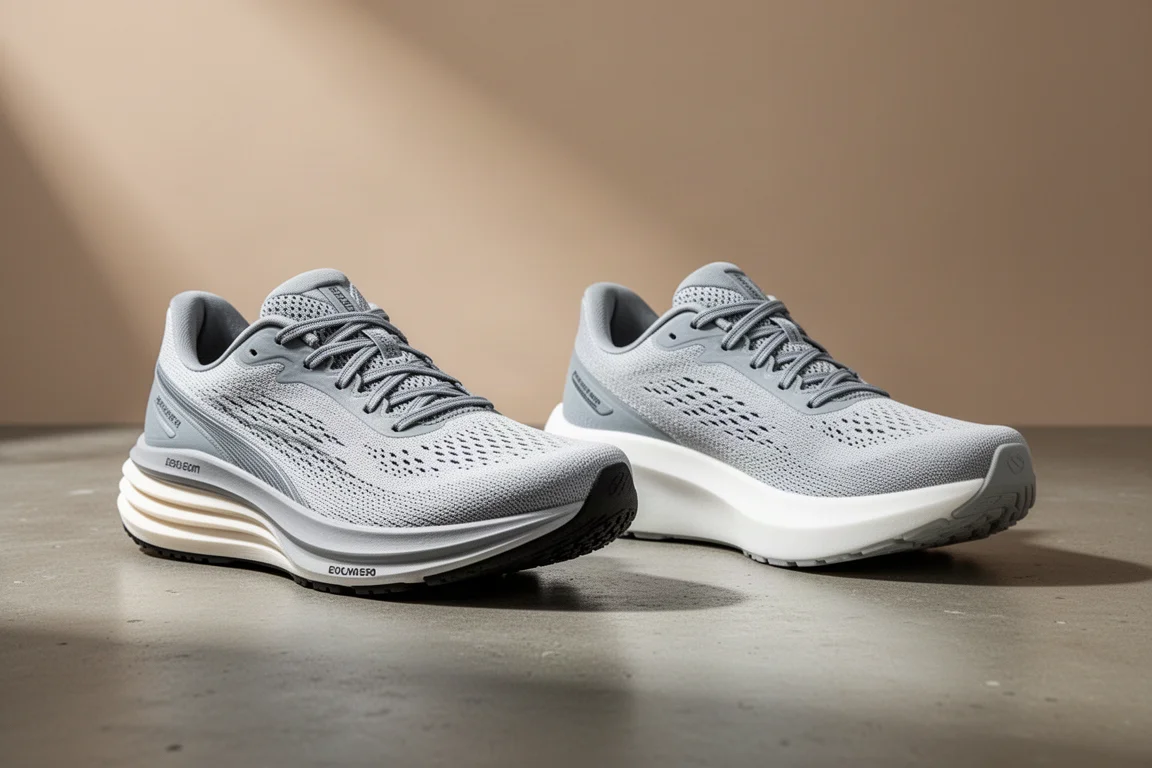
The Hoka Mach 4 and the Hoka Rincon 3 look similar on paper, and in many ways they are. Both are lightweight, versatile trainers that work for everything from easy recovery jogs to faster sessions and race day. But they differ in cushioning construction, fit, stability, durability, and price, and those differences shape which shoe suits which runner.
Hoka Mach 4: Overview
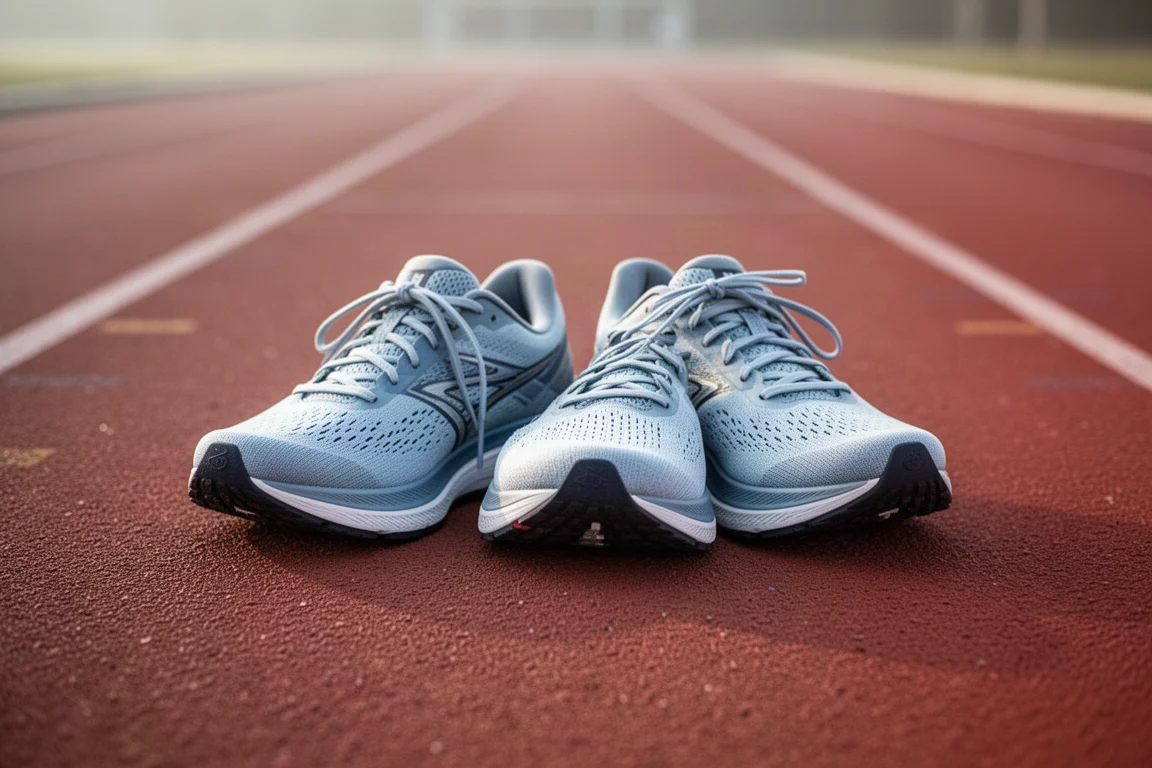
The Mach 4 costs 125 pounds or $130, weighs 236 grams (8.3 oz), and has a 5 mm drop. It is a daily trainer designed to feel soft and bouncy, whether you are logging comfortable training miles or pushing the pace. The ProFly midsole aims for a light, responsive feel, while the rocker geometry helps propel the foot forward for a fluid transition. A rubberized EVA outsole covers the midsole for added responsiveness and protection, and the thin engineered mesh upper breathes well with a removable EVA sockliner.
Hoka Rincon 3: Overview
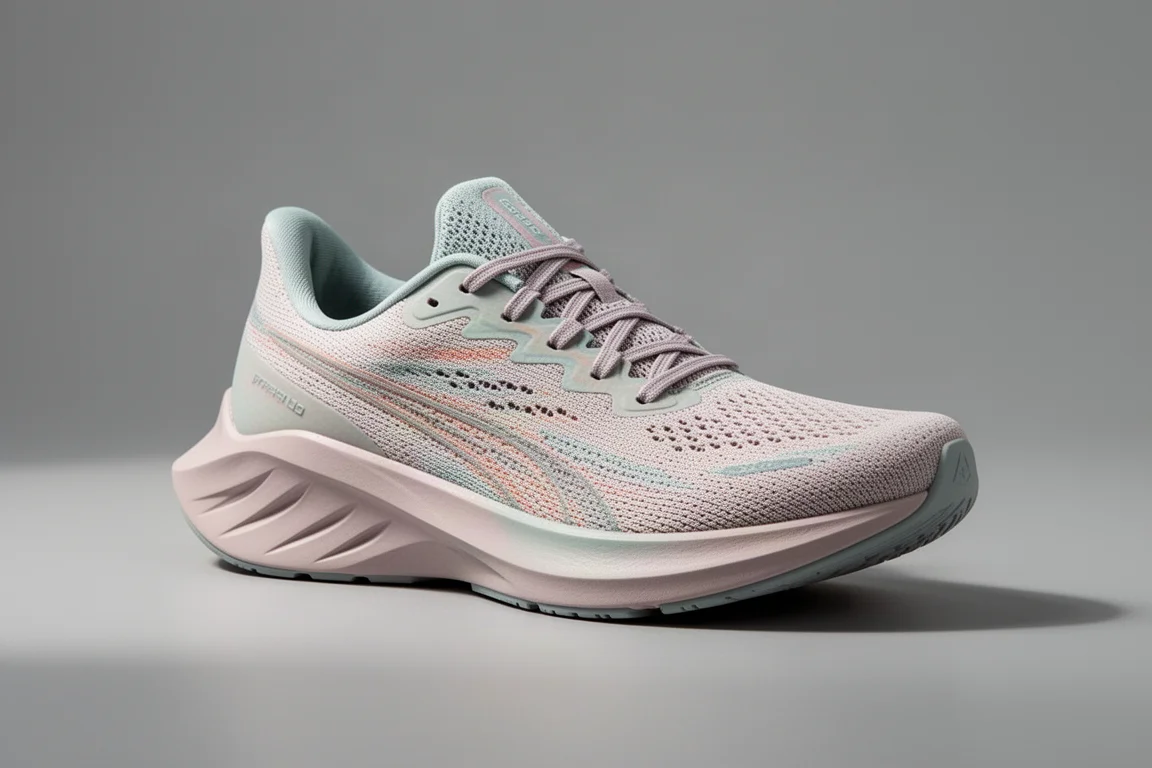
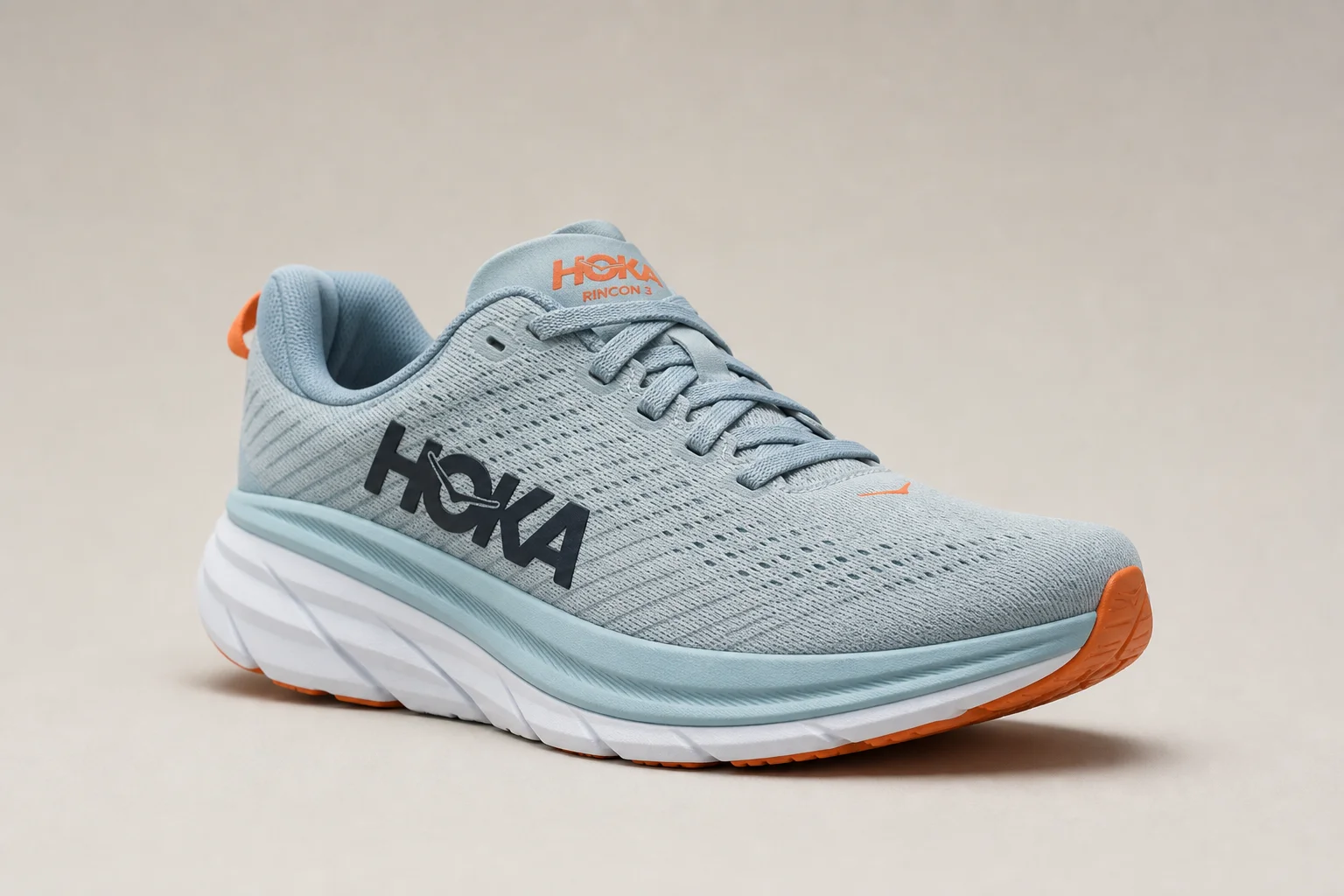
The Rincon 3 costs 105 pounds or $115, weighs a feathery 203 grams (7.2 oz), and also has a 5 mm drop. It is built around a generous slab of EVA midsole cushioning while staying surprisingly light. This version adds a new vented mesh upper that saves weight over the Rincon 2, along with a thinner tongue, an early-stage meta rocker for efficiency, high-abrasion rubber zones to protect the EVA foam, and an accentuated heel pull tab.
Midsole and Cushioning
This is where the two shoes diverge most. The Mach 4 uses a dual-layer midsole: a ProFly foam layer running the full length of the shoe, tuned softer at the heel for a cushioned landing and firmer at the forefoot for better toe-off when running faster. On top sits a rubberized midsole foam that keeps the ride balanced and responsive without adding weight, and it adds durability over the lighter ProFly layer.
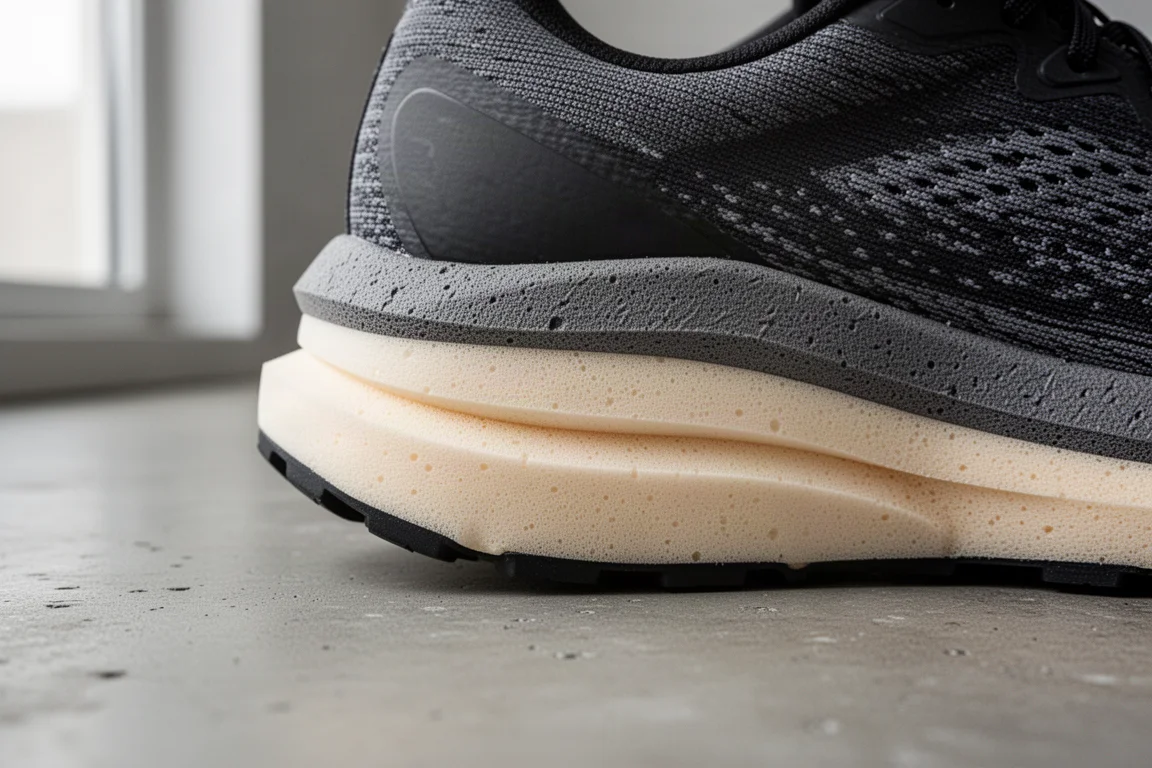
The Rincon 3 keeps things simpler with a single block of EVA midsole foam and only a small amount of rubber coverage. That simplicity is part of why it feels lighter and bouncier, but it also explains its durability problem, which we cover below.
Fit and Lockdown
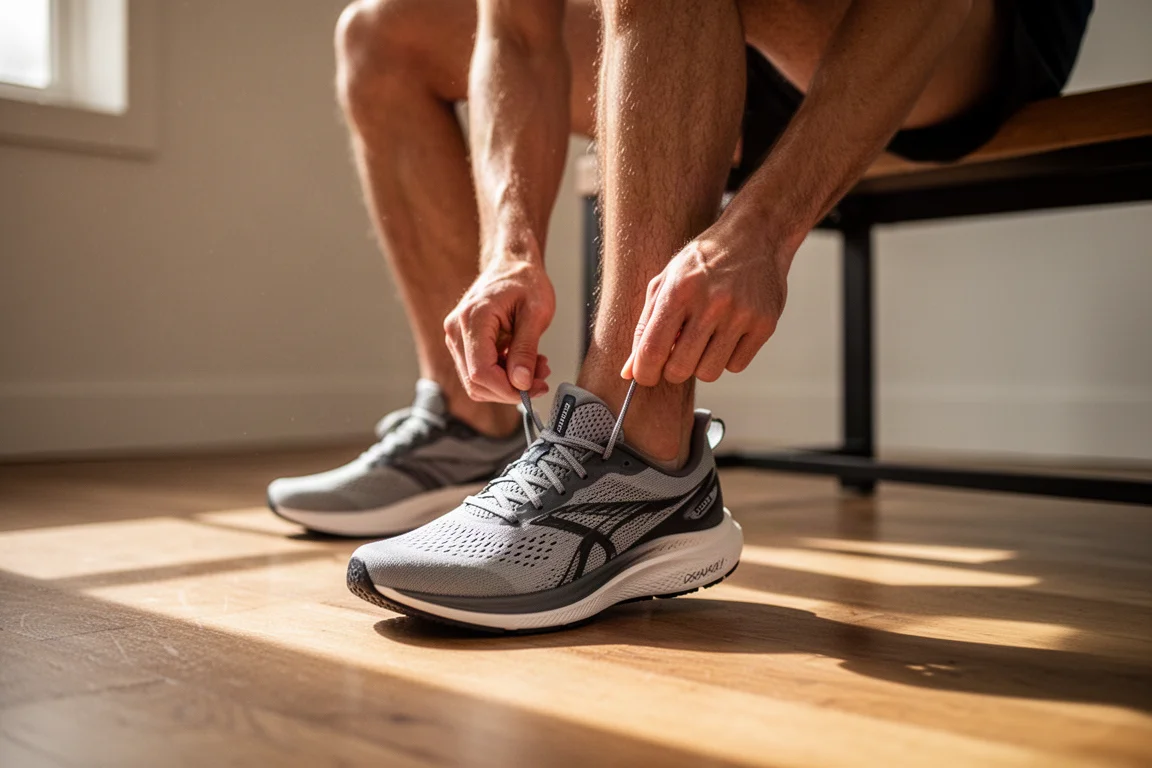
Both shoes carry Hoka’s typically narrower fit, so they lean narrow overall, but each offers a decent amount of toe box room. If you have wider feet, width could be an issue with either shoe. The Mach 4 secures a locked-down fit easily thanks to a thicker, pre-shaped tongue that sits comfortably in place from the first wear. The Rincon 3’s very thin tongue makes it harder to position and requires more effort to get a secure fit.
Stability and Ride Feel
On foot, the Mach 4 feels more stable. The foot sits securely and the transitions feel smooth, with no wobble even on longer runs. The Rincon 3 is not unstable, but the upper has a bit more give, which becomes noticeable when cornering and can produce small bits of rubbing on the outside of the foot during longer efforts.
Both shoes feature Hoka’s swallowtail heel design, aimed mainly at heel strikers. In both, it is subtle: noticeable but not intrusive on the Mach 4, and barely there on the Rincon 3. Neither felt clunky or intrusive in the way some of Hoka’s more pronounced swallowtail designs can.
Durability and Grip
Durability is the weak point for both. Neither shoe is designed to be a long-distance workhorse: the Mach 4’s thin rubberized midsole foam wears down relatively quickly, and the Rincon 3’s EVA foam is not very durable at all, especially with so little rubber on the outsole. The Mach 4 is the more durable of the two, with the potential for roughly 100 more miles of use, but neither will win awards for longevity.
Grip is adequate but not outstanding on either shoe. There have been no major slipping issues on wet ground or gravel, but traction feels inferior to some other trainers, particularly on the Rincon 3, which has only minimal rubber coverage.
Versatility and Best Use
Both shoes are genuinely versatile and can handle nearly any run, from a 5K recovery jog to a long easy training run of around 20 kilometers at 5:20 per kilometer pace, up to faster sessions and race day around 4:10 per kilometer. The Mach 4 shines on longer runs where you want consistent pacing and a smooth, efficient turnover. It fades into the background, feeling cushioned and comfortable while still encouraging faster running.
The Rincon 3 does not feel quite as smooth through transitions, but it is lighter and bouncier, which makes it a strong choice for 10K to half marathon racing and faster training sessions where you want that extra pop.

Verdict and Buying Advice
These are very similar shoes, and both are excellent for almost any run from slow plodding to race day. The Mach 4 is the better all-rounder: stable, comfortable, smooth, and slightly more durable, making it the stronger value at 125 pounds if you want one shoe to do everything. It is one of the best all-around trainers of the past couple of years, even if it does not dramatically excel in any single area.
The Rincon 3 excels at being lighter and bouncier, making it a great faster training shoe, but its durability means it is a poor choice as your only shoe. If you can find it discounted, around 70 pounds would make it an easy recommendation as a supplementary speed-work shoe. At full price, the Mach 4 is the smarter buy.
Conclusion
Choose the Mach 4 if you want one versatile daily trainer that handles everything with comfort, stability, and a smoother ride. Choose the Rincon 3 only if you want a light, bouncy second shoe for faster sessions and you can get it at a discount. Both are enjoyable, capable shoes, but the Mach 4 is the more sensible long-term investment.
Further reading
Related Reviews

Running Shoes
Best Road-to-Trail Running Shoes: Three Versatile Options for Mixed Terrain
A practical guide to three road-to-trail running shoes that handle both pavement and mild trails, with clear strengths and trade-offs for different runner types.

Running Shoes
Best Running Shoes for Achilles Tendonitis: Three Options Explained
Three running shoes with different heel drops and support features designed to help reduce Achilles tendon pain during walking and running.

Running Shoes
Best Running Shoes for Women: Five Top Choices Ranked
A ranked guide to five women's running shoes, from versatile daily trainers to high-performance racing options, with real strengths and trade-offs for each.