Running Shoes
Hoka Mach 4 vs Hoka Kawana: Which Running Shoe Deserves Your Money?
Two Hoka trainers at the same price point with very different characters. We compare fit, ride, grip, and versatility to help you pick the right one.
Introduction
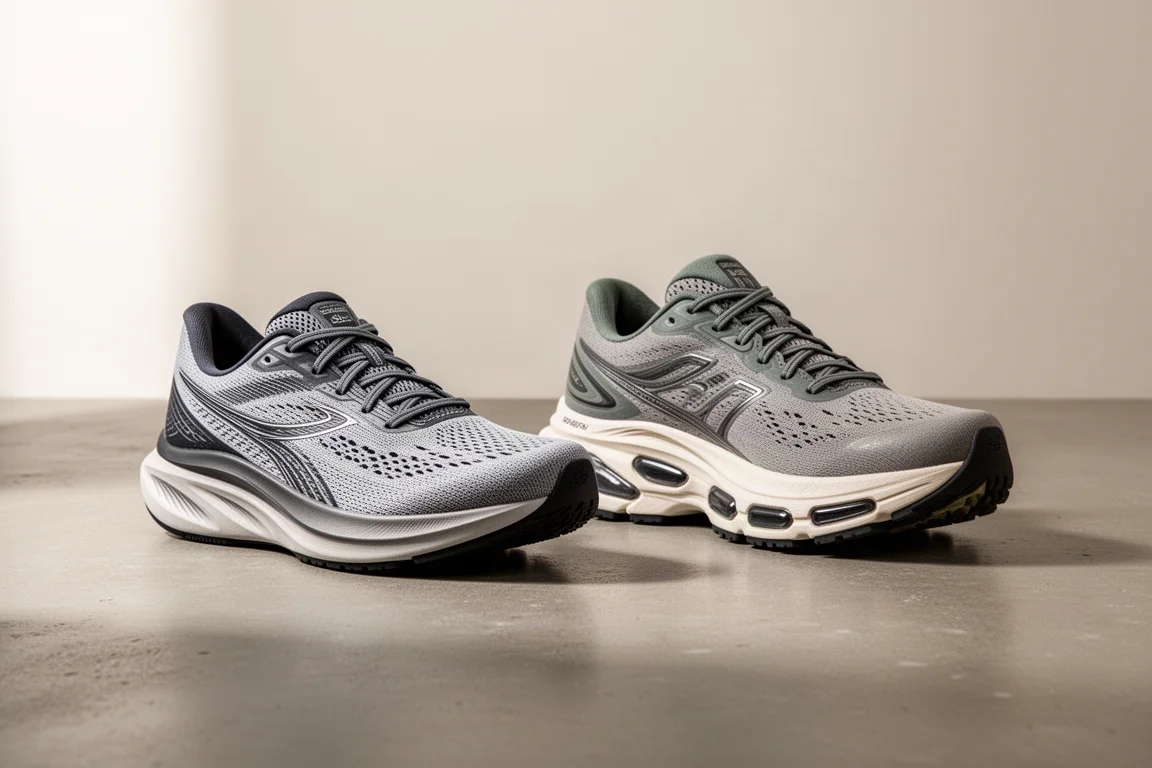
Hoka’s Mach 4 and Kawana sit at the same price point, yet they are surprisingly different shoes once you start running in them. Both use a 5mm heel-to-toe drop, both are built for daily training, and both carry Hoka’s rocker geometry. But one is a lightweight, genuinely versatile all-rounder, while the other is a firmer, heavier workhorse aimed squarely at easy miles. Here is how they compare on paper and on the road.
Specs at a Glance
The Mach 4 costs £125 or $130 and weighs 236g (8.3 oz) for men in a size 9, with a 5mm drop. The Kawana costs £125 or $140 and weighs 309g (10.9 oz) in the same size, also with a 5mm drop. That puts roughly 73 grams of difference between them, which you feel immediately once you pick both up.
Hoka Mach 4: The Versatile All-Rounder
The Mach 4 is a daily running shoe designed to feel soft and bouncy, whether used for comfortable training miles or faster efforts. The ProFly midsole aims for a light and responsive feel, the rocker helps propel the foot forward, and a rubberized EVA outsole covers the midsole for additional responsiveness and protection. There is also a swallowtail design on the heel, built mainly with heel strikers in mind.
In practice, it is a shoe that handles everything: slow daily runs, interval sessions, and even longer marathon-pace efforts. It is not a bouncy, propulsive foam like you get from premium racing foams, but it feels efficient and rolls you forward without you thinking about it. The cushioning is soft at the heel for a comfortable landing, then firms up and becomes more responsive at the forefoot. For many, it sits near the top of the versatile trainer category.
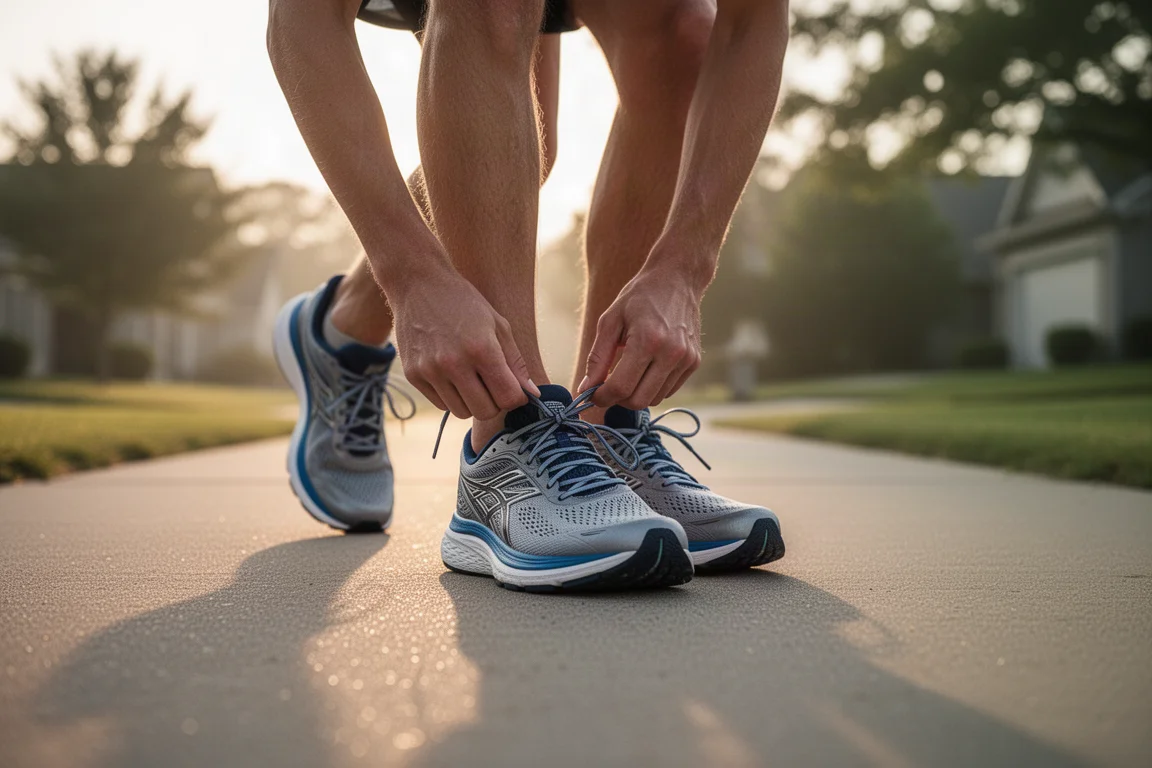
Fit is true to size, though the toe box runs narrower and more cramped than the Kawana. For narrow feet this works well, and it felt comfortable straight out of the box with no issues in the first runs. One caveat: the outsole uses no traditional rubber, which keeps the shoe light but means grip is not its strong point, and long-term durability of the exposed foam is a fair question.
Hoka Kawana: Comfort First
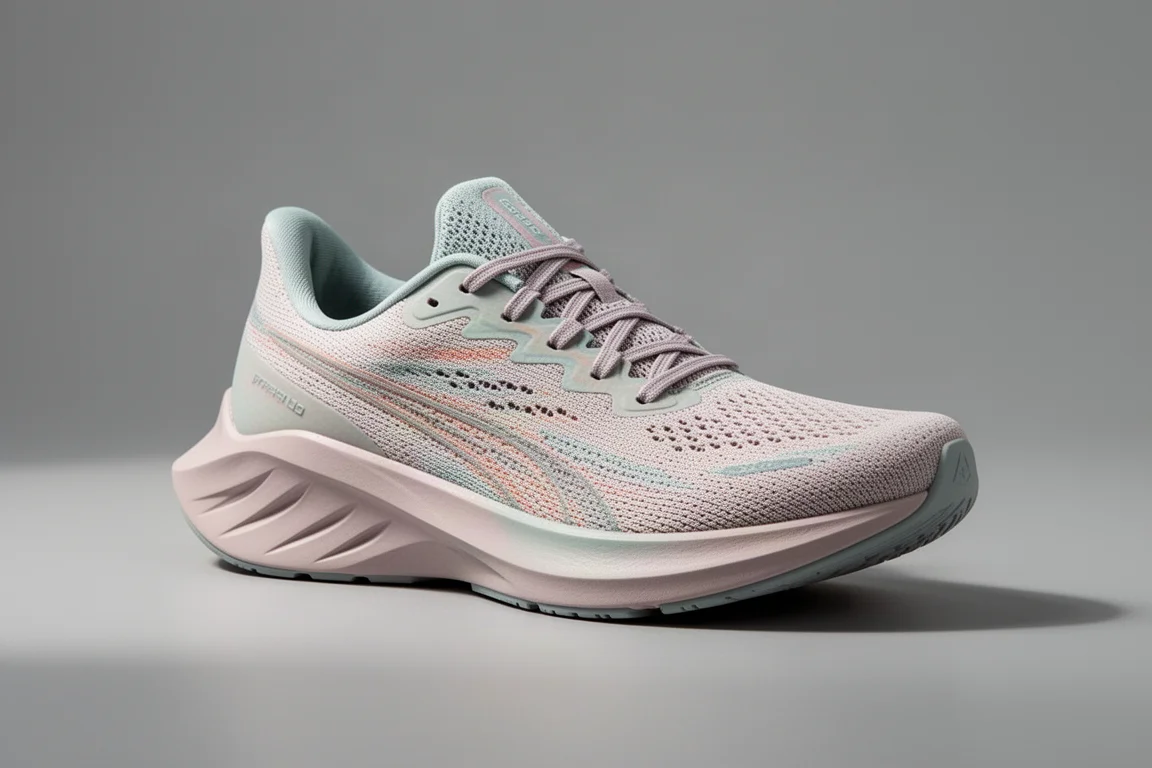
The Kawana is a maximal cushioned shoe built around Hoka’s new CMEVA midsole foam, which the brand says delivers a responsive and lively feel. A subtle version of the swallowtail extended heel, along with a crash pad, aims to promote a smooth ride specifically for heel strikers. An early-stage meta-rocker produces a smooth transition, and the engineered jacket mesh upper is meant to be both breathable and supportive.
On the road, however, the Kawana feels firmer than expected. Rather than a soft, plush ride, it delivers a thick, sturdy, protective feel. Your feet land firmly and stay supported, which some runners will appreciate, but there is little bounce. The new midsole foam does not feel dramatically different from other firmer Hoka foams, and the ride calls to mind the Clifton range: plenty of cushioning, but on the firm side.
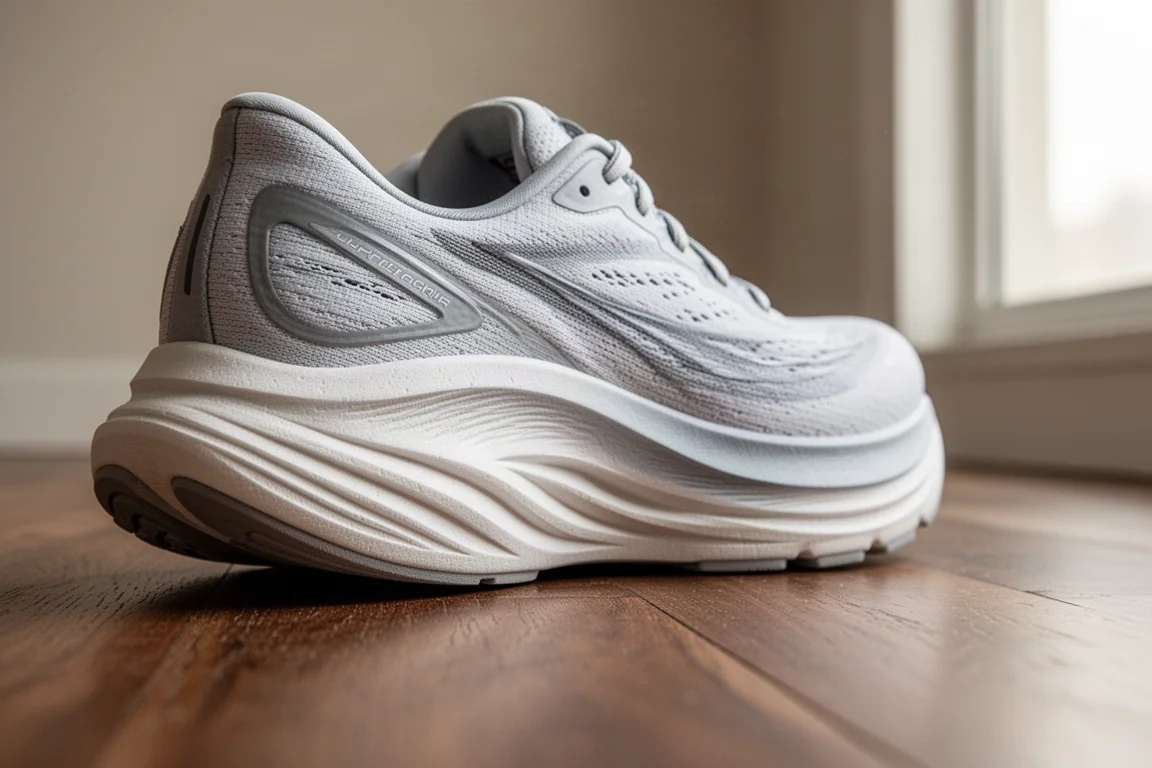
Fit is also true to size, but narrower than the Mach 4. The upper felt restrictive around the midfoot for the first couple of runs, enough to cause some discomfort, before loosening up and settling in. After that break-in it felt fine, but it is worth knowing the fit starts tighter than it ends up.
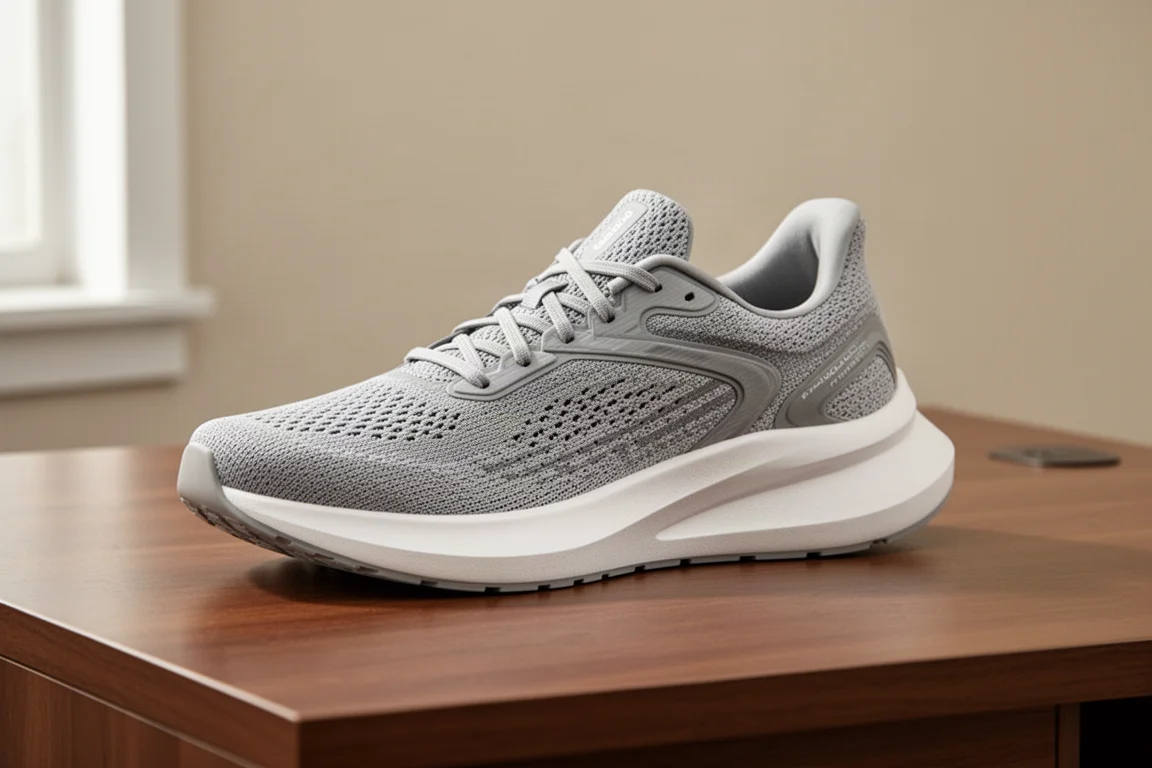
Grip and Durability
This is where the two shoes genuinely diverge. The Mach 4’s rubberized foam outsole keeps weight down but offers mediocre grip, and mixed reports suggest durability is acceptable despite the lack of rubber, though it remains the shoe’s main question mark.
The Kawana has real rubber on the outsole, concentrated around the front of the shoe with some at the heel, with exposed midsole foam elsewhere. That rubber adds a little weight, but it is thick enough to protect the midsole and it grips well. On wet, hilly roads it held firmly with no issues, which makes it a quietly practical choice for rough or damp conditions.

Which Should You Buy?
At the same price, the Mach 4 simply offers more. It is lighter, softer, more efficient, and versatile enough to cover easy runs, tempo sessions, and even racing. The Kawana is not a bad shoe. It is a solid workhorse that eats up base miles comfortably, and it may suit runners who prefer a firmer, sturdier ride. It could even earn a place in a rotation, absorbing easy miles while preserving a lighter shoe for faster work.
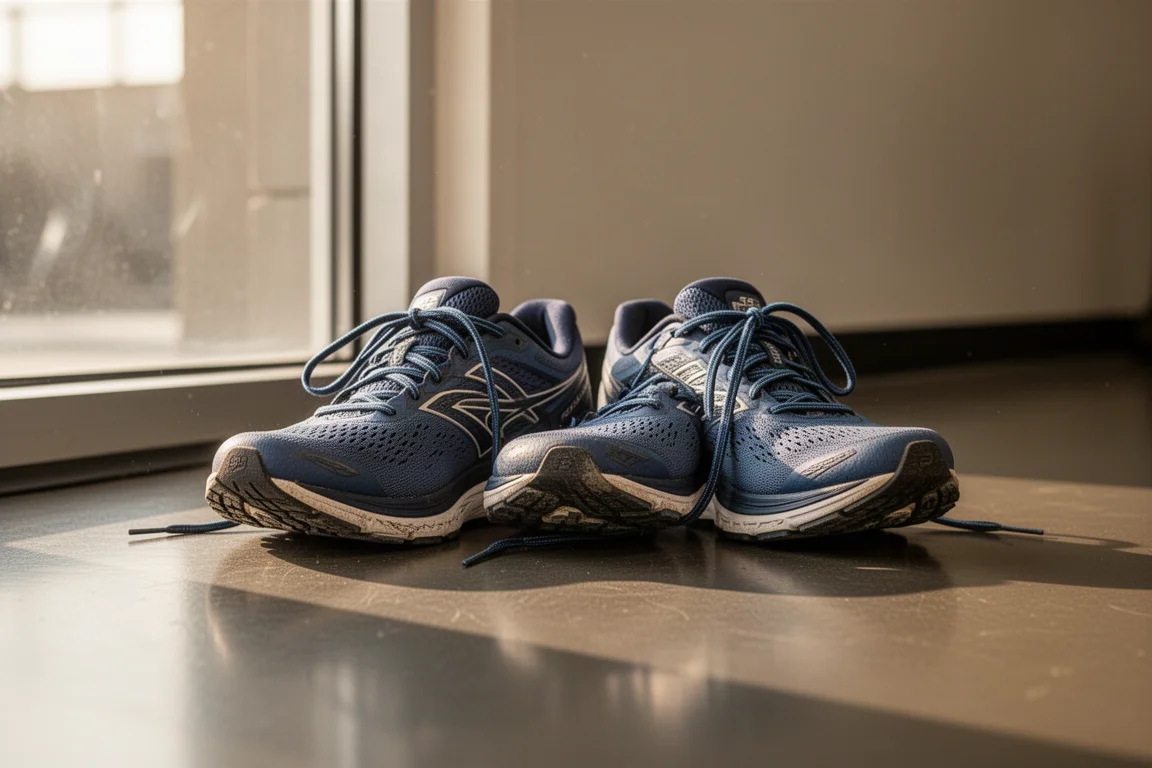
But if you are choosing one shoe, and especially if you like lighter, cushioned trainers, the Mach 4 is the clearer pick. It stands out within the all-rounder category, whereas the Kawana is merely a decent easy-day option in a segment with plenty of strong alternatives.
Conclusion
The Mach 4 is one of the strongest versatile daily trainers available, and it earns its price many times over. The Kawana is a competent comfort-first trainer with good grip and a protective, firm ride, but it does not deliver anything beyond what its category already offers. Whichever way you look at it, the Mach 4 is the better shoe here.
Further reading
Related Reviews

Running Shoes
Best Road-to-Trail Running Shoes: Three Versatile Options for Mixed Terrain
A practical guide to three road-to-trail running shoes that handle both pavement and mild trails, with clear strengths and trade-offs for different runner types.

Running Shoes
Best Running Shoes for Achilles Tendonitis: Three Options Explained
Three running shoes with different heel drops and support features designed to help reduce Achilles tendon pain during walking and running.

Running Shoes
Best Running Shoes for Women: Five Top Choices Ranked
A ranked guide to five women's running shoes, from versatile daily trainers to high-performance racing options, with real strengths and trade-offs for each.