Running Shoes
Hoka Gaviota 5 First Run Review: A Stability Shoe That Surprises
Hoka's Gaviota 5 skips the hype and the fancy foam, but a first 8-mile run shows a smoother, bouncier ride than its spec sheet suggests.
Introduction
Some shoes arrive wrapped in hype, with a new foam name and a marketing push behind them. The Hoka Gaviota 5 is not one of those shoes. It is a max-cushion stability trainer with compression molded EVA, a wide base, and a price tag of around $175, and almost nobody is talking about it. That combination makes it easy to overlook, especially if you judge running shoes by their foam compound.
This first run review is built around an 8-mile test that covered easy jogging, walking, and a set of strides at the end. The verdict up front: the Gaviota 5 is far better than its spec sheet suggests, though the price and a durability question mark keep it from being a clear-cut winner.
What the Gaviota 5 Actually Is
The Gaviota 5 is Hoka’s max-cushion stability shoe. It uses compression molded EVA in the midsole, the same foam family as the Clifton rather than the super critical EVA found in the Bondi. Out of the box it feels noticeably firmer than either the Bondi or the Clifton, which caused some early hesitation given how poorly a very firm Hoka EVA midsole performed in the past.
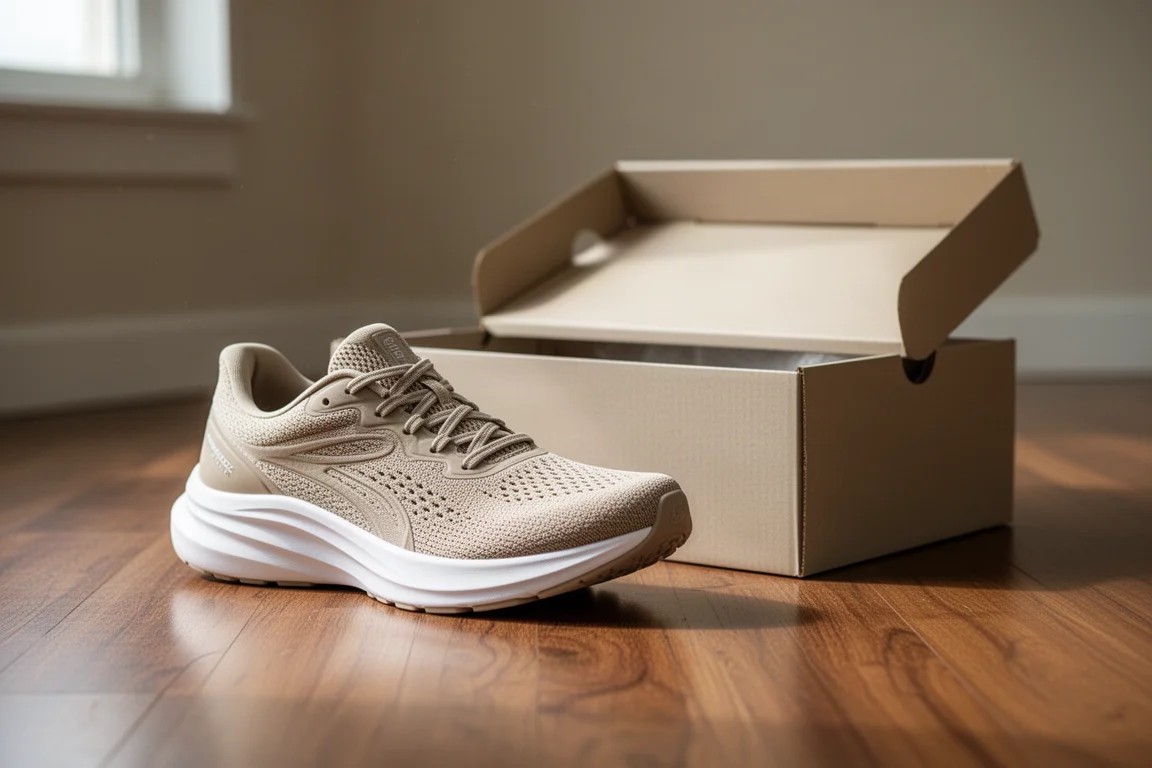
The measured specs came in surprising. On the scale, the Gaviota 5 weighed 313 grams, lighter than the Bondi at 332 grams and far below the expected 340-gram brick territory. The stack measured 37.5 mm on a well-used scale, placing it lower than the Clifton and at the bottom of the max-cushion stability category benchmarks, which included shoes around 39 mm. Combined with a 5 mm drop, the profile is lower and lighter than expected for a shoe in this class.
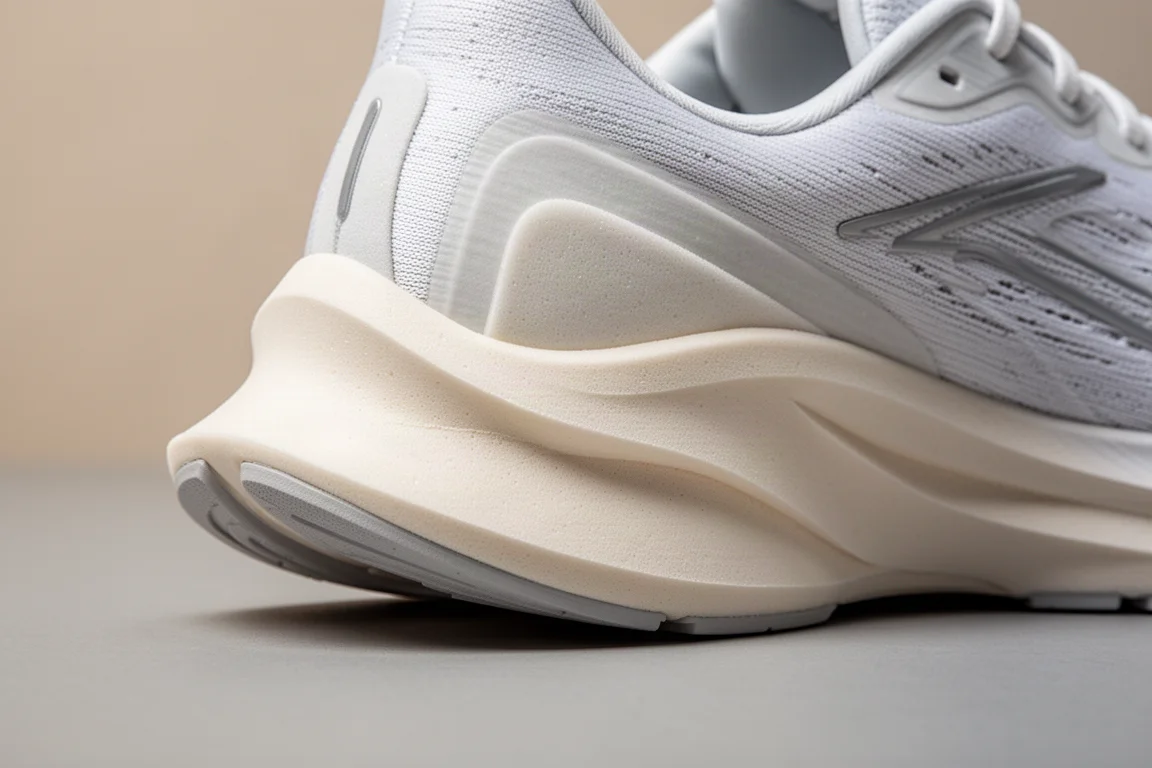
The ride quality benefited from genuinely good geometry: a gentle heel bevel in the back, a flatter midfoot transition, and a smooth rocker up front. That combination made rolling through the stride easy, even on firmer foam.
Fit and Feel On Foot
The fit is a standout. True to size, with a performance mesh upper, comfortable tongue padding, and a heel that holds securely without the overly locked-down feeling some traditional stability shoes produce. There is no cramped, squeezed-ankle sensation in the back of the shoe.
The toe box is the surprise. It is very wide, with a platypus-like flare that resembles a Topo or Altra shape. Historically, Hoka uppers have run narrow and tight, as seen in the Clifton and the Sky Flow, so the generous forefoot room here is a genuine correction. Runners who need space for their toes will notice the difference immediately.
The 8-Mile First Run
Expectations were low heading into the run. The first few steps confirmed a firmer feel, rated roughly a five out of ten on a softness scale where one is an ultrasoft plush trainer and ten is a firm boot. That rating shifts with body weight: heavier runners will likely find it closer to a four, lighter runners closer to a six.
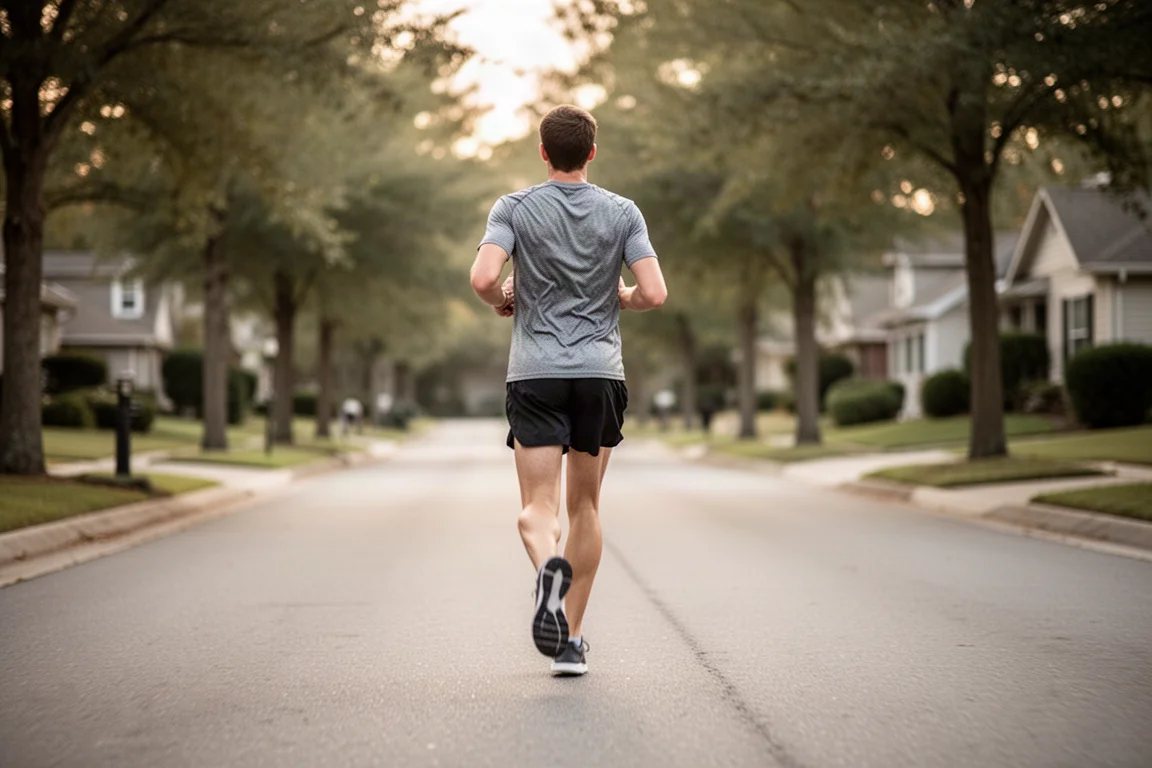
But the run itself changed the picture quickly. The shoe rolled smoothly from the first mile, with a gentle bounce that was entirely unexpected from compression molded EVA. The geometry, lower drop, and wide stable base compensated for the ordinary foam, and the shoe never felt like a brick. It handled an easy 8:38 first mile, settled comfortably into the mid-8s, and stayed pleasant throughout.
The strides were the real eye-opener. The Gaviota 5 turned over surprisingly well for a stability shoe, comfortably reaching paces in the 5-minute range and even dipping into the 4:20s on a slight downhill. It is not a speed shoe, and nobody should race in it, but it has more forefoot pop and toe-off capability than the softest shoes in the category.
How It Compares
Against its intended purpose as a supportive, cushioned everyday trainer, the Gaviota 5 executes well. It is not as actively soft as the ASICS Gel-Kayano 32, but it offers more reliable support with a gentle glide through the stride and good energy return in the Goldilocks zone, neither sinking too deep nor feeling harsh.
Within the broader market, the obvious benchmark is the Saucony Hurricane 25, priced the same at around $175. The Hurricane uses a newer, lighter foam blend and edges ahead on pure technology. The Nimbus 27 and Kayano 32 sit at $165 with softer, more modern foams. That makes the Gaviota 5 roughly 5 to 10 percent more expensive than comparable daily trainers, effectively a brand premium. What you get for that premium is reliable support, all-day comfort, and a proven, predictable platform.
The durability question remains open. Hoka’s comfort-oriented compression molded EVA has a mixed record, with some wearers reporting early breakdown around 100 to 150 miles and others getting far more. Anyone considering this shoe for high mileage should look for long-term wear reports before committing fully.
Buying Advice
The Gaviota 5 makes sense for a specific type of buyer: someone who wants max cushion and support without an ultrasoft or aggressive ride, who values a wide toe box, and who mostly jogs easy miles, walks a lot, or stands all day. It passes the basic shoe test comfortably: good for walking, good for jogging up to 30 minutes, and capable of handling an hour-long run with pace pickups.

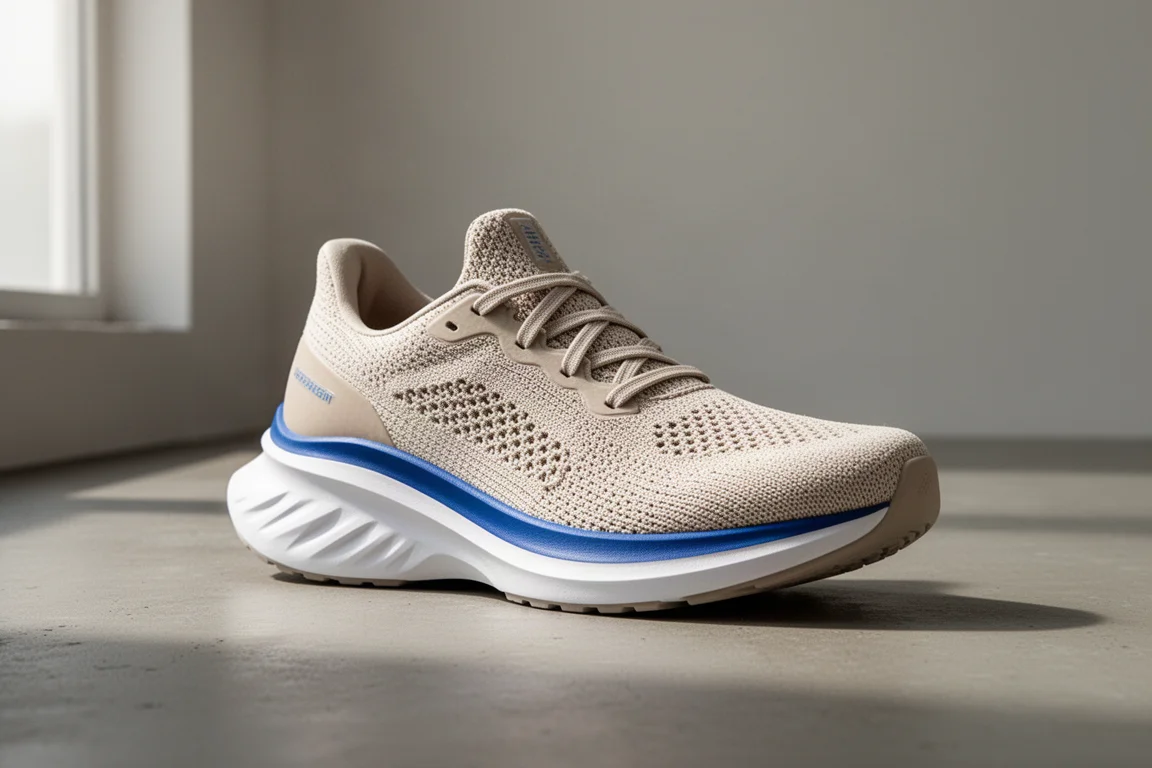
It is also genuinely good-looking. The oatmeal upper with the blue midsole stripe reads as a clean, wearable colorway that works as a casual shoe, which is one reason Hoka has taken off for everyday use. If you loved the Bondi 8 or prefer lower-drop max-cushion shoes, this is an easy recommendation. If you are purely chasing the best foam technology per dollar, the Saucony Hurricane 25 offers more at the same price.
Rated as a whole, the ride earns a strong grade, with the price the main deduction.
Conclusion
The Hoka Gaviota 5 is proof that judging a running shoe by its foam compound is a mistake. Standard EVA on paper becomes a smooth, gently bouncy, supportive ride in practice, thanks to smart geometry, a lower drop, and an unusually roomy toe box. It is a touch overpriced for its materials and its long-term durability is unproven, but as a dependable, comfortable everyday stability trainer, it quietly gets the job done better than expected.
Product link
View more details for Hoka Gaviota 5
This product is mentioned in the review. Check the specifications, options, and compatibility before buying.
View more details for Hoka Gaviota 5Further reading
Related Reviews

Running Shoes
Best Road-to-Trail Running Shoes: Three Versatile Options for Mixed Terrain
A practical guide to three road-to-trail running shoes that handle both pavement and mild trails, with clear strengths and trade-offs for different runner types.

Running Shoes
Best Running Shoes for Achilles Tendonitis: Three Options Explained
Three running shoes with different heel drops and support features designed to help reduce Achilles tendon pain during walking and running.

Running Shoes
Best Running Shoes for Women: Five Top Choices Ranked
A ranked guide to five women's running shoes, from versatile daily trainers to high-performance racing options, with real strengths and trade-offs for each.