Running Shoes
Hoka Gaviota 4 vs Gaviota 5: Which Stability Shoe Fits Your Feet?
A side-by-side comparison of two very different stability shoes: firm and structured versus softer, lighter, and more accommodating.
Introduction
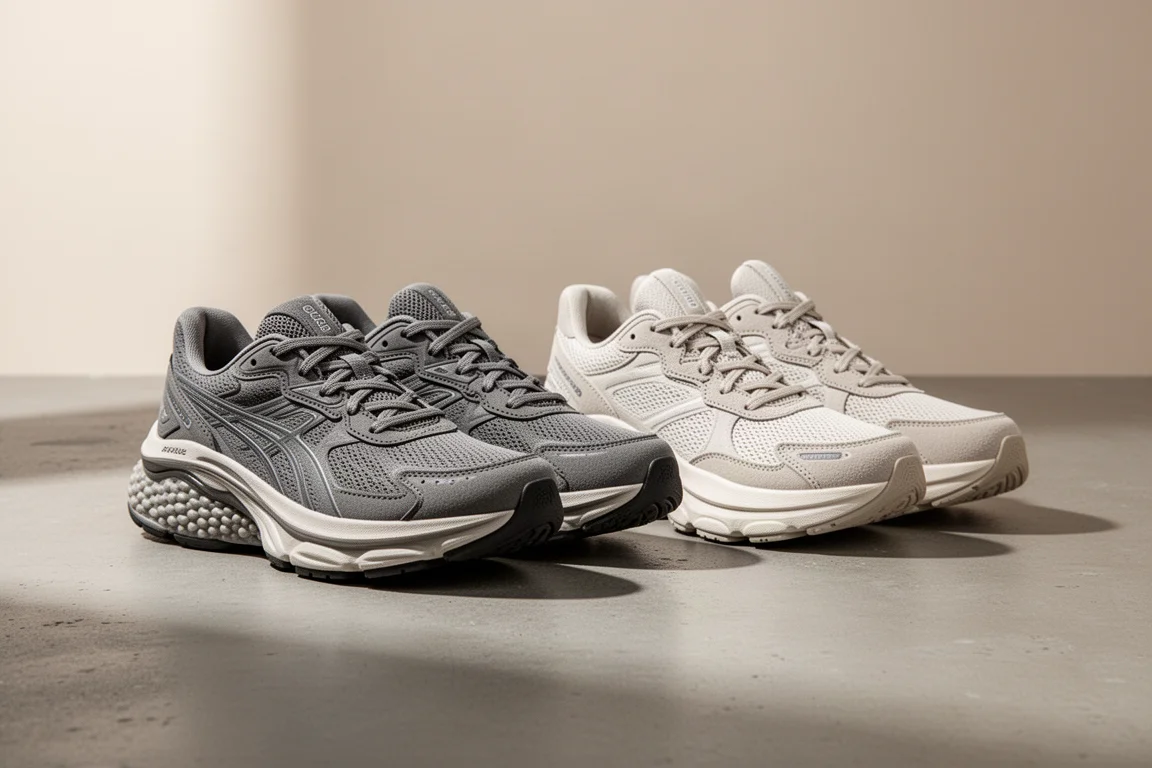
The Hoka Gaviota 4 and Gaviota 5 sit in the same stability category, but they are genuinely different shoes. The fit, the ride, and the way each one handles overpronation have all been reworked between generations. That raises two practical questions: if you are shopping fresh, which one should you buy, and if you already run or walk in the Gaviota 4, is upgrading to the 5 worthwhile? This comparison breaks down the differences so you can match the shoe to your feet rather than the marketing.
Weight and Stack: The Numbers First
The Gaviota 4 comes in at 11 oz for a men’s size 9 and 9.9 oz for a women’s size 8. The Gaviota 5 drops to 10.4 oz in the women’s version and 9 oz in a men’s size 9, so it is noticeably lighter, and it feels lighter on foot too.
Stack heights are close. The Gaviota 4 uses a 40 mm heel and 35 mm forefoot for a 5 mm drop. The Gaviota 5 measures 38 mm in the heel and 32 mm in the forefoot, giving a 6 mm drop. In practice, that difference is barely noticeable. What changes much more is how the stability is engineered, which we get into next.
Stability Approach: J-Frame Versus H-Frame
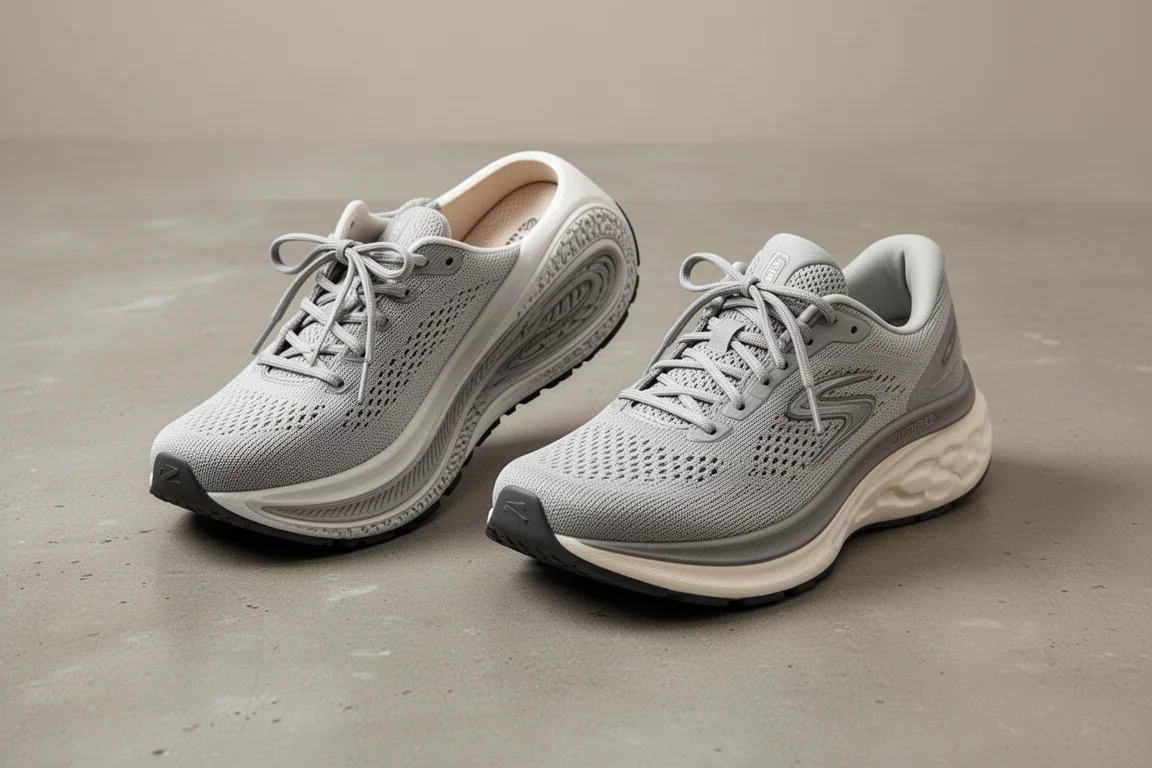
This is the biggest change between the two shoes. The Gaviota 4 uses Hoka’s traditional J-Frame, where the entire medial length of the midsole is a large firmer post, and the lateral heel is posted as well. The result is a very strong, post-like feeling along the full length of the shoe, with noticeable medial pressure and a little lateral pressure in the heel.
The Gaviota 5 removes that post entirely and replaces it with an H-Frame: more material in the midfoot with extensions toward the forefoot and heel. Instead of pushing from one side, it tries to keep you more centered from both the medial and lateral sides. The ride still has a slightly higher arch feeling, and there is still some medial guidance, but it is much less intense than the 4.
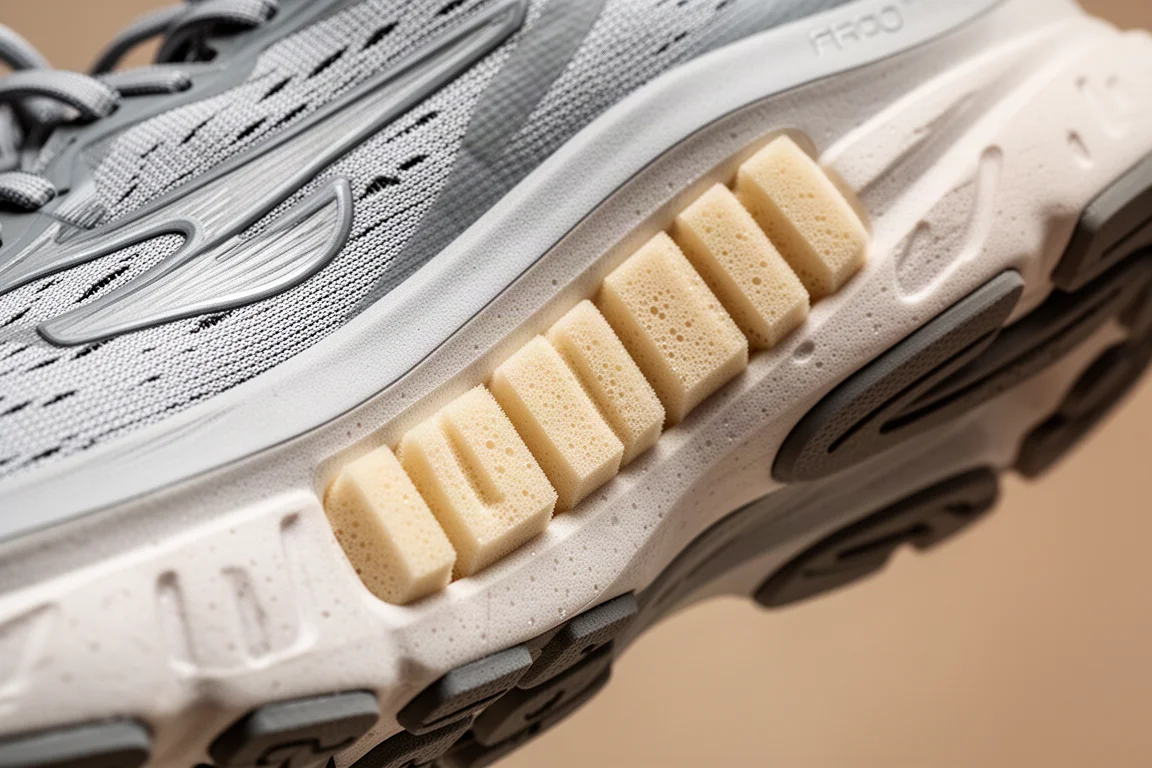
If you want that strong, full-length post feeling, the Gaviota 4 delivers it. If you prefer guidance that feels integrated and centered rather than corrective, the Gaviota 5 is the better match.
Ride Feel: Firm and Clunky Versus Soft and Smooth
The Gaviota 4 rides on the firmer side, which is surprising given its 40 mm stack. Combined with the weight, it can feel a bit clunky for running. It works much better for walking and standing, where the firm support pays off over long days on your feet.
The Gaviota 5 is a different experience. The foam feels softer, even though it is still compression-molded EVA, and despite being technically a millimeter or so lower in stack, the ride is smoother and more centered. It is best described as a more stable version of Hoka’s Bondi, which is how Hoka positions it as well. It even has a little bounce to it, something the 4 never offered.
Upper Fit: Tapered Versus Wide Toe Box
The Gaviota 4 has a fairly tapered toe box, which is an odd choice for a shoe often recommended for walking and standing, where wider feet are common. The taper has caused blisters for some wearers. The rest of the fit is fairly normal, running just a touch wide in the midfoot. A wide version of the Gaviota 4 does exist if you need more overall room.
The Gaviota 5 changes that completely with a genuinely wide forefoot, which is unusual for Hoka since the brand generally fits narrow. There is plenty of room to spread your toes, making it comfortable for long days and long runs where feet swell. The trade-off is that you may need to cinch the midfoot laces down for security, but with the extra toe room that is an easy compromise. The upper also feels a bit lighter overall.
Who Should Pick the Gaviota 4
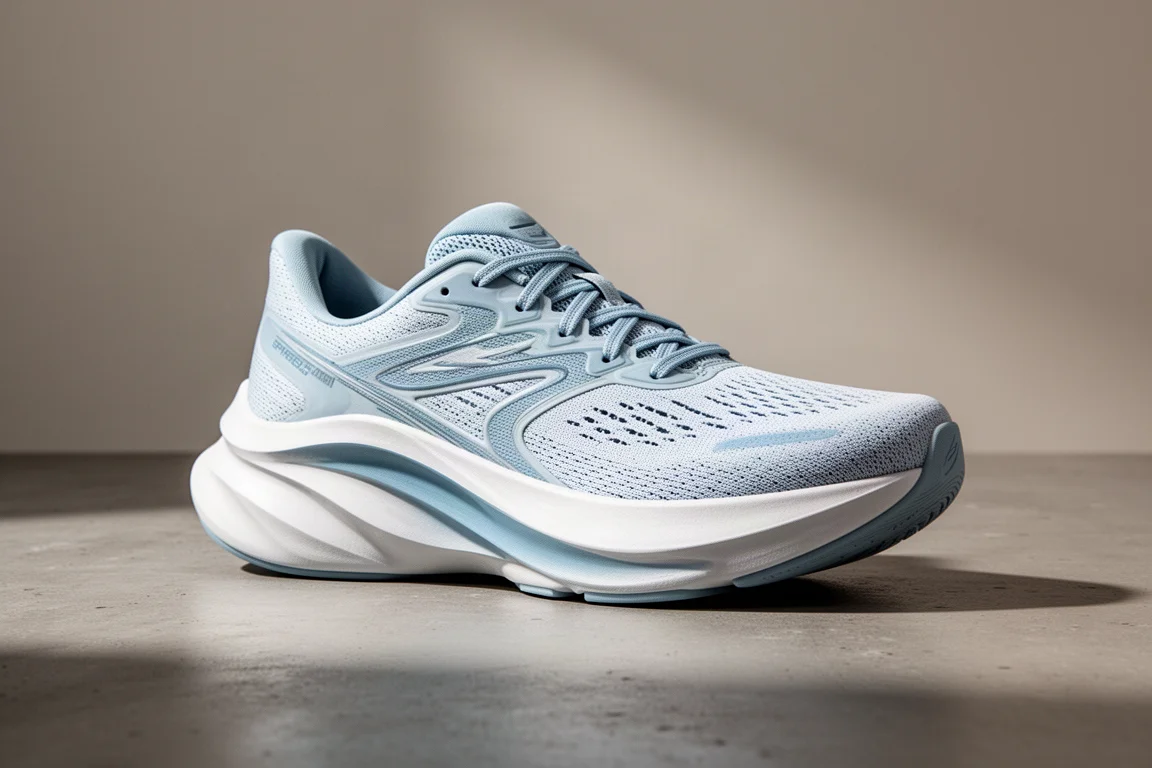
The Gaviota 4 makes sense if you want strong, traditional stability and you do not care about weight. It is especially well suited to walking, standing, and long shifts on your feet, where its firm ride and full-length post feel supportive rather than clunky. Narrower feet also tend to work better in the 4’s tapered toe box.
Who Should Pick the Gaviota 5
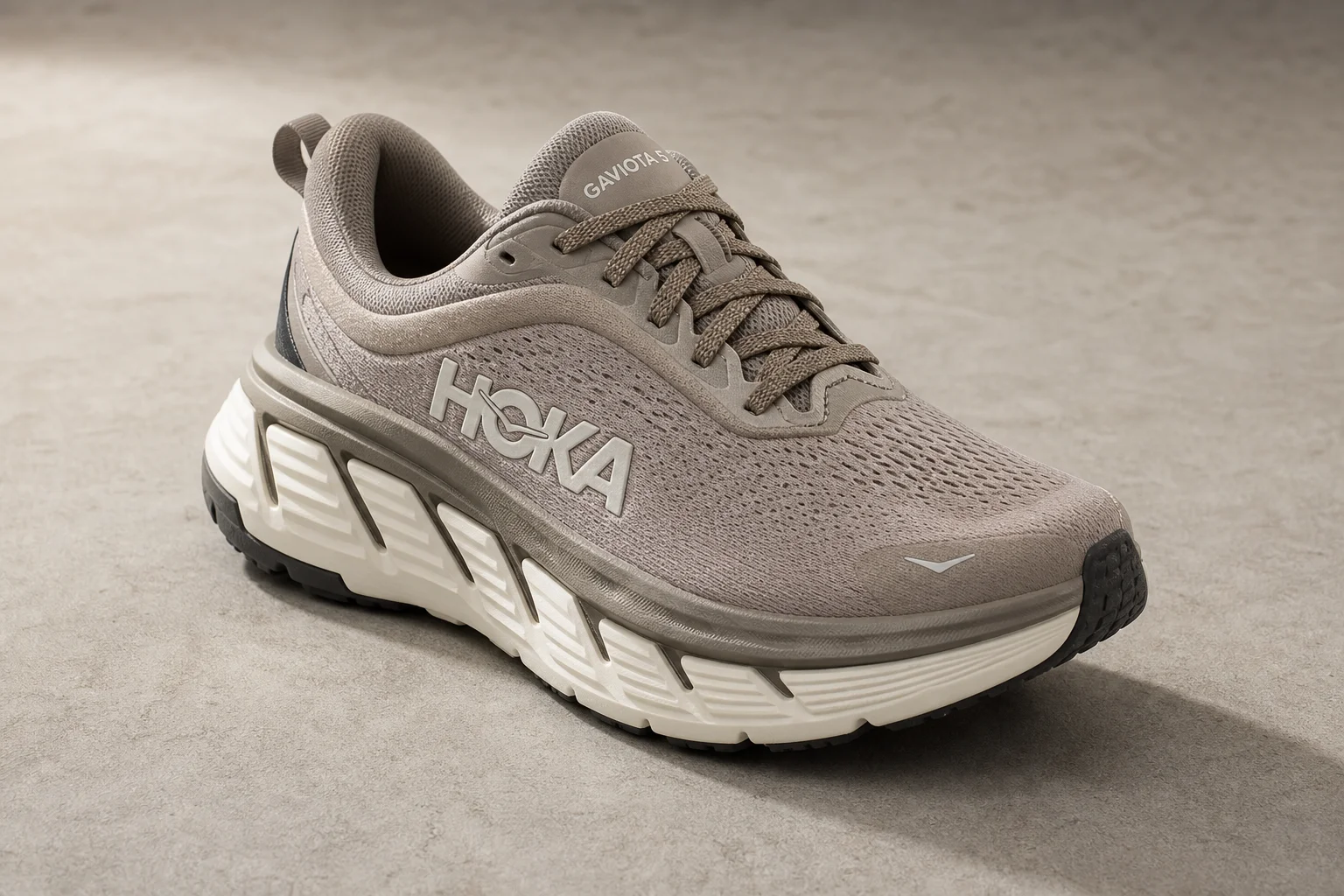
The Gaviota 5 is the better pick if you want a lighter, softer, highly cushioned stability shoe with a bit of bounce and a smoother, more centered ride. It is also the clear winner for wider feet thanks to its roomy forefoot, and it handles running far more gracefully than the 4. If you currently wear the Gaviota 4 and want a less aggressive, more guided feel, the 5 is a meaningful upgrade rather than a minor refresh.
Conclusion
These are not two versions of the same shoe; they fit and ride differently, and neither is universally better. Choose the Gaviota 4 for firm, full-length stability, a narrower fit, and long days of walking or standing. Choose the Gaviota 5 for a lighter, softer, more centered ride with a genuinely wide toe box. Matching the stability style and toe box shape to your own feet is what should drive the decision.
Further reading
Related Reviews

Running Shoes
Best Road-to-Trail Running Shoes: Three Versatile Options for Mixed Terrain
A practical guide to three road-to-trail running shoes that handle both pavement and mild trails, with clear strengths and trade-offs for different runner types.

Running Shoes
Best Running Shoes for Achilles Tendonitis: Three Options Explained
Three running shoes with different heel drops and support features designed to help reduce Achilles tendon pain during walking and running.

Running Shoes
Best Running Shoes for Women: Five Top Choices Ranked
A ranked guide to five women's running shoes, from versatile daily trainers to high-performance racing options, with real strengths and trade-offs for each.