Trail Running Shoes
Hoka Evo Speedgoat vs Speedgoat 5: Which Trail Shoe Wins?
A head-to-head look at Hoka's trail running duo, comparing weight, upper durability, cushioning, grip, fit, and value to help you pick the right pair.
Introduction
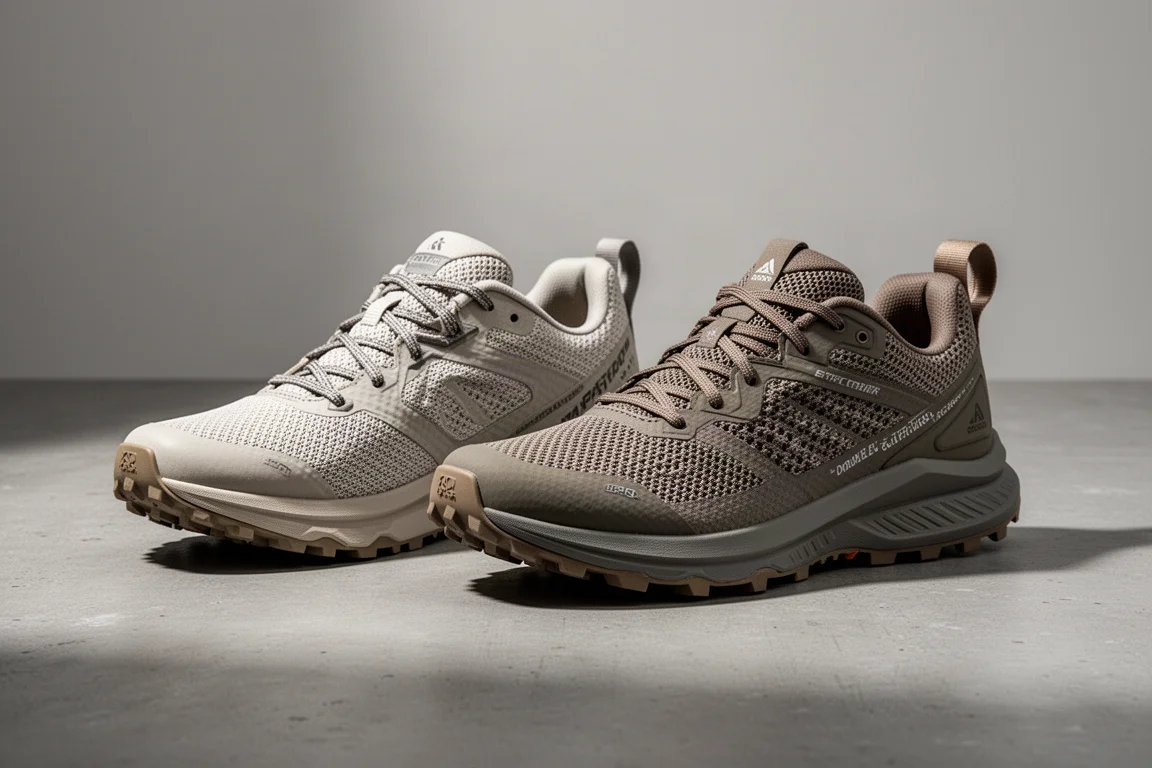
Trail running season has a way of making runners reevaluate their shoe rotation, and few matchups highlight that better than the Hoka Evo Speedgoat versus the newer Hoka Speedgoat 5. Both are neutral trail shoes aimed at everything from fast racing days to long days out on the trail, and both share the same family DNA. This comparison breaks them down across weight, upper durability, midsole feel, grip, fit, and price so you can decide which one deserves a spot in your gear closet.
First Impressions and Release Context
The Evo Speedgoat launched back in 2019, while the Speedgoat 5 arrived in 2022. That gap says a lot about how far ahead of its time the Evo was: it took the trail scene by storm and became a favorite not only for racing but also for long training runs. It was a true tweener, bouncy and lightweight with decent grip, and versatile enough to double as a commuter shoe for runners moving between pavement and trails.
The Speedgoat 5, by contrast, blends the Speedgoat 4 with the Evo’s best traits into one package, and based on how it performed in testing, expect it to sell out quickly. Availability of the Evo, meanwhile, is limited outside of select markets such as Australia, so finding a deal takes some searching.

Weight and Stack
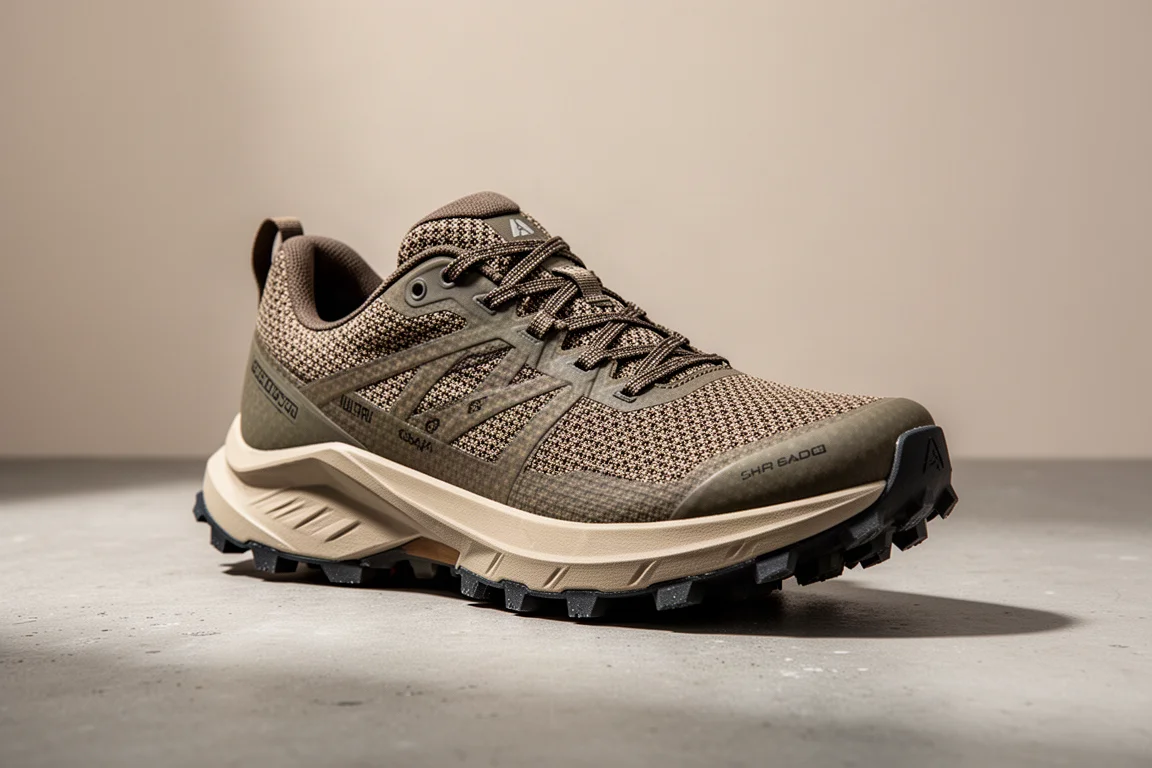
Both shoes are neutral trail shoes with the same 4 millimeter drop, but the Speedgoat 5 carries slightly more stack in the heel, about 1 millimeter more. On the scale, the Speedgoat 5 came in at 9.3 oz in US men’s size 9, while the Evo Speedgoat was lighter at 8.6 oz.
That weight advantage is a big part of what made the Evo so special: you get a useful stack height without a heavy feel. If shaving grams matters for your race days, the Evo still holds the edge here.
Upper Material and Durability
The Evo Speedgoat features a Kevlar Matrix reinforced upper, and it holds up impressively. After more than 300 miles of use over nearly three years, the Kevlar upper shows essentially no wear. Hoka was clearly onto something with that material choice.
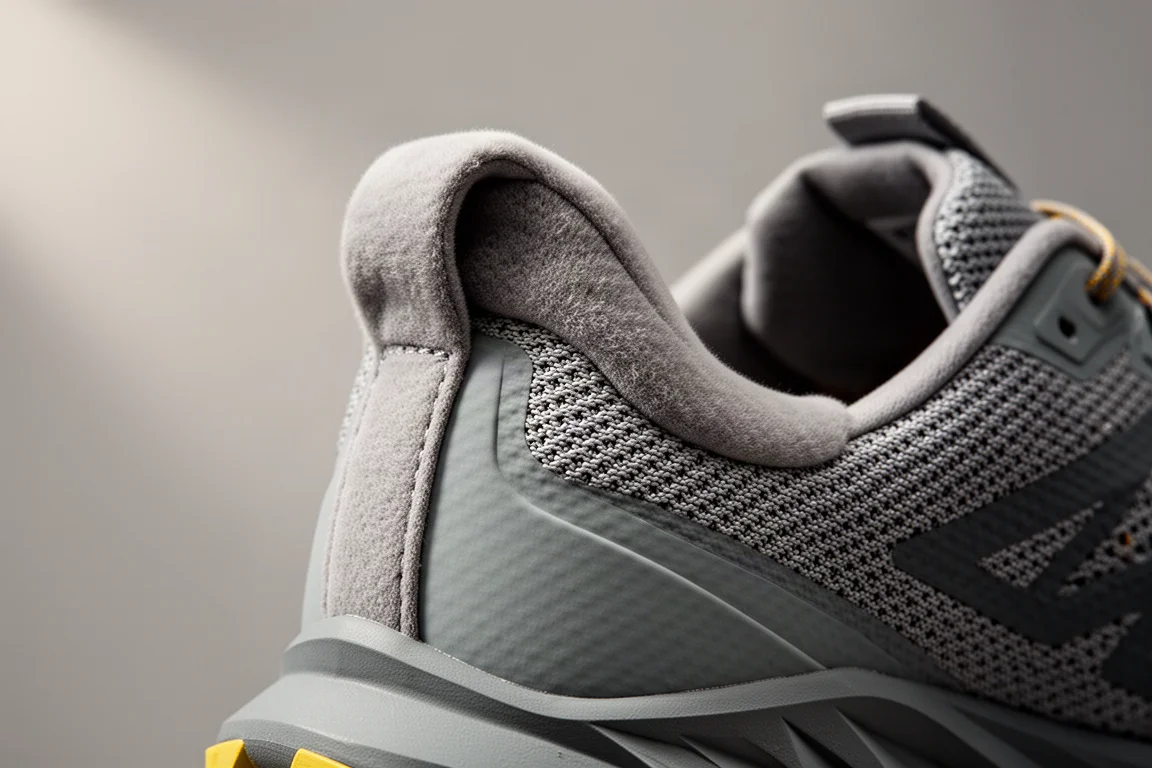
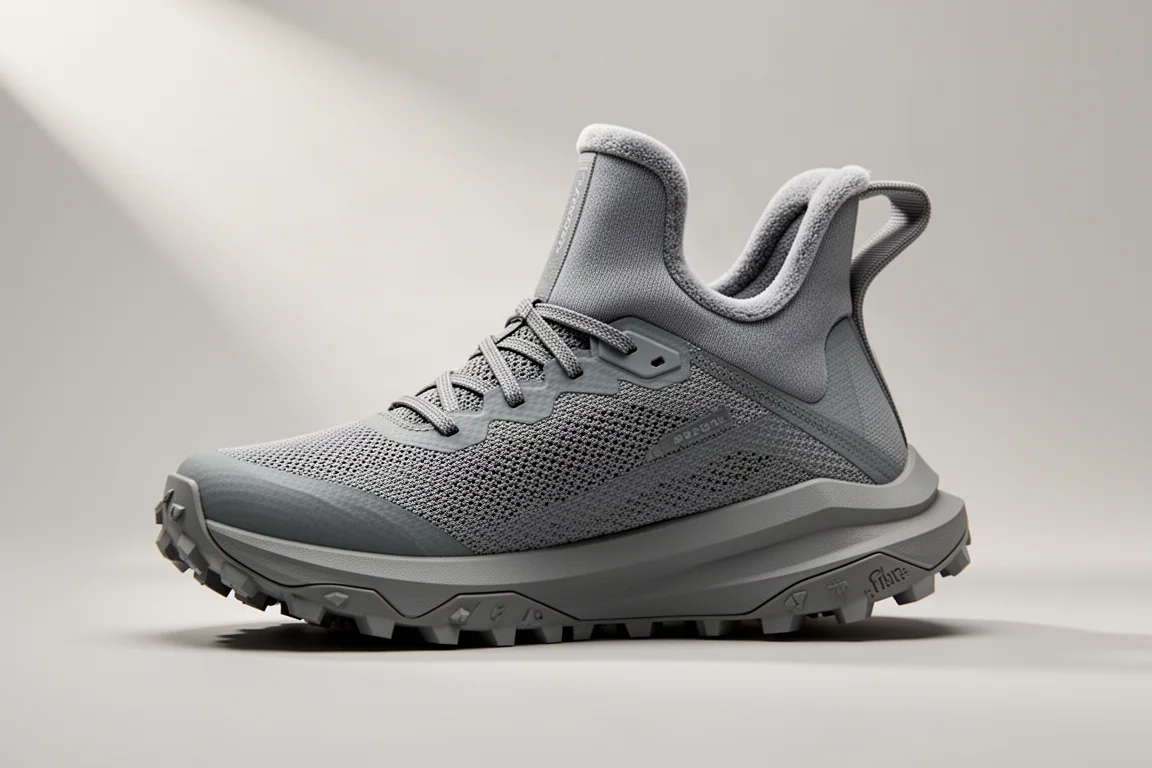
The Speedgoat 5 switches to a double-layered jacquard mesh. It performs well, though the Evo’s Kevlar construction remains the durability benchmark. One bright spot for the Speedgoat 5 is the heel area: Hoka delivered an outstanding update with a heel counter and heel tab that hug the Achilles tendon and lock your foot into the heel pocket. For runners prone to blisters at the Achilles on long efforts of 50K or 50 miles, that is a meaningful upgrade.
Midsole and Energy Return
Both shoes use compression molded EVA midsoles, and the energy return comparison is nearly a dead-even tie, with the Evo winning by a nose. The midsole feel on both remains lively for a trail shoe, which explains why the Evo continues to appeal to racers and long-run runners alike.
One notable detail: Hoka managed to make the Speedgoat 5’s compression molded EVA lighter than the previous generation’s, a huge update from the Speedgoat 4. Long term, that lighter foam should pay off over many miles.
Outsole and Traction
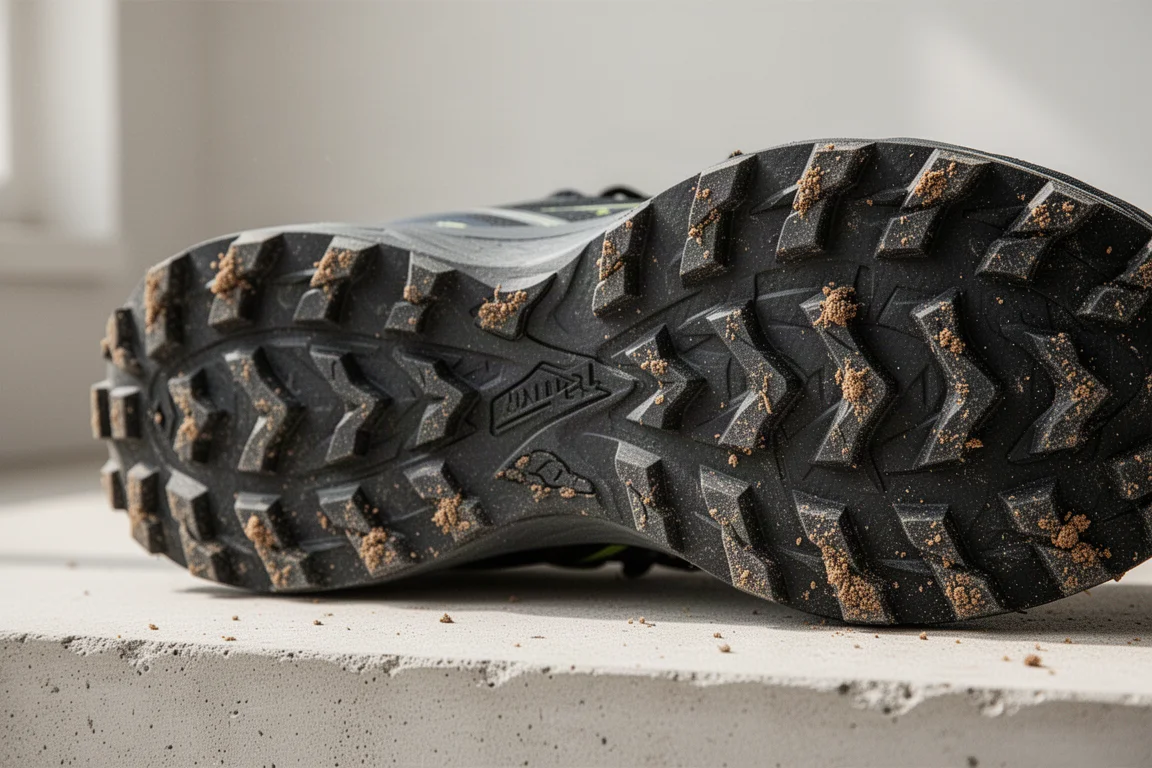
Both shoes ride on Vibram Megagrip outsoles, so the baseline traction is excellent on either model. The Evo takes the win by a hair, purely because its lug pattern felt slightly better in the mud. The difference is small, and in everyday conditions you are essentially getting the same outsole performance from both.
Fit and Comfort
Overall fit is close, but the comfort score goes to the Speedgoat 5, and it is mostly thanks to that exceptional heel counter and heel tab. The heel flare plus the extra cushioning built into the tab make for a special ride, especially on long days when Achilles rubbing becomes a real risk. The Evo uses a full gusseted tongue, while the Speedgoat 5 opts for a semi-gusseted tongue, but the heel design is what tips the scales.
Durability predictions land in a dead heat between the two, which makes sense: these shoes are very similar. If you loved the Evo, you are very likely to love the Speedgoat 5.
Price and Value
The Evo Speedgoat carries a $145 price tag, which feels well reasoned for a shoe marketed as a racer. As a trainer the price is a touch high, but at this price point Hoka kept it reasonable, and arguably could have charged more. The Speedgoat 5 scores similarly on value despite a different price because of its positioning as an all-around upgrade in the lineup.
Overall, the Evo Speedgoat edges out the battle when all ten categories are tallied, but not by much. The Speedgoat 5 is a major step up from the Speedgoat 4, and with the Evo increasingly hard to find, the Speedgoat 5 is the practical pick for most runners heading into trail season.
Buying Advice
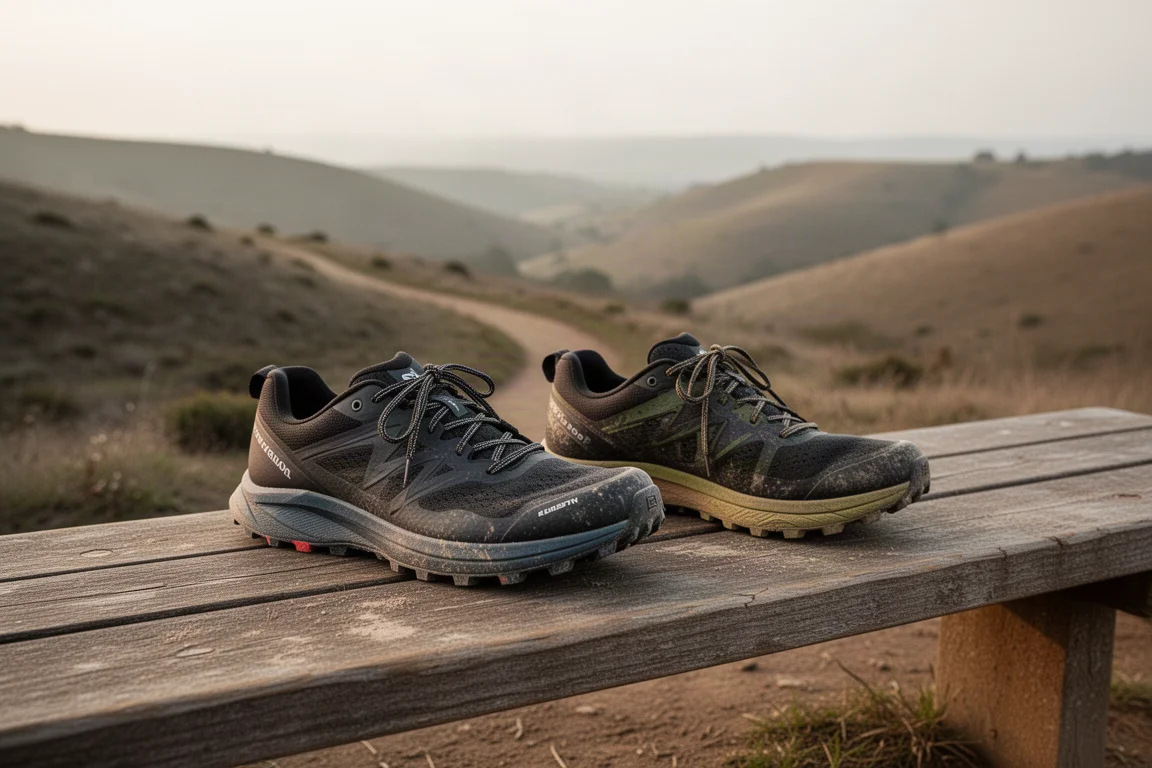
If you can still find the Evo Speedgoat at a fair price and you want the lightest, most race-ready option with a proven ultra-durable Kevlar upper, grab it while you can. If your priorities lean toward long-run comfort, especially around the Achilles and heel, the Speedgoat 5 is the safer and easier-to-find choice, and its lighter foam makes it a clear upgrade over the Speedgoat 4.
Conclusion
This matchup ends with the Evo Speedgoat narrowly on top, but the margin is slim and the right answer depends on your priorities. Weight and durability favor the Evo; heel comfort and everyday availability favor the Speedgoat 5. Either way, both are excellent neutral trail shoes that make it easy to feel confident heading into your next trail season.
Further reading
Related Reviews
Trail Running Shoes
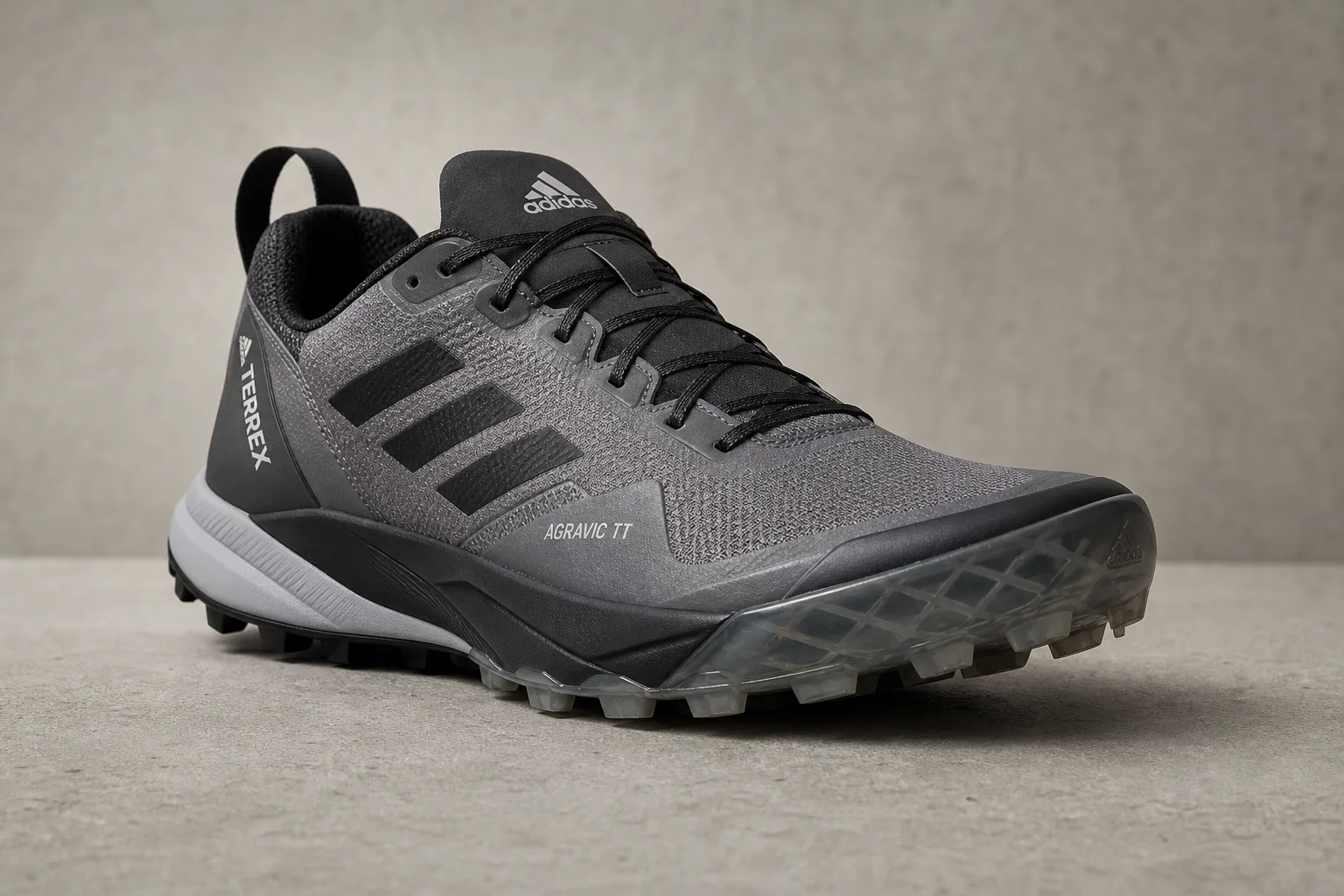
Adidas Terrex Agravic TT Review: A Technical Trail Shoe Built for Rocky Terrain
The Adidas Terrex Agravic TT combines a full-coverage rock plate with a firmer midsole to deliver protection and stability on technical, rocky trails. A capable choice for runners who prioritize underfoot defense over lightweight cushioning.
Trail Running Shoes
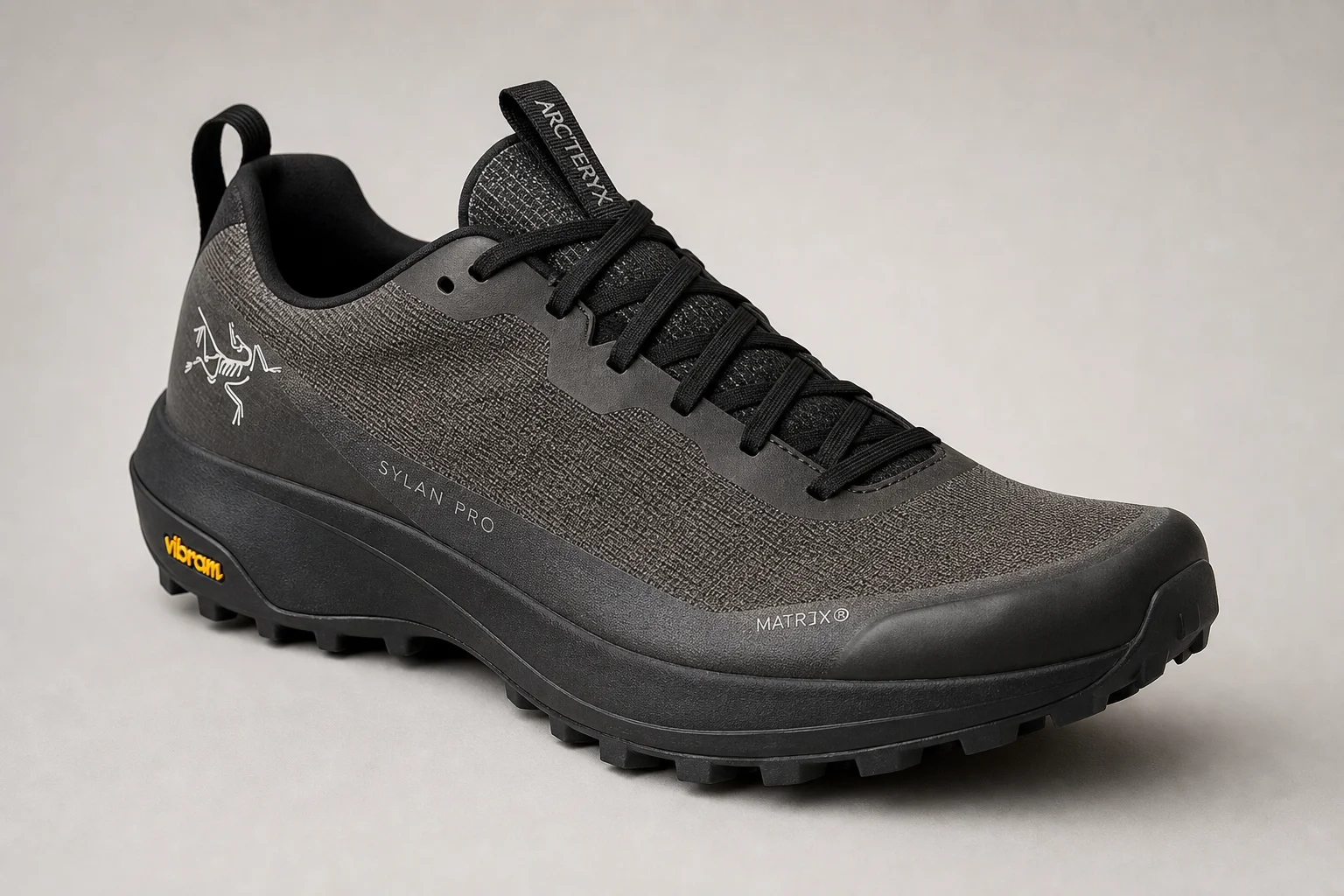
Arc'teryx Sylan Pro Review: A Rocker-Focused Mountain Running Shoe Tested on 20 Miles
The Arc'teryx Sylan Pro brings a pronounced rocker geometry and secure fit to mountain terrain. We tested it on a 20-mile Sawtooth loop to evaluate its climbing efficiency, protection, and handling of technical descents.
Trail Running Shoes
Best All-Mountain Trail Running Shoes: Three Versatile Options for Any Trail
A focused roundup of three all-mountain trail running shoes that handle technical terrain, long distances, and variable conditions with real strengths and practical trade-offs.