Running Shoes
Hoka Clifton Pro Review: A Cushioned Daily Trainer Plus Four Alternatives Worth Comparing
The Clifton Pro adds supercritical EVA to Hoka's classic daily trainer. We break down how it feels and compare it with the Clifton 10, Bondi 9, Nike Vomero 18, and Mizuno Neo Zen 2.
Introduction
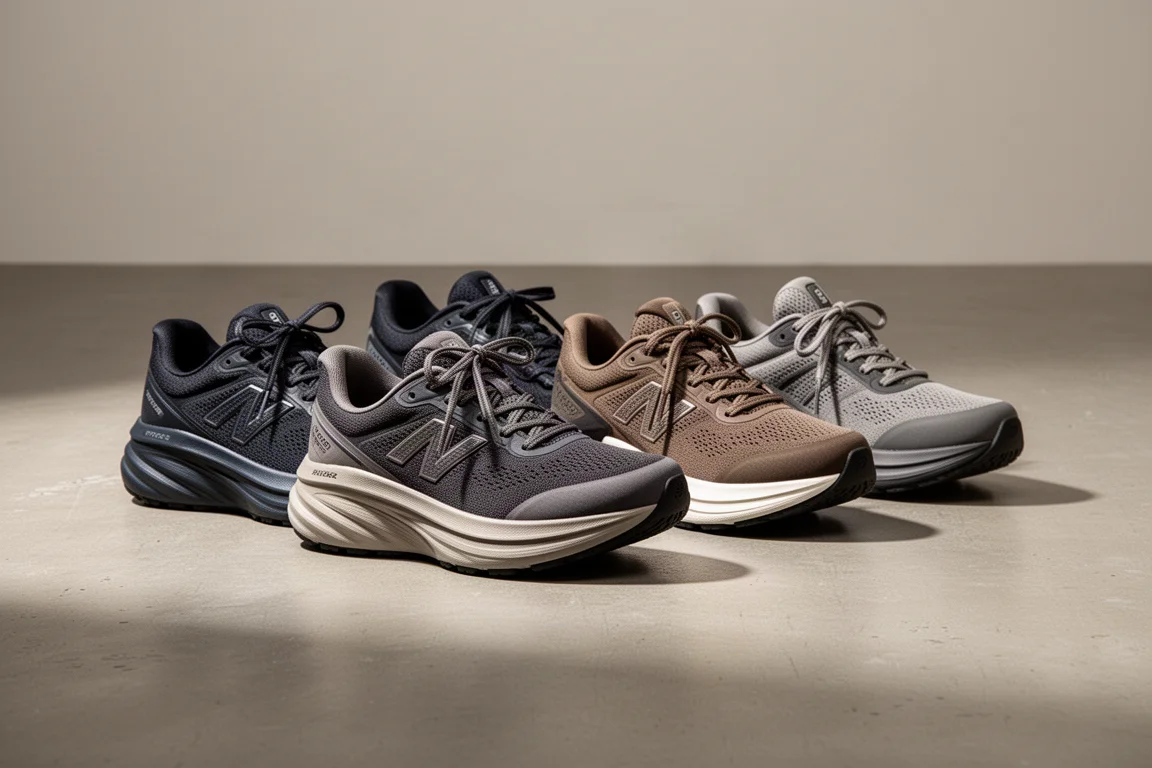
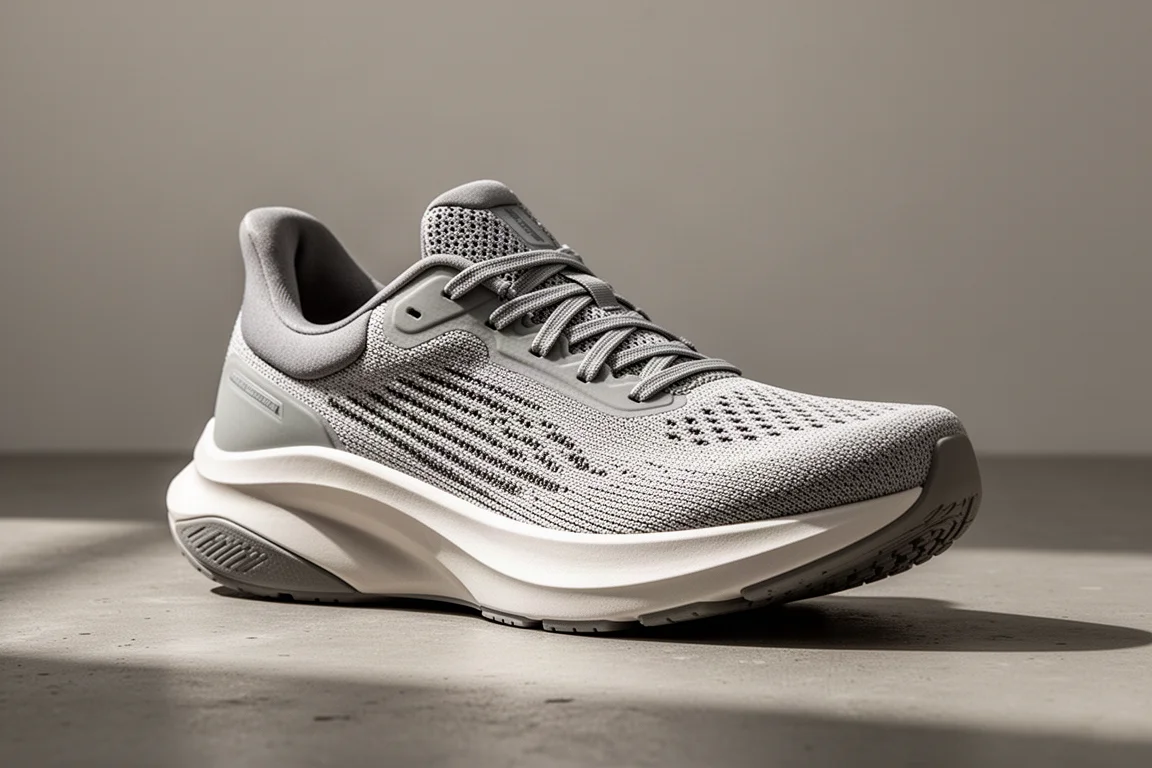
When a brand hesitates to change one of its most established shoes, it sometimes builds an alternate version with the updates it actually wants to make. That is essentially the story of the Hoka Clifton Pro: a shoe positioned as everything runners already love about the Clifton, taken further. It pairs the familiar Clifton geometry with a new supercritical EVA midsole foam, creating a cushioned daily trainer that sits somewhere between a standard daily trainer and a max cushion shoe.
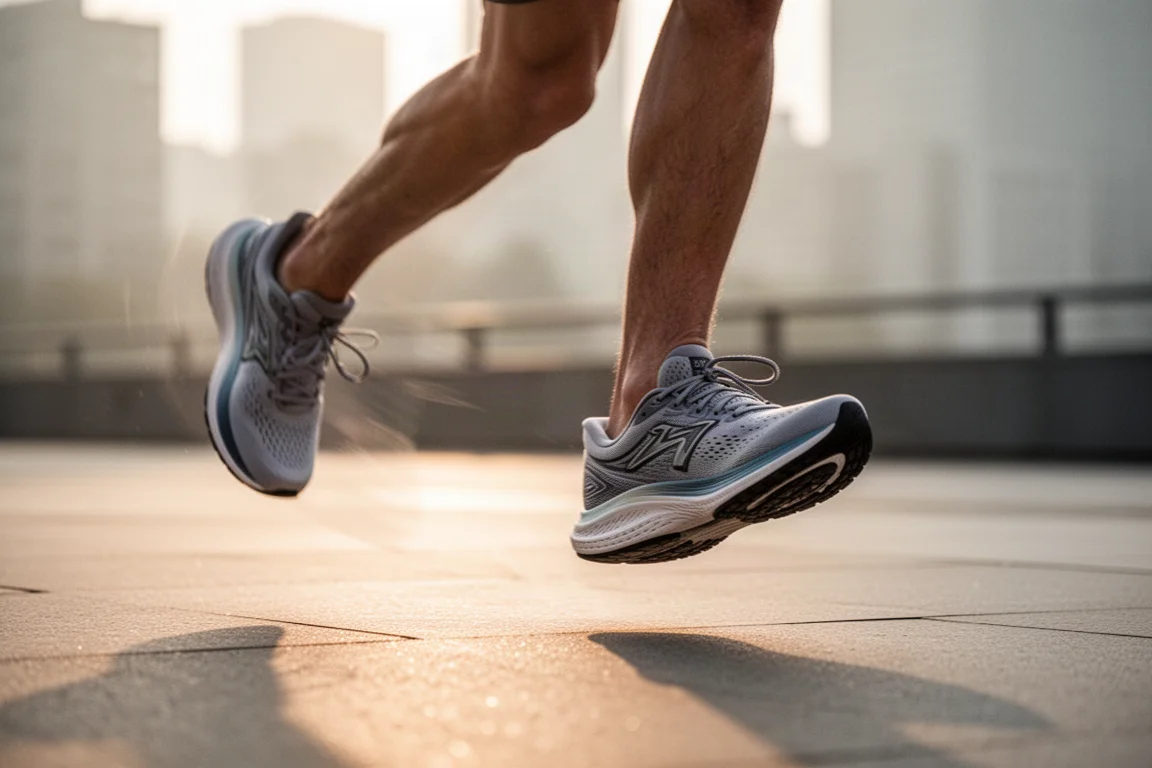
In this guide, we look at how the Clifton Pro performs, what it costs, and how it stacks up against four alternatives: the Hoka Clifton 10, Hoka Bondi 9, Nike Vomero 18, and Mizuno Neo Zen 2.
Clifton Pro Specs and Design
The Clifton Pro uses a 42 mm heel stack with an 8 mm drop, giving 34 mm of foam in the forefoot. Those paper specs match the standard Clifton. The headline change is the midsole: ProFlyte Plus, a supercritical EVA compound, and a welcome return to Hoka naming its foam formulations.
The outsole uses dura-abrasion rubber in a pattern that offers broad coverage while leaving cutouts and exposed foam, saving weight and letting the foam compress without being overly encumbered by rubber. The upper is a breathable, soft mesh with moderate tongue padding and generous padding around the heel cup and Achilles flare. A plastic heel counter and large sidewalls add rearfoot structure and help isolate the ankle.
Fit is true to a regular running shoe size, and the sizing feels well dialed in. The trade-off is weight: a US men’s size 9 measures 9.6 oz (272 g), which is on the heavy side for this class of shoe.
How the Clifton Pro Feels on the Road
On the run, the Clifton Pro feels like a Clifton with supercritical EVA underfoot. At daily training, easy, and recovery paces, it leans into max cushion characteristics: noticeable comfort and compression on every footstrike, plus a pleasant hint of bounce that keeps it from feeling mushy. The heel and overall footprint run wide, so a sense of stability remains despite the softer foam, and the rocker is present but not aggressive, just enough to help manage all that stack height.
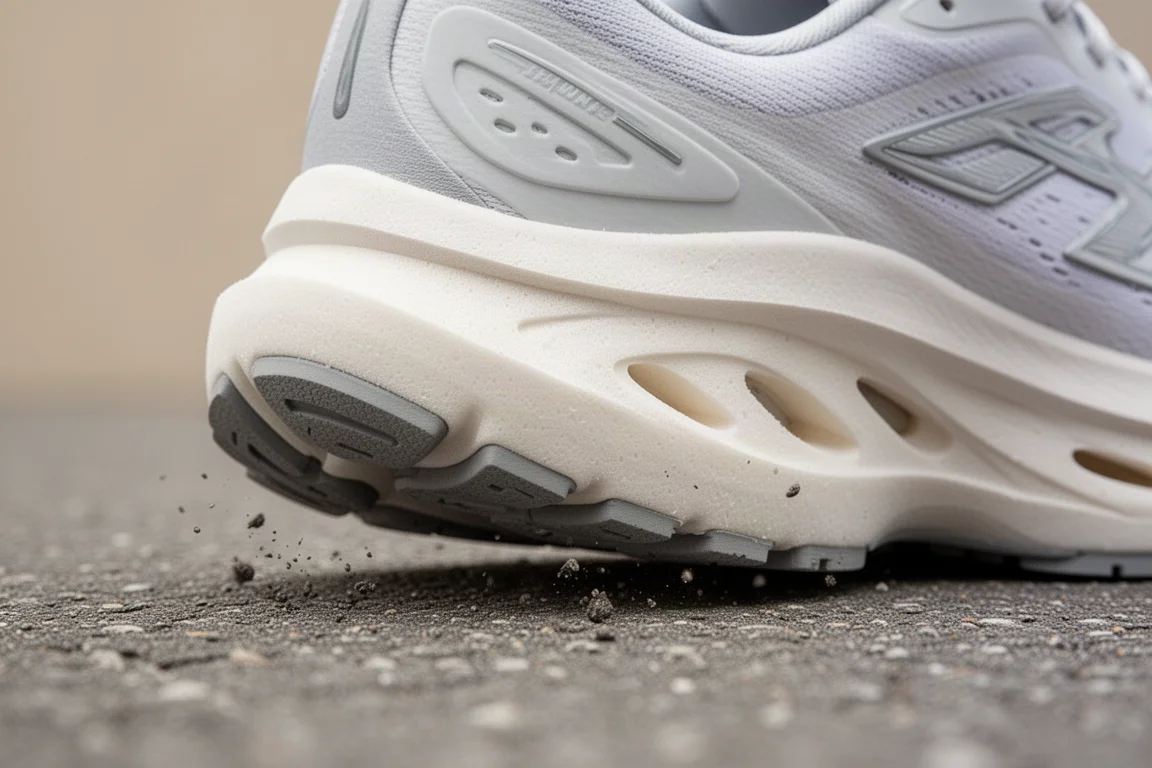
At moderate and up-tempo paces it does okay, with the bounce helping, but the shoe feels bigger and heavier than a standard Clifton, and that bulk starts to show at faster efforts or extended speed work. Its natural band is the same pace range you would use a regular Clifton for: daily training, easy runs, and some longer efforts.
Staying Within the Hoka Family: Clifton 10 and Bondi 9
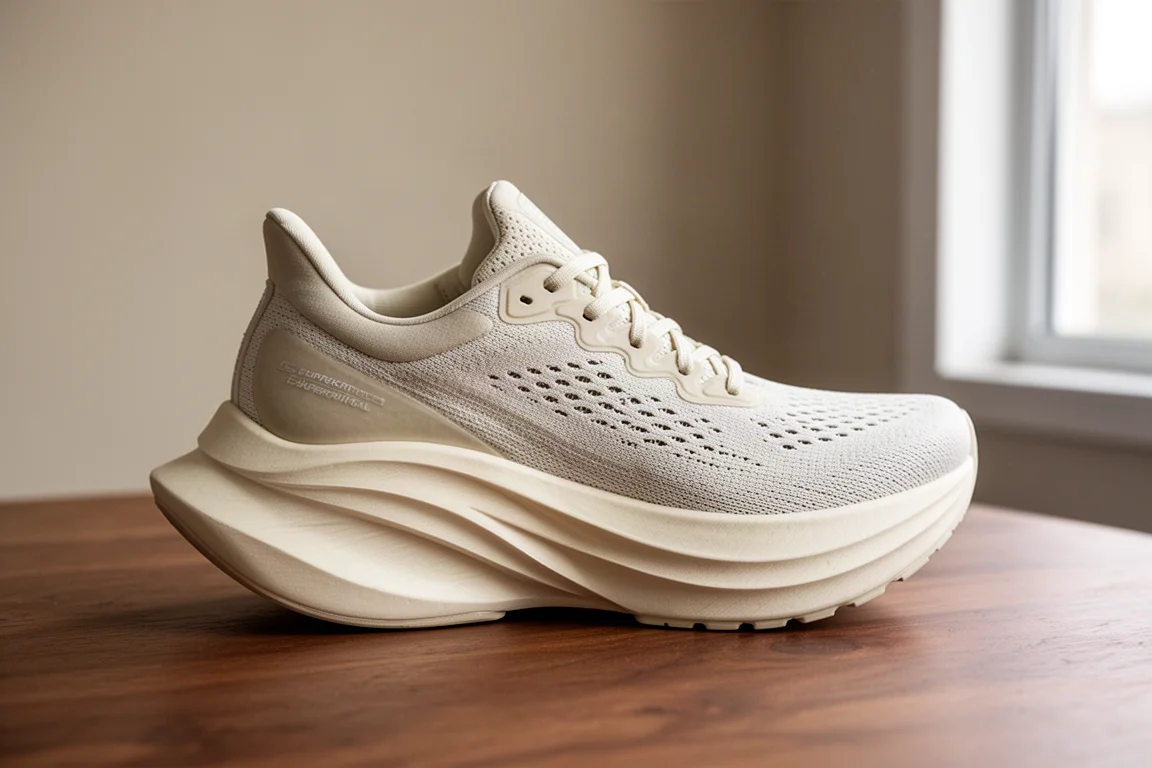
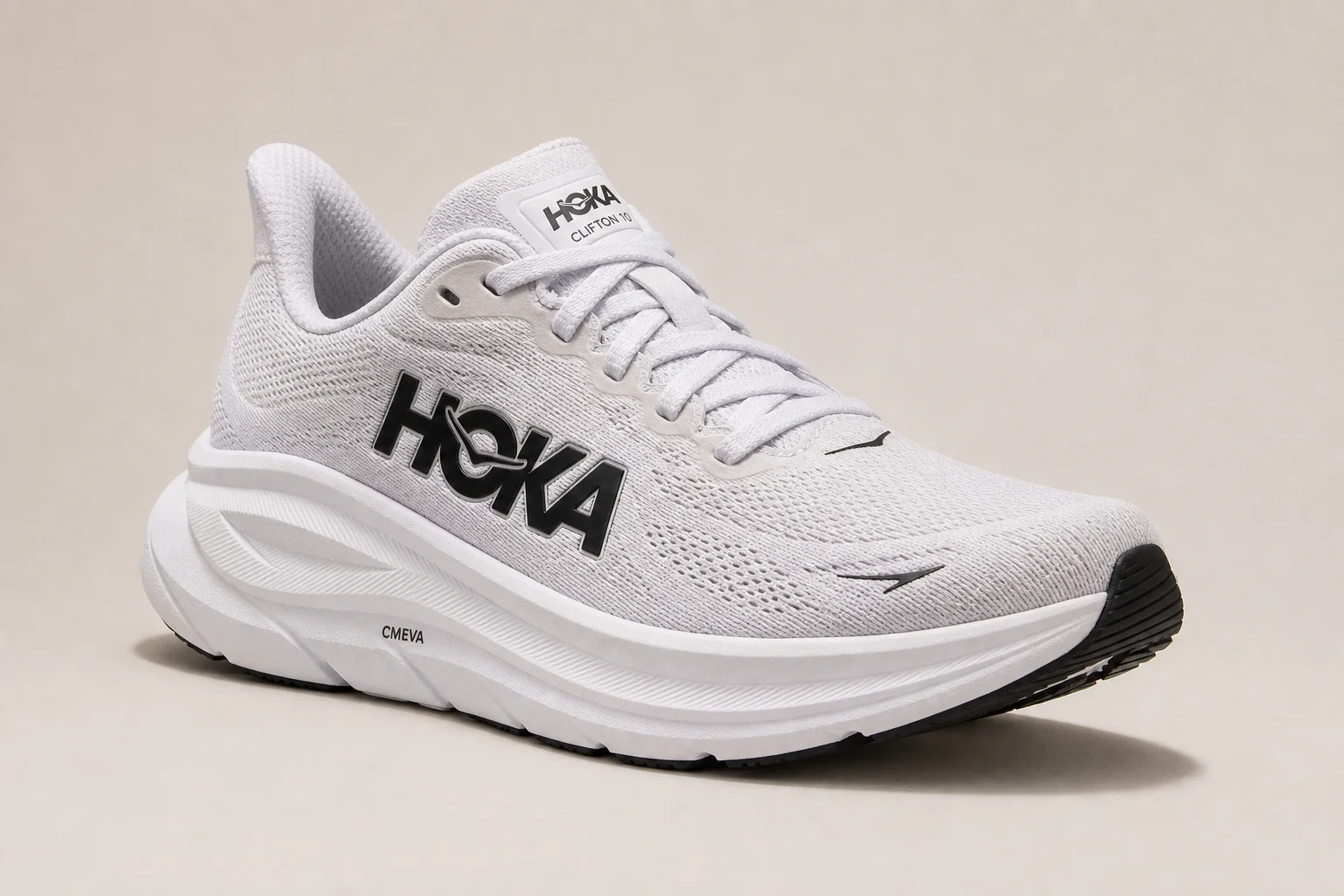
If the Clifton Pro’s $165 price gives you pause, the Clifton 10 is the obvious budget-friendly option. It shares the same stack height, heel drop, and much of the same mechanics, but uses compression molded EVA instead of supercritical EVA. It offers a little more stability and a little less of the softer, mushy cushion feel, which some runners will actually prefer. It normally retails at $155, but with the Clifton 11 arriving July 1st, you can currently find the Clifton 10 for around $124, which is a strong deal.
The Bondi 9 is the other close comparison on the spec sheet. It also uses supercritical EVA with a very similar heel stack, about 1 mm taller, but a different drop that puts more foam in the forefoot. It simply has more of everything: more upper padding and detail, more rubber coverage, and more midsole volume, making it a true max cushion shoe. The Clifton Pro is the bouncier, peppier shoe of the two, while the Bondi 9 prioritizes comfort with no concern for pace. That comfort comes at a cost, though: the Bondi 9 retails at $175.
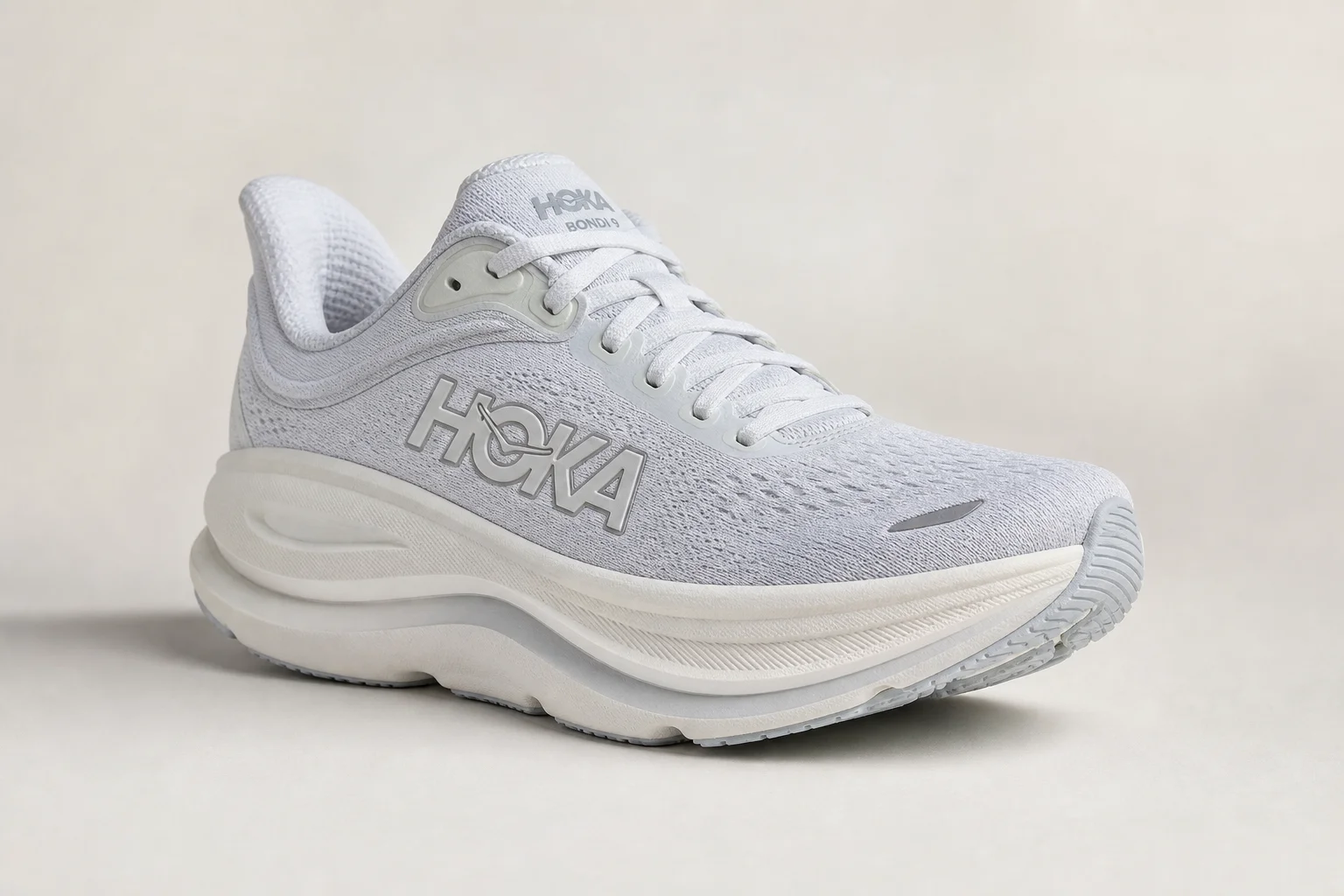
A useful way to think about the lineup: the Clifton is the daily trainer, the Bondi is the max cushion shoe, and the Clifton Pro sits between the two as a cushioned daily trainer with more plushness than a standard daily trainer.
Other Brands: Vomero 18 and Neo Zen 2
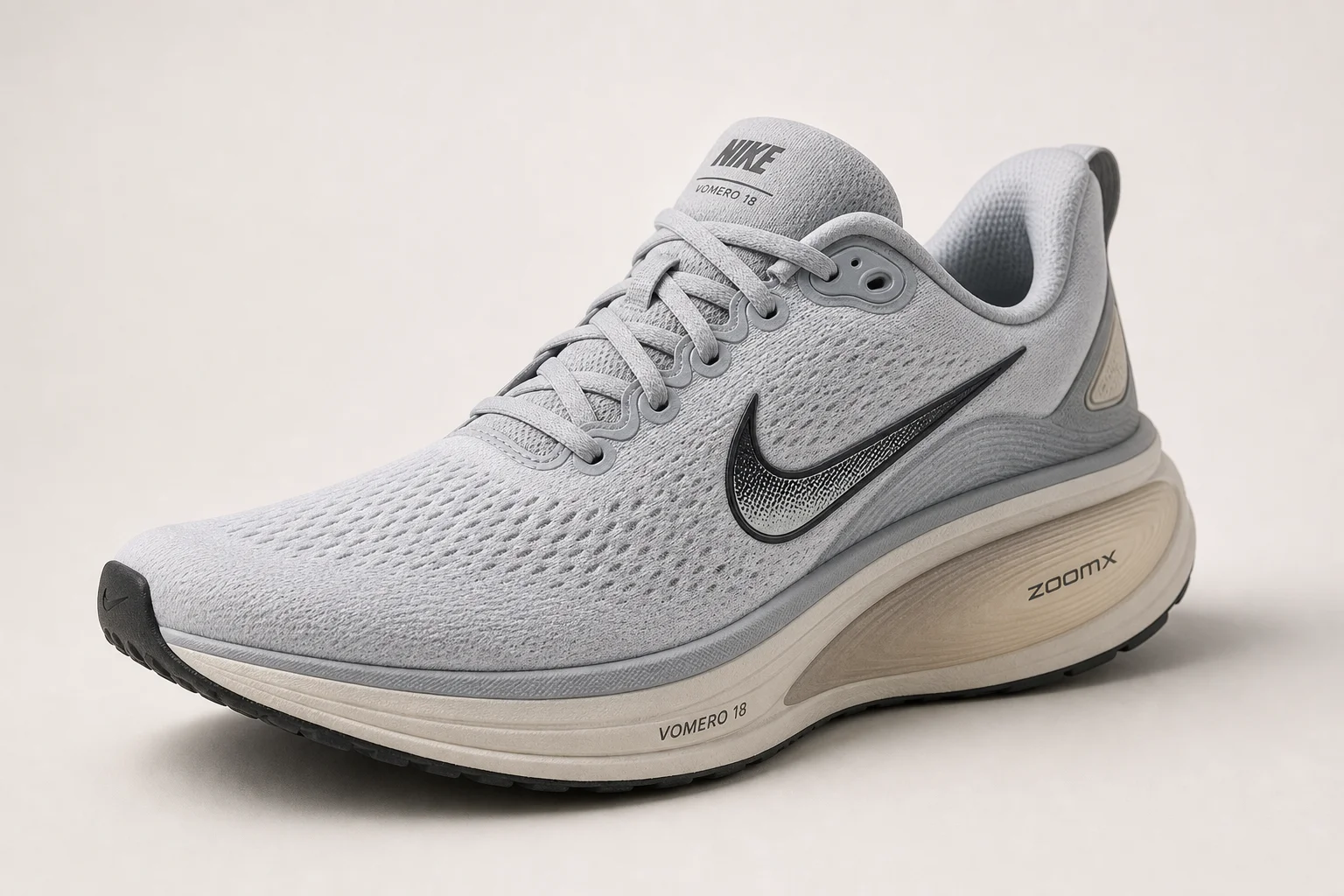
The Nike Vomero 18 is a cushioned daily trainer built with a ZoomX foam top layer over a ReactX foam bottom layer, pairing daily training foam with an everyday version of Nike’s racing foam. It has a similar stack height but a very different 10 mm drop, and it feels like even more than that: high in the heel, low in the forefoot. Heel strikers get a concentrated dose of that foam, while forefoot strikers feel less of the plushness. The flip side is that it feels more nimble and responsive than the Clifton Pro. It starts at $155, and since it has been out for a while, some colorways drop to around $125.
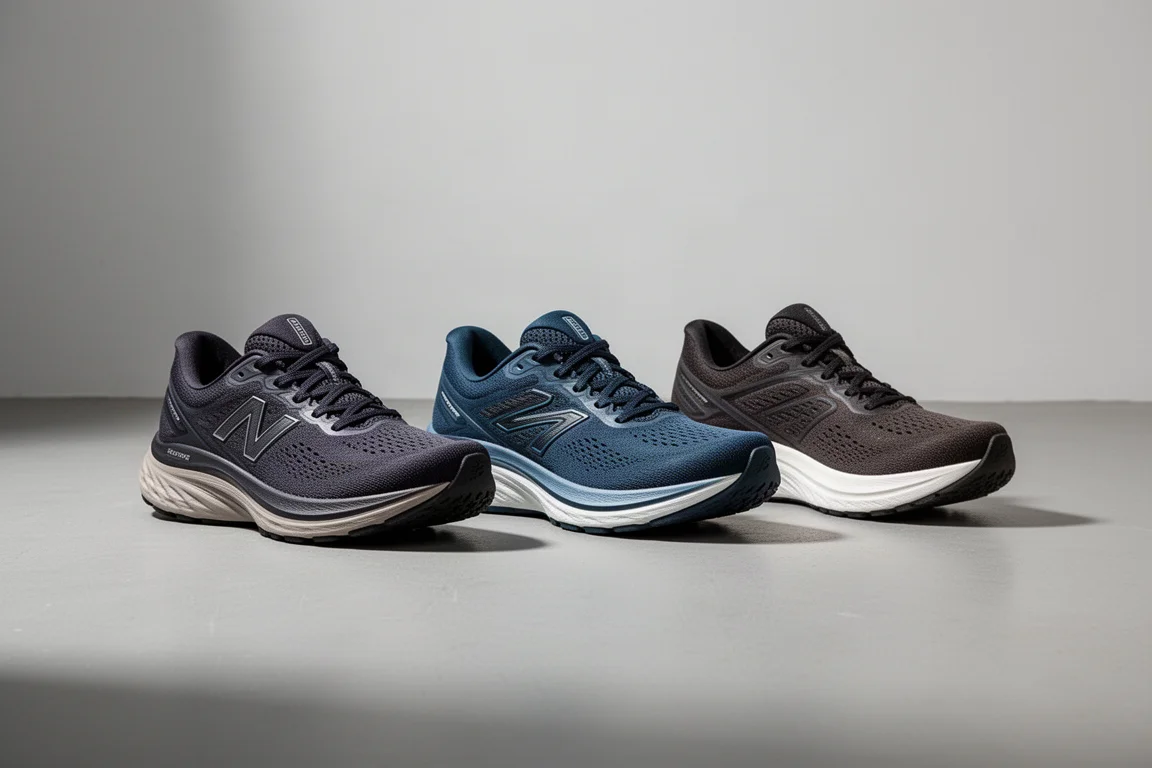
The Mizuno Neo Zen 2 also uses supercritical EVA, though a blended version. The heel stack starts out similar to the Clifton Pro, but the drop is 6 mm. Underfoot, the two feel fairly similar, though the Clifton Pro’s foam reads slightly more mushy while the Neo Zen 2’s blend feels a touch firmer. Both are relaxed cushioned daily trainers. Fit is where they diverge most: the Neo Zen 2 is narrower in the midfoot, while the Clifton Pro feels roomier, and preference between them is close. The Neo Zen 2 is also slightly cheaper at $160.
Buying Advice
The Clifton Pro is a pleasant cushioned daily trainer that will work for a wide range of runners, especially those who want a Clifton with a more comfortable, bouncier foam. At $165 it is a bit expensive for what it delivers, and some runners may reasonably wonder why it is not simply the Clifton 11, or why the “Pro” label was not pushed much further.
Choose the Clifton 10 if you want similar geometry for less money and prefer a slightly more stable, less mushy ride. Choose the Bondi 9 if maximum cushion comfort matters more than pace. Choose the Vomero 18 if you want more responsiveness and a pronounced heel drop, or if you can find it discounted. Choose the Neo Zen 2 if you like a relaxed supercritical EVA ride with a lower 6 mm drop and a slightly narrower midfoot fit.
Conclusion
The Clifton Pro is a darn good Clifton, even if it is not clear exactly how “Pro” it is. It finally brings supercritical EVA to the Clifton family and delivers a comfortable, stable cushioned daily trainer for everyday miles. Whether it is the right pick depends on budget and ride preference, but among these five shoes there is a strong option for nearly every kind of runner in this category.
Further reading
Related Reviews

Running Shoes
Best Road-to-Trail Running Shoes: Three Versatile Options for Mixed Terrain
A practical guide to three road-to-trail running shoes that handle both pavement and mild trails, with clear strengths and trade-offs for different runner types.

Running Shoes
Best Running Shoes for Achilles Tendonitis: Three Options Explained
Three running shoes with different heel drops and support features designed to help reduce Achilles tendon pain during walking and running.

Running Shoes
Best Running Shoes for Women: Five Top Choices Ranked
A ranked guide to five women's running shoes, from versatile daily trainers to high-performance racing options, with real strengths and trade-offs for each.