Running Shoes
Hoka Clifton 9 vs Hoka Skyflow: Which Daily Trainer Deserves Your Money?
Two Hoka daily trainers with more similarities than differences. We break down the foam, the ride, and which one suits your running.
Introduction
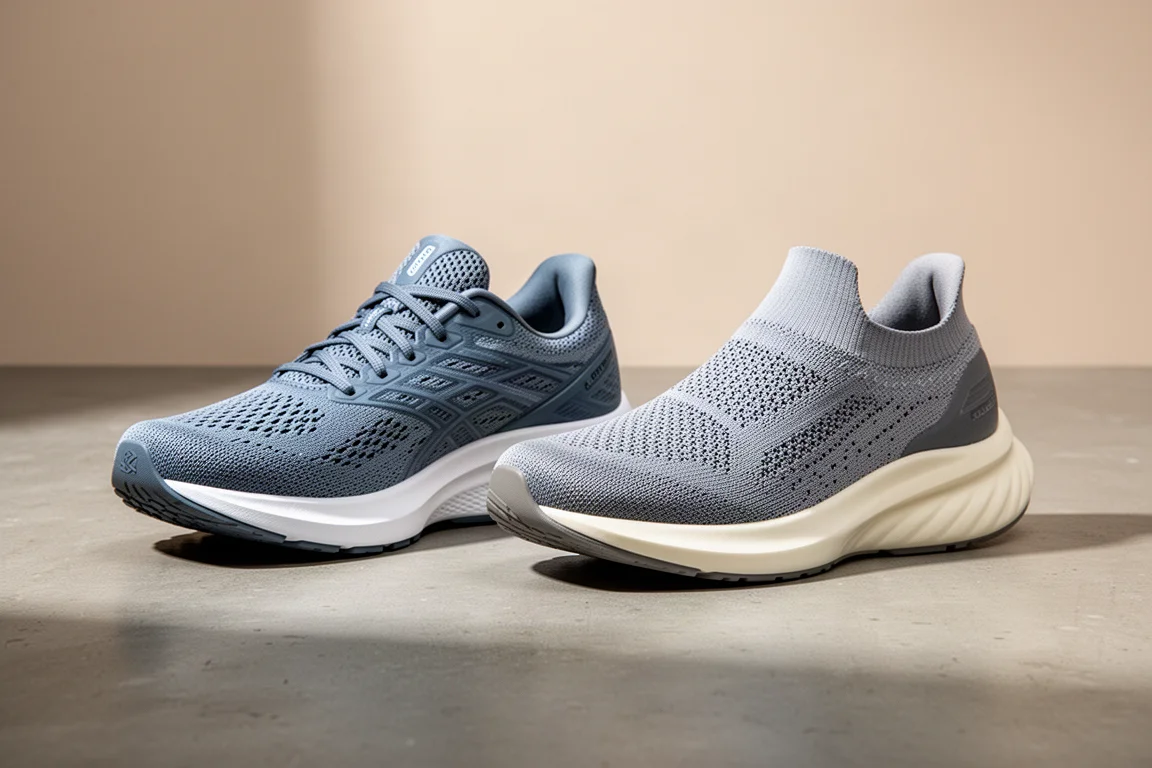
The Hoka Clifton 9 and the Hoka Skyflow both sit in the daily trainer category, and they overlap far more than they differ. The Clifton is close to the classic, quintessential Hoka: long established, on its ninth version, and available in loads of colorways. The Skyflow is a newer shoe that occupies essentially the same space but with a slightly more premium experience, a different midsole foam, and a slightly higher price tag.
Both are designed for the same job: cranking out a lot of comfortable, versatile daily training miles. So the real question is whether the Skyflow’s upgraded foam justifies the extra cost, or whether the Clifton remains the smarter buy.
Quick Specs and Pricing
The Clifton 9 costs £130 or $145, while the Skyflow is £150 or $160, a list price difference of £20 or $15.
The Skyflow is the heavier of the two at 285g or 10 oz in UK size 9, versus 262g or 9.2 oz for the Clifton in the same size. Both share a 5mm drop. The Skyflow has a slightly higher stack at 40mm heel and 35mm forefoot in the men’s shoe, and 38mm and 33mm in the women’s. The Clifton is now listed at 38mm heel and 33mm forefoot for men, and 37mm and 32mm for women, so it also rides as a fairly high-stack shoe, just a touch lower than the Skyflow.
Design and Midsole Foam
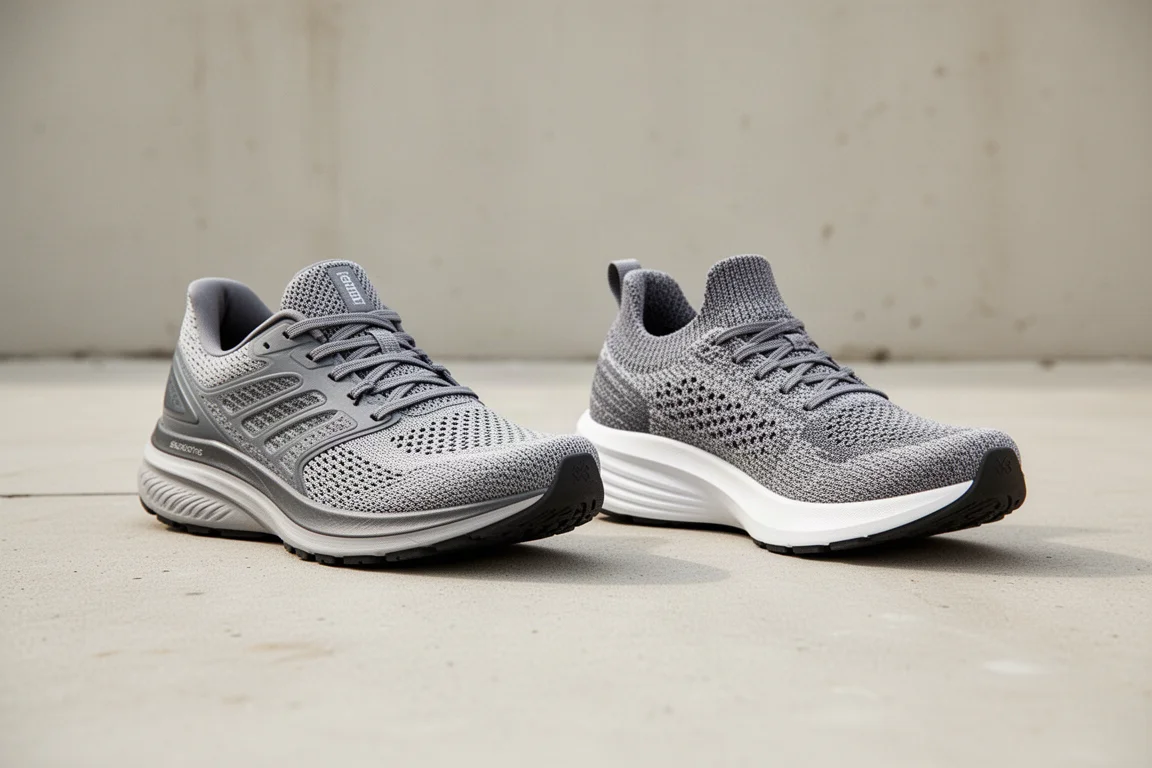
The Skyflow uses a crepe jacquard upper, a supercritical EVA midsole, Hoka’s usual rocker geometry, and a rubber outsole with good coverage: a thick, durable rubber layer in all the key areas, with a little exposed foam and a recess in the middle of the shoe to save weight.
The Clifton has an engineered mesh upper with a fairly padded tongue and collar, both areas offering a similar level of padding to the Skyflow. Both shoes have fairly significant internal heel counters. The Clifton uses compression-molded EVA in its midsole, the same foam Hoka has used in many shoes for a long time, plus the rocker and a comparable rubber outsole.
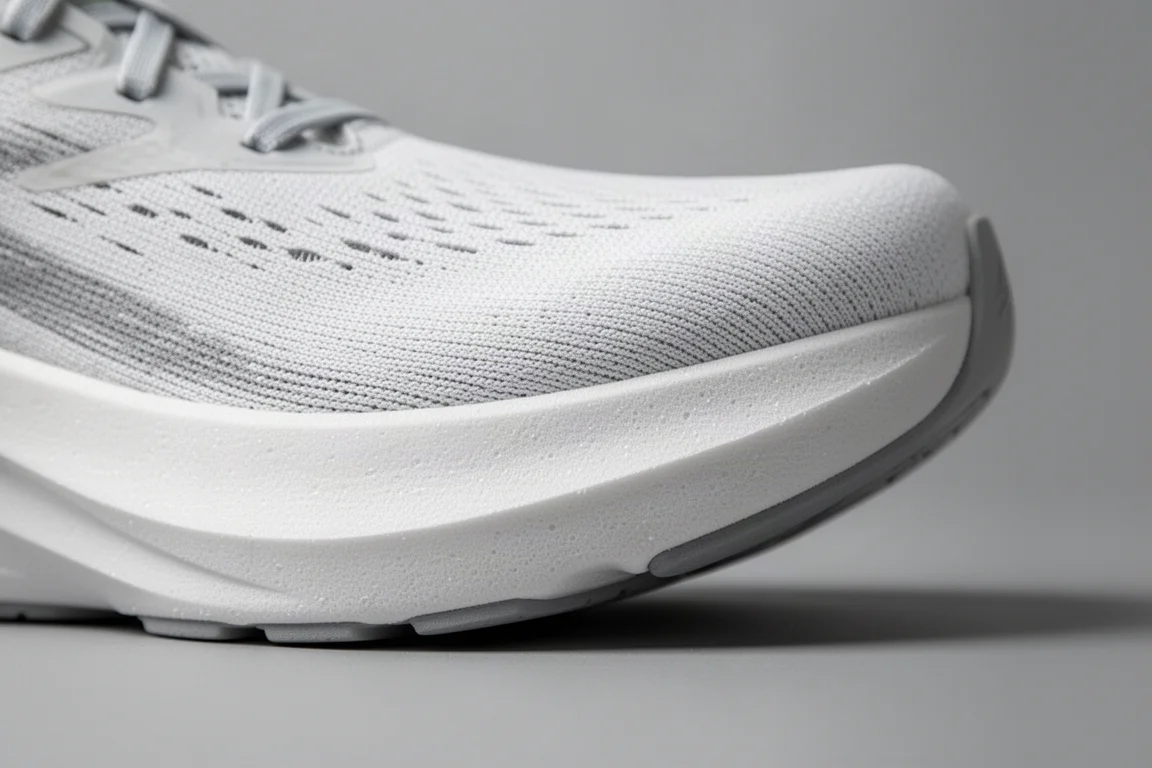
That midsole is the key difference between the two shoes. The supercritical EVA in the Skyflow is similar to the materials used in shoes like the Mach line, and it changes how the shoe feels underfoot.
Fit and Comfort
Fit is a strong point across both shoes. They run reasonably narrow, as often happens with Hoka, but wide sizes are available for both. The sizing runs small relative to some brands, which suits runners who find many models come up large. Both have a fairly padded tongue that never felt oppressive even in hotter conditions, with good toe box room and solid hold around the heel and midfoot. Both also suit runners with a fussy Achilles, since the heel designs cause no irritation.
Ride Feel and Performance
Out on the road, the ride is quite similar between the two, but the foam difference is noticeable. The Clifton actually feels a little softer at the heel with its compression-molded EVA. The Skyflow gives a slightly more responsive toe-off: both are very comfortable and well cushioned, but the Skyflow has a bit more pop off the toes.
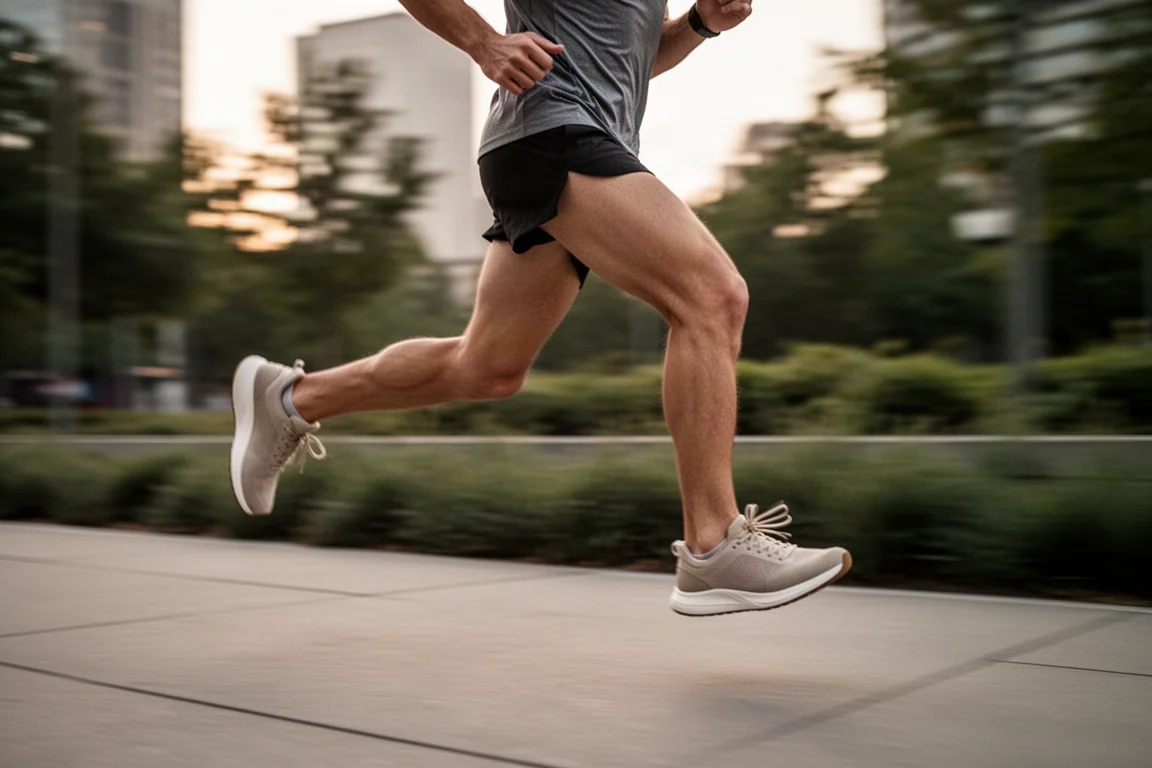
Both shoes sit in the comfort-first daily trainer category but can do a little bit of everything. The Skyflow’s slightly bouncier feel makes it a little more suitable for long runs at any pace, because you hold your form better over an hour or more, and it has a little more to offer on faster runs too, despite being heavier. For progression runs or easy-to-steady pace sessions, the supercritical foam simply gives a little more back.
The Clifton stays nimble and lightweight for the cushioning on offer, and it works really well for shorter, nippier runs where you pick up the pace or do some fun intervals. Its soft heel feel may even be what some runners prefer. Where it falls short is toe-off snap, which lets it down slightly for faster running. The difference between the two is a bit like the Nike Pegasus 41 versus the Pegasus Plus, though less clear-cut, because the Skyflow is heavier, not lighter, than the Clifton.
The Verdict
For marathon training and grinding out hard mileage, the Skyflow was a notable upgrade. The supercritical foam holds up better on long runs and likely over the lifespan of the shoe too, and the geometry paired with that foam makes a really nice daily trainer you barely notice on your foot. It feels consistent and holds its responsiveness throughout runs.

If you mostly run shorter distances and just want a comfortable shoe, the Clifton does that really well, and it will likely appear in sales frequently, especially around the Black Friday period. If you spot it at a big discount, that is probably the way to go. For newer or heavier runners, the more resilient foam in the Skyflow may also offer better durability and protection over the course of the shoe’s life.
Conclusion
These are two really good shoes with a very similar Hoka feel, and there are more similarities than differences between them. The Skyflow’s foam is a genuine upgrade and the one I would pay extra for, particularly for long runs and higher mileage. But whether that upgrade is worth the price premium depends on the price at the time and what you plan to use the shoes for. Short runs and comfort on a budget favor the Clifton; long miles and marathon training favor the Skyflow.
Product link
View more details for Hoka Clifton 9
This product is mentioned in the review. Check the specifications, options, and compatibility before buying.
View more details for Hoka Clifton 9Further reading
Related Reviews

Running Shoes
Best Road-to-Trail Running Shoes: Three Versatile Options for Mixed Terrain
A practical guide to three road-to-trail running shoes that handle both pavement and mild trails, with clear strengths and trade-offs for different runner types.

Running Shoes
Best Running Shoes for Achilles Tendonitis: Three Options Explained
Three running shoes with different heel drops and support features designed to help reduce Achilles tendon pain during walking and running.

Running Shoes
Best Running Shoes for Women: Five Top Choices Ranked
A ranked guide to five women's running shoes, from versatile daily trainers to high-performance racing options, with real strengths and trade-offs for each.