Running Shoes
Hoka Clifton 9 vs Saucony Triumph 20: Two Cushioned Daily Trainers Compared
A closer look at how the Hoka Clifton 9 and Saucony Triumph 20 compare on cushioning, ride feel, weight, and everyday versatility.
Introduction
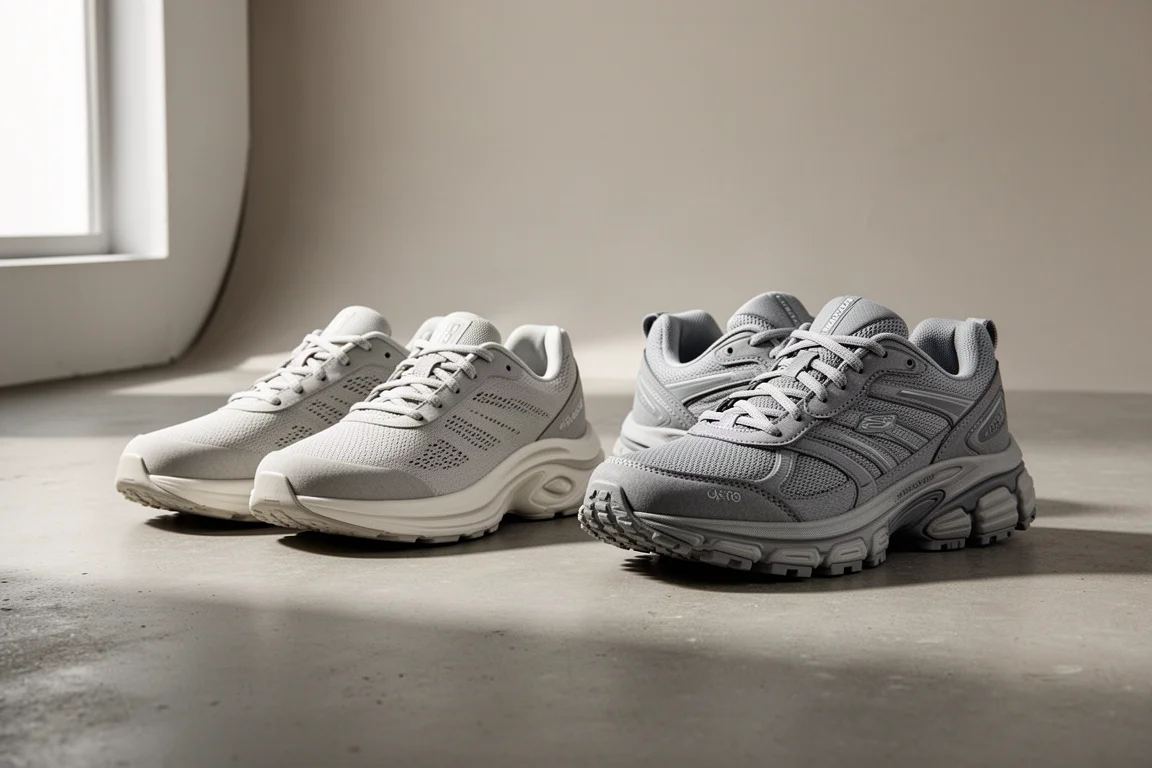
The Hoka Clifton 9 and Saucony Triumph 20 are two cushioned daily trainers that, on paper, look like close rivals. Both are designed for comfortable everyday miles, easy runs, and long sessions. In practice, though, they deliver noticeably different ride experiences, and choosing between them comes down largely to which ride feel suits you best.
The Clifton 9 received targeted updates to make it lighter and to offer a higher level of cushioning, while the Triumph 20 brought a modified midsole foam, new geometry with an increased rocker, and changes to the lacing system and upper. Both are aimed at broad appeal, and both are shoes many runners will happily use as their only trainer.
At a Glance: Specs and Fit
The Hoka Clifton 9 costs £130 or $145, weighs 247g (8.7 oz) for men in a size 8, and has a 5mm drop. The Saucony Triumph 20 costs £155 or $160, weighs 264g (9.3 oz) for men in a size 8, and has a 10mm drop. That makes the Clifton both the lighter and cheaper option, with a lower drop as well.

Fit is refreshingly straightforward in both shoes. Testers found both true to size, with the Hoka feeling slightly tighter but not enough to be a concern even on longer runs. Both offer comfortable forefoot space, which is part of why they are designed for widespread appeal.
Ride Feel: Rocker vs Traditional
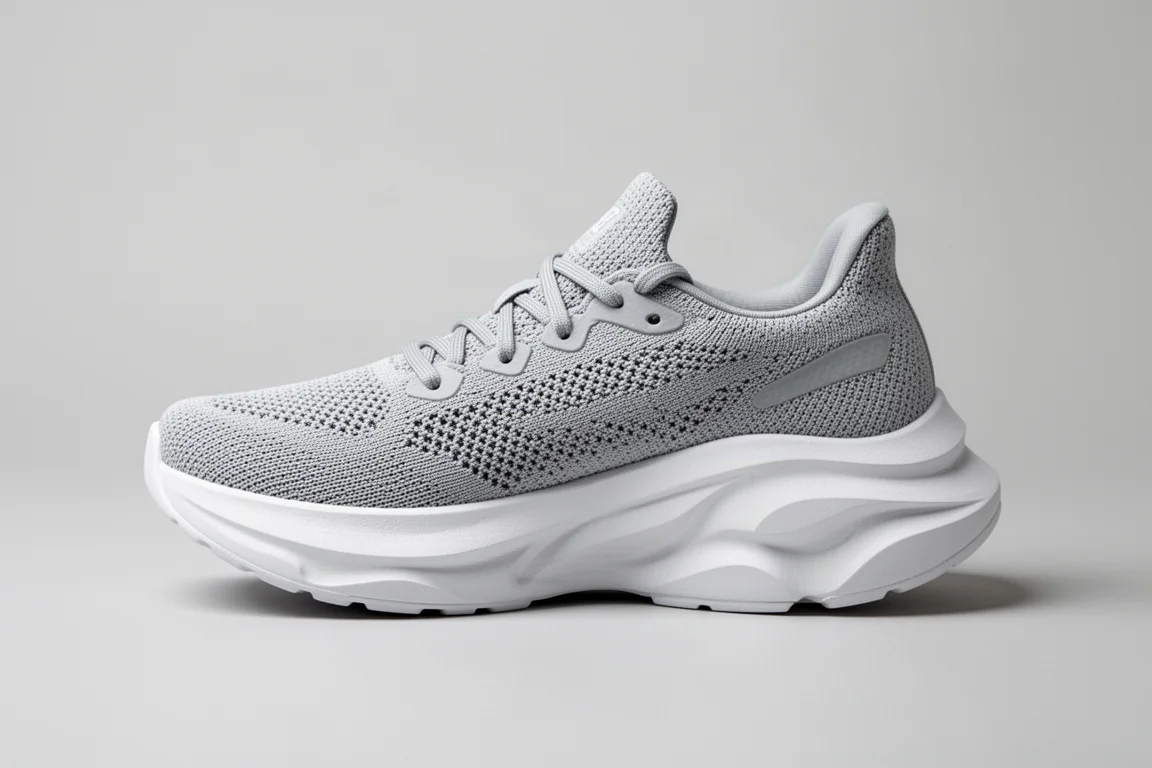
The Clifton 9 features a softer compression-moulded EVA midsole, a breathable engineered knit upper, a gusseted tongue, an early-stage meta-rocker for improved heel-to-toe transition, and geometry designed for better stability. The Triumph 20 uses a modified Power Run Plus midsole foam for a lighter, softer ride, plus a Power Run Plus sock liner, a heel counter for stability, and a healthy covering of outsole rubber.
On the run, the differences become clear. The Clifton 9 is lighter on the foot and delivers a more rockered ride that makes it easy to settle into a rolling rhythm across a range of paces. Some testers actually find it feels slightly more modern in how it approaches the run, despite using fairly conventional EVA foam. The Triumph 20 has a slightly more traditional, snappier feel, with more energy return to it, and a nice rolling action that stays comfortable without feeling cumbersome.
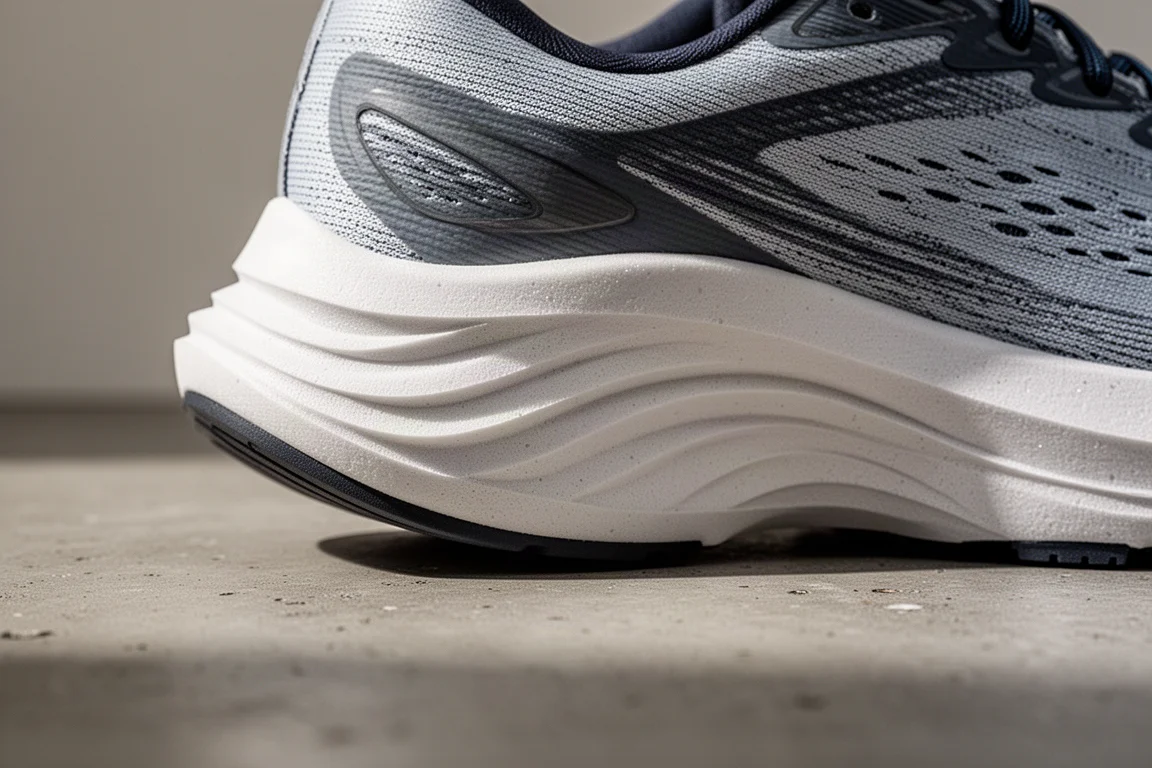
Classifications have blurred somewhat: while the Triumph line was once seen as a pure cushion shoe, it is now a more versatile shoe that sits firmly in the cushioned daily trainer category alongside the Clifton. The Clifton, meanwhile, is a genuine improvement over its predecessors, which had a firmer, duller ride. The softer foam gives the Clifton 9 noticeably more life, making it a shoe some testers now reach for willingly, something they never said about earlier versions.
Which One Should You Pick?
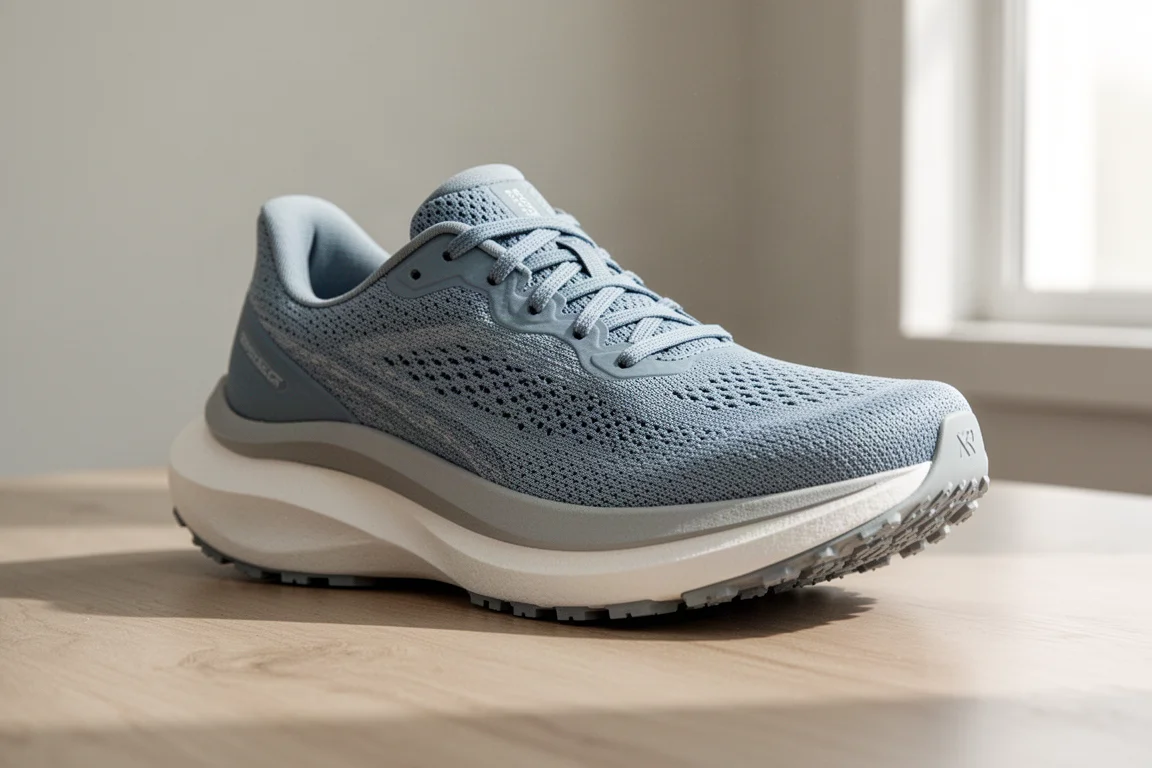
The Triumph 20 is arguably the more accomplished all-rounder. It is well cushioned, reasonably versatile for a shoe that is not especially light, durable, and reliable, and it suits a wide range of runners. Experienced runners may use it primarily as a cushion shoe for easy sessions and long runs, while newer runners could happily use it as their only shoe for everything. It is a shoe many testers would happily take travelling, knowing it will handle week after week of easy mileage.
The Clifton 9 appeals to a different type of runner. It suits people who prefer a lighter, more rockered ride and want a shoe that ticks over nicely at everything from 5K pace up to half marathon training runs. Its predecessor’s firm, dull ride put many testers off, but the Clifton 9’s softer foam and lighter build have changed that impression significantly.

There is also a practical point worth knowing: runners who have used Hoka shoes in the past tend to go back to them, because there is something about the feel of a Hoka shoe that some people simply prefer. Long-standing Clifton fans will not be disappointed here either. The shoe has not been dramatically changed, just improved to a point where the familiar feel remains intact with a noticeable upgrade underfoot.
Verdict: Two Good Shoes, Two Different Rides
This comparison ultimately splits on ride preference. One tester picked the Clifton 9 for its lighter weight, lower drop, well-cushioned enough ride, and comfortable feel across a nice range of paces. The other picked the Triumph 20, praising it as a solid, comfortable, reliable shoe with more energy return and a more fluid motion, and he remains a long-term fan of the line.
Both testers would be happy to recommend either shoe. If you can try both, instinctive reaction to the ride feel is probably the best way to decide, unless there is a drastic price difference. The Clifton 9 is the lighter, cheaper shoe with a rockered ride, while the Triumph 20 is the slightly heavier, more traditional-feeling option with a durable, thick outsole and a touch more energy return.
Conclusion
The Hoka Clifton 9 and Saucony Triumph 20 are both good cushioned daily trainers, and neither is a bad choice. The Clifton 9 is a significant improvement that finally makes the line enjoyable for daily miles, while the Triumph 20 remains one of the most dependable cushioned trainers around. Match the shoe to the ride feel you prefer, and you will not go far wrong with either one.
Further reading
Related Reviews

Running Shoes
Best Road-to-Trail Running Shoes: Three Versatile Options for Mixed Terrain
A practical guide to three road-to-trail running shoes that handle both pavement and mild trails, with clear strengths and trade-offs for different runner types.

Running Shoes
Best Running Shoes for Achilles Tendonitis: Three Options Explained
Three running shoes with different heel drops and support features designed to help reduce Achilles tendon pain during walking and running.

Running Shoes
Best Running Shoes for Women: Five Top Choices Ranked
A ranked guide to five women's running shoes, from versatile daily trainers to high-performance racing options, with real strengths and trade-offs for each.