Running Shoes
Hoka Clifton 11 vs Clifton 10: Which Daily Trainer Fits Your Running?
A close comparison of Hoka's flagship daily trainer, covering fit, midsole feel, stability, and durability to help you pick between version 11 and version 10.
Introduction
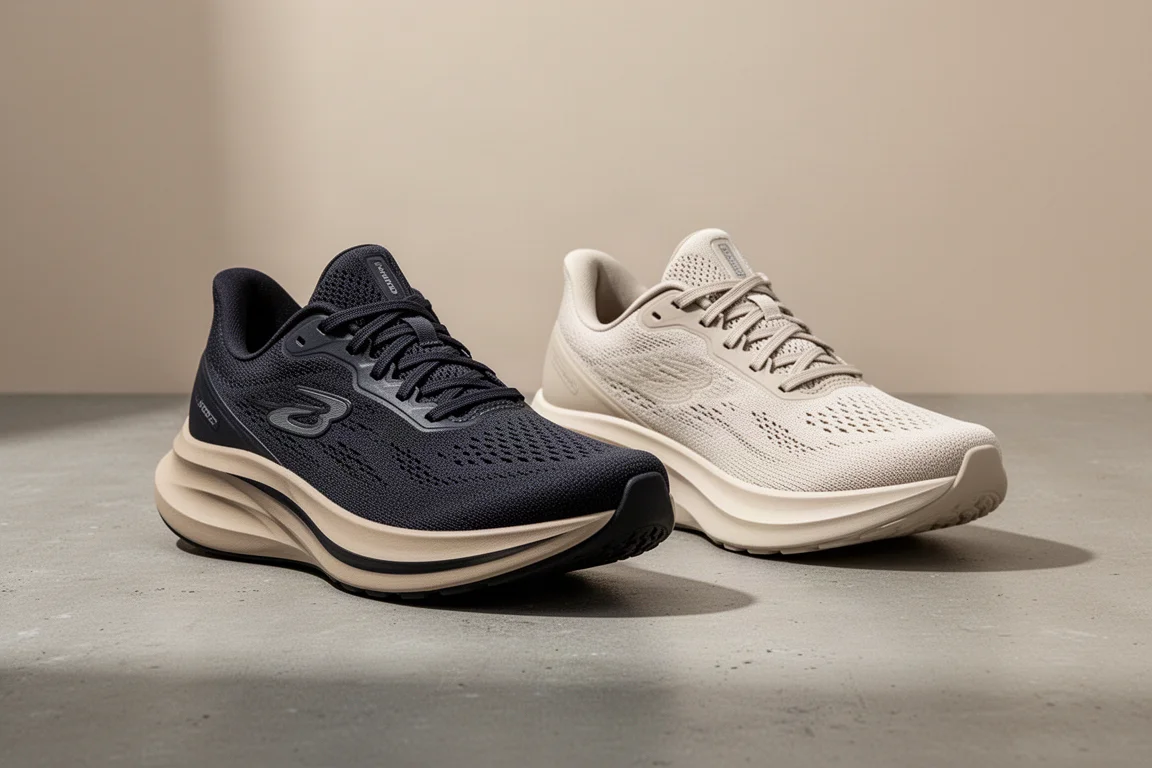
The Clifton has been Hoka’s flagship daily trainer for over a decade, and version 11 is described as an upper update on the Clifton 10. In practice, though, the two shoes feel meaningfully different underfoot, and that difference matters when you are deciding where to spend your money.
Neither shoe is perfect. Clifton outsoles have a reputation for wearing quickly, and the wide midfoot sidewalls will not suit everyone. But between the two versions, there is now a clearer choice depending on whether you want a smoother, softer ride or a stiffer, more structured one.
Specs and Weight: Subtle Changes on Paper
In a men’s size 10, both shoes measure around 10 oz, with the Clifton 11 at 283 g and the Clifton 10 at 285 g. The difference is a couple of grams and nothing anyone will notice on a run, but it is there despite the 11 carrying a little extra midsole.
Stack heights are identical: 42 mm in the heel and 34 mm in the forefoot for the men’s version, giving an 8 mm drop. The women’s version is listed at 38 mm heel and 30 mm forefoot, also an 8 mm drop. That moderate drop is relatively new territory for Hoka, which spent years in the 5 to 6 mm range, and it pairs unusually well with the shoe’s rockered ride.
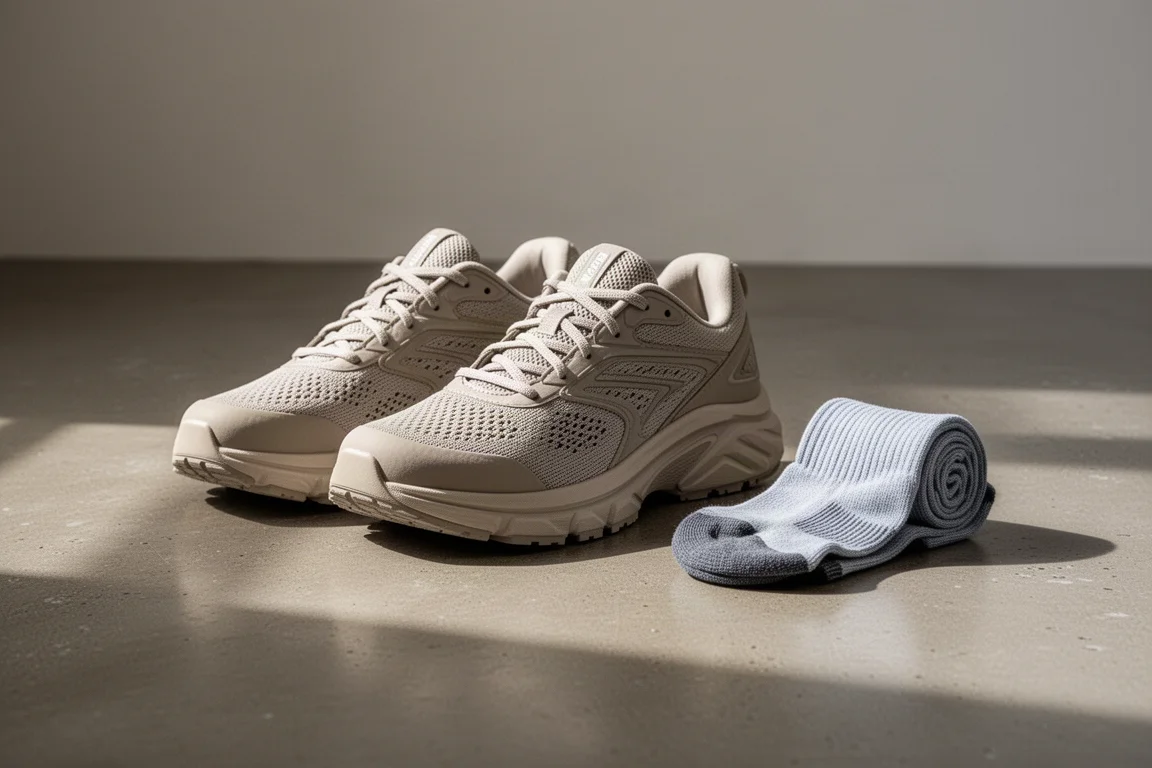
That combination matters more than the raw numbers suggest. A more moderate drop alongside a strong rocker is rare in a daily trainer, and it can be genuinely helpful for runners with stiff feet, limited ankle motion, or Achilles issues who want something that rolls along instead of asking the calf to work through a floppy platform.
Upper: A More Secure, Better-Ventilated Fit
The Clifton 11’s forefoot is a little wider than before, though it is not an anatomic toe box. If you need serious width in a Hoka, models like the Gaviota or Stinson are the better place to look, with the caveat that the Gaviota is a stability shoe.
The real improvement is elsewhere. The 11 uses a lighter mesh that breathes noticeably better than the Clifton 10, which could run warm. More importantly, extra overlays in the midfoot add security, so the baggy midfoot volume and heel slippage that plagued the 10 largely disappear. Less rearfoot padding also means the shoe fits more true to size; the 10’s generous heel padding could push the foot forward and crowd the toes.
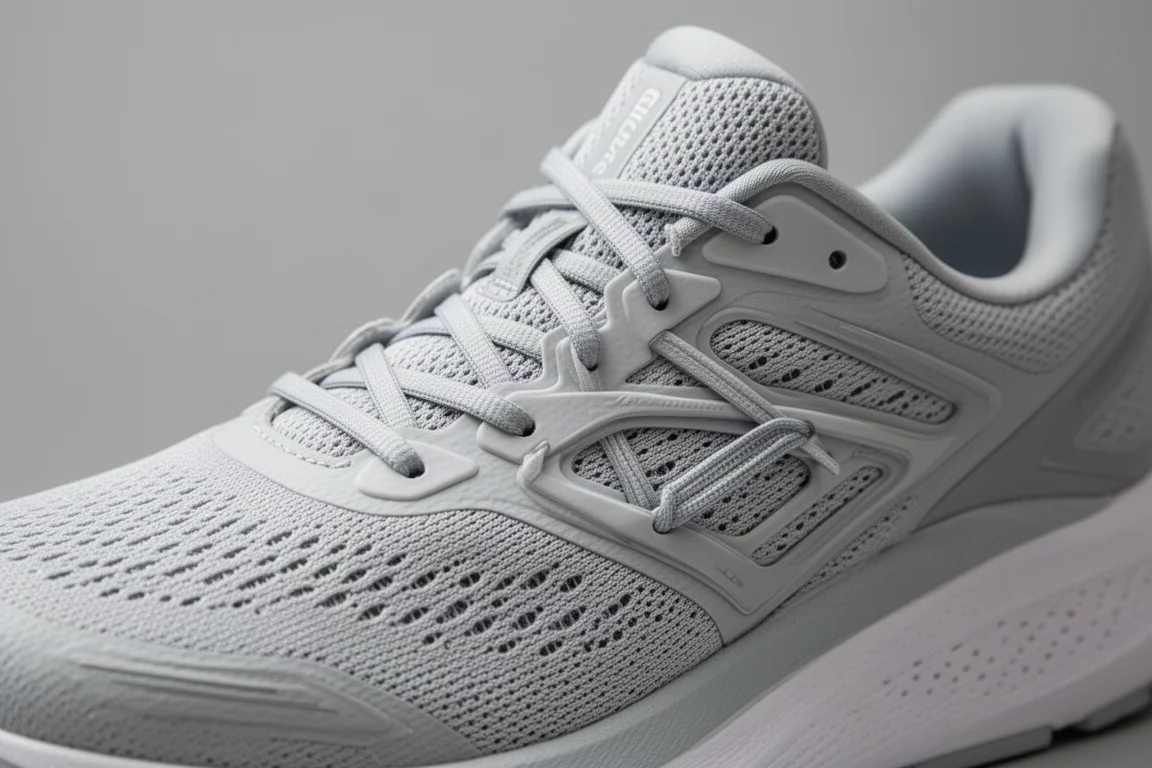
The heel counter is still reasonably stiff, but it is very rounded, which takes pressure off heel bumps and sensitive Achilles areas. Overall, the 11 fits more securely, ventilates better, and feels more comfortable both running and walking. If you have a higher-volume foot and liked the roominess of the 10, that remains a legitimate reason to stay with it.
Midsole and Ride: Smoother, Softer, More Flexible
Both shoes are stable neutral. Wide midfoots and solid sidewalls, most pronounced in the rearfoot, provide almost mild-stability guidance through the full length of the shoe. Long runs in the Clifton 11 stayed stable and comfortable. If you dislike sidewalls, though, most Hokas will not be for you, and these are no exception.
The surprise is the ride. The Clifton 10 felt stiff and firm through the transition, and it never loosened up even after 50 miles. A too-stiff forefoot forces the calf and plantar flexor muscles to work harder to roll through, which can contribute to calf spasms. The Clifton 11, despite the same on-paper midsole spec, shows noticeably more flexibility and a much smoother transition at both the heel and forefoot.
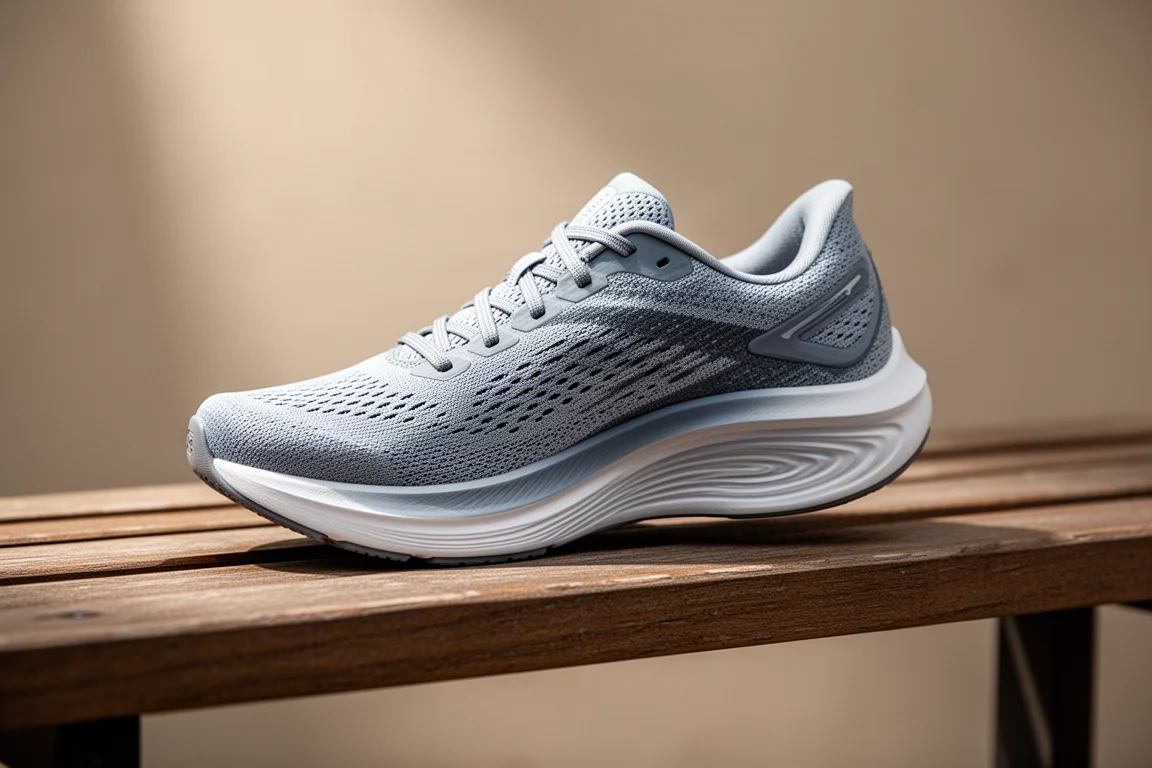
Part of the difference comes from a new, more premium insole in the 11. It is softer and a bit bouncier, and research consistently shows the insole is one of the biggest predictors of how a shoe feels underfoot. Both midsoles are compression-molded EVA, but they somehow behave differently in practice. One caution: a plush step-in feel can sometimes be more insole than midsole, and some shoes lose that magic once broken in. The Clifton 11 holds up well at 50 miles.
Underfoot, the 11 also feels a touch softer, while the 10 keeps more stiffness and structure. Neither is a tempo shoe. This is a daily trainer and long-run shoe that cruises nicely at easy paces; it can handle strides, but Hoka’s Mach line and its super shoes are better options for picking up the pace.
Durability: The Known Trade-Off
Clifton outsoles wear quickly, and that pattern continues here. The 11 is holding up slightly better than the 10 at comparable mileage, but you should expect to wear through the outsole faster than in many competitors. Compression-molded EVA also tends to compress and lose resiliency over higher mileage, so the ride may flatten out before the upper gives up.
If you are a light, efficient runner, this may be a non-issue. Heavier strikers or anyone who tends to tear through outsoles should go in with realistic expectations.
Best Use Cases and Buying Advice
The Clifton 11 is a strong pick if you want a smooth-rolling, comfortable daily trainer, especially if you have stiff feet, limited ankle mobility, or Achilles concerns, thanks to the 8 mm drop and pronounced rocker. It also works well for walking and long periods on your feet. At around $155, it remains reasonably priced for what it delivers.

If you preferred the extra midfoot volume and rearfoot padding of the Clifton 10, or you specifically want a stiffer, more structured ride, the 10 remains a good shoe, and it is likely to be discounted now that the 11 is out. Swapping in a softer aftermarket insole to replicate the 11’s feel is possible, but the midsoles themselves appear to differ, so there is no guarantee that trick fully works.
In short: for most runners, version 11 is worth the extra money over a sale-priced version 10. Its better fit, better ventilation, and smoother transition make it the first Clifton in a while that is easy to recommend without caveats about the ride.
Conclusion
The Clifton 11 and Clifton 10 share the same stack heights, drop, and stable-neutral character, but they ride differently. Version 11 offers a more secure, cooler-fitting upper and a smoother, slightly softer transition, while version 10 brings more midfoot volume and a stiffer feel that some runners will still prefer. Match the shoe to your foot shape and ride preference, and either can serve as a dependable easy-mile workhorse.
Product link
View more details for Hoka Clifton 11
This product is mentioned in the review. Check the specifications, options, and compatibility before buying.
View more details for Hoka Clifton 11Further reading
Related Reviews

Running Shoes
Best Road-to-Trail Running Shoes: Three Versatile Options for Mixed Terrain
A practical guide to three road-to-trail running shoes that handle both pavement and mild trails, with clear strengths and trade-offs for different runner types.

Running Shoes
Best Running Shoes for Achilles Tendonitis: Three Options Explained
Three running shoes with different heel drops and support features designed to help reduce Achilles tendon pain during walking and running.

Running Shoes
Best Running Shoes for Women: Five Top Choices Ranked
A ranked guide to five women's running shoes, from versatile daily trainers to high-performance racing options, with real strengths and trade-offs for each.