Running Shoes
Hoka Clifton 10 vs Nike Pegasus 41: Which Cushioned Daily Trainer Wins?
Two of the most popular cushioned daily trainers go head to head on ride feel, fit, comfort, durability, and overall value.
Introduction
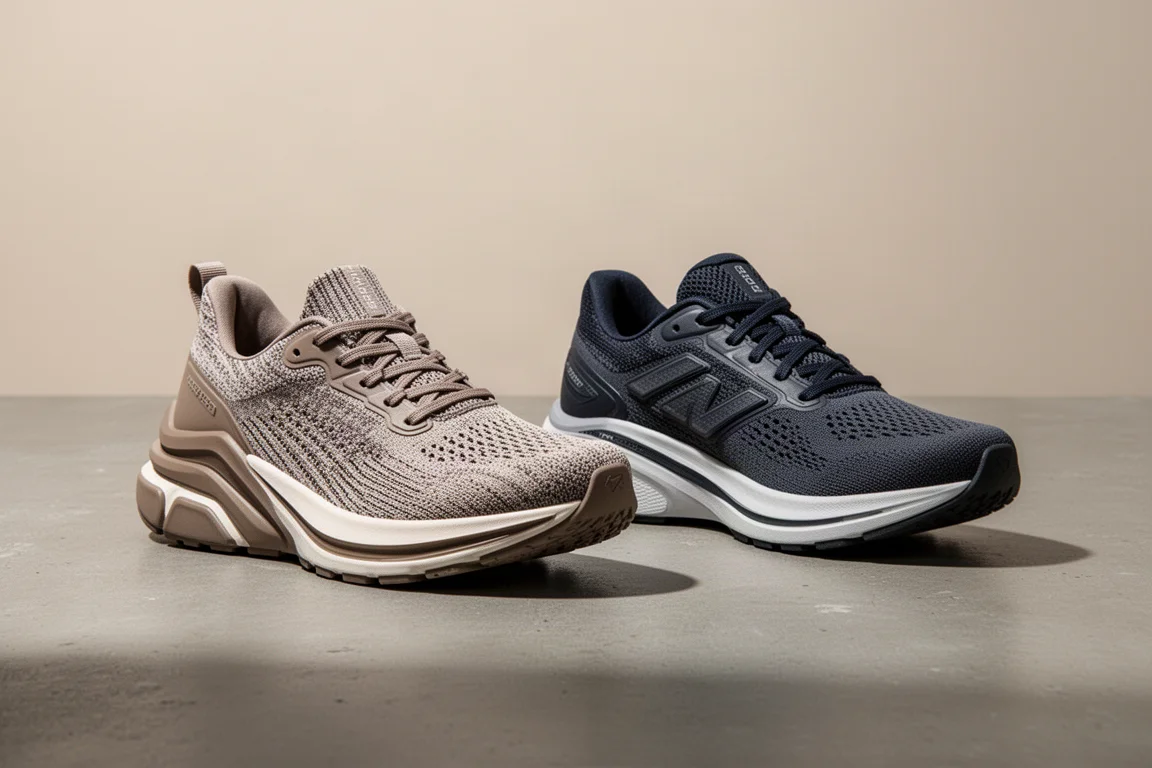
The Hoka Clifton 10 and Nike Pegasus 41 are two of the most popular cushioned daily trainers around, and for good reason. Both offer versatile, inoffensive rides that suit a wide range of runners, from newer runners who do not yet know their preferences to experienced runners who want a cushioned shoe that can rack up serious mileage.
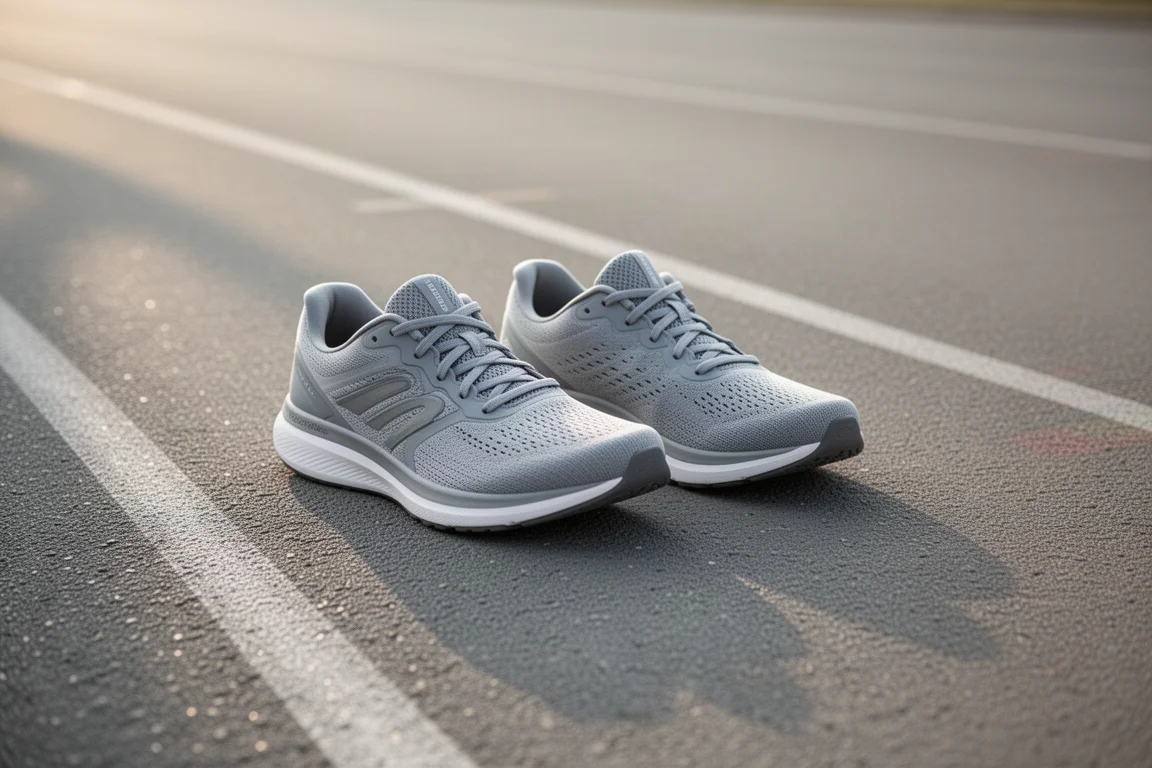
They sit at a similar price point, with the Clifton a touch more expensive at £140 or $150 versus £130 or $140 for the Pegasus. They are also close in weight: 285g (10 oz) in a UK 9 for the Clifton, and 291g (10.3 oz) in a UK 9 for the Pegasus. The Clifton has an 8mm drop, the Pegasus a more traditional 10mm. Both are long-running lines that frequently appear in sales, which makes them appealing value picks in this bracket.
Design and Construction
The Clifton 10 uses a jacquard knit upper with generous padding on the tongue and collar, plus a stiff, large internal heel counter. That heel counter is part of Hoka’s rearfoot Active Foot Frame, which creates a surprisingly stable ride for a neutral shoe. Your foot sits almost in a bucket seat, with foam sidewalls and a wide base running the length of the shoe. Underfoot is a compression molded EVA midsole. It is not the liveliest foam available, but it balances softness with a little responsiveness for toe-offs, and Hoka’s meta-rocker geometry smooths out the ride. The durabrasion rubber outsole skips full coverage but covers the tops of forefoot and heel pods extensively.
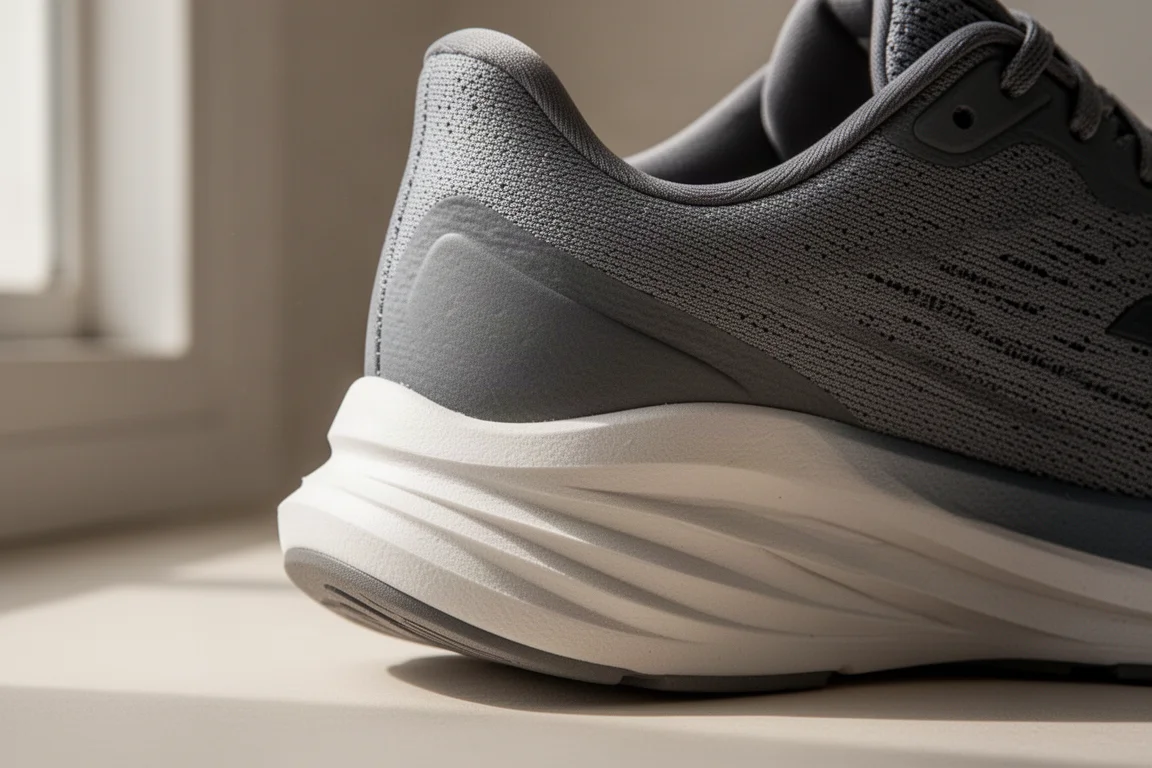
The Pegasus 41 takes a more traditional approach with an engineered mesh upper, thick padding throughout, and a significant internal heel counter for structure. It runs warm, with fairly thick material around the forefoot. The midsole combines ReactX foam with Air Zoom pods under the heel and forefoot: the pods feel slightly firmer and add responsiveness, while ReactX prioritizes softness, comfort, and protection. The waffle tread outsole offers extensive coverage and a thicker rubber layer than the Clifton.
Fit and Sizing
Both shoes fit true to normal running shoe size, with a good amount of length and secure hold around the heel and midfoot. Note that sizing differs slightly between the brands: a UK 9 is a US 9.5 in Hoka and a US 10 in Nike. Stick to your usual size and you should be fine.
Both are comfortable and well padded around the back of the shoe, though that padding combined with the thick uppers means both run a little warm in hot conditions, especially the Pegasus.
Ride and Performance
These are both cushioned daily trainers built primarily for easy runs. Neither shines as a speed day shoe compared with lighter, more speed-focused trainers; they are designed to soak up mileage, protect the body, and deliver a comfortable ride.
The Pegasus 41 has a classic feel: a big wedge of heel foam, a thinner forefoot layer, a 10mm drop, and no real rocker, which creates a snappier ride. The heel is very soft and squishy thanks to the ReactX midsole, doing a great job absorbing impact for heel strikers. However, the lower forefoot cushioning can cause discomfort on long runs or faster efforts, and the foam has little life in it when you push the pace. It is a protection-first shoe rather than a responsive one.
The Clifton 10 rolls more smoothly with its rocker and offers noticeably more cushioning under the forefoot, which makes it more comfortable over long distances. The foam feels less soft at the heel than the Pegasus but gives more of a platform to push against at speed, and the rocker helps keep your feet turning over when sustaining faster paces. It also feels a touch more stable thanks to those foam sidewalls, and the weight distribution is more balanced than the Pegasus, where the mass sits in that big heel wedge.
Where the Pegasus does have an edge is the outsole: grip is slightly better and the thicker rubber should offer more durability. It is also the nicer looking shoe and the better all-rounder for walking around and gym use.
Buying Advice
Both are solid daily trainers with similar performance, and both would happily serve a newer runner or a one-shoe runner who likes a cushioned ride.
For pure running, the Hoka Clifton 10 is the slightly better pick. Its rocker is not overly pronounced, the extra forefoot cushioning is more comfortable, and it rolls through very smoothly. If you are new to running and do not know your preferences yet, choose the Clifton first.
If you know you like a higher drop, a snappier ride, and more ground feel under the forefoot, the Pegasus 41 delivers exactly that. It is also the better choice if you want one shoe for running, daily wear, and the gym, thanks to its more durable outsole and better looks.

A lot of the choice ultimately comes down to personal preference, but the Clifton edges this comparison for overall versatility and enjoyment.
Conclusion
The Hoka Clifton 10 and Nike Pegasus 41 are both very good cushioned daily trainers that will work for a wide range of runners. The Clifton 10 wins on comfort, smoothness, and forefoot cushioning, while the Pegasus 41 counters with a snappier traditional ride, better outsole durability, and more everyday versatility. Pick the Clifton for the most enjoyable running experience; pick the Pegasus if you prefer a higher-drop, snappier feel.
Product link
View more details for Hoka Clifton 10
This product is mentioned in the review. Check the specifications, options, and compatibility before buying.
View more details for Hoka Clifton 10Further reading
Related Reviews

Running Shoes
Best Road-to-Trail Running Shoes: Three Versatile Options for Mixed Terrain
A practical guide to three road-to-trail running shoes that handle both pavement and mild trails, with clear strengths and trade-offs for different runner types.

Running Shoes
Best Running Shoes for Achilles Tendonitis: Three Options Explained
Three running shoes with different heel drops and support features designed to help reduce Achilles tendon pain during walking and running.

Running Shoes
Best Running Shoes for Women: Five Top Choices Ranked
A ranked guide to five women's running shoes, from versatile daily trainers to high-performance racing options, with real strengths and trade-offs for each.