Running Shoes
Hoka Clifton 10 vs Hoka Bondi 9: Two Cushioned Neutral Trainers, One Clear Pick for Most Runners
Hoka's two most popular cushioned neutral shoes face off on foam, drop, weight, and ride feel to help you choose between everyday versatility and maximum comfort.
Introduction
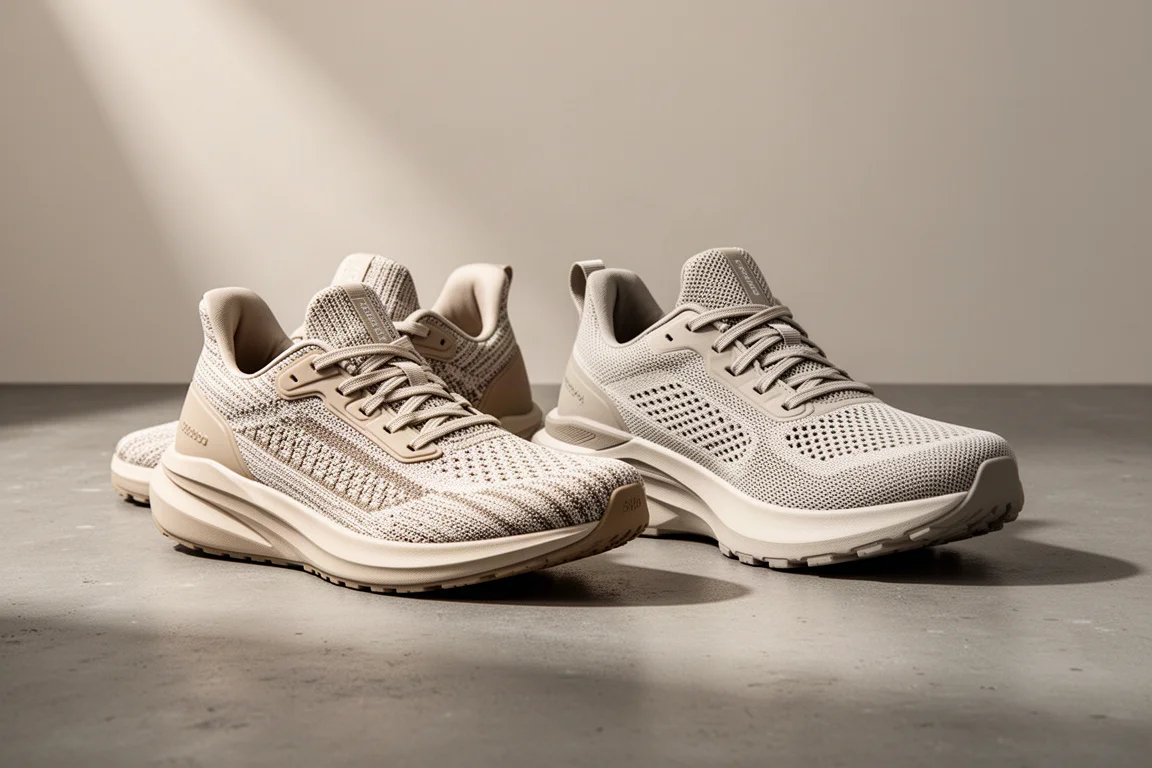
Hoka’s Clifton 10 and Bondi 9 are two of the most popular cushioned neutral shoes in the brand’s lineup, and both received fairly big updates this year. The Bondi sits at the top of the range as the premium cushioned option, a little more expensive and a little more cushioned, while the Clifton is the more affordable daily trainer, built with a bit more versatility in mind. If you are trying to pick between Hoka’s cushioned shoes, this comparison breaks down where each one wins.
Two Shoes, Two Jobs
Before getting into the details, it helps to know what each shoe is designed to do. The Bondi 9 is aimed squarely at easy runs: maximum comfort, a wide stable base, and a very protective ride. The Clifton 10 is the everyday trainer of the pair, focused on handling a wider mix of runs from easy days up to faster efforts.
On price, the Bondi is the more expensive shoe at $170 in the US or £160 in the UK. The Clifton comes in at $150 in the US, with a UK price of around £140 expected. Weight also favors the Clifton: it comes in at 285g (10 oz) in a US 9.5, while the Bondi is the heavier of the two at 313g (11 oz).
Specs and Fit
The Bondi 9 sticks with the traditional 5mm Hoka drop, but the Clifton has moved away from that with an 8mm drop for the Clifton 10, one of the bigger changes to the line in several years. In practice, it does not change the ride feel quite as much as the numbers suggest.
Stack height runs slightly higher in the Clifton at 43mm heel and 37mm forefoot in the men’s shoe, against 42mm and 34mm for the Bondi. Women’s versions sit 1mm lower across the board.
On fit, both shoes work well for a narrow foot, with enough room in the toe box and a supportive hold through the midfoot and heel. Hoka’s heel collars leave space for the Achilles without rubbing. Wide options are available for both shoes if the standard fit feels cramped. Both are heavily padded, which tested fine in winter, though in hotter climates the extra padding around the top of the foot could feel warm on very sunny days.
Design and Midsole Foam
The Clifton 10 uses a jacquard knit upper over a compression molded EVA midsole, the material Hoka has traditionally used in both the Clifton and the Bondi. It also carries the classic Hoka meta rocker that gently guides you through your foot strike, a rearfoot active foot frame for stability at the back of the shoe, an internal heel counter, and foam sidewalls. The result is a naturally stable shoe without any obvious stability features.
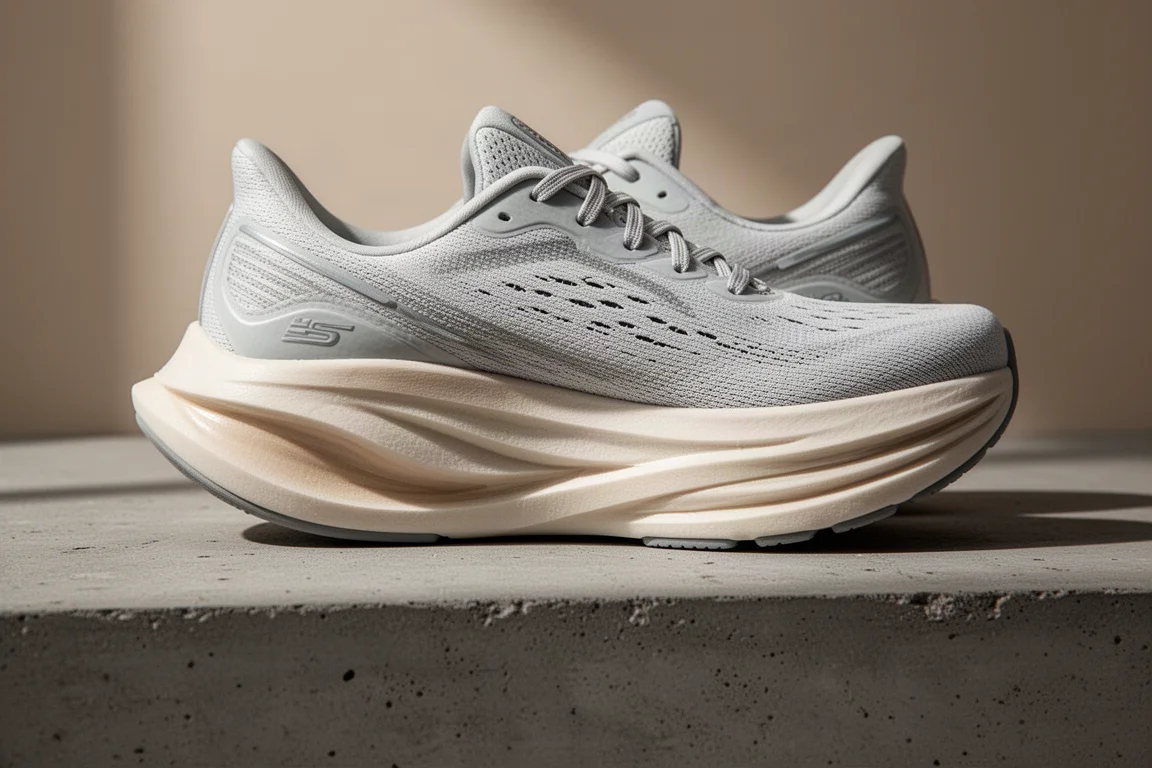
The Bondi 9 gets an engineered mesh upper with lots of padding on the tongue and collar, plus the same internal heel counter for rearfoot stability. The key differentiator is its upgraded midsole: a super critical EVA foam, a nitrogen-infused version of EVA that is lighter and theoretically poppier and more responsive than the compression molded EVA in the Clifton.
Both shoes share a durable rubber outsole with good coverage in the key impact areas, so durability should be similar.
Ride Feel and Run Test
After 60 to 70km in each shoe, mixing daily training runs, progression runs, and long runs, both shoes excel at the easier end of things. These are comfort-focused shoes rather than especially versatile ones, though the Clifton has a bit more to offer on faster runs.
Both deliver a familiar Hoka feel: a naturally stable platform, a fairly wide base, and a rocker easing you through foot strike. Neither foam stands out as especially lively. Even the super critical foam in the Bondi does not deliver a big performance uptick. It has a touch more give, letting you sink in slightly with a little more energy return, but the difference is small.
The Clifton has a slightly smoother ride overall. Both shoes have well-designed heel rockers and bevels that suit heel strikers, but the Bondi gives little off the toes, while the Clifton rolls through the forefoot more naturally and with a nicer flow. At faster paces the gap widens: the Clifton handles mild tempo and easy-to-steady runs impressively well, even though it is not an all-out speed shoe.
At slow paces, the Bondi should theoretically shine with its extra cushioning and wide protective base, but the Clifton is also genuinely cushioned and simply feels more natural, the kind of shoe you forget about on easy runs. The Bondi can feel a bit blocky and it is easy to feel stuck in it. If all-out protection is the priority, the Bondi offers a bit more width and stability, but the Clifton is nearly as good on those fronts with better ride quality.
Which One Should You Buy?
For most runners, the Clifton 10 is the easier choice. It is cheaper, lighter, and better at speed, and it does a solid job as an easy-day shoe that can also handle some faster work. If you want one shoe to do everything, the Clifton is the better pick. New runners starting a training program will also get more out of it, since the Bondi is geared so heavily toward comfort and protection at slow paces alone.

The Bondi makes sense if you really want maximum protection, perhaps as a heavier runner, or if you value the extra width and the slight extra bounce of the super critical foam. Neither shoe is a standout in its category at large, but within Hoka’s cushioned lineup, the Clifton is the one to look at first unless you know you want that extra layer of comfort.
Conclusion
The Clifton 10 and Bondi 9 are both excellent cushioned neutral shoes, but they reward different runners. The Clifton offers a smoother, more versatile ride at a lower price, while the Bondi delivers maximum comfort and protection for easy mileage. For most training needs, the Clifton 10 is the smarter buy.
Product link
View more details for Hoka Clifton 10
This product is mentioned in the review. Check the specifications, options, and compatibility before buying.
View more details for Hoka Clifton 10Further reading
Related Reviews

Running Shoes
Best Road-to-Trail Running Shoes: Three Versatile Options for Mixed Terrain
A practical guide to three road-to-trail running shoes that handle both pavement and mild trails, with clear strengths and trade-offs for different runner types.

Running Shoes
Best Running Shoes for Achilles Tendonitis: Three Options Explained
Three running shoes with different heel drops and support features designed to help reduce Achilles tendon pain during walking and running.

Running Shoes
Best Running Shoes for Women: Five Top Choices Ranked
A ranked guide to five women's running shoes, from versatile daily trainers to high-performance racing options, with real strengths and trade-offs for each.