Running Shoes
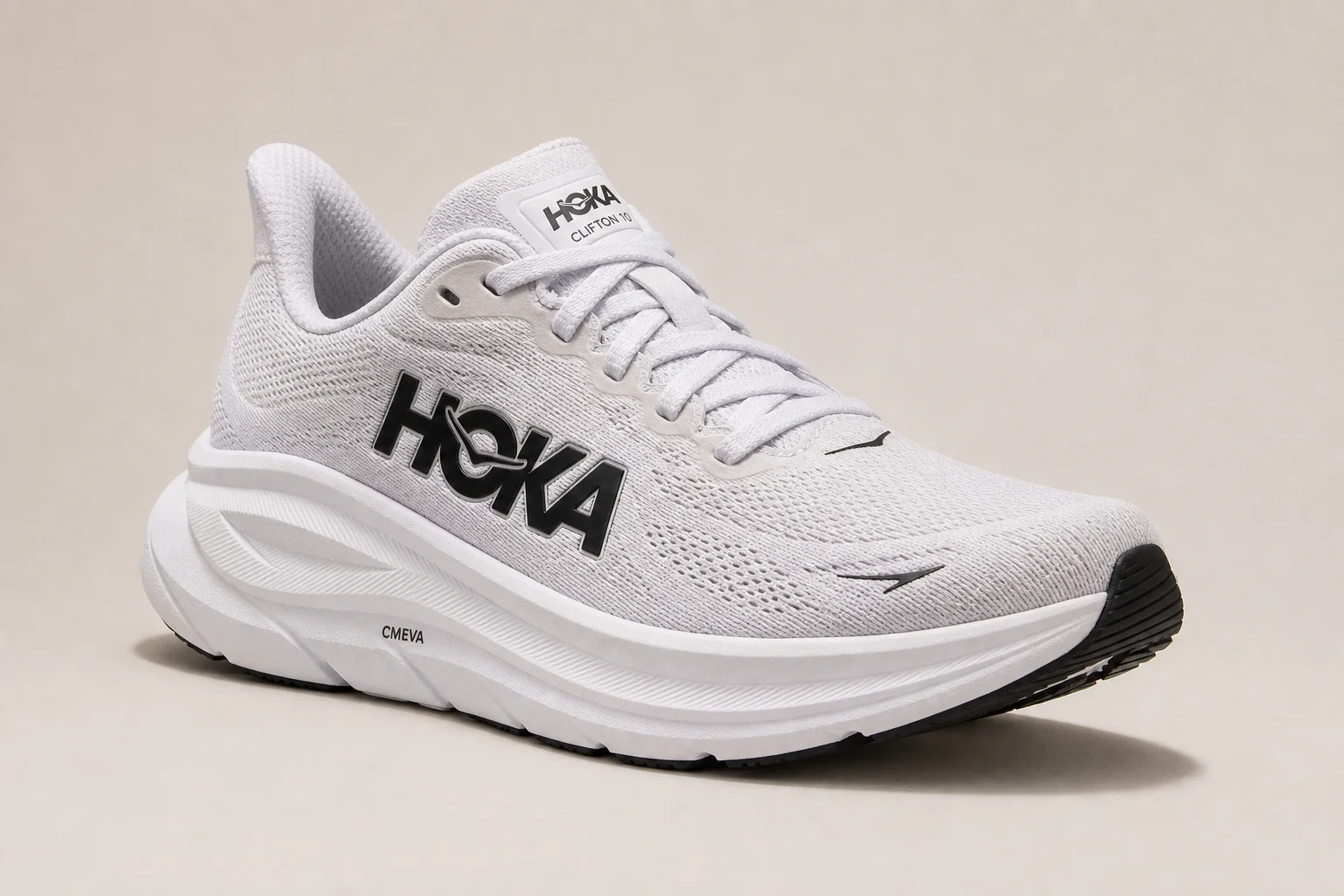
Hoka Clifton 10 vs Hoka Arahi 8: Which Daily Trainer Should You Buy?
Two of Hoka's most reliable daily trainers are closer than ever. We break down the fit, ride, comfort and stability differences to help you pick the right one.
Introduction
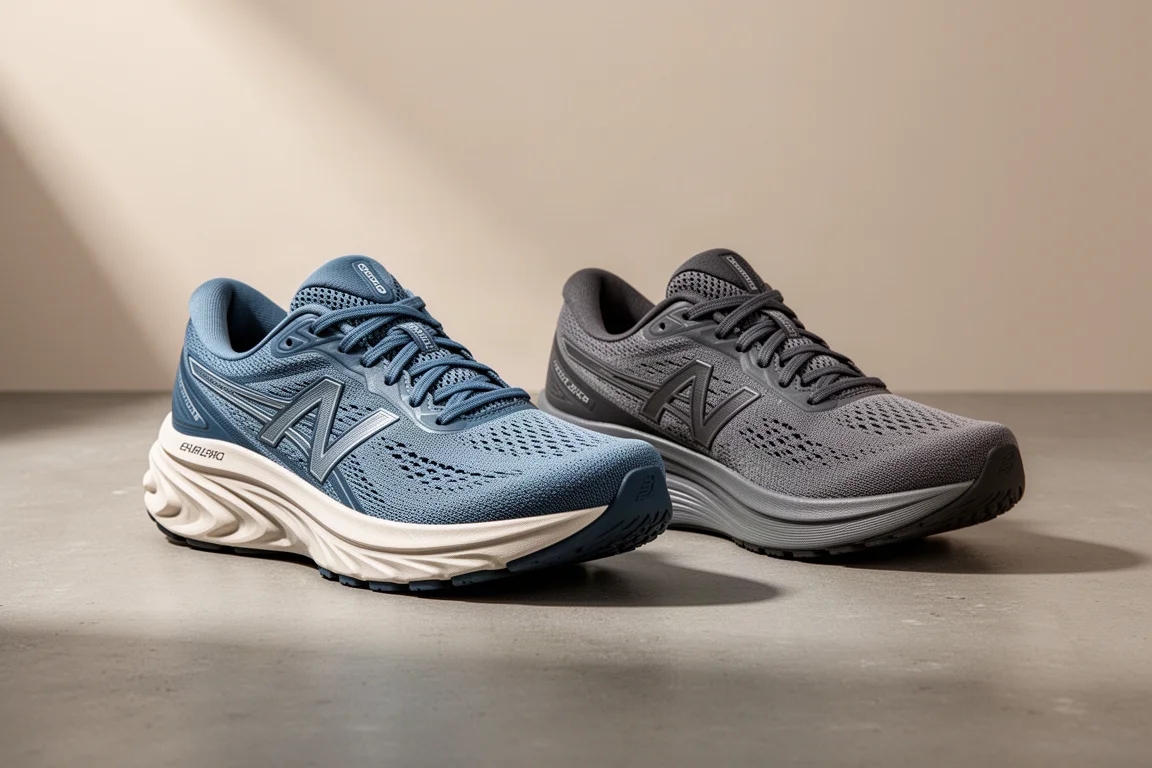
Hoka’s Clifton and Arahi lines have always sat in clearly defined lanes: the Clifton as the cushioned daily trainer for neutral runners, the Arahi as the stability option for those who want extra support. With the latest versions, that gap has narrowed considerably. The Clifton 10 and Arahi 8 are closer to each other than any previous generations, and choosing between them now comes down to a handful of practical details rather than a clear category split.
Both shoes are built around EVA-based midsoles with a gentle rocker, both are priced the same, and both are available in the same width options. Yet they do feel different underfoot, and those differences matter depending on what you want from a daily trainer. Here is how they compare.
What’s the Same
There is no separation in price between the two shoes, and the width options available are the same for both. The heel-to-toe drop is identical as well, though the Clifton 10 sits on higher stack heights at both the heel and the forefoot.
Both use jacquard mesh uppers with similar levels of padding in the tongue and around the heel collar, and the heel counters feel much the same on foot, with no irritation reported in testing. Below the upper, each shoe uses an EVA-based midsole, and both feature podular outsoles with rubber placement focused on the forefoot and the heel.
The main shared trait, though, is character. Neither shoe is flashy. The compression-moulded EVA in both is not the liveliest foam around and does not deliver huge energy return, but what you get in both cases is a balanced, protective, smooth-rolling ride that is easy to settle into.
Fit and Sizing
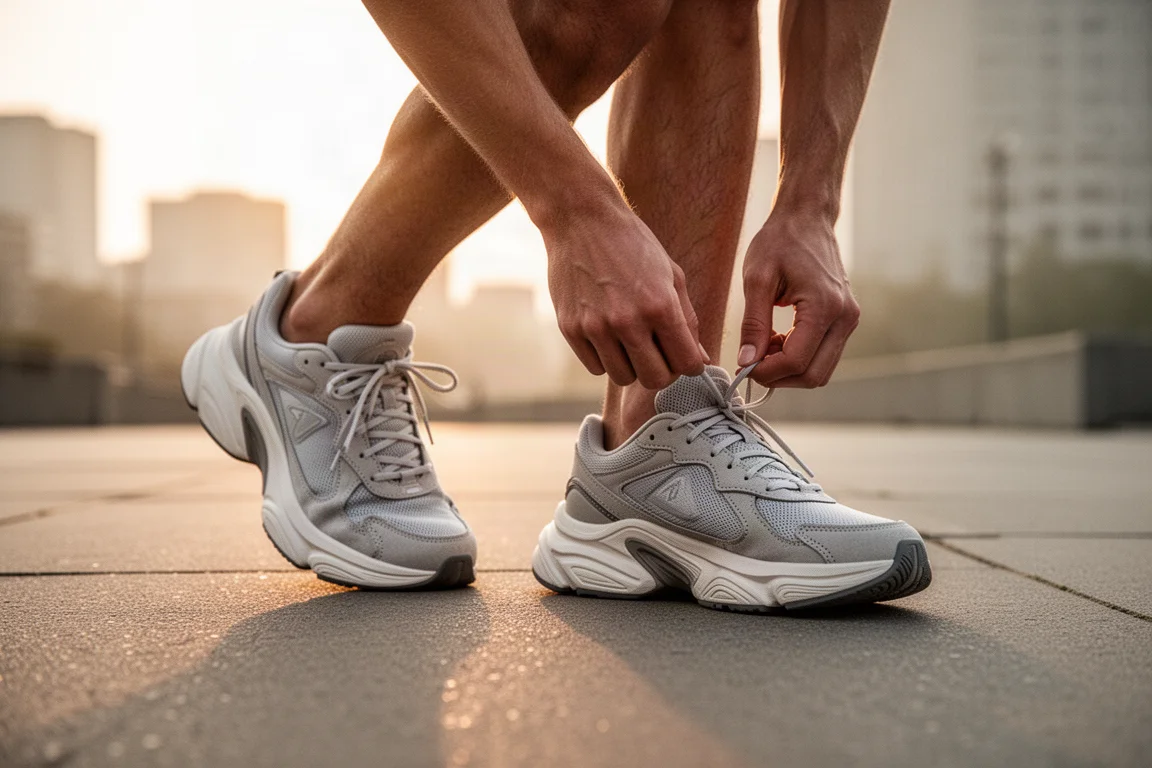
Both shoes fit true to size, so sticking with your normal running shoe size is a sensible move. In regular width, the profile does differ slightly between the two. The Clifton 10 feels a touch more narrow, particularly in the toe box, in a fairly typical Hoka way, and that carries through to the midfoot. The Arahi 8 opens up a little more in the toe box and midfoot, so if you want a naturally roomier fit in the regular width, the Arahi gives you a bit extra there.
As ever with Hoka, neither shoe is the widest around the midfoot. If you have a wider foot, wide and extra-wide options are available in both models, and those are worth trying before giving up on either shoe. Overall fit quality is strong in both: good room in the toe box, solid hold around the heel and midfoot, and comfortable padding that holds up over long runs.
Weight and Construction
The Arahi 8 is the lighter shoe of the pair, and while the difference is not dramatic, it is noticeable on the run. Interestingly, the Arahi also appears to have a thicker outsole than the Clifton 10, which suggests it may hold up better over time.
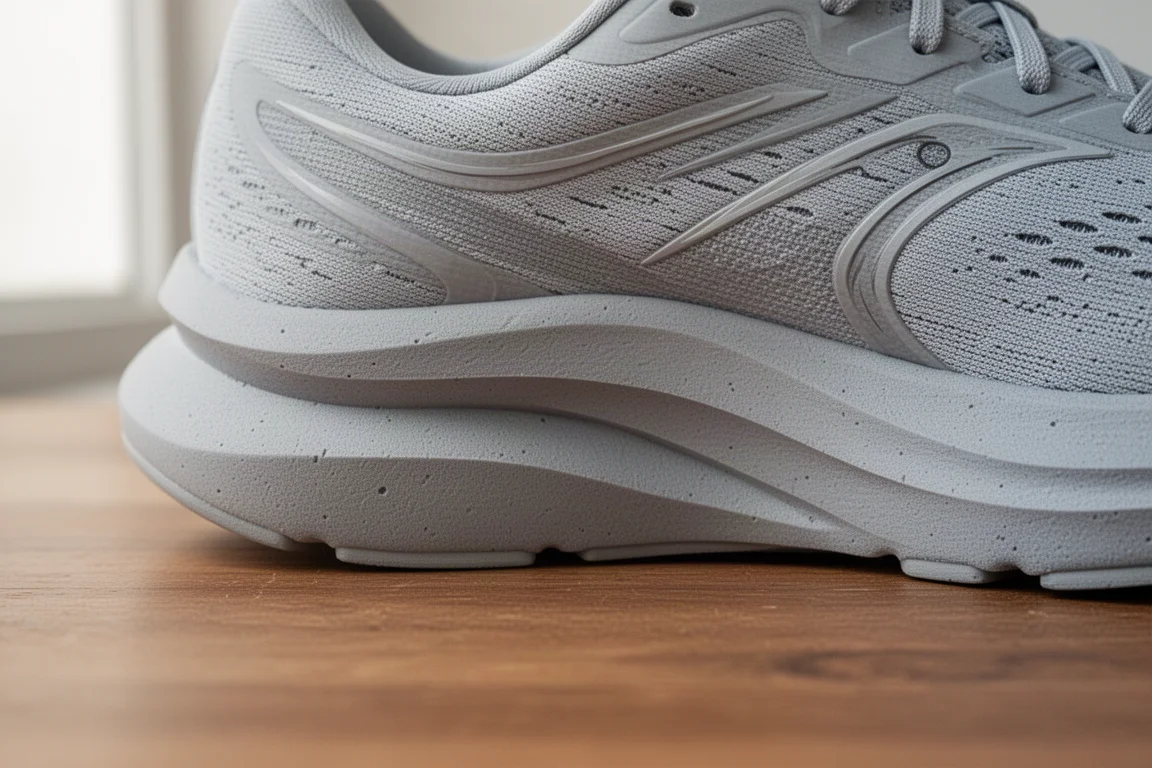
The construction difference that really matters is in the midsole. The Arahi uses a dual-layer EVA setup alongside its H frame for stability. That frame protects the foam at the heel and leaves the forefoot feeling a touch softer, producing a ride that is arguably even smoother than the Clifton’s. The Clifton, meanwhile, simply puts more stack of that same EVA under your foot at both ends, which pays off on longer outings.
Ride and Performance
Both shoes are genuinely solid daily trainers with a balanced, pleasant ride. The rockers on both roll you through gently from heel to toe, making it easy to find a rhythm across a wide range of paces. At easy paces, both shoes essentially disappear on the foot.
Push the pace toward the quicker end of a progression run, around 3:30 to 3:40 per kilometre, and both turn over surprisingly well. The foam does not bounce much, but the geometry of the shoe facilitates faster running more naturally than the spec sheet suggests. Neither is an out-and-out speed shoe, and neither matches a dedicated tempo shoe for liveliness, but both handle a nice range of paces.
Comfort over distance is where they separate slightly. The Clifton has more depth of foam under the forefoot, which does not taper quite as sharply, and that translates into a bit more protection, a bit more softness, and a touch more bounce on long runs. The Arahi remains comfortably capable over long distances, but under the forefoot it can feel a little thinner by the end of a very long run. The trade-off is that the H frame in the Arahi flattens the ride into something exceptionally smooth and stable, with support delivered so subtly that even neutral runners should not feel put off by it.
Outsoles, Grip and Durability
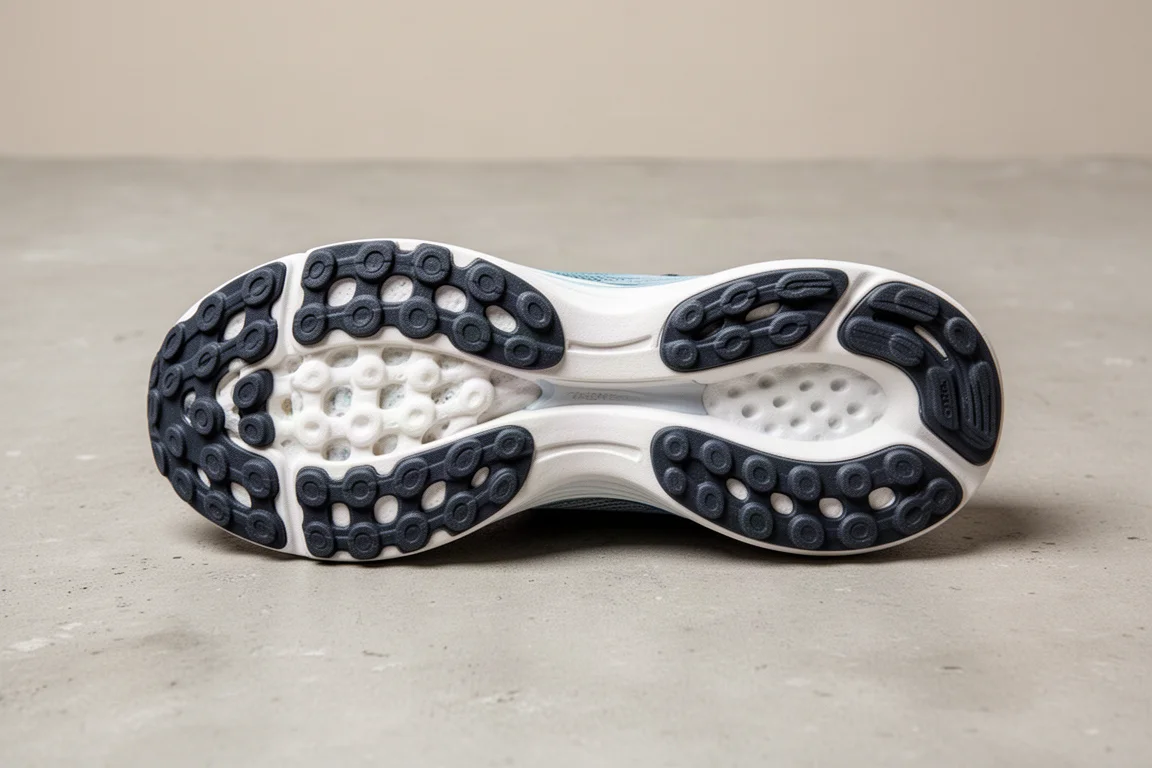
The outsoles protect similar areas with similar levels of rubber on both shoes, and grip is perfectly fine, particularly in dry conditions. Durability expectations sit around average for the category: neither shoe is likely to top the class for longevity, but wear after a solid block of testing looks reasonable, and both should handle a large share of your training volume without complaint.
Which Shoe Should You Pick?
Both shoes are best understood as easy-run and long-run partners rather than shoes for your hardest, fastest sessions. They cover recovery runs, relaxed daily mileage and long runs with the protection, comfort, balance and stability that those runs demand. The Clifton 10 is not an outwardly stability-focused shoe, but its design still delivers a degree of light support, so the practical gap between the two is smaller than you might expect.
If you are choosing between them, the deciding factors are simple. The Clifton 10 brings extra stack under the heel and forefoot, more forefoot comfort and slightly more bounce, which makes it the better long-run companion. The Arahi 8 is the lighter shoe with a smoother, softer-feeling ride, and its support is unobtrusive enough that neutral runners can happily wear it too. The Arahi’s roomier toe box in regular width is another point in its favour for some feet.
As a lighter, more versatile alternative to Hoka’s biggest cushioned shoes, either one could serve as a do-everything daily trainer, and both are easier-going options than something like the Bondi in the Hoka range.

Conclusion
The Clifton 10 and Arahi 8 are both reliable, comfortable daily trainers that perform well at a range of paces, and the differences between them come down to small margins. The Clifton edges ahead for long-run comfort thanks to its extra stack and slightly deeper forefoot feel, while the Arahi counters with a lighter build, a smoother ride and a roomier fit in regular width. If you need genuine stability, the Arahi is the obvious choice. If you simply want a stable neutral shoe with maximum comfort underfoot, the Clifton does that job just as well. Either way, both are easy shoes to live with and easy to recommend.
Further reading
Related Reviews

Running Shoes
Best Road-to-Trail Running Shoes: Three Versatile Options for Mixed Terrain
A practical guide to three road-to-trail running shoes that handle both pavement and mild trails, with clear strengths and trade-offs for different runner types.

Running Shoes
Best Running Shoes for Achilles Tendonitis: Three Options Explained
Three running shoes with different heel drops and support features designed to help reduce Achilles tendon pain during walking and running.

Running Shoes
Best Running Shoes for Women: Five Top Choices Ranked
A ranked guide to five women's running shoes, from versatile daily trainers to high-performance racing options, with real strengths and trade-offs for each.