Running Shoes
Hoka Clifton 10 Review: A New Direction, Plus Three Alternatives Worth Comparing
The Clifton 10 changes its heel drop and gains weight. Here is how it feels, who it suits now, and how it stacks up against the Bondi 9, Diadora Nucleo 2, and Brooks Ghost Max 3.
Introduction
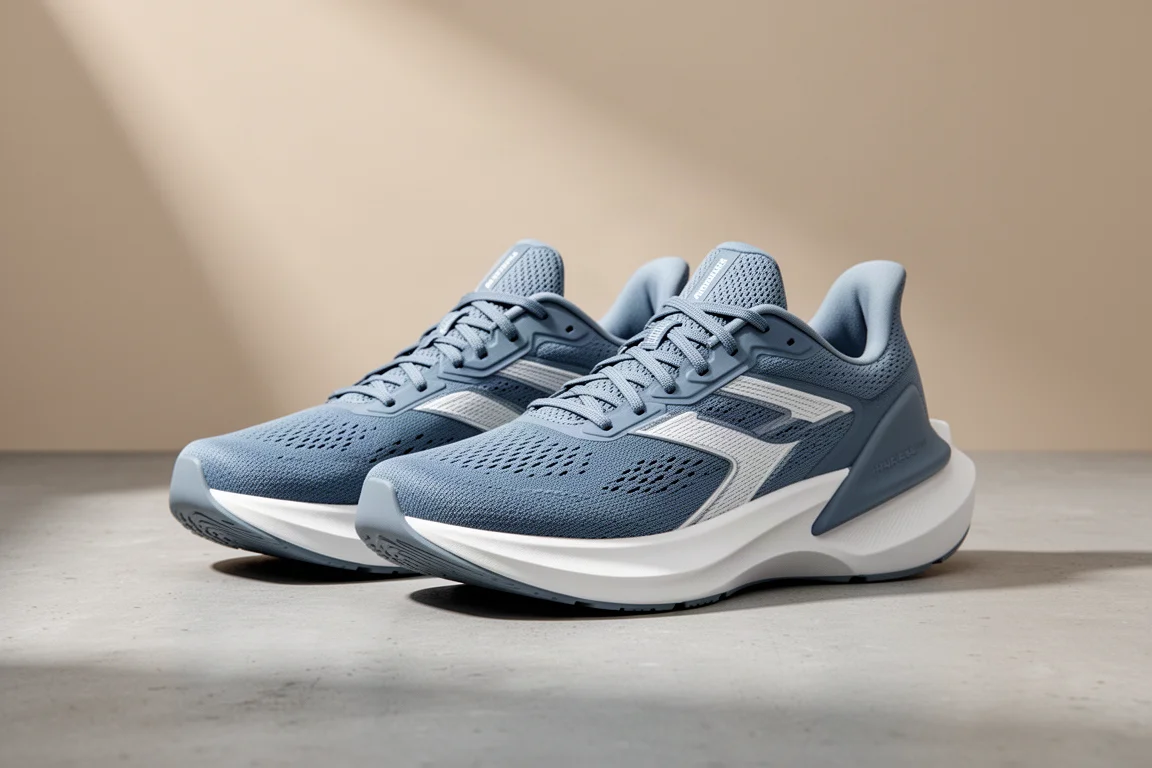
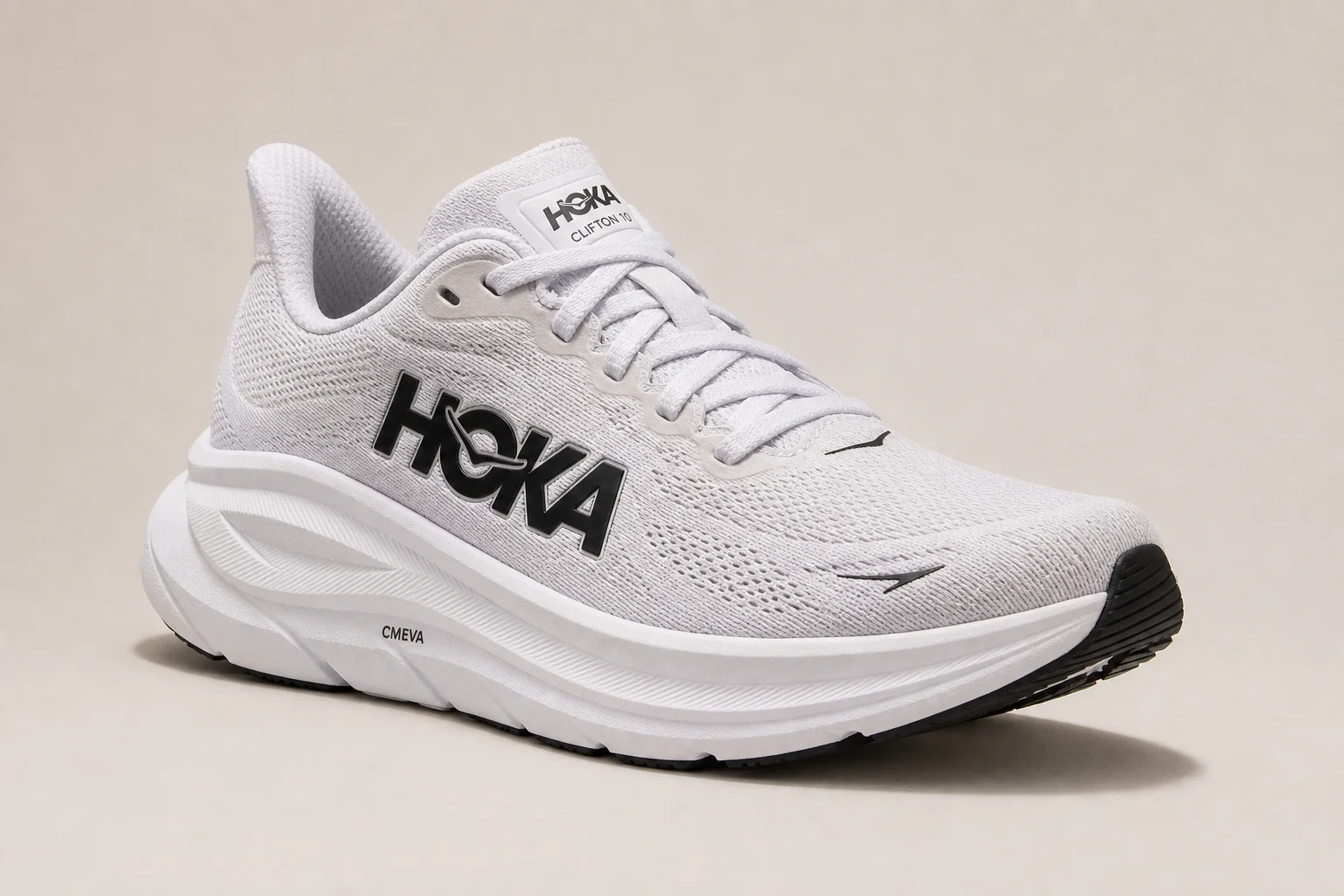
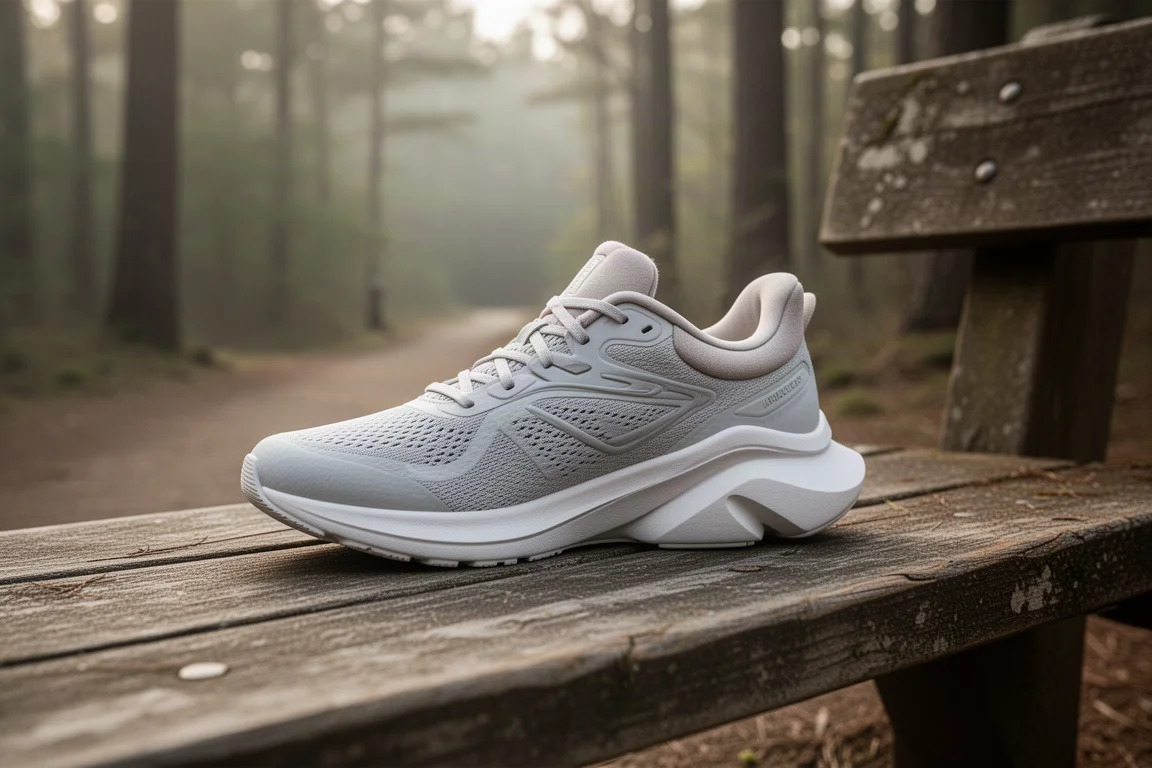
The Hoka Clifton 10 arrives with the same visual update its bigger sibling, the Bondi 9, received. The styling looks familiar, but the changes underfoot are significant this year: a new heel drop, a revised fit, and a small weight gain. The result is a shoe that points the Clifton line in a noticeably different direction, one that will please some runners and leave others looking elsewhere.
This guide walks through what changed, how the shoe feels on the road, and which alternatives you should be comparing it against before you spend your money.
What Changed in the Clifton 10
Hoka lists compression-molded EVA in the Clifton 10, the same midsole foam family the Clifton line has used since the beginning. The bigger headline is the drop. After years at 5 mm, the Clifton 10 moves to an 8 mm drop, with 2 mm of additional foam in the heel. Because the heel gained 2 mm, the forefoot effectively nets out to 1 mm less foam than before.
The outsole keeps the familiar pod pattern from recent Clifton generations, with a few tweaks. Some rubber pods near the arch have been removed, while the remaining pods have slightly larger coverage. The rubber also appears thinner than last year, though it may simply be seated deeper into the midsole. Either way, it feels a bit softer underfoot.
The upper is where the fit improvements live. The silhouette looks nearly identical to the Clifton 9, but a new last adds volume throughout the shoe, from the top of the laces through the toe box, with extra width for the pinky toe. There are also more mesh holes for breathability. One downside: the tongue has lost its gusset entirely, though laces threaded through the top of the tongue may explain the change. All of these updates add up, and the Clifton 10 now weighs 9.7 oz (277 g), a gain of 1.1 oz, which is substantial for this category.
How It Runs
On the road, the changes produce a shoe that feels different in character. The combination of the new 8 mm drop and the continued use of compression-molded EVA makes the Clifton 10 feel flat rather than bouncy. It is not as lively as the Clifton 9, rolls a little less smoothly through the transition, and lacks the pace versatility its predecessor offered.
The transition from the back or middle of the shoe into the forefoot feels a bit clunky, and the firmness of the compression-molded EVA becomes more noticeable as a result. It appears Hoka is targeting a different type of customer with this version: walkers and run-walkers, categories where higher-drop daily trainers tend to perform well in retail.

That said, the step-in comfort is genuinely nice, and for runners who never liked the trend of shoes getting taller and squishier, the Clifton 10 may feel like a refreshing return to the kind of ride they remember from years ago. Whether it works for you depends entirely on your preferences and what you consider comfortable.
Hoka Bondi 9
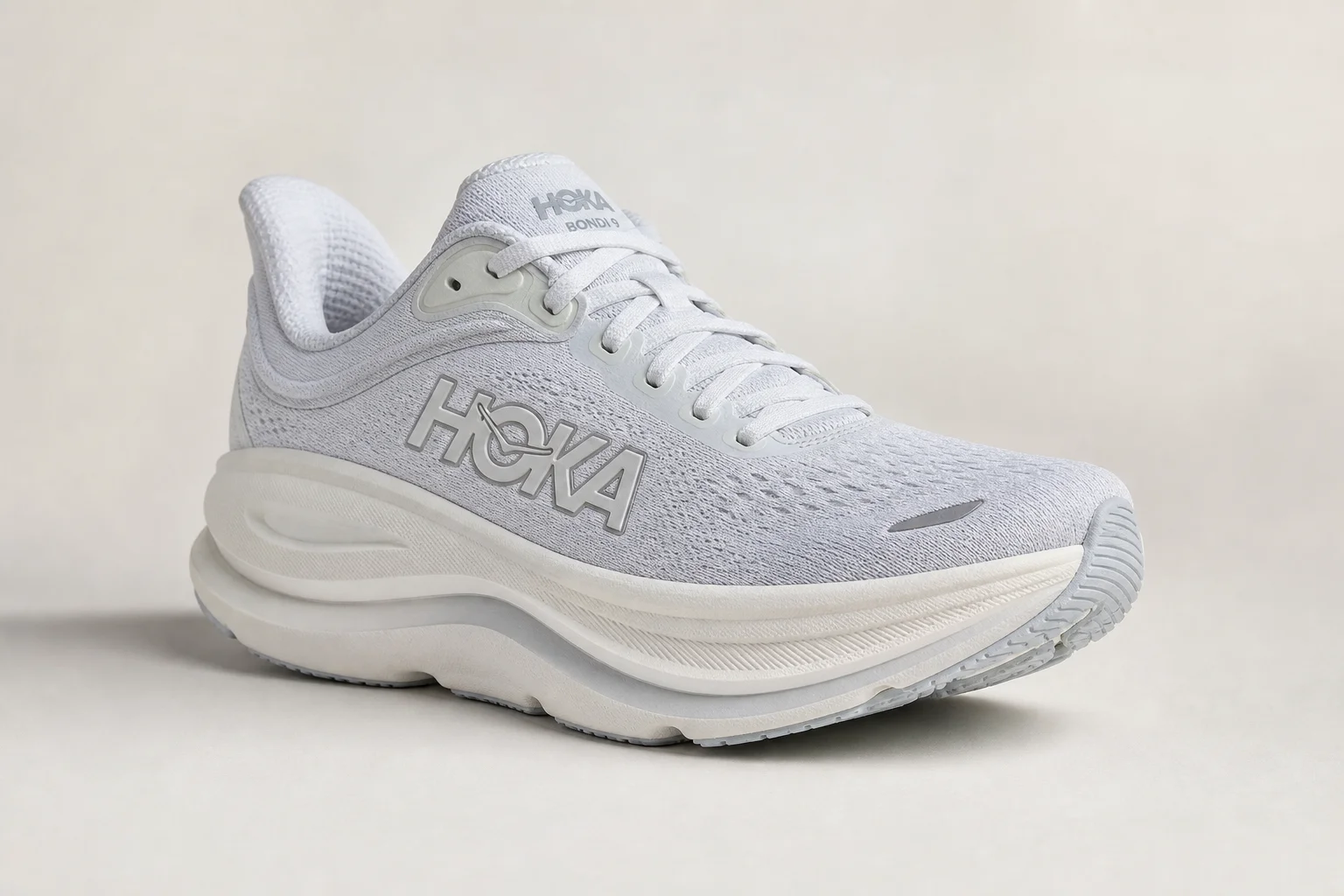
If you want more cushion and comfort than the Clifton, the Bondi 9 is the natural step up in the Hoka lineup. This is the version that shares the Clifton 10’s styling, but it made a change the Clifton did not: supercritical EVA. It is a welcome and surprisingly pleasant update to a shoe many had written off as static.
The Bondi 9 is a great max-cushion option with plenty of comfort, and it avoids feeling overly squishy, which makes it approachable for a wide range of runners and walkers. If the Clifton 10’s flat feel puts you off, this is the Hoka worth trying first.
Diadora Nucleo 2
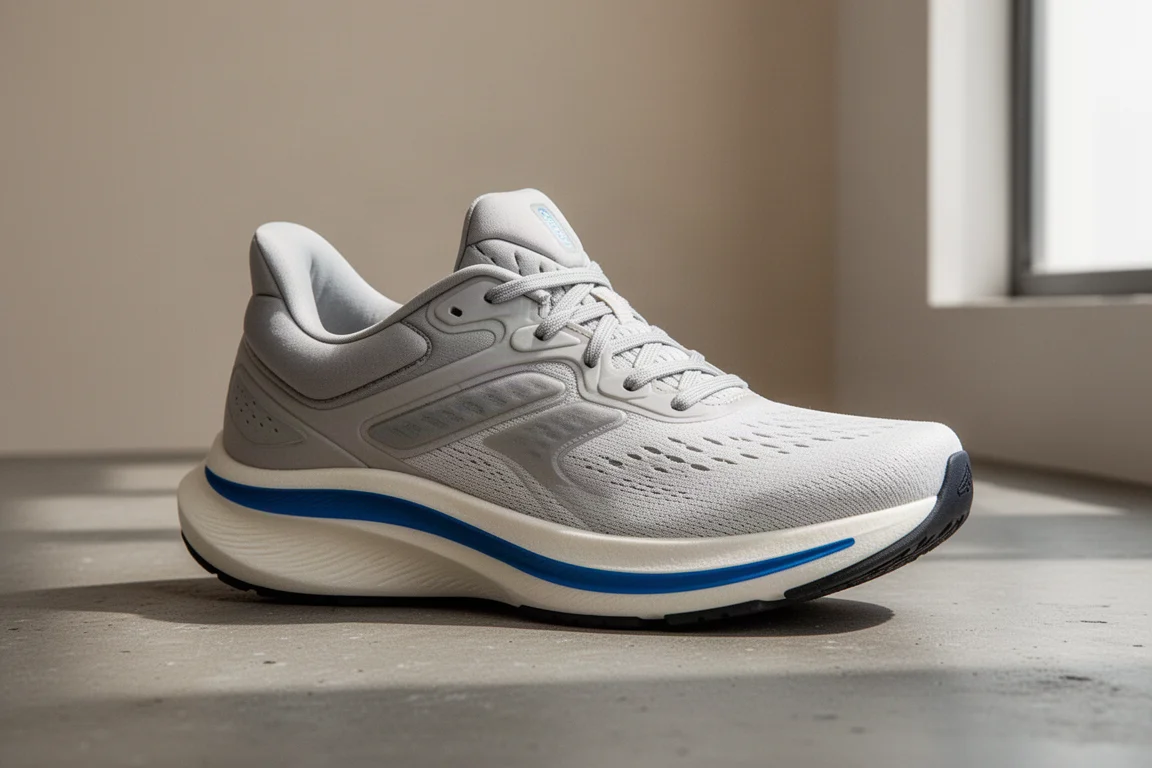
The first shoe worth cross-shopping against the Clifton 10 comes from Diadora. The Nucleo 2 shares a lot of visual DNA with the Clifton line, from the silhouette to the overall setup, and it targets a similar kind of runner.
The key differences are in the cushioning. Even though the Nucleo 2 uses an EVA-based foam, Diadora has tuned it to feel noticeably softer, with cushioning that stands out in the forefoot. There are also light stability elements built in, so you do not come crashing in on landings. The upper material is very puffy, and the plushness extends through the heel cup and an even bigger Achilles flare than Hoka’s. Comfort is clearly the message here.
The trade-off is price. The Nucleo 2 retails at $165, and part of what you are paying for is that Diadora logo on the side.
Brooks Ghost Max 3
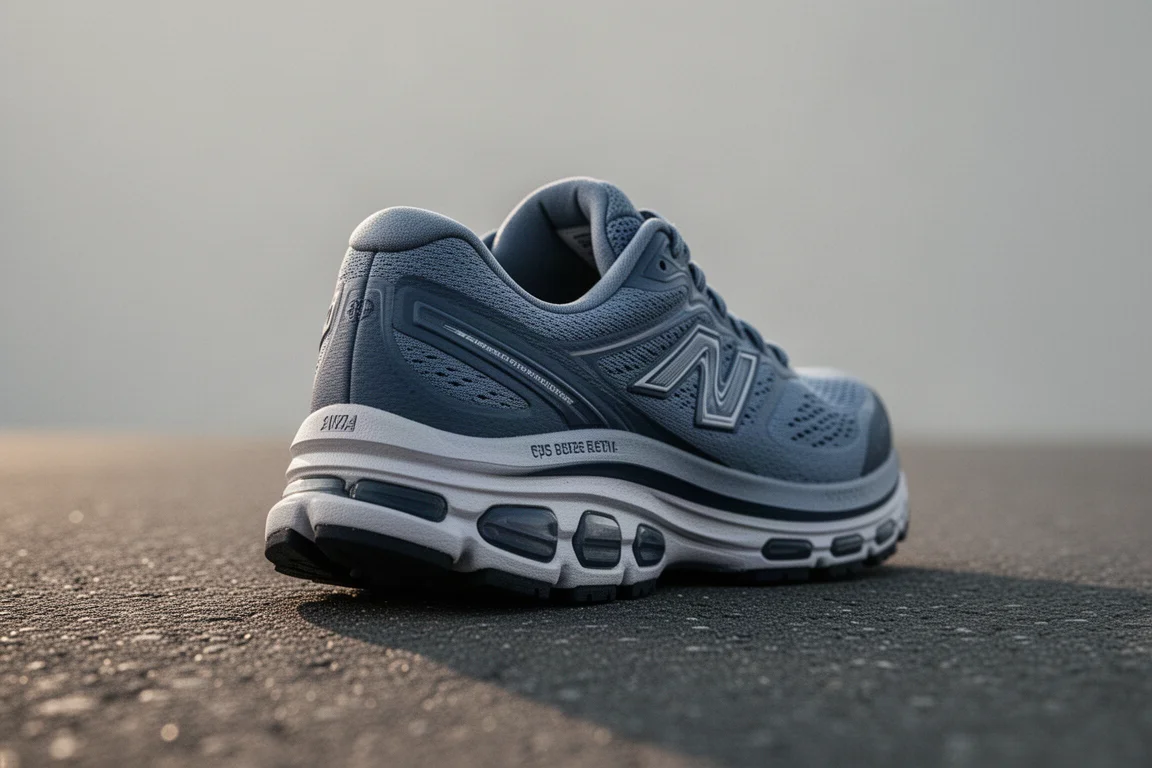
The second alternative looks very different from the Clifton 10, but it targets much the same runner. The Brooks Ghost Max 3 is plush and comfortable while still allowing you to pick up the pace a little when needed.
Like the Nucleo 2, it leans harder into comfort, with more plush cushioning throughout the heel cup and tongue than the Clifton 10 offers. It is also heavier. For some, the foam in both of these shoes can feel a little lackluster relative to what a different design might deliver, but plenty of runners love the Ghost Max 3 exactly the way it is set up. If you are considering the Clifton 10, the Ghost Max 3 deserves a place on your shortlist, and you may be surprised which one you end up preferring.
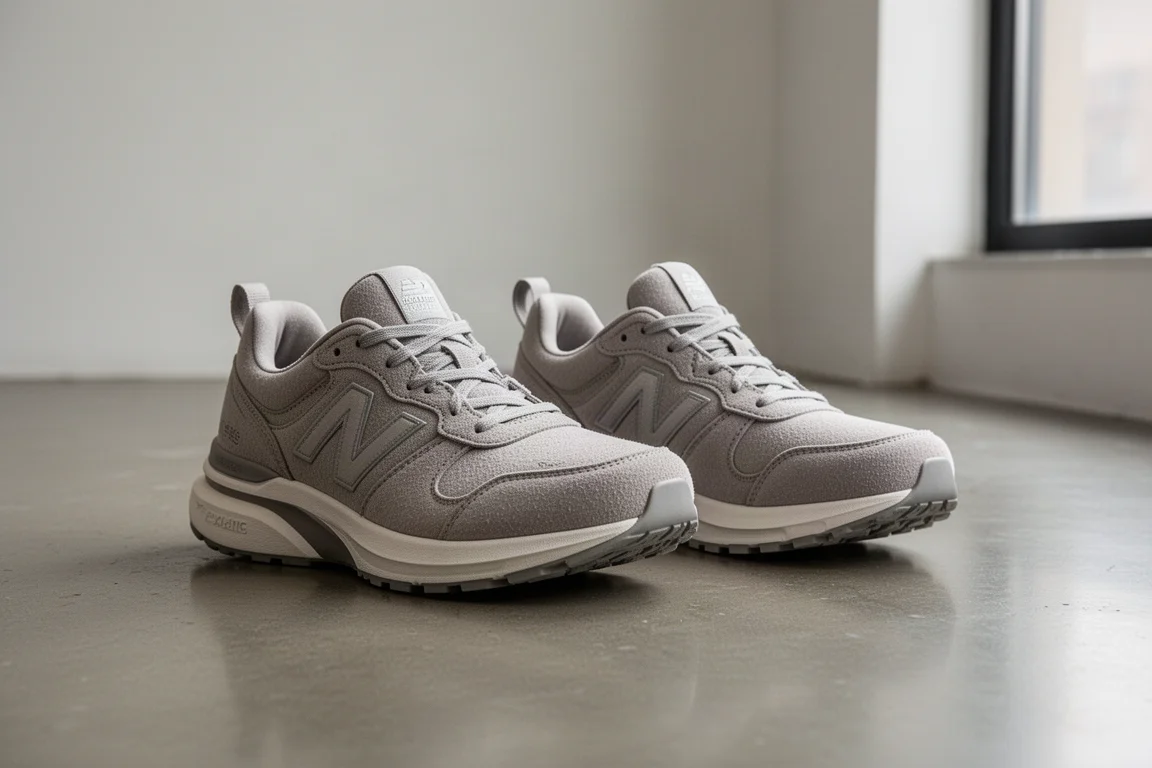
Price is again a consideration: the Ghost Max 3 retails at $160.
Which One Should You Buy
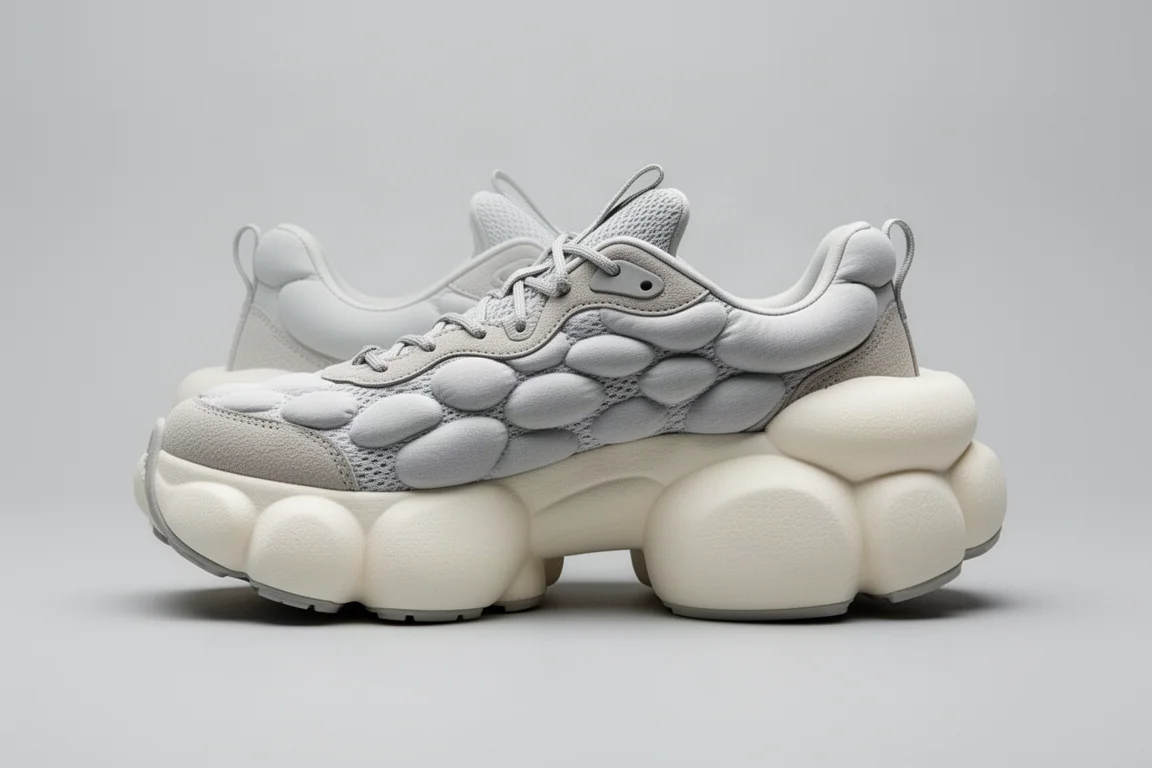
If you have never tried Hoka before, the Clifton 10 is still arguably the best introduction to the brand and its standards. But if you loved previous Cliftons, check whether you can still find Clifton 9 inventory in your size. At around $115, it is a fantastic deal for what it delivers, especially compared to the Clifton 10’s $155 price tag, which is a steep ask for a shoe that has moved away from what long-time fans valued.
Consider the Bondi 9 if you want Hoka’s most comfortable max-cushion option. Look at the Nucleo 2 or the Ghost Max 3 if plush, comfort-first daily trainers appeal to you and you are willing to pay a premium for that feel. Across this subcategory, prices have climbed roughly 10 to 15 percent, and whether that premium is worth it depends on how much you value step-in softness over a livelier ride.
Conclusion
The Clifton 10 is a well-made shoe with real fit improvements and excellent step-in comfort, but the shift to an 8 mm drop while keeping compression-molded EVA changes its character in ways that will not suit everyone. Long-time Clifton fans should weigh the Clifton 9 at its current discount, while comfort-focused runners should also test the Bondi 9, Diadora Nucleo 2, and Brooks Ghost Max 3 before deciding. Matching the shoe to your actual preferences matters more here than in most daily trainer comparisons.
Further reading
Related Reviews

Running Shoes
Best Road-to-Trail Running Shoes: Three Versatile Options for Mixed Terrain
A practical guide to three road-to-trail running shoes that handle both pavement and mild trails, with clear strengths and trade-offs for different runner types.

Running Shoes
Best Running Shoes for Achilles Tendonitis: Three Options Explained
Three running shoes with different heel drops and support features designed to help reduce Achilles tendon pain during walking and running.

Running Shoes
Best Running Shoes for Women: Five Top Choices Ranked
A ranked guide to five women's running shoes, from versatile daily trainers to high-performance racing options, with real strengths and trade-offs for each.