Running Shoes
Hoka Cielo X1 vs Saucony Endorphin Pro 4: Which Carbon Racing Shoe Should You Buy?
Two of 2024's biggest carbon plate releases compared on ride feel, fit, weight, durability, and value to help you pick the right super shoe.
Introduction
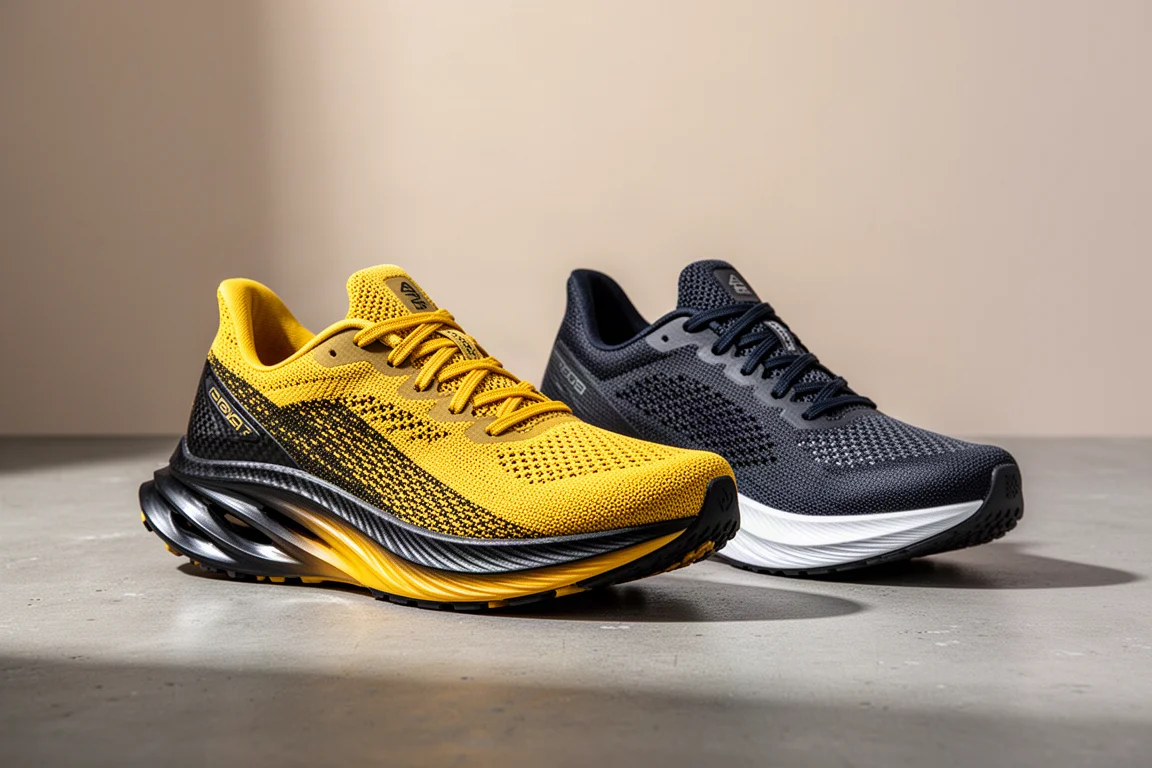
The Hoka Cielo X1 and the Saucony Endorphin Pro 4 are two of the biggest carbon plate releases of 2024, and both promise a serious edge on race day. They take very different paths to get there, though. The Cielo X1 leans into an aggressively bouncy, rocking ride, while the Endorphin Pro 4 offers a firmer, nimbler, more natural feel at a lower price. After extensive testing through marathon training, the verdict comes down to what you want from a super shoe. Here is how they compare.
Price, Weight, and Specs
On paper, the Saucony is the more affordable and lighter option. The Endorphin Pro 4 costs £230 or $225, while the Cielo X1 comes in at £250 or $275. Weight follows the same pattern: the Endorphin Pro 4 weighs 233g (8.2 oz) in a UK size 9, versus 253g (8.9 oz) for the Cielo X1. Drop is 8mm on the Saucony and 7mm on the Hoka, so neither is radically different in stack geometry philosophy.
Neither shoe feels heavy at speed despite the numbers, though the Cielo X1’s extra weight is the detail most people will notice first on a spec sheet.
Ride Feel and Performance
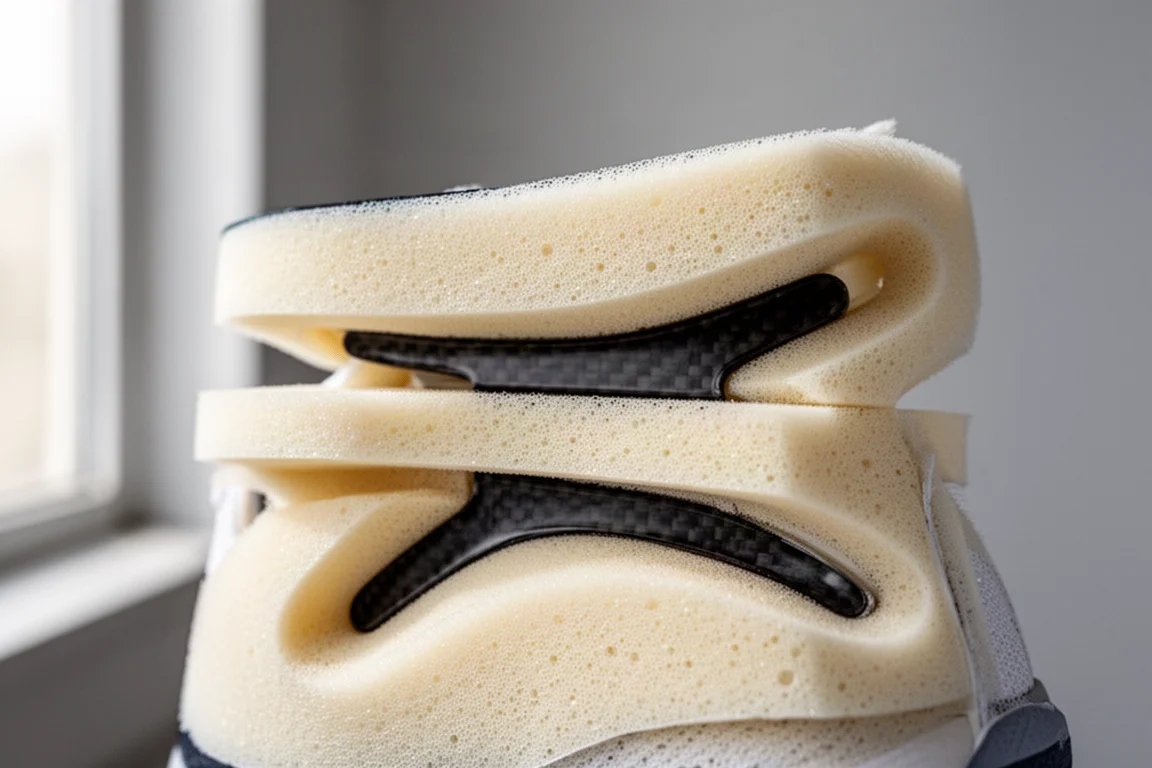
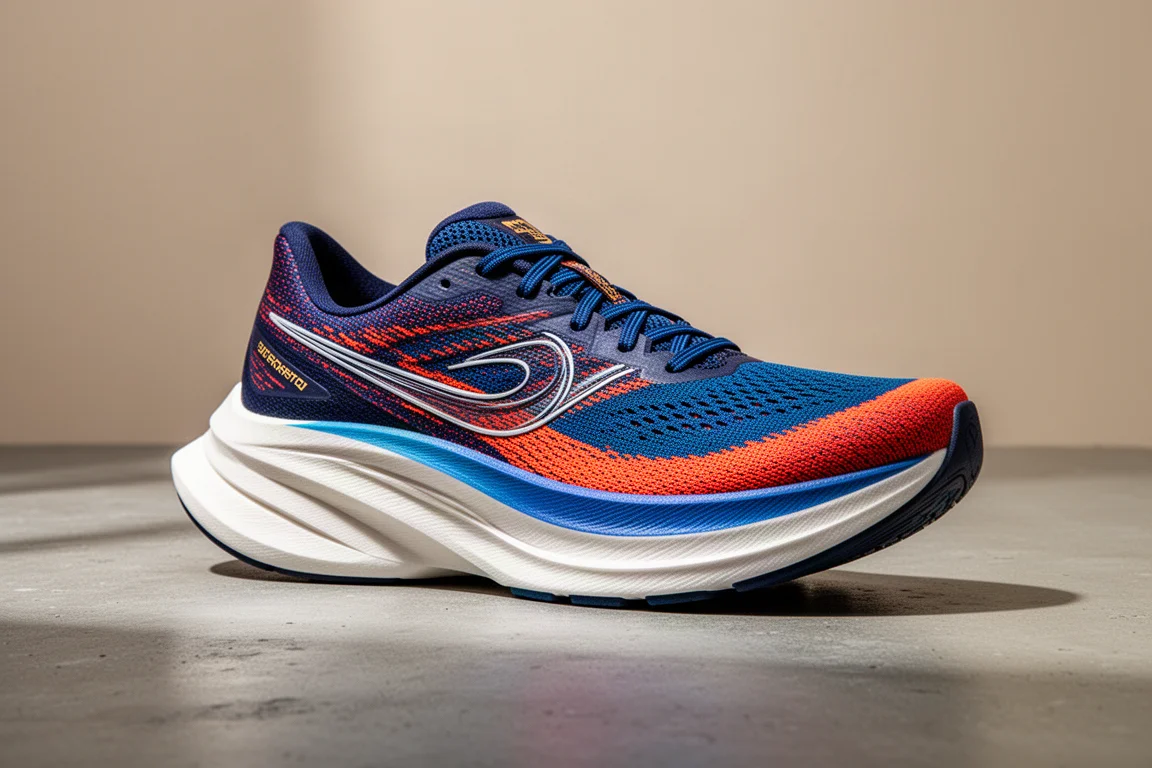
The Cielo X1 is the springier of the two, no question. Two layers of PEBA-based foam sandwich a winged carbon plate, and a decoupled midsole with a huge cutout splits the foam on one side. Paired with a very aggressive rocker, it quickly moves you through your foot strike with a big, explosive toe-off. It has a bouncy, tiptoe-like feel reminiscent of other ultra-aggressive racers, and it holds up impressively across a wide range of paces, from easy long-run cruising down to 5K-pace track reps.
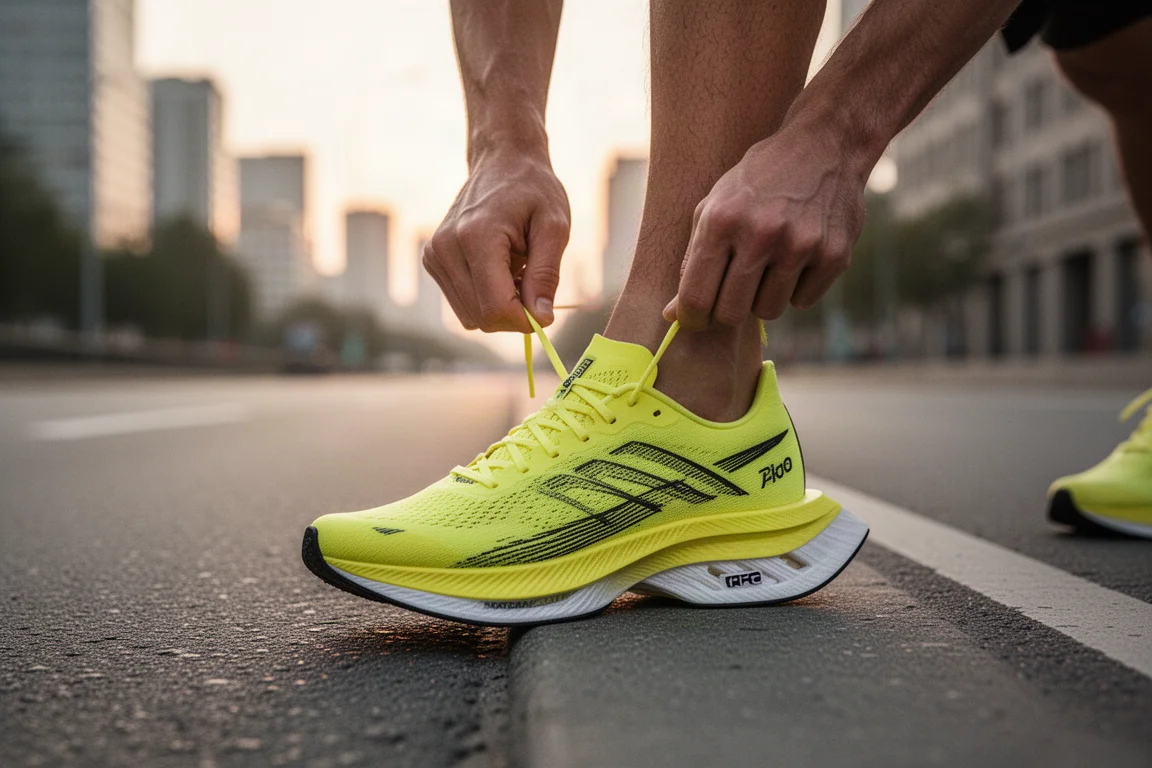
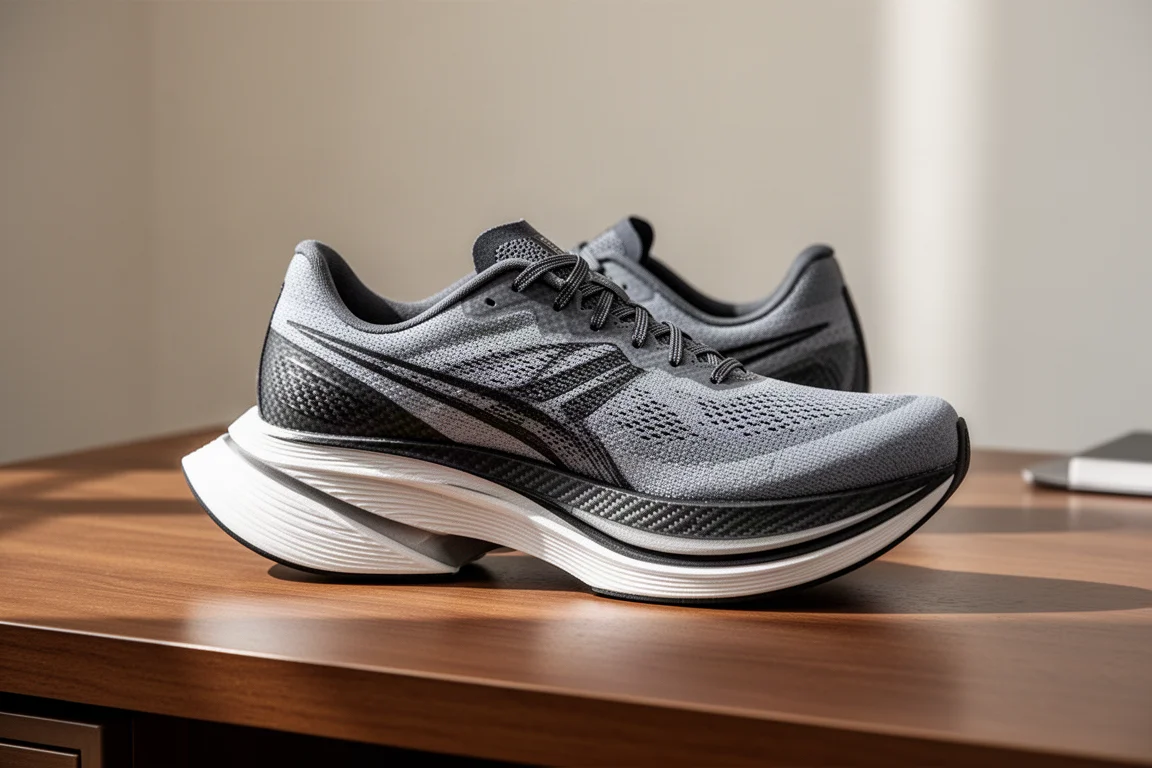
The Endorphin Pro 4 takes a more muted approach. Its dual-midsole stacks PWRRUN PB foam on the bottom with the firmer, more responsive PWRRUN HG on top, plus Saucony’s Speedroll geometry for quick heel-to-toe transitions. The ride feels firmer, nimbler, and more natural, which makes it easier to live with if you don’t get on with overly rocked or squishy shoes. It doesn’t have the straight-line punch of the Hoka, but the combination of foams, plate, and rocker makes holding quick paces feel that bit easier, and it edges ahead at shorter, faster distances.
Fit and Sizing
Both shoes fit true to size and suit narrower feet well, with good hold around the heel and midfoot and comfortable toe box room. The Cielo X1 is the tighter, more narrow-feeling shoe of the pair. Its knit upper is firmer and more rigid, so it is a squeeze to get into, and the lacing takes a bit more work to achieve a solid lockdown. Wider-footed runners may find it restrictive.
The Endorphin Pro 4 has a more traditional mesh upper with a gusseted tongue and offers noticeably easier step-in comfort, which is unusual in a carbon racing shoe. Lockdown is excellent out of the box, and neither shoe caused any rubbing or irritation around the heel during testing. A practical sizing note: the Cielo X1 runs slightly small in UK sizing but fits true to size if you are buying US sizes.
Durability and Long-Term Use
Both shoes have handled heavy training mileage well. The Cielo X1 has covered around 50 miles across two versions, including the prototype and the retail release, with no noticeable loss of performance. The outsole rubber coverage on the Hoka is solid, with only a few cutouts and small patches of exposed foam.
The Endorphin Pro 4 has logged well over 50k and appears to hold its midsole even better than the Endorphin Pro 3 did. Its outsole uses a lattice rubber layout with good coverage and a few weight-saving cutouts. Both are shoes you can genuinely train in and race long in, with a good level of durability for the category.

Which Shoe Should You Buy?
If you want the unadulterated fun, big-bounce super shoe experience, the Cielo X1 delivers it. For marathon-focused runners, the extra weight is unlikely to matter over the race distance compared to the extra propulsion you get in return. If you race a broader spread of distances, with plenty of 5Ks and 10Ks, the Endorphin Pro 4 has the better range, is nimbler through corners, and is considerably cheaper.
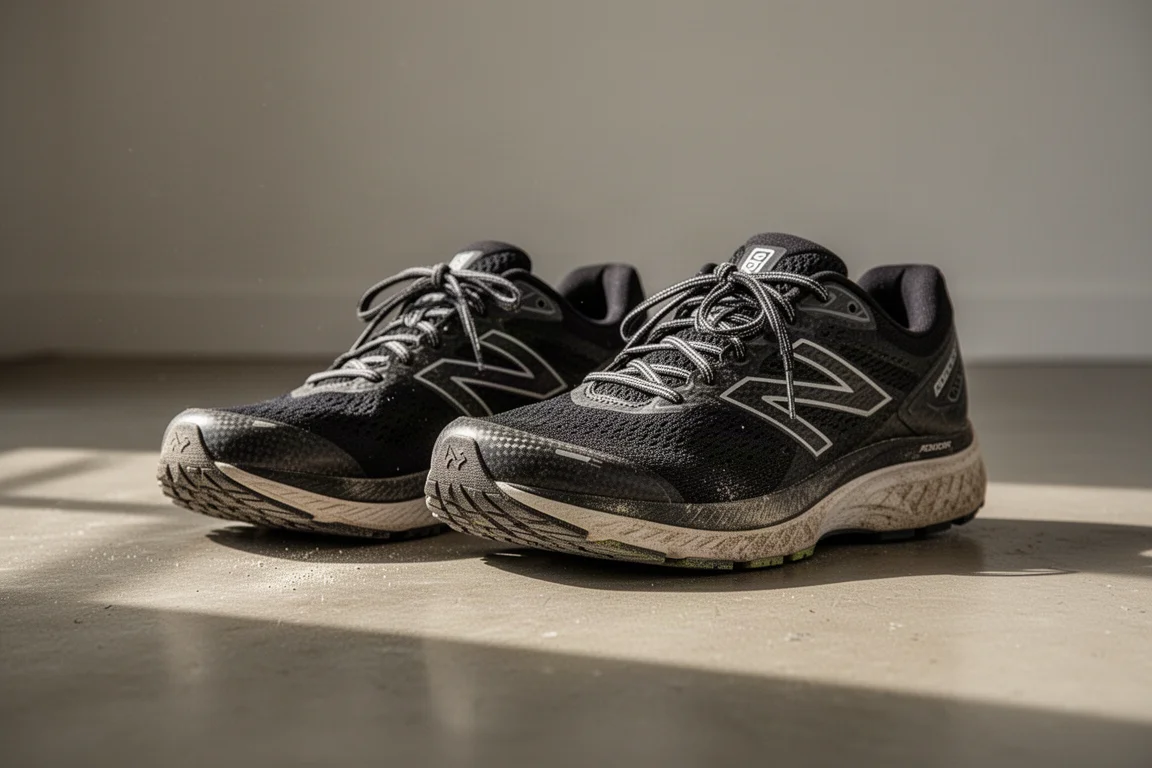
Both are excellent, and neither is a wrong answer. The Hoka is the more exciting ride; the Saucony is the more versatile and better-value one.
Conclusion
The overall pick goes to the Hoka Cielo X1 for its exceptional bounce and the sheer enjoyment of running in it, especially at marathon and half marathon distances. But the Saucony Endorphin Pro 4 remains a great value racing shoe that is lighter, nimbler, and more accessible, making it the smarter all-round choice for many runners. Choose based on which ride feel fits your racing.
Further reading
Related Reviews

Running Shoes
Best Road-to-Trail Running Shoes: Three Versatile Options for Mixed Terrain
A practical guide to three road-to-trail running shoes that handle both pavement and mild trails, with clear strengths and trade-offs for different runner types.

Running Shoes
Best Running Shoes for Achilles Tendonitis: Three Options Explained
Three running shoes with different heel drops and support features designed to help reduce Achilles tendon pain during walking and running.

Running Shoes
Best Running Shoes for Women: Five Top Choices Ranked
A ranked guide to five women's running shoes, from versatile daily trainers to high-performance racing options, with real strengths and trade-offs for each.