Running Shoes
Hoka Cielo X1 vs Hoka Rocket X2: Which Super Shoe Should You Race In?
Two of Hoka's best racing shoes go head to head. We break down the fit, midsole feel, grip, and which distances each one is built for.
Introduction
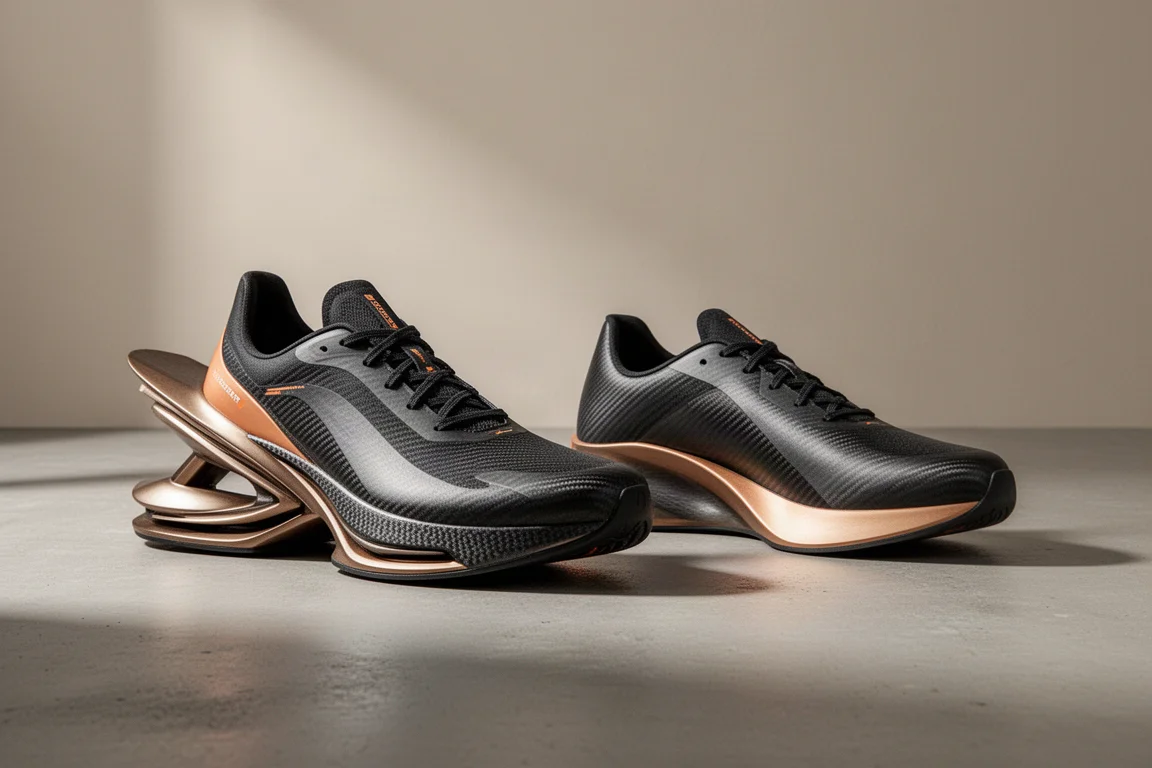
Hoka has two headline racing shoes in its lineup: the Cielo X1 and the Rocket X2. Both are serious super shoes, both have been run and raced in extensively, and both deliver a genuinely good experience. The tricky part is choosing between them, because they share a lot of DNA while being tuned for quite different jobs. This comparison breaks down the key differences, what each feels like to run in, and which one makes more sense for your racing.
Key Specs: Price, Drop, and Weight
The Cielo X1 is clearly the more expensive of the two, sitting roughly $20 to $30 higher, and it lands in the same price territory as shoes like the Nike Vaporfly 3. That comparison is worth keeping in mind when judging what you get for the money.
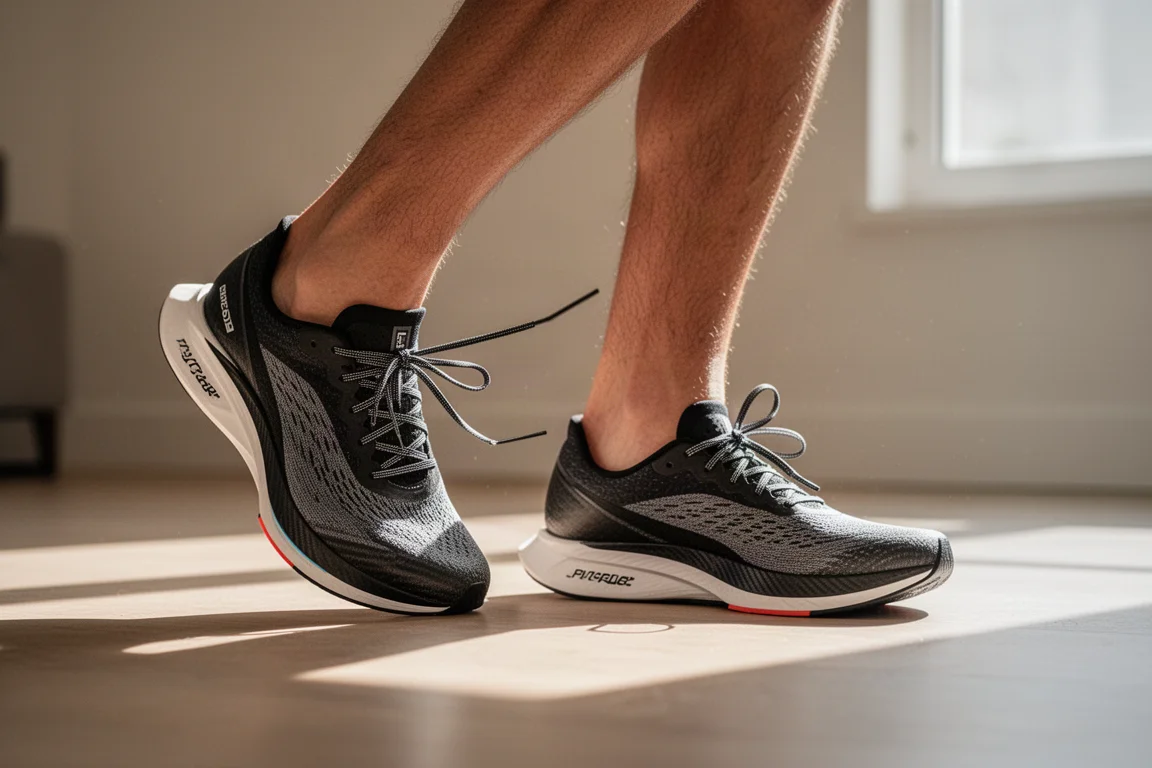
On spec, the Rocket X2 carries a 5 mm drop against the Cielo X1’s 7 mm. Weight is where the Rocket X2 pulls ahead: around 211 g in a UK size 8, versus just over 240 g for the Cielo X1 in the same size. Both uppers aim to be light and slim, but the Rocket X2 uses a stretchy mesh while the Cielo X1 gets a stiffer knit upper. Lacing differs too, with traditional laces on the Rocket X2 and flatter, weight-saving laces on the Cielo X1.
Midsole and Ride Feel
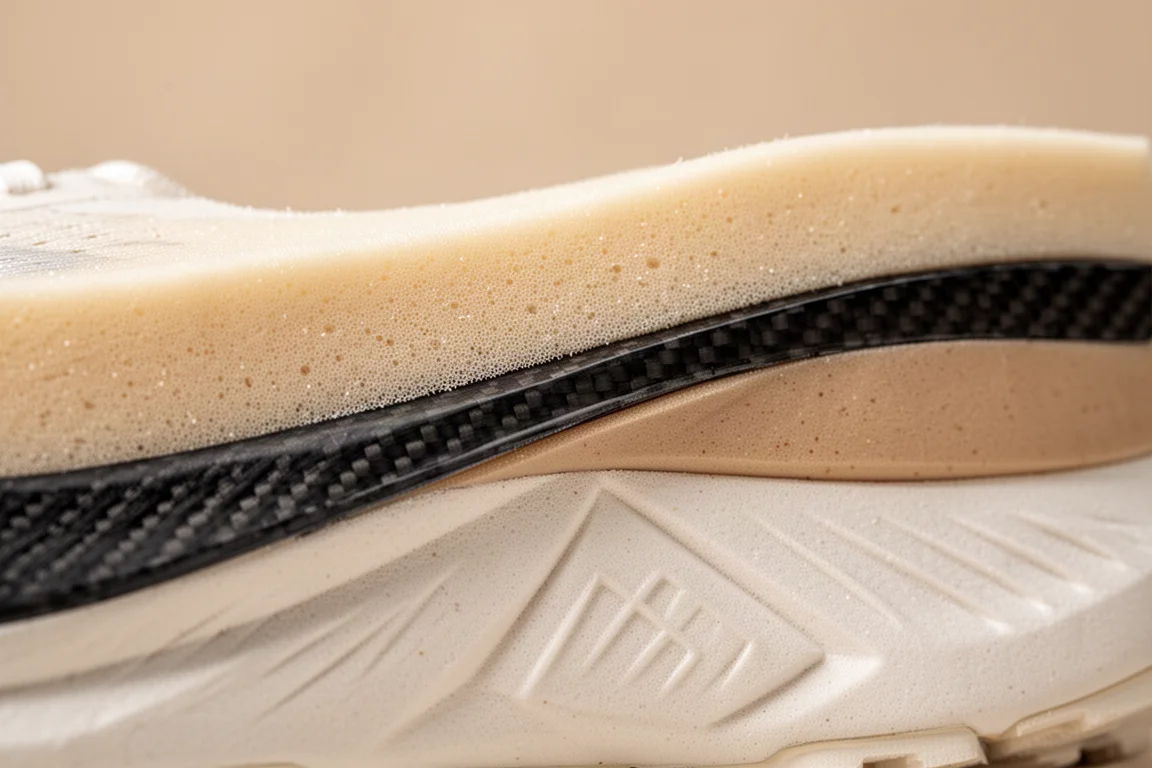
Both shoes use a similar dual-density PEBA midsole: a softer layer on top, a carbon plate in the middle, and a firmer PEBA layer underneath. The plate shapes differ though, with a winged plate in the Cielo X1 and a scooped plate in the Rocket X2, and that shapes how each shoe runs.
The Rocket X2 feels responsive and sits lower to the ground. It rewards quick running and gives that lift onto your toes, but it feels noticeably less impressive when you ease off the pace, and it takes a bit more work to keep it rolling. The Cielo X1 is the opposite: from the first step it feels bouncier and pushes you to run quicker naturally. Its taller stack also adds protection underfoot, making it feel more consistent over longer distances.
Stability favors the Rocket X2, which feels more planted. The Cielo X1 has a tippy, AlphaFly-like quality that constantly nudges you forward onto your toes.
Fit and Comfort
Both are narrow-fitting racing shoes, which is worth knowing before you buy. The Rocket X2 is much easier to get on, while the stiffer Cielo X1 upper takes more effort to slip into, especially at the heel collar. Once in, both lock the foot down well, and both offer decent toe box space, with the Cielo X1 providing noticeably more front-end volume. That extra room suits longer racing, and it is one reason the Cielo X1 works better at longer distances.
Heel collars are skinny on both, with internal padding to prevent rubbing, but results differ. The Cielo X1 stayed rub-free throughout testing, while the Rocket X2 produced some heel rub on some runs and required more attention to heel lockdown. On laces, the traditional laces of the Rocket X2 deliver a better midfoot lock straight away, whereas the flat laces of the Cielo X1 take more fiddling before they stay put. Both shoes fit true to tested size in a UK size 8.
Durability and Grip
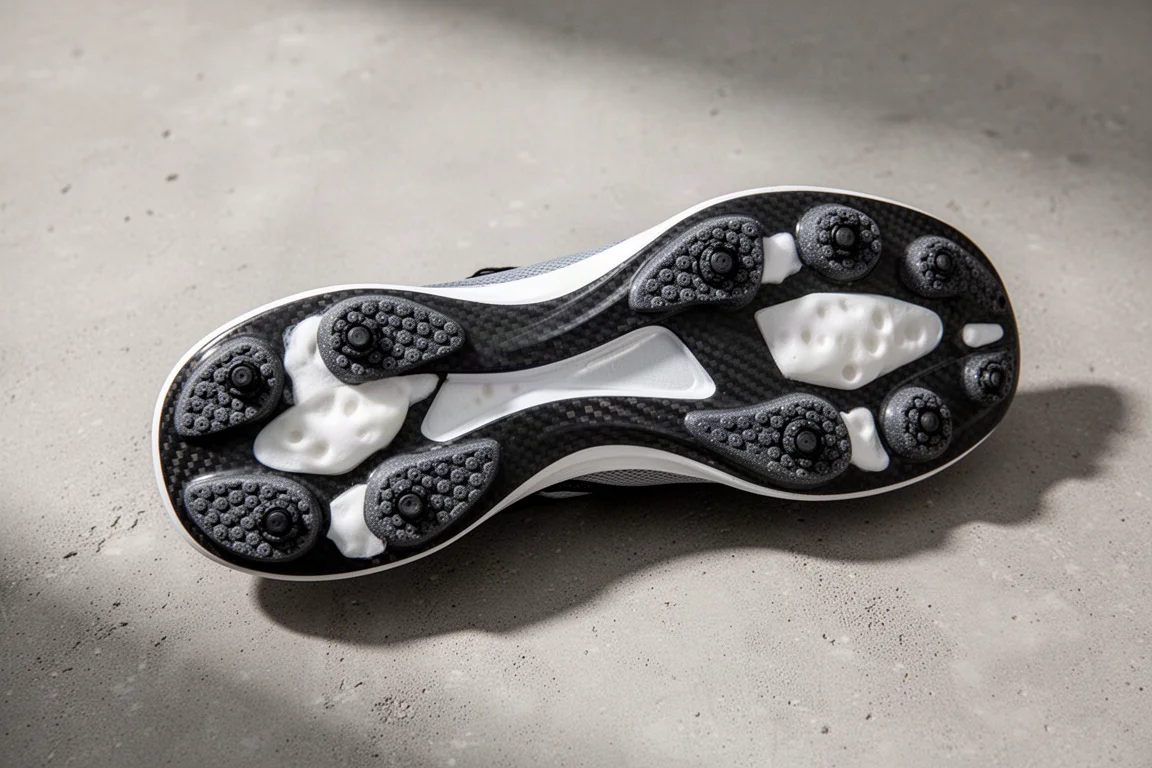
Both shoes expose some midsole foam at the outsole, but the Cielo X1 carries more rubber coverage. After over 50 km of running, its outsole has held up well and offers more protection. The Rocket X2 shows a little more wear after more accumulated mileage, particularly if you land on the outside of the shoe.
In wet conditions, the Rocket X2 slipped around slightly on a few runs, though not enough to be a major concern. The Cielo X1 was tested in a wet track session and offered no grip issues at all. Overall, the Cielo X1 feels like it has a bit more in reserve for longer racing and tougher conditions.
Which One Should You Pick?
Think of these two as complements rather than direct rivals. The Rocket X2 is better suited to shorter race distances, roughly 5K up to and including the half marathon, where its responsive, lower-to-the-ground ride excels. The Cielo X1 takes over from there: its extra stack, more forgiving dual-density midsole, and greater rubber coverage make it the better shoe for racing longer and running quickly over longer distances.

If you want one shoe to race across a variety of distances, the Cielo X1 edges it, largely because of the heel rub some runners experience on the Rocket X2. But it is the pricier shoe, so if your racing stays in the 5K to half marathon range and you want a naturally responsive, more stable feel at a lower price, the Rocket X2 will serve you very well. And if the next-generation, AlphaFly-style ride is what you are after, the Cielo X1 delivers exactly that.
Conclusion
Both are excellent super shoes, and neither is a wrong answer. The Rocket X2 is the lighter, cheaper, more stable pick for 5K to half marathon racing, while the Cielo X1 is the bouncier, more protective option that shines over longer distances. Match the shoe to your race distance and your feet, and either one will give you a fast, enjoyable race day.
Product link
View more details for Hoka Cielo X1
This product is mentioned in the review. Check the specifications, options, and compatibility before buying.
View more details for Hoka Cielo X1Further reading
Related Reviews

Running Shoes
Best Road-to-Trail Running Shoes: Three Versatile Options for Mixed Terrain
A practical guide to three road-to-trail running shoes that handle both pavement and mild trails, with clear strengths and trade-offs for different runner types.

Running Shoes
Best Running Shoes for Achilles Tendonitis: Three Options Explained
Three running shoes with different heel drops and support features designed to help reduce Achilles tendon pain during walking and running.

Running Shoes
Best Running Shoes for Women: Five Top Choices Ranked
A ranked guide to five women's running shoes, from versatile daily trainers to high-performance racing options, with real strengths and trade-offs for each.