Running Shoes
Hoka Cielo X1 vs Nike Vaporfly 3 vs Vaporfly 2: Supershoe Comparison Worth Reading Before You Spend $275
A tempo-run head-to-head between the Hoka Cielo X1 and the Nike Vaporfly 2 and 3, covering cushioning, stability, cadence, and which runner each shoe actually suits.
Introduction
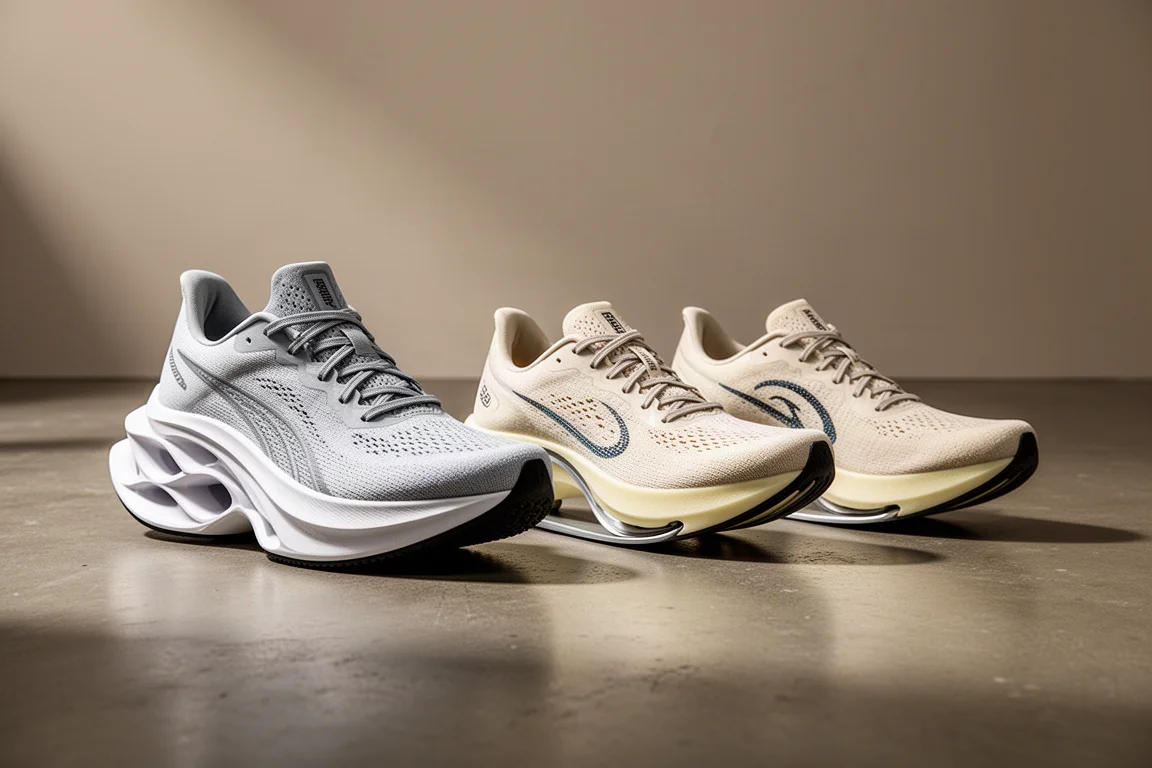
Supershoe money is real money, and the difference between a great pick and an expensive mistake often comes down to how a shoe matches your stride rather than how the spec sheet reads. This comparison puts the Hoka Cielo X1 up against the Nike Vaporfly 3 and Vaporfly 2 in the same workout: a two-mile warmup, four miles at threshold effort, then shorter test blocks in each Nike racer at similar paces.
The short version: the Cielo X1 feels like a different category of shoe entirely, while the two Vaporfly versions reveal a genuine split in how the same racing idea can be executed.
The Head-to-Head Test Setup
The workout structure was simple and repeatable. Six miles first in the Hoka Cielo X1: two miles of warmup followed by four miles at threshold or half marathon effort, starting around 6:20 pace and progressing down. The second block ran three miles in the Vaporfly 3, hitting splits around 5:51 to 5:42 pace. The final block covered two miles in the Vaporfly 2 at roughly 5:56 average pace, closing the last 400 meters at 5:27.
On paper, the Cielo X1 and Vaporfly share similar numbers, including a claimed 40 mm stack. On foot they feel nothing alike, and the reason appears to be where each brand measures the stack and how the rocker is placed. Both Nike shoes share ZoomX foam and feel like they compress noticeably more underfoot than the Hoka.
Hoka Cielo X1: Maximum Cushioning With Real Pop
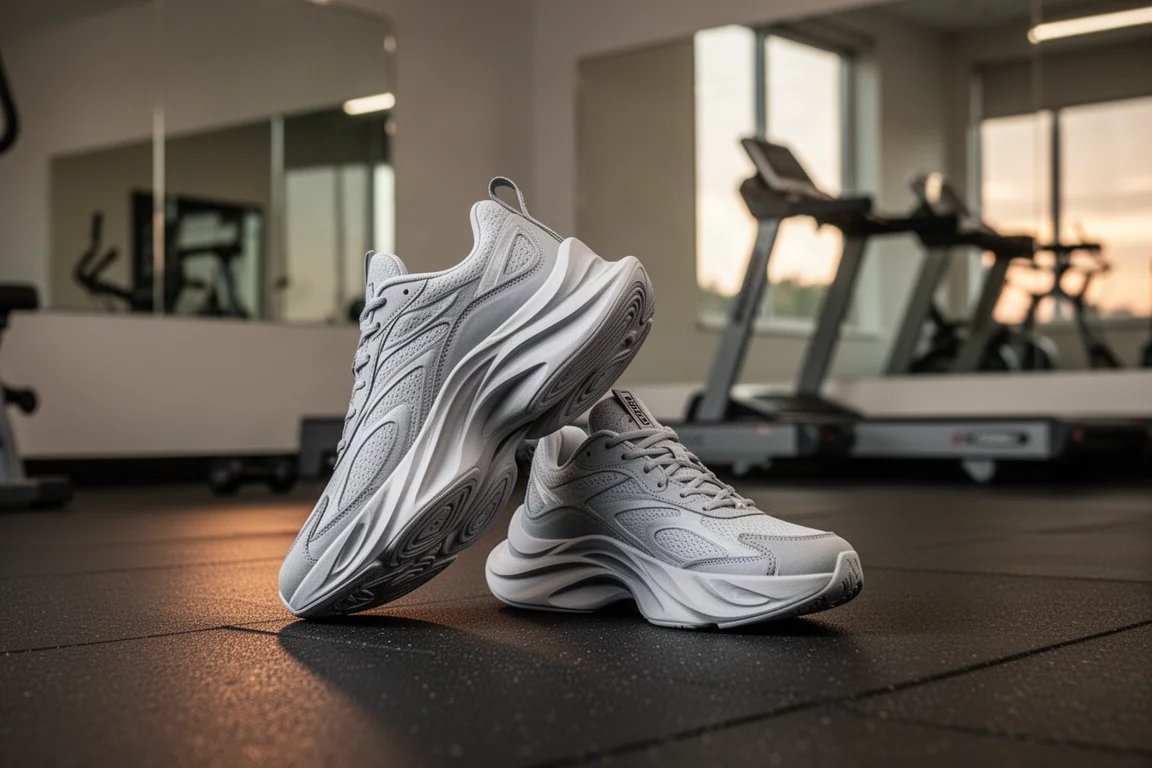
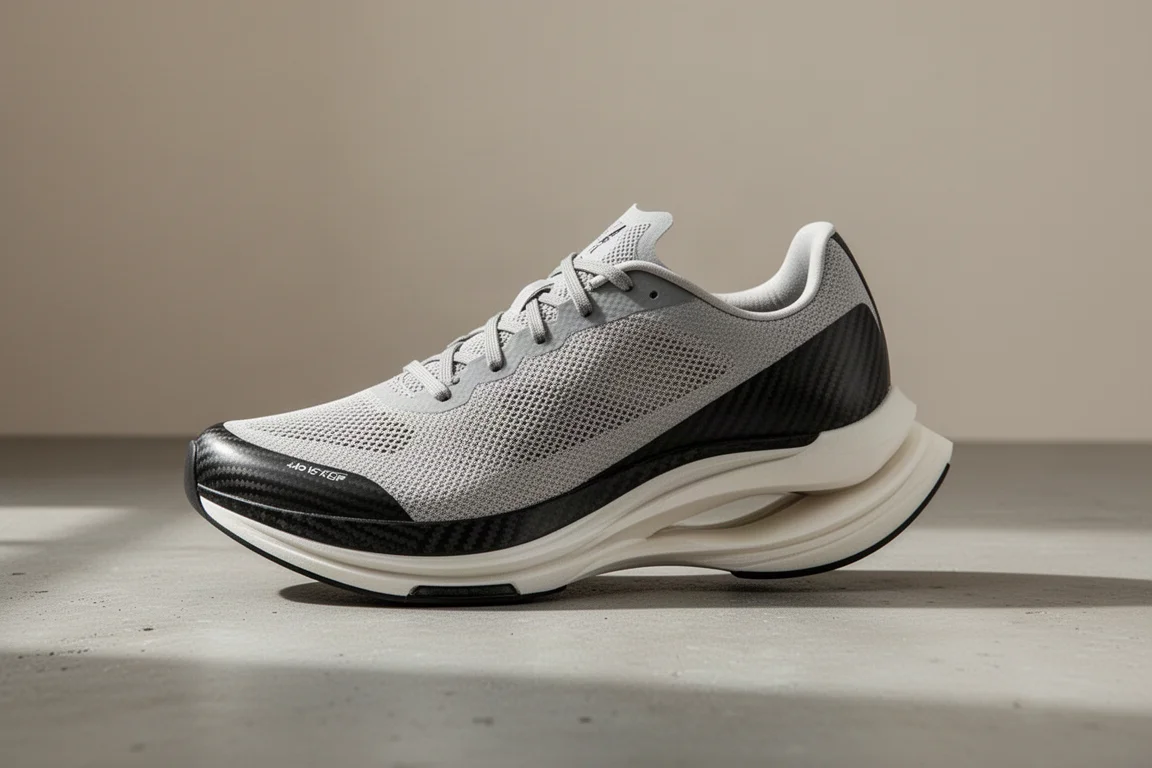
The Cielo X1 delivers a ride that is genuinely hard to compare to anything else. The foam is bouncy without being soft in the ZoomX sense: comfortable and fast at the same time, more like a firm, lively platform than a plush one. One way to picture it is running with two fully inflated basketballs strapped to your feet, in the absolute best way possible.
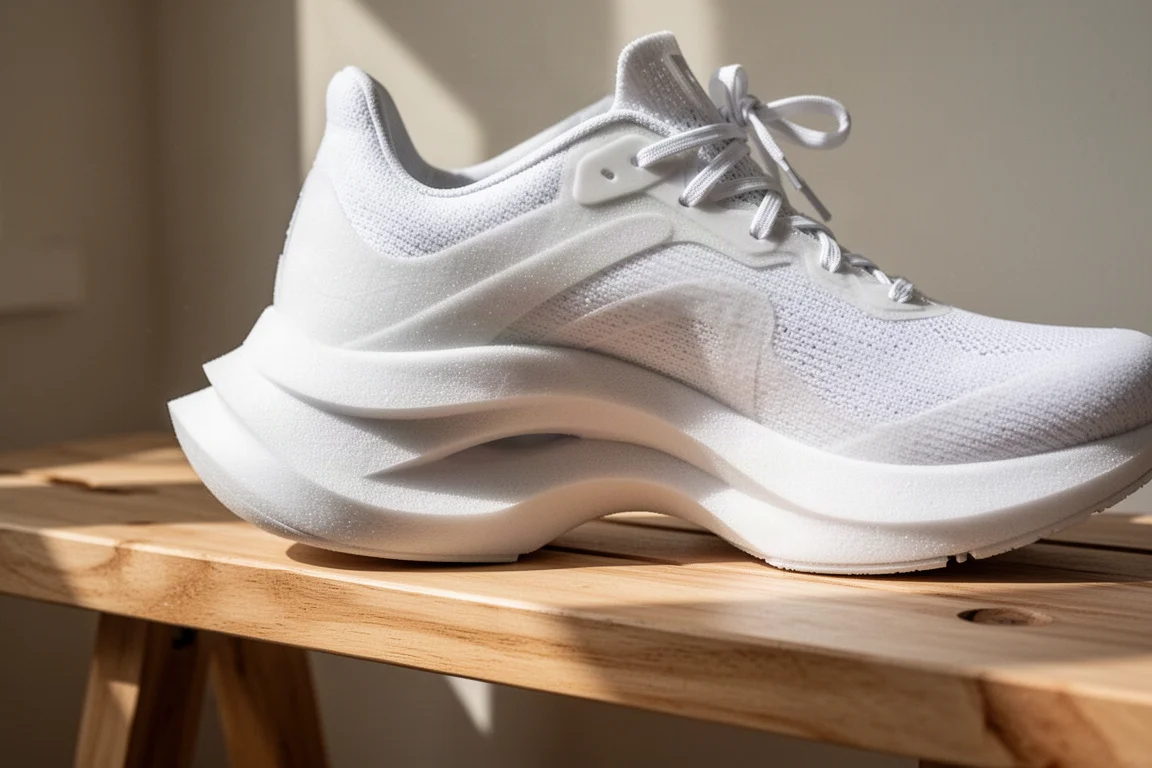
The standout feature is the amount of foam in the midfoot. Although it is marketed as a 7 mm drop shoe, the drop depends entirely on where you measure, because the midfoot carries a lot of foam. For rear-foot and midfoot strikers, that translates to a generous, cushioned landing, and the rocker then tips you forward into a full, powerful stride extension.
Stability is another clear win. The platform is visibly wider through the midfoot than the Vaporfly, which lets you run with your natural mechanics instead of forcing you up onto your toes. The trade-off is weight: the Cielo X1 is noticeably heavier than the Vaporfly, and the extra width is the main reason. For most marathon runners, especially anyone running three and a half hours or longer, that stability and cushioning is worth more than the weight penalty. The one critique is durability: the outsole rubber could be redistributed rearward to protect the large area of exposed foam at the back of the shoe.
At around $275, this is shaping up as the marathon racing shoe to buy for most people, pending a final long run and race trial.
Nike Vaporfly 3: Light, Minimal, Fast
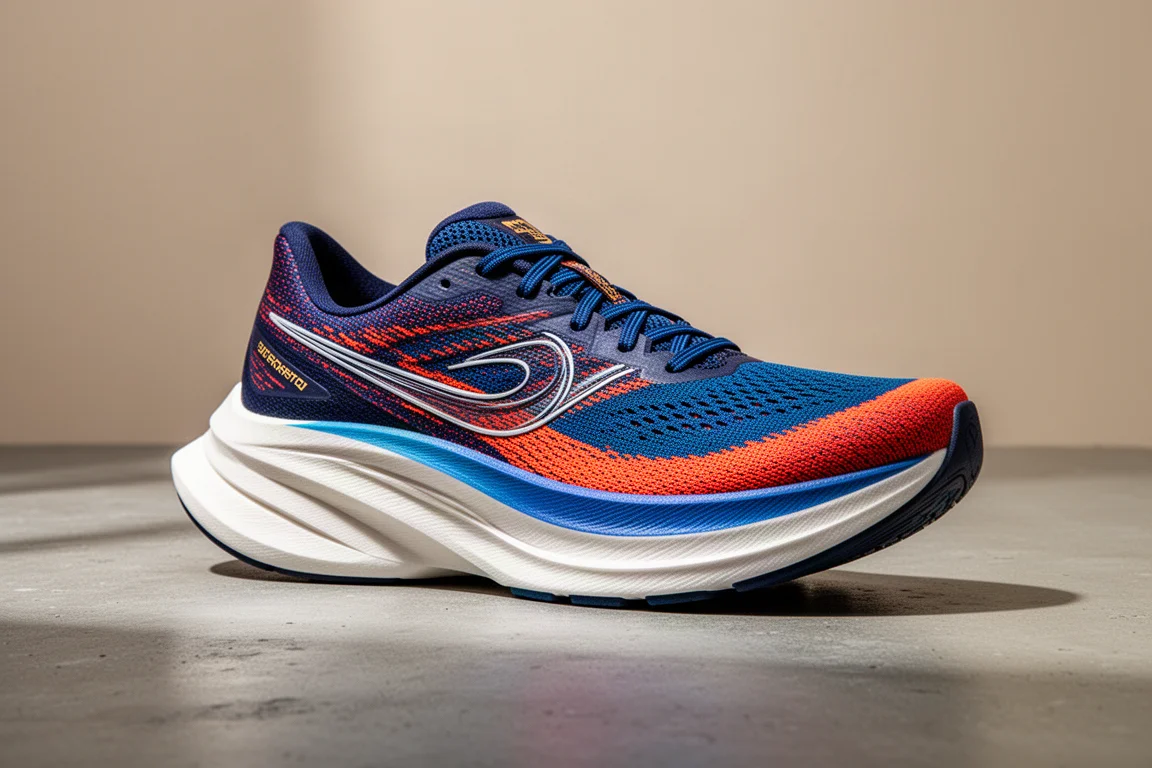
Compared to the Hoka, the Vaporfly 3 feels almost like a regular sneaker, and the difference is immediately obvious on the treadmill. Hitting the first mile at threshold pace, the ride felt like running straight on top of the belt with little cushioning protection. The ZoomX compresses far more under load than the Hoka foam does, and the whole package feels more minimal despite similar claimed stack numbers.
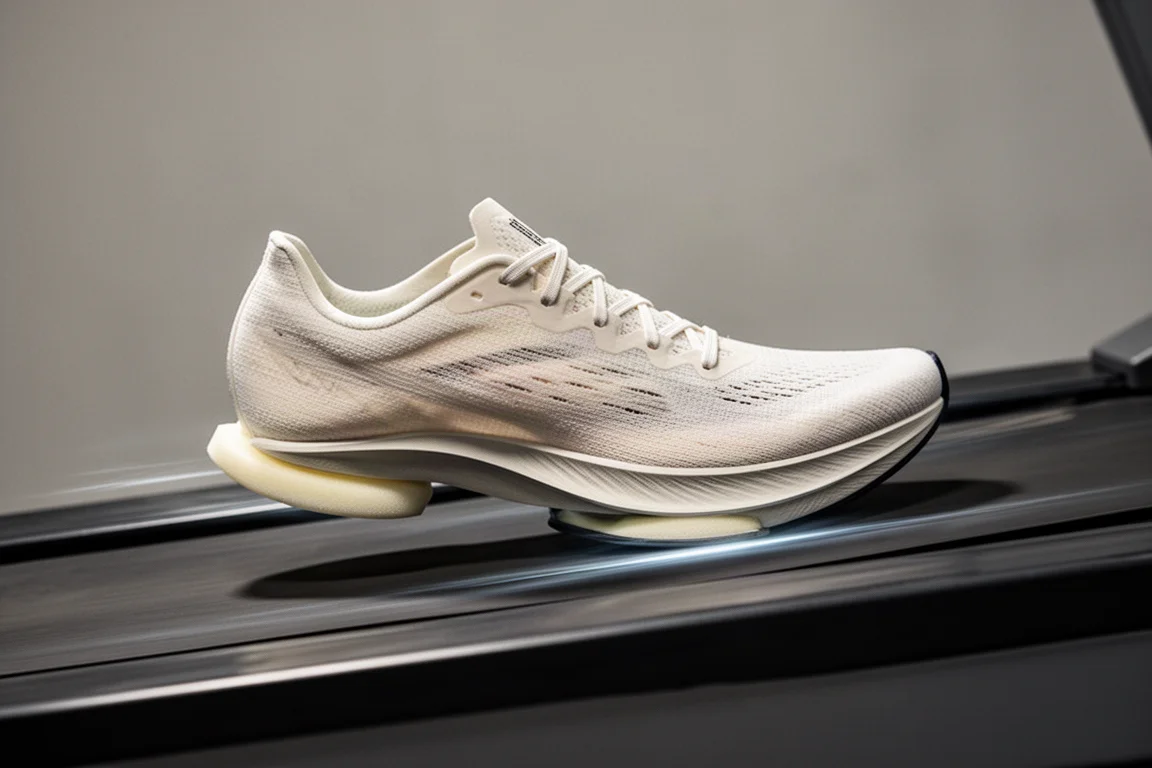
That minimal feel comes with a consequence: the ride can feel a touch dated compared to the newer wave of tall, cushioned racers, even though the Vaporfly line has been around for years. The Vaporfly 3 also asks something of your mechanics. With less foam to land on at the rearfoot, it pushes you toward a forefoot strike, which suits runners who naturally ride up on the toes.
For higher-cadence, gliding runners at shorter racing distances, that combination of ZoomX and a carbon plate still works extremely well. It is a fast, graceful shoe for runners who move their feet quickly and want a plate that rewards that style.
Nike Vaporfly 2: Still the Better Vaporfly for Many
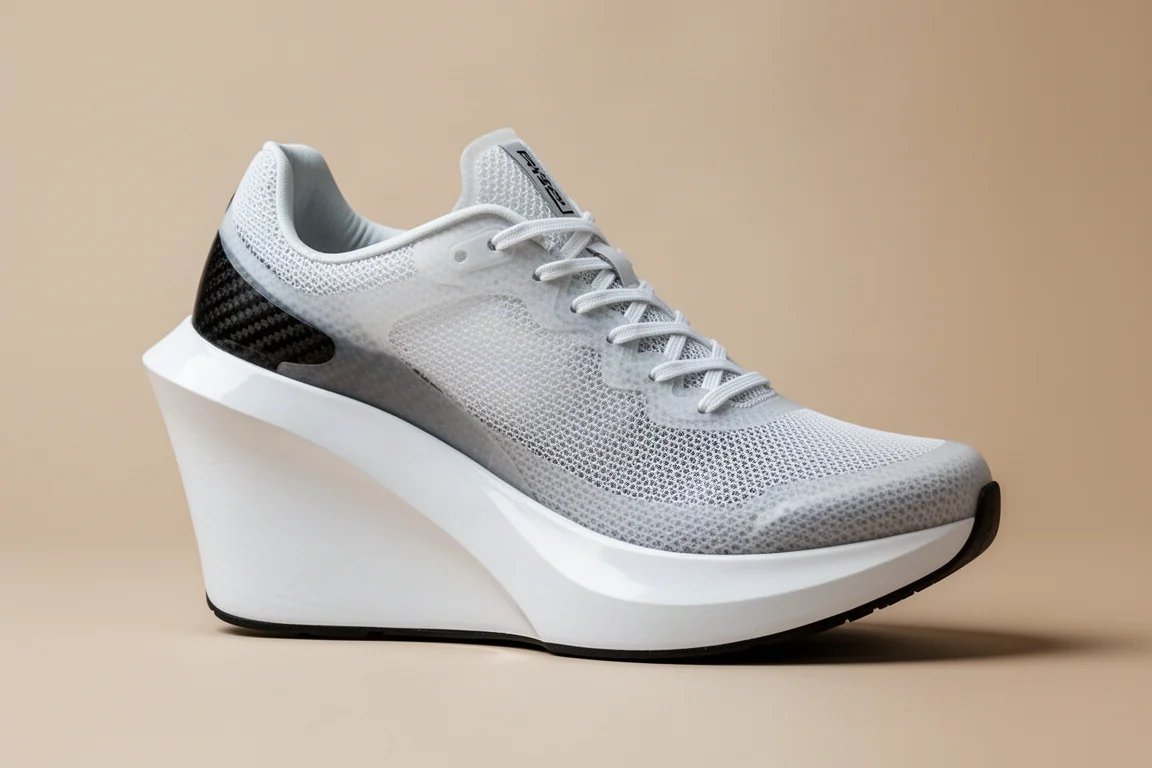
The surprise of the session came from the older Vaporfly 2. Right out of the box, it felt more stable than the 3, and the ZoomX felt different in a good way. The plate feels like it is doing more of the work than the foam, which is exactly what a Vaporfly is supposed to do. In the Vaporfly 3, by contrast, the foam feels like it is working harder than the plate, and that is not the intended feel.
Fit is a factor too: the Vaporfly 2 simply fit the foot better in this test, and it has a longer racing track record at the half marathon distance. If you are choosing between the two Nikes, the Vaporfly 2 executes the original racing formula more faithfully.
Which Shoe Fits Which Runner
The cadence data from the workout makes the split clear. In the Cielo X1, average cadence over the four-mile threshold block was 175 at around 5:54 average pace. In the Vaporfly 3 at roughly the same pace, cadence jumped to 181 without any conscious change, and the Vaporfly 2 pushed it even higher. The takeaway: the Vaporfly makes you move your feet more to hold the same speed, while the Cielo X1 rewards a lower-cadence, more powerful stride.

So the decision framework is straightforward:
- Hoka Cielo X1: rear-foot to midfoot strikers, lower cadence, powerful stride, marathon and longer efforts, runners who prioritize cushioning and stability over weight.
- Nike Vaporfly 3 and 2: higher-cadence, gliding runners, shorter or half-marathon-style efforts, runners who prefer a minimal, plate-driven feel.
Conclusion
The Hoka Cielo X1 currently looks like the top choice of the three for marathon racing, thanks to its wide stable platform, massive midfoot cushioning, and bouncy ride, with weight and outsole durability as the main caveats. The Vaporfly 3 remains a light, fast option for high-cadence runners, and the Vaporfly 2 arguably still outperforms it at its own game. Match the shoe to your stride, not the spec sheet, and you will spend your money well.
Further reading
Related Reviews

Running Shoes
Best Road-to-Trail Running Shoes: Three Versatile Options for Mixed Terrain
A practical guide to three road-to-trail running shoes that handle both pavement and mild trails, with clear strengths and trade-offs for different runner types.

Running Shoes
Best Running Shoes for Achilles Tendonitis: Three Options Explained
Three running shoes with different heel drops and support features designed to help reduce Achilles tendon pain during walking and running.

Running Shoes
Best Running Shoes for Women: Five Top Choices Ranked
A ranked guide to five women's running shoes, from versatile daily trainers to high-performance racing options, with real strengths and trade-offs for each.