Running Shoes
Hoka Cielo X1 vs New Balance SC Elite V4: Two Marathon Super Shoes Compared
Two big, bouncy carbon marathon racers go head to head on fit, ride, protection, and price to help you pick the right one for race day.
Introduction
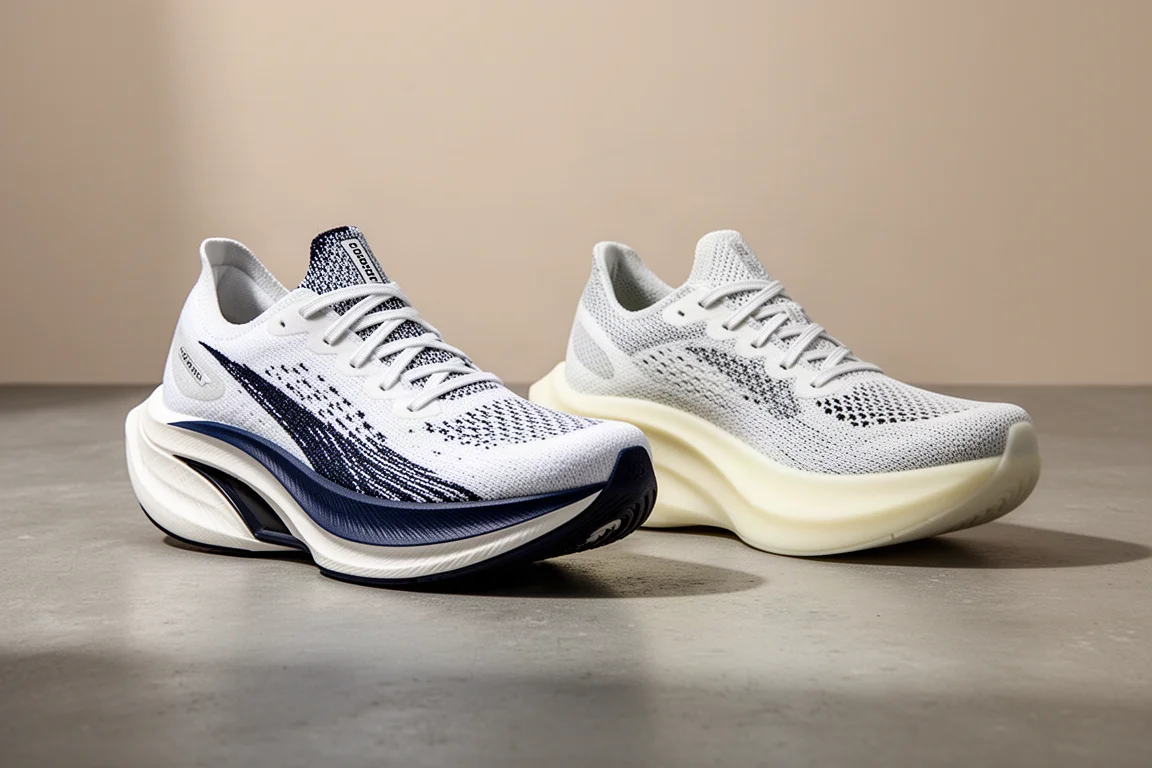
The New Balance SC Elite V4 and Hoka Cielo X1 are two of the biggest launches in the carbon super shoe space, and both are clearly built with the marathon in mind. They share a lot of DNA: big stacks of foam, plenty of comfort and bounce, and a geometry designed to carry you efficiently through long distances rather than feel razor-sharp over 5K.
That said, they feel very different on the run, and the differences matter when you are choosing one for race day. Here is how they stack up.
Specs and Price: What Sets Them Apart
On price, the SC Elite V4 costs £260 in the UK and $250 in the US, while the Cielo X1 sits at £250 in the UK and $270 in the US. So the Hoka is the cheaper option in the UK, but pricier in the US.
The geometry differs too. The Cielo X1 has a 7 mm drop with a 39 mm heel and 32 mm forefoot stack, while the SC Elite V4 runs a 4 mm drop at 40 mm heel and 36 mm forefoot. In a men’s UK size 8, the Elite V4 weighs 225 g versus 242 g for the Cielo X1, making the Hoka the heavier shoe of the two. On paper, that weight is a real consideration for a pure racer.
The midsoles are both PEBA-based, but they take different approaches. Hoka uses a dual-layer system with a softer top layer and a firmer layer below, paired with a winged carbon plate. New Balance goes full PEBA with its FuelCell foam joined by a lighter, curvier version of its Energy Arc carbon plate than previous models. Both shoes use rocker profiles to speed up transitions from heel to toe, and Hoka uses less rubber coverage on the outsole to keep weight down, focusing it on the high-wear zones.
Fit and Comfort
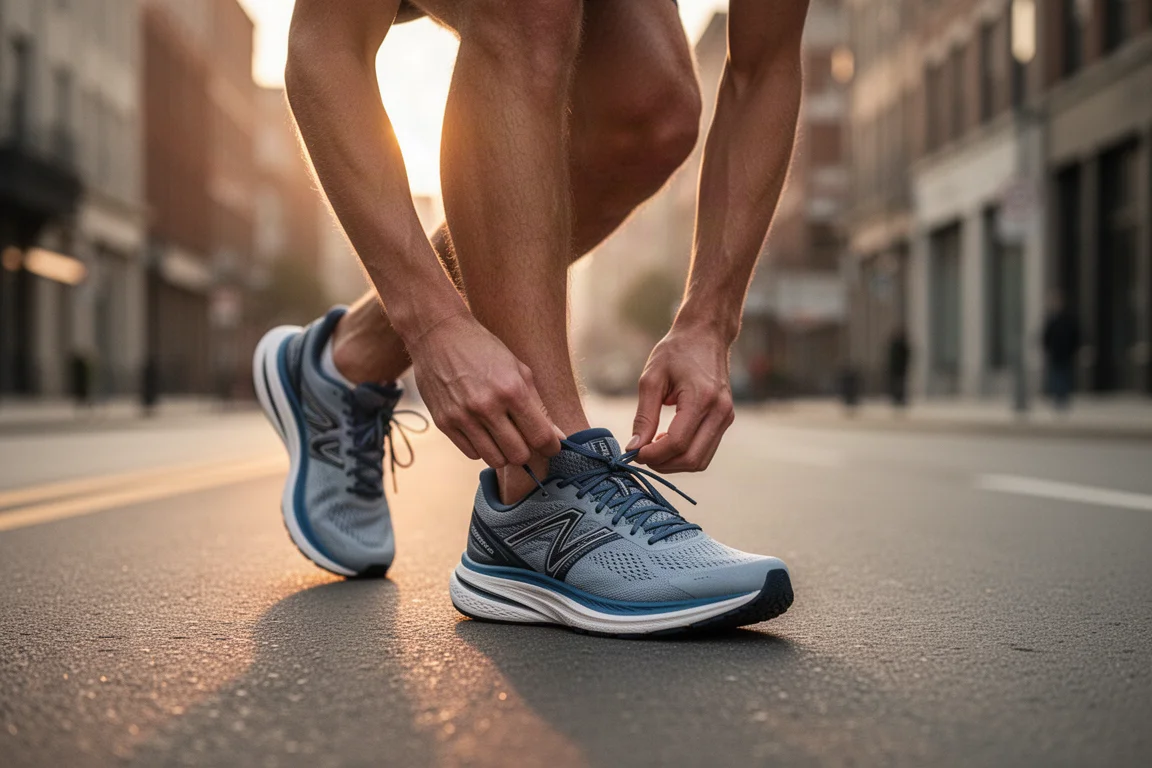
Both shoes fit true to size for a typical UK 9 tester (US 9.5), with good toe box room and a secure midfoot hold. But the fit details split them.
The SC Elite V4’s heel is a concern. It is a very open, roomy design at the back, and heel rub showed up in early runs. Heel lock lacing solved it for one tester, but others have had their heels chewed up badly by it. There is no internal heel padding at all, which is a miss on an otherwise premium shoe. The laces are also surprisingly poor for a shoe this well engineered, although they held through runs of up to two and a half hours. Swapping them is worth considering.
The Cielo X1 fits more like a racing shoe: narrower and more rigid in the upper, with a brief break-in period before you feel properly locked in. Internal heel padding gives a comfortable and secure hold at the back, and the toe box handled both long marathon training runs and shorter efforts without complaint.
If fit is your priority, the Cielo X1 has the edge. If heel padding and a traditional racing feel matter, the New Balance’s lacing lockdown is easier to dial in, as long as the open heel works for you.
Ride and Performance Over the Marathon Distance
Both shoes are big, bouncy, protective carbon racers rather than aggressive, tippy-forward ones. The difference is in how pronounced that bounce is.
The SC Elite V4 is a genuinely effective carbon shoe. In a hard track session of mile reps around threshold pace with float recoveries, it held around marathon pace for 12K comfortably. It transitions well, offers good bounce, and protects the legs. It just does not feel fast or aggressive; the big, fairly soft wedge of foam makes it feel bigger than it is, and the bounce feels lower and less pronounced than the Hoka’s. It is also a big step up from the SC Elite V3 as a marathon shoe.
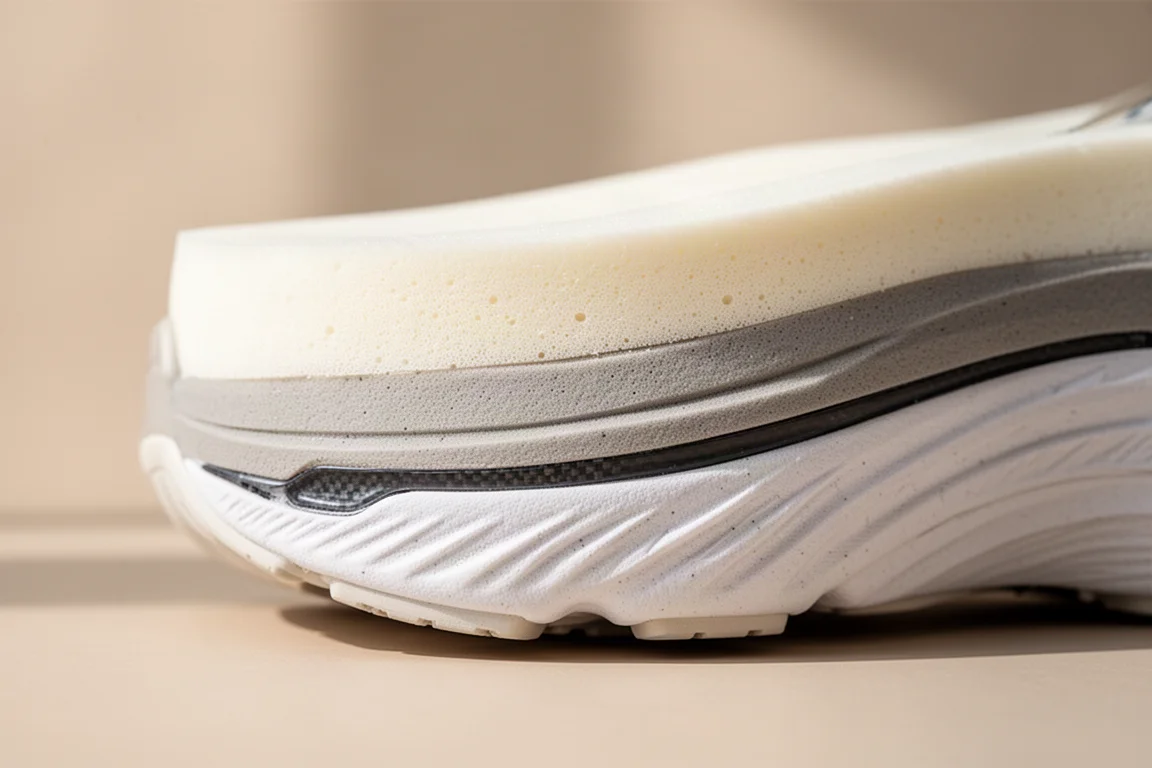
The Cielo X1 is the more exciting ride. Despite weighing over 250 g in a men’s US 9.5, it feels unbelievably bouncy and propulsive, with an aggressive rocker that makes it feel almost nimble. In a track session of 1K reps descending from 3:30 to 3:10 pace, it cruised the first two sets and mostly held the fastest pace, still turning over at a high cadence. In a 24-mile long run speeding up to around 3:30 pace late in the run, it protected the legs impressively well.
Long Runs, Recovery, and Leg Protection
Over long distances, both shoes do exactly what you hope a marathon racer will: carry you through with comfort and bounce while keeping the legs fresh.
A 20-mile run at around marathon pace in the Cielo X1 left the legs feeling good the next day, even where the pace had to ease off. The dual-layer PEBA setup delivers both comfort and responsiveness, and the firmer feel gives it that racing edge. It is more aggressive and a bit firmer than the New Balance, whose softer FuelCell midsole feels more accommodating and less erratic, which may suit runners wary of an aggressive shoe.

Durability looks solid on both. The Cielo X1 showed no concerning wear across two shoes, and the SC Elite V4 has more outsole coverage and can even double as a capable daily trainer on top of its racing duties.
Which One Should You Buy?
For pure marathon racing, the Cielo X1 is the pick. It is the more enjoyable, more aggressive, more propulsive shoe, and it feels like the fastest of the two despite the weight. If you can make the fit work and tolerate the odd laces, it is a polished racing shoe that also handles protection and comfort exactly as a long-distance racer should. The weight is the one drawback on paper, but on the run it simply does not feel like a hindrance.
The SC Elite V4 is undeniably a very good shoe, arguably New Balance’s best, and if its fit works for you it is a strong racing option with a solid outsole and a comfortable ride. It just does not deliver the same unfiltered propulsive punch, and it was not the shoe that leapt ahead of other options for a key marathon.

Conclusion
Both are excellent, big-stacked, marathon-focused carbon shoes built for speed and protection over long distances. The Hoka Cielo X1 edges it for pure racing thanks to its bouncier, more aggressive ride and better fit details, while the New Balance SC Elite V4 remains a very capable and comfortable alternative, especially if you prefer a softer, more accommodating feel.
Product link
View more details for New Balance SC Elite V4
This product is mentioned in the review. Check the specifications, options, and compatibility before buying.
View more details for New Balance SC Elite V4Further reading
Related Reviews

Running Shoes
Best Road-to-Trail Running Shoes: Three Versatile Options for Mixed Terrain
A practical guide to three road-to-trail running shoes that handle both pavement and mild trails, with clear strengths and trade-offs for different runner types.

Running Shoes
Best Running Shoes for Achilles Tendonitis: Three Options Explained
Three running shoes with different heel drops and support features designed to help reduce Achilles tendon pain during walking and running.

Running Shoes
Best Running Shoes for Women: Five Top Choices Ranked
A ranked guide to five women's running shoes, from versatile daily trainers to high-performance racing options, with real strengths and trade-offs for each.