Running Shoes
Hoka Cielo X1 vs Cielo X1 2.0: Which Hoka Super Shoe Fits Your Running?
A head-to-head look at Hoka's two Cielo X1 super shoes, covering fit, ride, stability, weight, and which type of runner each model suits best.
Introduction
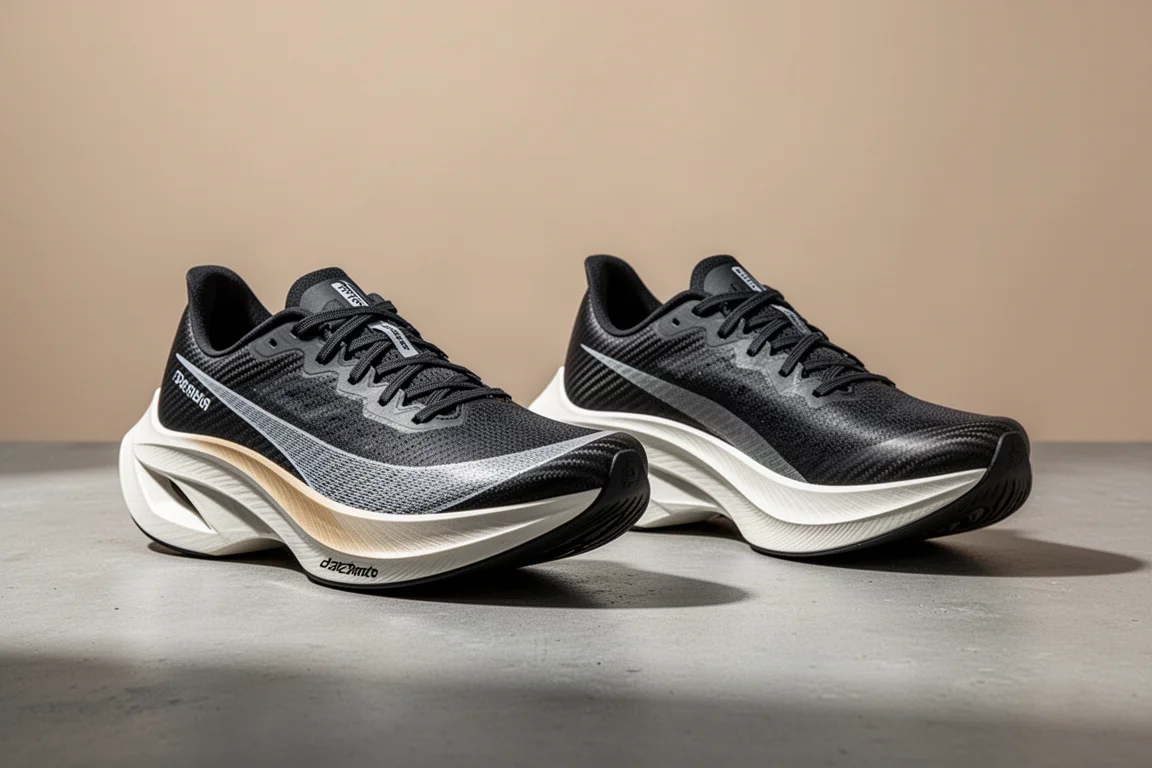
Hoka’s Cielo X1 line sits at the top of the brand’s racing range, and the jump from the original Cielo X1 to the Cielo X1 2.0 is more than a refresh. The two share the super shoe formula: thick foam, a stiff plate, an aggressive rocker, and World Athletics-legal geometry. But the ride character, fit, and target runner differ enough that choosing between them comes down to how you strike the ground and how fast you actually run. Here is how they stack up.
Specs at a Glance
The original Cielo X1 is the heavier of the pair at 9.3 oz in a men’s size 10 and 7.4 oz in a women’s size 8, with a 7mm drop. Its stack heights were not officially published, but it is World Athletics legal, which puts the platform at roughly 40mm in the heel and 33mm in the forefoot.
The Cielo X1 2.0 cuts a full ounce, landing at 8.1 oz in a men’s size 10 and 6.8 oz in a women’s size 8. That weight saving shows up immediately in how lively the shoe feels on the run.
Fit and Upper
The original Cielo X1 has a thicker knit-style upper that holds and reinforces well, with a gusseted tongue and a fit that is decently wide for a super shoe throughout the heel, midfoot, and forefoot while still locking down over the midfoot.
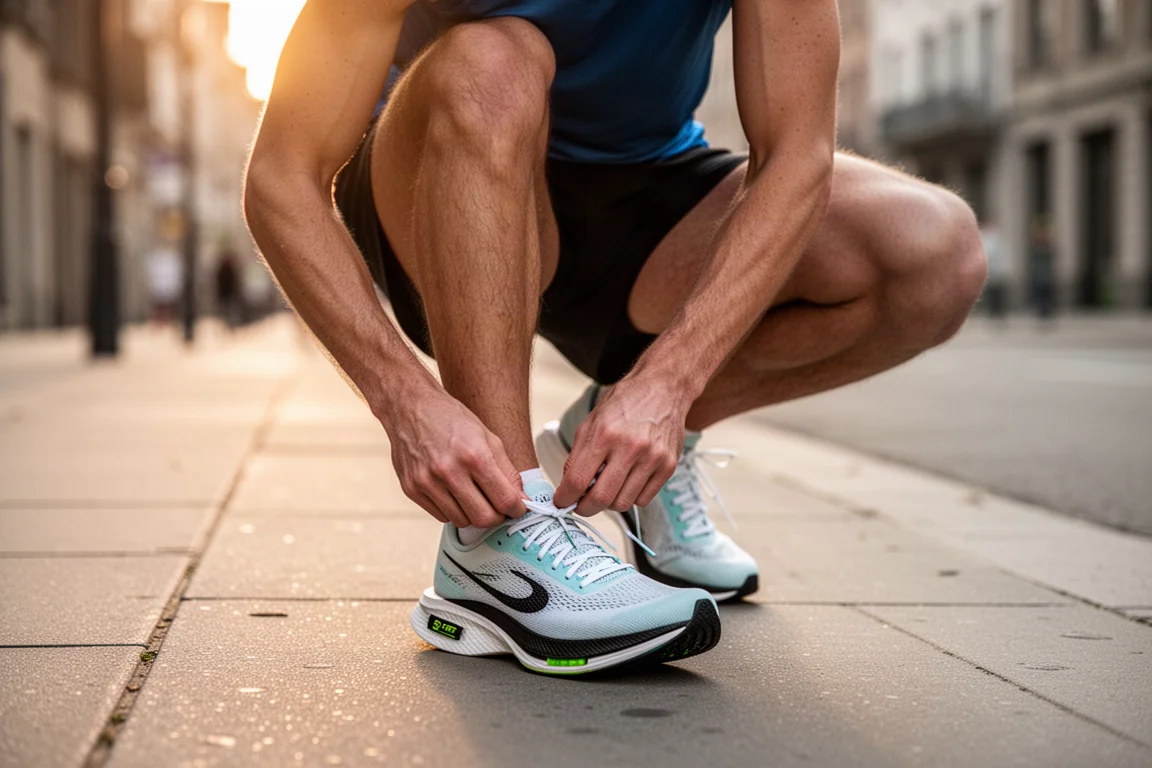
The Cielo X1 2.0 goes more streamlined with a translucent synthetic mesh upper and a non-gusseted, soft lightweight mesh tongue. The lacing feels more traditional and locks down well. The heel and midfoot run normal width, maybe slightly narrower than the original, while the forefoot stays decently wide. Volume is spacious in both models, so neither should cause issues with foot swelling on long efforts.
Ride and Geometry
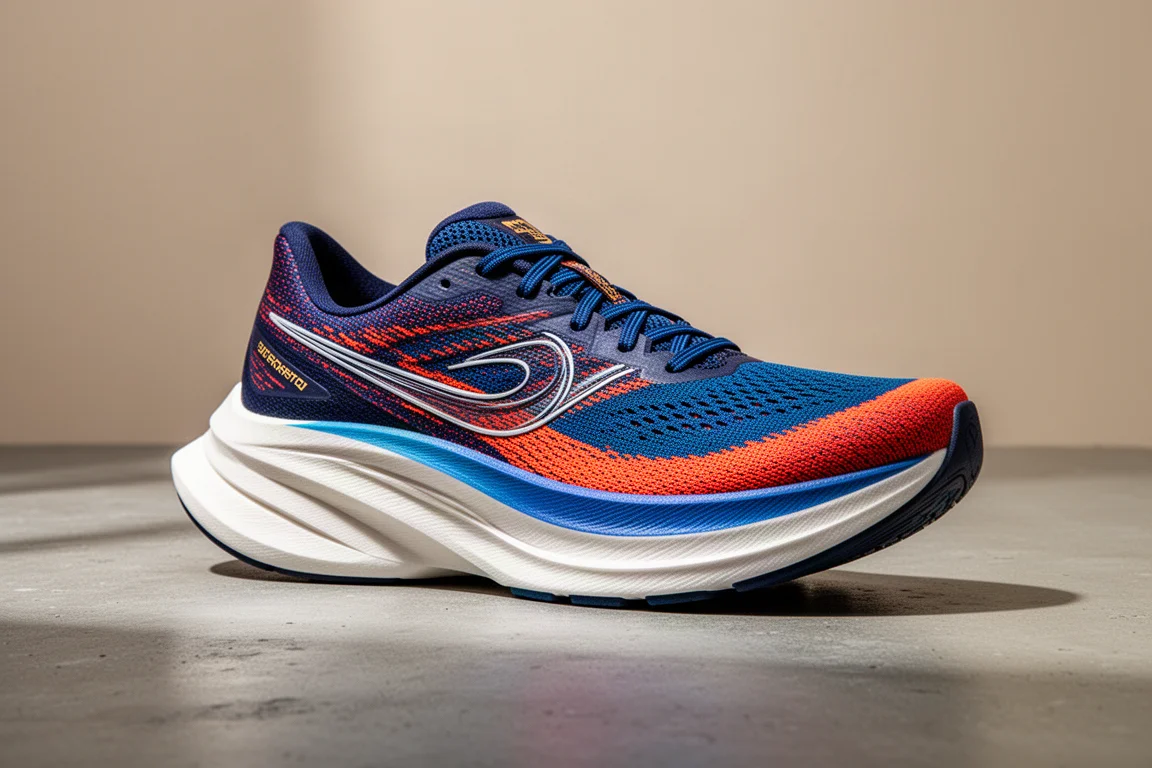
This is where the two shoes genuinely diverge. The original Cielo X1 is heel-biased: a wide platform, aggressive rocker geometry that rewards crashing into the heel and rolling hard through the forefoot, and bouncy, compliant foam. There is a lateral cutout in the midsole that introduced some lateral instability, and on cambered roads the shoe could occasionally feel like it wanted to roll an ankle.
The Cielo X1 2.0 removes the lateral cutout in favor of a medial one and reshapes the heel, which is now narrower with a cutout running through the heel midline and extending medially. For traditional heel strikers or runners aggressive on the rear foot, this heel is less stable than the original. The 2.0 is distinctly midfoot and forefoot biased, wanting you positioned over the midfoot before rolling into a bouncy, sharply sprung forefoot with a very stiff plate.
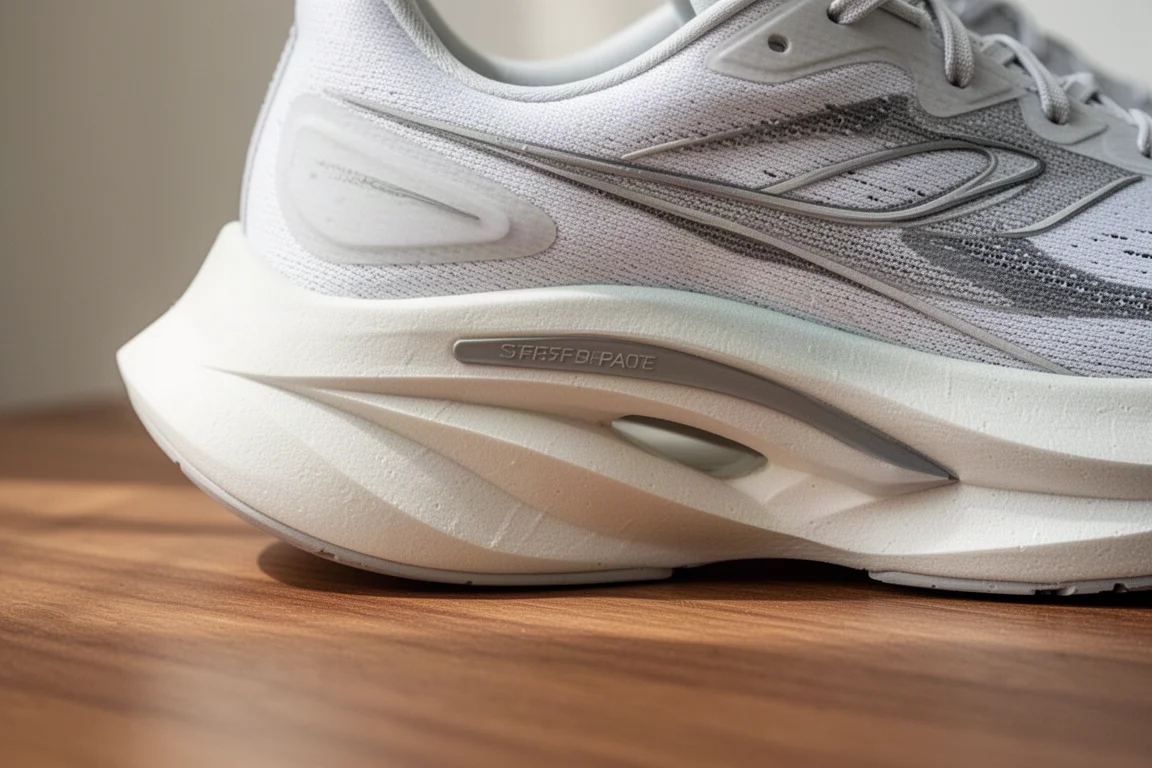
Traction was solid on both models, with no real grip issues and decent outsole coverage for a super shoe.
Weight and Pacing
Weight is night and day. The Cielo X1 2.0 feels noticeably nimbler, but its strong midfoot bias means slower paces can feel bumpy through the heel. As you pick up the pace and get your legs underneath you, the transition smooths out and the shoe comes alive.

The original Cielo X1, despite the extra weight, could work as a long run or even training super shoe for some runners, and the 4-hour marathon crowd was a plausible fit as long as the lateral instability was acceptable. Elite runners proved it could go fast, but it was a heavy option for anyone pushing top-end pace.
Which Runner Should Buy Which
The Cielo X1 2.0 is the more aggressive design and truly earns its place at race pace. It leans toward 10K and up, responds well at half marathon and marathon pace, and could even be justified for a fast 5K, which was never realistic in the original. But it is a niche shoe: if you naturally gravitate toward midfoot or forefoot biased footwear, it is worth a serious look. Runners who strike aggressively through the rear foot have found real instability in this version.

If you want more structure, support, and forgiveness for slower paces or long training days, the original Cielo X1 remains the friendlier option, provided you can live with the lateral instability note. Both shoes deliver strong responsiveness and bounce; the difference is that the Cielo X1 adds structure while the 2.0 commits fully to a forward, midfoot-biased racing experience.
Conclusion
Pick the original Cielo X1 if you want a structured, heel-friendly super shoe that can double for long runs and heavier training days. Pick the Cielo X1 2.0 if you are a quicker runner with a midfoot-leaning stride chasing a lighter, more aggressive racing tool. Neither is universal, but both are excellent when matched to the right runner.
Further reading
Related Reviews

Running Shoes
Best Road-to-Trail Running Shoes: Three Versatile Options for Mixed Terrain
A practical guide to three road-to-trail running shoes that handle both pavement and mild trails, with clear strengths and trade-offs for different runner types.

Running Shoes
Best Running Shoes for Achilles Tendonitis: Three Options Explained
Three running shoes with different heel drops and support features designed to help reduce Achilles tendon pain during walking and running.

Running Shoes
Best Running Shoes for Women: Five Top Choices Ranked
A ranked guide to five women's running shoes, from versatile daily trainers to high-performance racing options, with real strengths and trade-offs for each.