Running Shoes
Hoka Cielo X 1 Review: Max-Stack Comfort That Can Still Race
A bouncy, aggressively rockered marathon race shoe with 46 mm of heel stack, dual-density foam, and a few trade-offs worth knowing before you buy.
Introduction
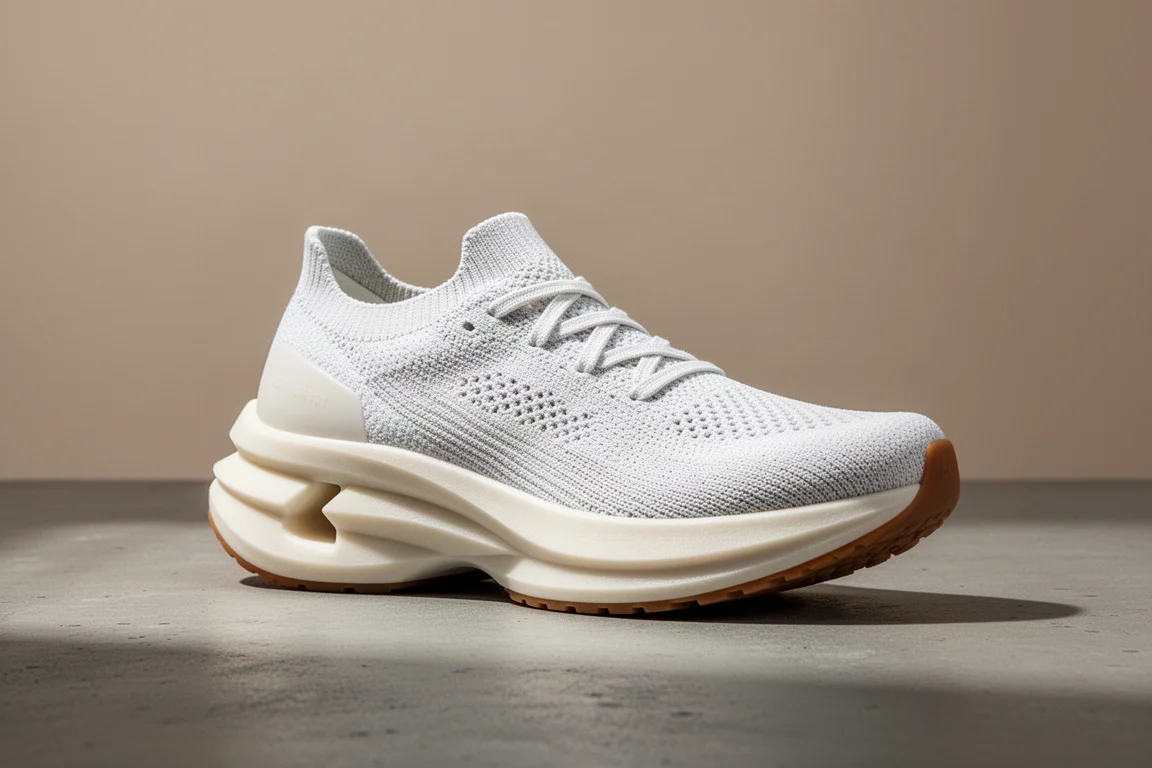
Some race shoes ask you to earn them. The Hoka Cielo X 1 is not one of them. This is a marathon-distance race shoe built around one defining trait: a lot of foam. In a sport where most super shoes sit at the World Athletics limit of 40 mm in the heel, the Cielo X 1 pushes to 46 mm, and that extra stack changes the whole personality of the shoe.
It is one of the bounciest and most comfortable race shoes you can buy, and also one of the heaviest. That balance of strengths and compromises is what makes it interesting, and it is why it keeps showing up in conversations about the best race shoes of the year.
Who the Cielo X 1 Is For
This is a shoe for runners who put real force into the ground. If you run with a lower cadence, a longer, more powerful stride, and you want a race shoe that stands up to that style, the Cielo X 1 fits naturally. The midsole has a slightly higher foam density than some competitors, which makes it noticeably better for bigger or stronger runners who would squash a softer race shoe down over a marathon.
It is also a strong pick if you value comfort in a race shoe. Many aggressive super shoes feel demanding at slower paces, nudging you into a specific landing pattern. The Cielo X 1 manages to stay fun and bouncy while still feeling decently soft, which is an unusual combination. Runners at a wide range of speeds, from sub-2:40 marathoners down to those running 4-something or 5-something marathons and 2-hour-plus half marathons, have found it works for them.
{{image:1}}
Four Midsole Elements That Make It Work
The Cielo X 1 stacks four key ingredients in the midsole, and together they explain why it feels so different from most super shoes.
The softer race foam on top provides comfort. It lets you run warm-up pace miles at 7:30 or 7:40 without the shoe feeling punishing, something many race shoes simply cannot do. That is what makes it so versatile for long runs and easy efforts, not just race day.
The carbon fiber plate in the middle is what makes the extra stack possible at all. Above 40 mm of foam, a shoe cannot stay soft without a plate, and here the plate serves three purposes: it enables the tall stack, reinforces the rocker geometry, and adds a springy, propulsive feel. Because the midsole is so tall, the shoe achieves an aggressive rocker by curving the bottom of the foam while keeping the top profile relatively flat, so your toes are not forced into an awkward position the way some aggressively rockered shoes do.
{{image:2}}
The firmer race foam on the bottom is the stability element. Both foams are polyether block amide race foams, but the bottom layer is firmer, which keeps this much cushion from feeling squishy or unstable. Even at walking pace, the shoe stays composed.
Finally, the rocker ties it all together, tipping you forward along the stride and making running feel easier. One note for those chasing the World Athletics rules: the heel measures 40 mm, compliant for elite records, but the shoe reads 46 mm through the forefoot area because the foam is built up differently around the regulation.
How It Feels at Every Pace
At easy pace, this shoe feels closer to a max-cushion trainer than a race weapon. It is soft, comfortable, and relaxed, which makes it a genuine joy for long runs of two hours or more. That comfort is exactly why it earned a spot in rotation as a long run shoe heading into a fall marathon build.
{{image:3}}
At speed, it transforms. Somewhere around the 5:40 to 5:50 per mile range, the aggressive geometry starts flinging you along, and the forefoot feel during a strong, heel-to-glute kicking stride is excellent. The bounce is so effective that it largely negates the weight penalty. The top layer of foam has a distinctive quality often described as feeling like a punching bag in the best way: a soft initial impact followed by a lively rebound.
The one midfoot quirk to know about: because of how the foam is built up around the World Athletics limit, there is a noticeable bump under the middle of the foot. For some runners this can subtly influence landing mechanics, so it is worth testing on a few runs before committing to race day.
Durability and Downsides
The weight is the most obvious trade-off. This is one of the heaviest shoes in its class, and you can feel it on slower miles. Lightweight, high-cadence runners may prefer alternatives like the Nike Vaporfly, Saucony Rocket X 2, or On Cloudboom Echo.
The laces are fiddly to tie because of the thick upper material, though they stay tied reliably. The upper material is also on the thicker side, which may matter on warmer mornings.
Grip is an open question. The outsole has solid rubber coverage with a small patch of exposed foam at the heel, and the shoe held up well close to 100 miles with no perceptible loss of bounce. But there were moments of slight hesitation on dirt patches at fast pace, and the shoe has not been tested in rain, so wet-weather confidence remains unproven.
On durability, the outlook is good. Expectations are that this shoe could reach the 300 to 400 mile club, and even past peak performance, the sheer stack height means impact absorption remains long after the speed elements fade, making it a candidate for recovery miles or relaxed running later in its life.
The price is the final hurdle. It sits at the expensive end of the market, alongside a small group of max-cushion race trainers. But because it is more durable than typical race shoes, you get more peak-performance miles per dollar than in a shoe like the Vaporfly.
{{image:4}}
Buying Advice
If your race shoe history favors max-cushioned trainers with support, like the Saucony Hurricane family, and you want that same comfort in a shoe you can genuinely race a marathon in, the Cielo X 1 is one of the strongest options available. It comfortably ranks among the top race shoes of the year for powerful runners who want bounce without harshness.
If you are a featherweight, high-turnover runner, look elsewhere. But if you mash miles with force and want a race shoe that feels as good at 9-minute warm-up miles as it does at 5:50 pace, this is one of the most versatile and confidence-producing super shoes on the market. It is firmly in the conversation for a marathon PR attempt.
Conclusion
The Hoka Cielo X 1 is a rare race shoe that prioritizes comfort without giving up genuine speed. Its 46 mm of stack, dual-density foam, carbon plate, and aggressive rocker create a shoe that is soft, bouncy, and fun from warm-up through race pace. The weight, the price, and the untested wet grip are the honest caveats. For powerful runners seeking a marathon shoe that protects the legs while still gripping and ripping, it earns its place at the top of the current race shoe conversation.
Product link
View more details for Hoka Cielo X1
This product is mentioned in the review. Check the specifications, options, and compatibility before buying.
View more details for Hoka Cielo X1Further reading
Related Reviews
Running Shoes
Best Road-to-Trail Running Shoes: Three Versatile Options for Mixed Terrain
A practical guide to three road-to-trail running shoes that handle both pavement and mild trails, with clear strengths and trade-offs for different runner types.
Running Shoes
Best Running Shoes for Achilles Tendonitis: Three Options Explained
Three running shoes with different heel drops and support features designed to help reduce Achilles tendon pain during walking and running.
Running Shoes
Best Running Shoes for Women: Five Top Choices Ranked
A ranked guide to five women's running shoes, from versatile daily trainers to high-performance racing options, with real strengths and trade-offs for each.