Running Shoes
Hoka Cielo X1 First Run: A Heavy but Surprisingly Comfortable Marathon Racer
The Cielo X1 brings an exposed carbon plate, a dense race-day foam, and an aggressive rocker, but it weighs far more than its Nike and Saucony rivals.
Introduction
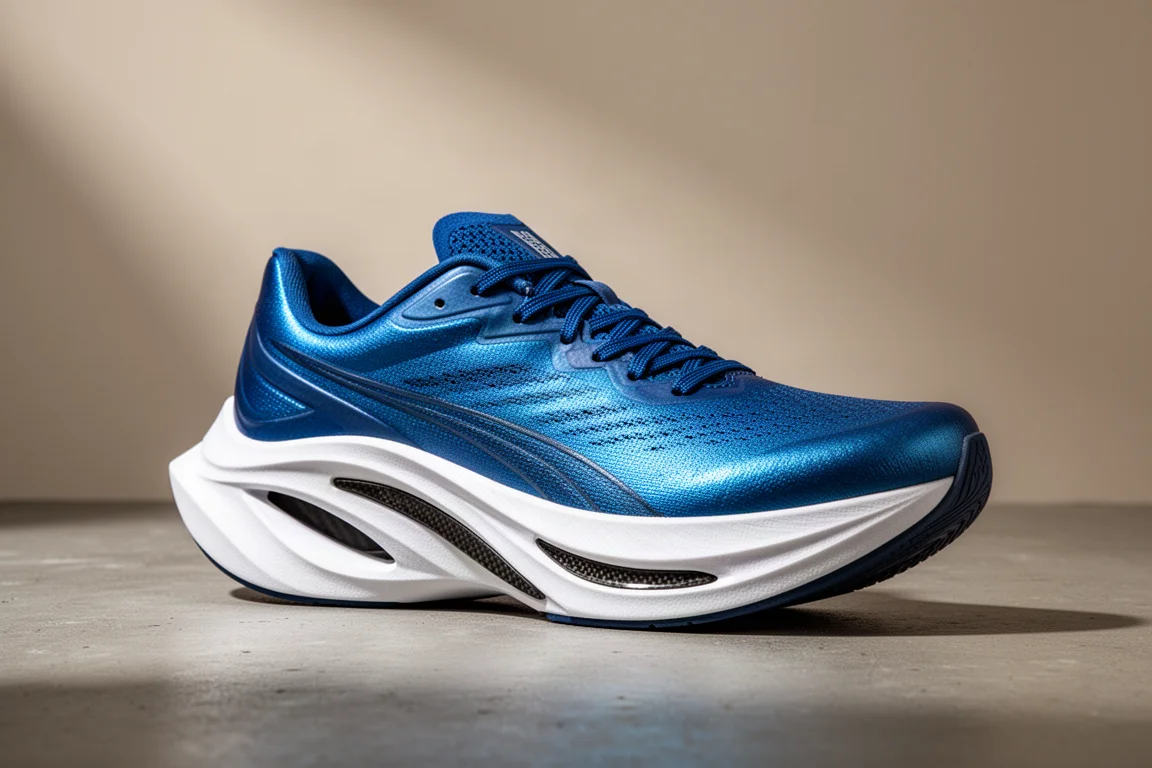
The Hoka Cielo X1 has been one of the most anticipated arrivals in the marathon racing segment, and after a first run of eight-plus miles at a 6:52 average pace, it is clear why. This is a top-tier carbon-plated racer with an unusual personality: exceptionally stiff, aggressively rockered, and notably more comfortable than most shoes in its class, but also significantly heavier than the competition.
This is a first-run review based on a single progression run, starting around a 7:45 pace and working down to roughly a 5:40 pace by the end. That is enough to form solid early impressions, though longer efforts will tell the full story.
Who This Product Is For
The Cielo X1 is unambiguously a race-day shoe, not a walking shoe or daily trainer. Out of the box it feels unstable when standing or walking, with very little heel to land on and a geometry that pushes you up onto your toes. That same geometry, however, is exactly what makes it feel fast on foot.
It suits runners who want a stiff, aggressive racer for marathon and half marathon efforts, particularly those who found softer, more flexible plated shoes unsupportive for their mechanics. If you prioritize lightweight feel above all else, this is probably not your shoe.
Design and Build
The shoe opens with a striking metallic blue upper that is unlike anything else on the market. It is not an engineered mesh construction; it feels like a thick, structured canvas material, almost workwear-inspired, stiff enough to hold its shape without a foot inside, similar in that respect to the Nike Alphafly. It is a little scratchy, but the structure delivers a clean, snug lockdown that never felt sloppy.
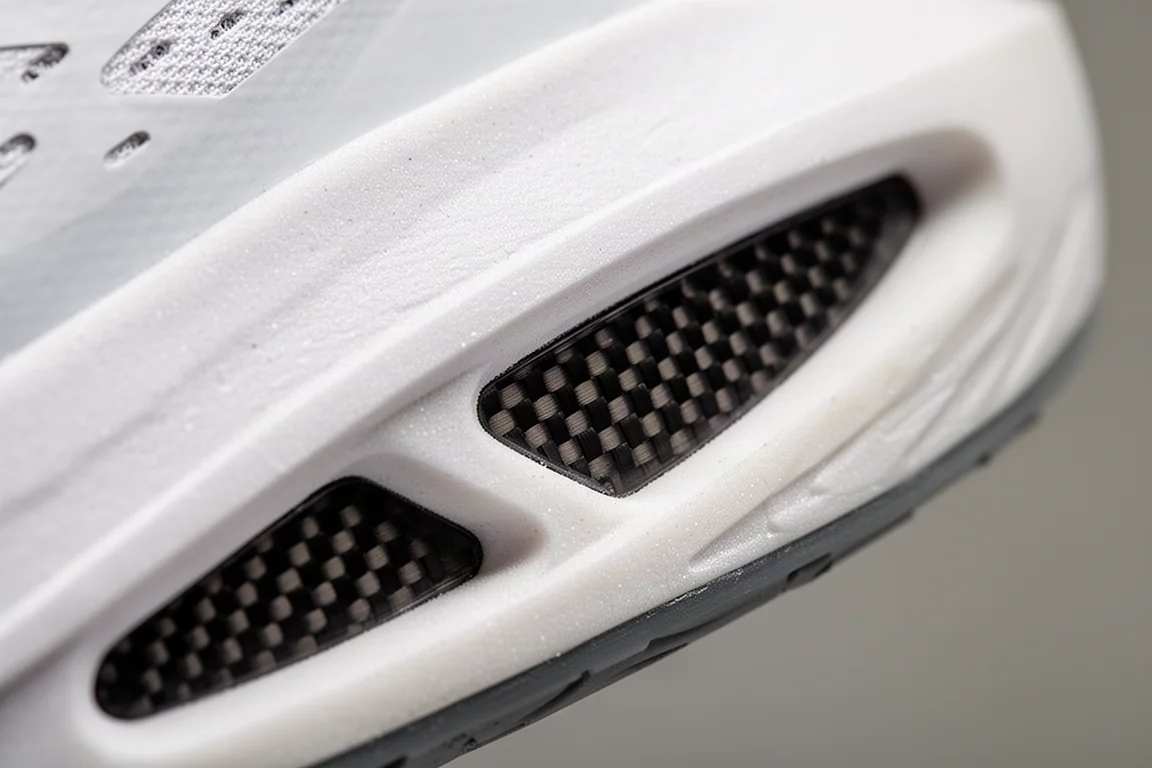
The midsole is where things get interesting. There are large sculpted cutouts on the sides exposing the carbon plate, a winglet-style design similar to what Saucony popularized with the Endorphin Speed 3, and the same approach Hoka is bringing to the Mach X2. The two-piece midsole design is reminiscent of the Alphafly. The plate itself is extremely stiff, one of the stiffest setups felt in any racing shoe, with absolutely no flex.
The outsole offers solid rubber coverage around the front and a small heel patch, but the rear of the shoe has far less rubber than the Nike racers. That matters for durability, as we will see later. The laces deserve their own callout: they are ribbon-like, difficult to tie, and do not stay tied easily. For a $275 shoe, that is a strange choice.
Unboxing and First Impressions
The unboxing experience itself is unusual: the box opens the long way, and the laces come tied in a strange factory configuration. On foot, the first impression is a tall, wobbly platform with surprisingly soft initial foam step-in, followed quickly by the realization that this thing wants to move.
The heel area has minimal material to land on, echoing the feel of the Alphafly and the Mizuno Wave Rebellion Flash 2. The aggressive rocker also makes standing feel unnatural, tipping the body slightly forward. None of that awkwardness translated into the run itself.
Weight Comparison
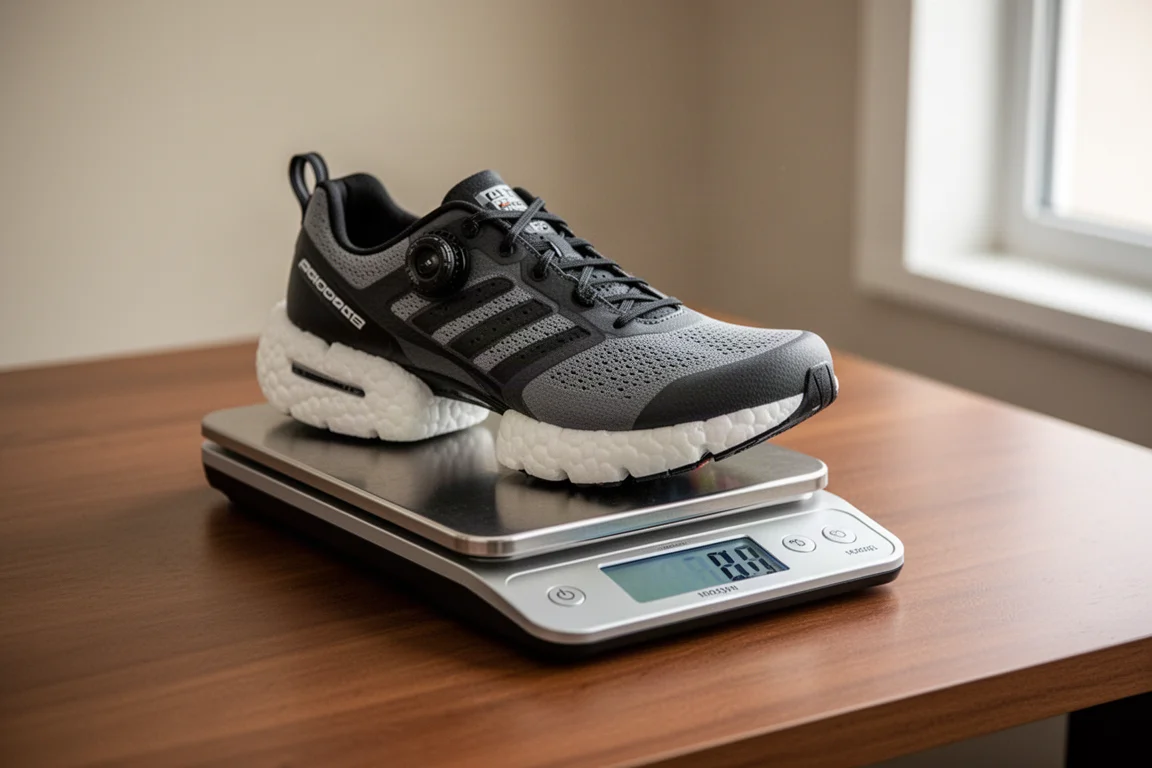
Weight is the Cielo X1’s biggest red flag. On the scale, it came in at 258 g for the right shoe and 272 g for the left, an odd quality-control discrepancy given nothing unusual was found inside either shoe. Averaging around 260 g, it sits well above its rivals:
- Nike Vaporfly 3: 207 g
- Nike Vaporfly 2: 210 g
- Saucony Endorphin Pro 3: 220 g
- Nike Alphafly 3: 223 g
That puts the Cielo X1 roughly 60 g heavier than the Vaporfly, which is a substantial gap for a racer. The structured upper is likely where much of that weight comes from. Whether the comfort and support justify it is a question only longer runs can answer.
On the Road: The First Run
The test run covered 8.25 miles, starting around a 7:45 pace and progressing down to a sub-6:00 pace by the end. The verdict: this is a genuinely fun shoe to run in.
Coming off a week in the Saucony Endorphin Speed 4, a softer, more flexible peba-based daily trainer, the Cielo X1 felt like a different animal. The foam is dense and firm, comparable to the Adidas Boston 12, and at half marathon and marathon effort the shoe responded immediately. The aggressive rocker made pace transitions easy, and on the hilly roads of Charlotte it handled effort changes well, delivering noticeable bounce in the forefoot when pushing uphill.

The second-to-last mile, a straight uphill climb of about 80 feet of gain at around a 6:30 pace, was a highlight: the shoe felt controlled and fast simultaneously. On the final mile at sub-6:00 pace, it locked in beautifully with an extended stride and strong knee drive.
Two caveats stood out. Cornering felt tippy on the tall foam stack, with a hint of ankle-roll instability on tight turns, an issue also present in the Boston 12. And while the heel lockdown was better than expected thanks to a slight foam wrap around the heel, the narrow heel geometry and minimal rear rubber remain question marks. The wide base of the midsole did keep landings more stable than the odd heel shape suggested.
Comfort vs. Weight
The most surprising aspect of the Cielo X1 is comfort. Compared with the Alphafly 3 and, to a lesser extent, the Vaporfly 2, this may be the most comfortable marathon racing shoe tried in some time. The foam feels cushioned and supportive, with no sensation of the plate underfoot, and the structured upper provides a secure, connected fit.
That comfort is the argument for the weight penalty. For runners who value support and a firmer, rockered ride over raw lightness, the extra grams may be an acceptable trade. The shoe went true to size in a men’s US 10.5.
Durability Concerns: The Heel
The rear outsole is where the Cielo X1 is most vulnerable. Compared to the Nike racers, the heel has far less rubber coverage, leaving exposed foam in exactly the spot where heel-strikers tend to chew through shoes.
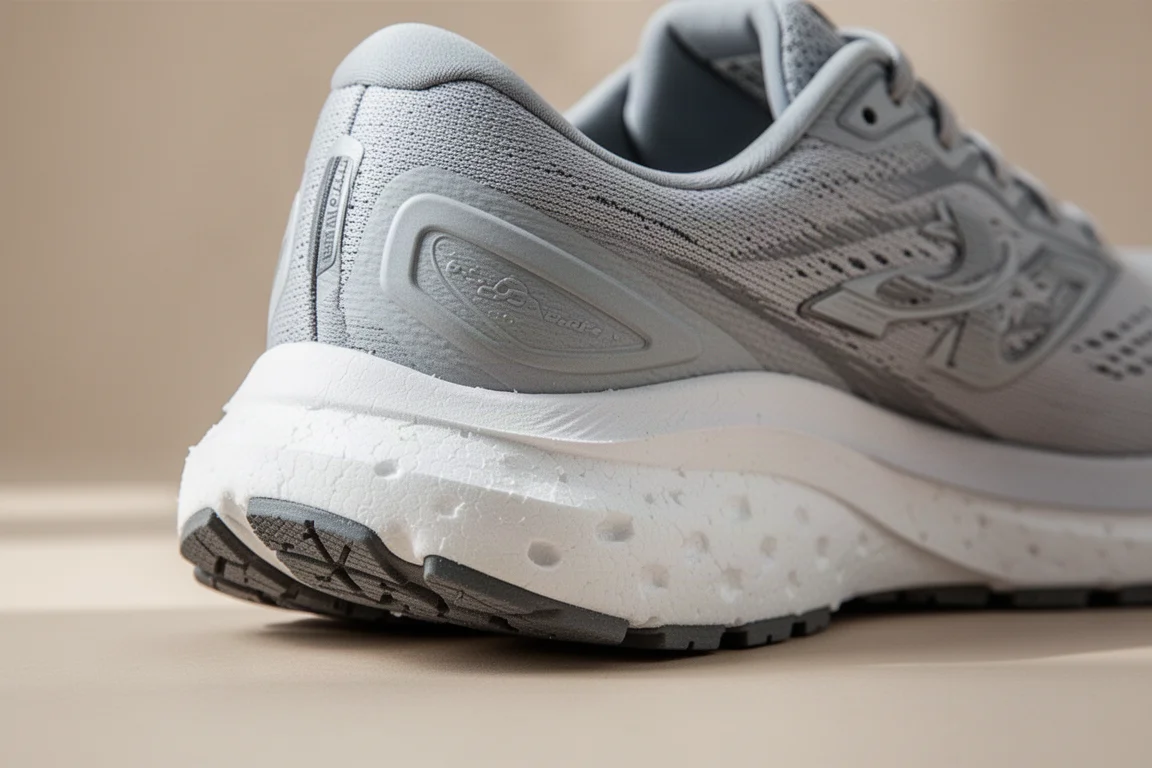
For reference, a Vaporfly 2 with roughly 125 miles and another pair under 120 miles showed severe heel chunking from the same running form. Given that the Cielo X1 has even less rubber back there, serious wear on the Hoka foam seems likely for heel-striking runners. Long-run durability will be the key follow-up test, along with whether the ribbon-like laces survive two-plus hours of friction without loosening.
Buying Advice
At $275, the Cielo X1 sits at the top of the market and costs roughly $100 more than the Boston 12, whose foam it resembles. It is best suited to runners racing half marathons and marathons who want maximum stiffness, an aggressive rocker, and comfort over featherweight feel. Heel strikers and runners who corner aggressively at pace should weigh the durability and stability trade-offs carefully. If the laces prove problematic, they can be swapped, though purists may prefer to keep the shoe stock.
Conclusion
The Hoka Cielo X1 is one of the most intriguing marathon racers to arrive recently. It brings supercar styling, a unique structured upper, an exposed carbon plate, and a firm, responsive ride that excels from half marathon effort down to sub-6:00 pace. The weight, at roughly 260 g, is a genuine penalty against the Vaporfly class, and the sparse heel rubber plus the fussy laces are real weaknesses. But for comfort, structure, and raw speed on rolling terrain, the first run was impressive enough to place it near the top of the current marathon racer field. More miles, including a long run, will determine whether the comfort justifies the grams.
Product link
View more details for Hoka Cielo X1
This product is mentioned in the review. Check the specifications, options, and compatibility before buying.
View more details for Hoka Cielo X1Further reading
Related Reviews

Running Shoes
Best Road-to-Trail Running Shoes: Three Versatile Options for Mixed Terrain
A practical guide to three road-to-trail running shoes that handle both pavement and mild trails, with clear strengths and trade-offs for different runner types.

Running Shoes
Best Running Shoes for Achilles Tendonitis: Three Options Explained
Three running shoes with different heel drops and support features designed to help reduce Achilles tendon pain during walking and running.

Running Shoes
Best Running Shoes for Women: Five Top Choices Ranked
A ranked guide to five women's running shoes, from versatile daily trainers to high-performance racing options, with real strengths and trade-offs for each.