Running Shoes
Hoka Cielo X1 3 at the Hamburg Marathon: A Carbon Race Shoe Put to the Test, Plus a Two-Watch Comparison
A full marathon-distance test of the Hoka Cielo X1 3 on a flat, fast course, alongside real race-day findings for the Garmin Forerunner 970 and Apple Watch Ultra 3.
Introduction
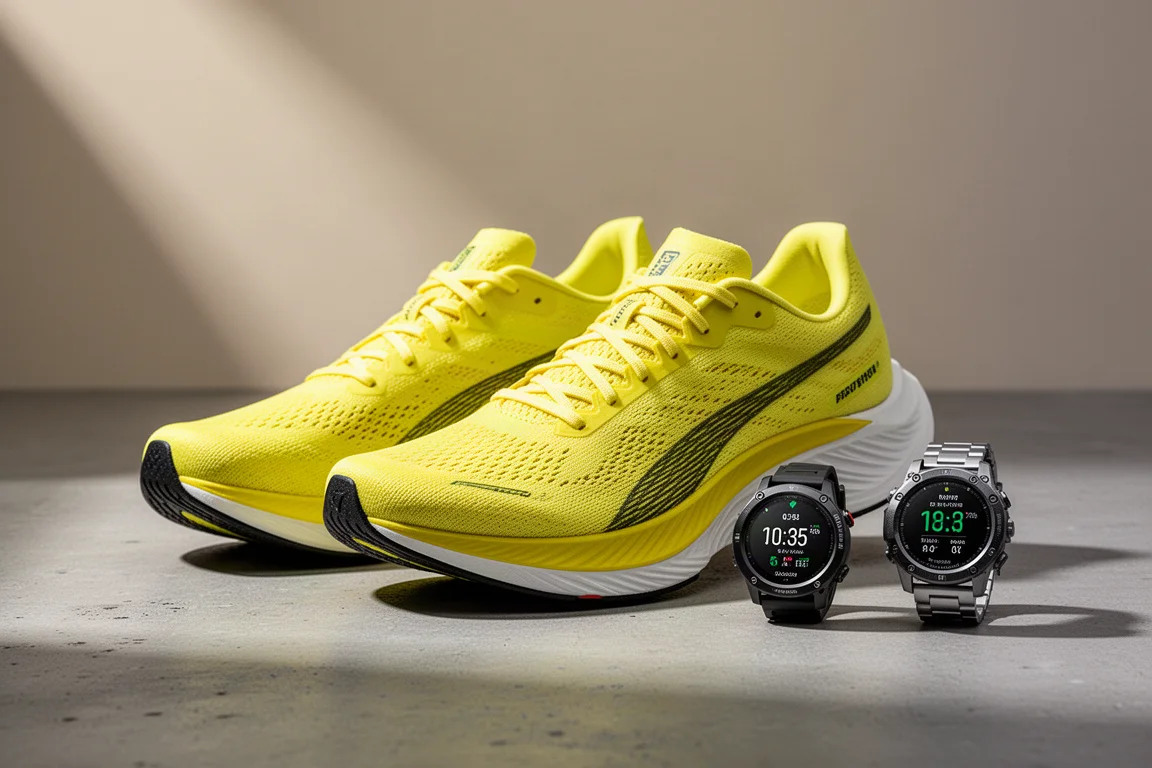
Some race tests are neat. This one was not, and that is exactly why it is worth reading. The Hoka Cielo X1 3 was taken over a full marathon distance at the Hamburg Marathon, worn on race day against two serious sports watches: the Garmin Forerunner 970 and the Apple Watch Ultra 3. The result is an honest picture of what a modern carbon race shoe can deliver over 42.2 kilometres, including what happens when the legs fall apart in the final miles.
The Test: 42.2 Kilometres at the Hamburg Marathon
Hamburg turned out to be an excellent testing ground. The course is flat and free-running, with almost zero incline, a big loop with essentially no switchbacks, long pleasant stretches along the lake at the heart of the city, and well-stocked water stations that appear frequently. The organisation was strong throughout: getting to the start was easy, the pens were not overcrowded, and the post-race area inside the large exhibition hangars offers food, drinks, showers, massages, and plenty of space to recover.
The race itself was run largely on feel, targeting roughly three hours after a recent sub-three performance. The final result landed around 2:57, with the last handful of miles proving the toughest part of the day. That fade turned out to be useful, because it showed how both the shoe and the watches behave when form gets ragged and pace drops away. No personal best on this occasion, but as a real-world test environment, it does not get much better.

Hoka Cielo X1 3: The Standout Performer
This was the first time the Cielo X1 3 had been run over a full marathon, and it proved to be a real hit. Previous versions of the Cielo felt somewhat untamed at long distances, but the X1 3 strikes a much better balance. The midsole foam is bouncy and delivers loads of energy return, yet the ride is not too soft. A pronounced rocker adds a smooth, snappy roll through each foot strike, and the generous platform width gives the shoe a stable, planted feel.
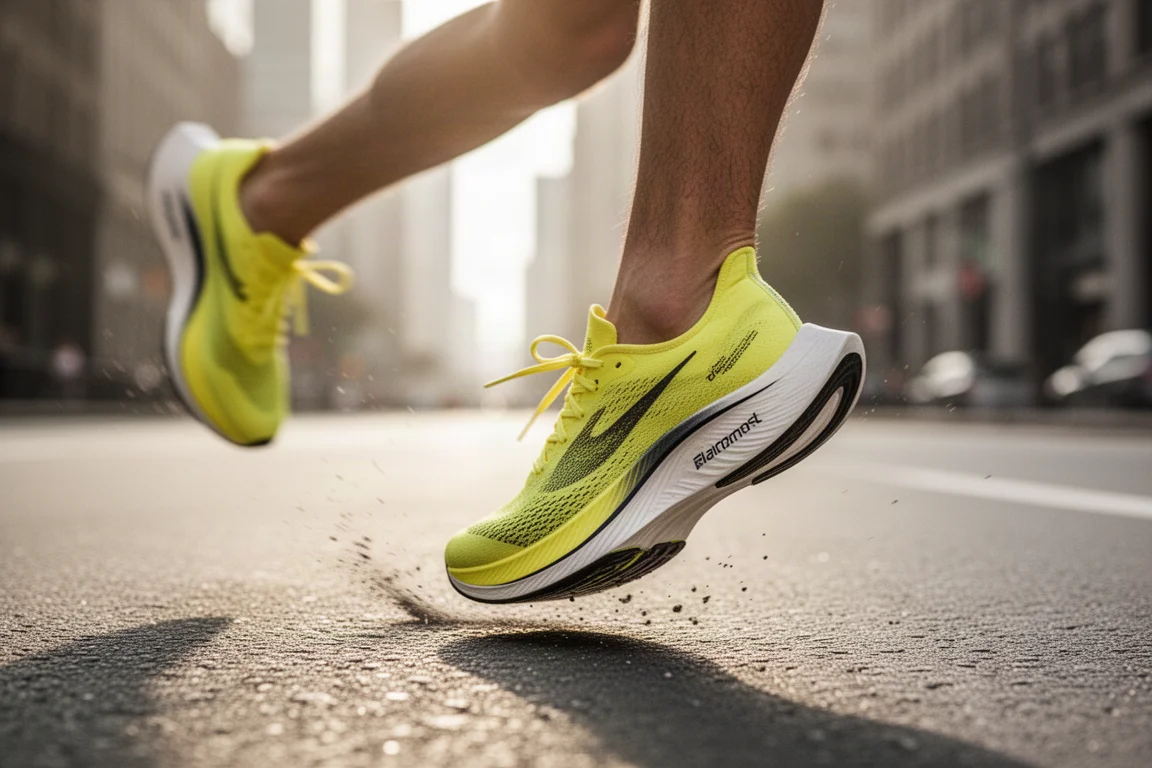
Comfort held up for most of the race, with good protection from the road deep into the run and an upper that feels airy with a fairly natural fit. When things were going well at pace, the combination of foam, plate, and rocker served up excellent energy and a lively, fun ride. There was one brief moment of pain under the ball of the left foot around the 10-mile mark that required a bit of wiggling to settle, but it did not return. The main trade-off is weight: this is a slightly heavier race shoe, though that extra mass buys meaningful protection, especially late in a marathon when form deteriorates. When the tank emptied in the final miles and pace slipped from the low six-minute range back to seven or eight-minute miles, the cushioning was forgiving enough to ease the way home rather than punish heavier landings further back in the shoe.
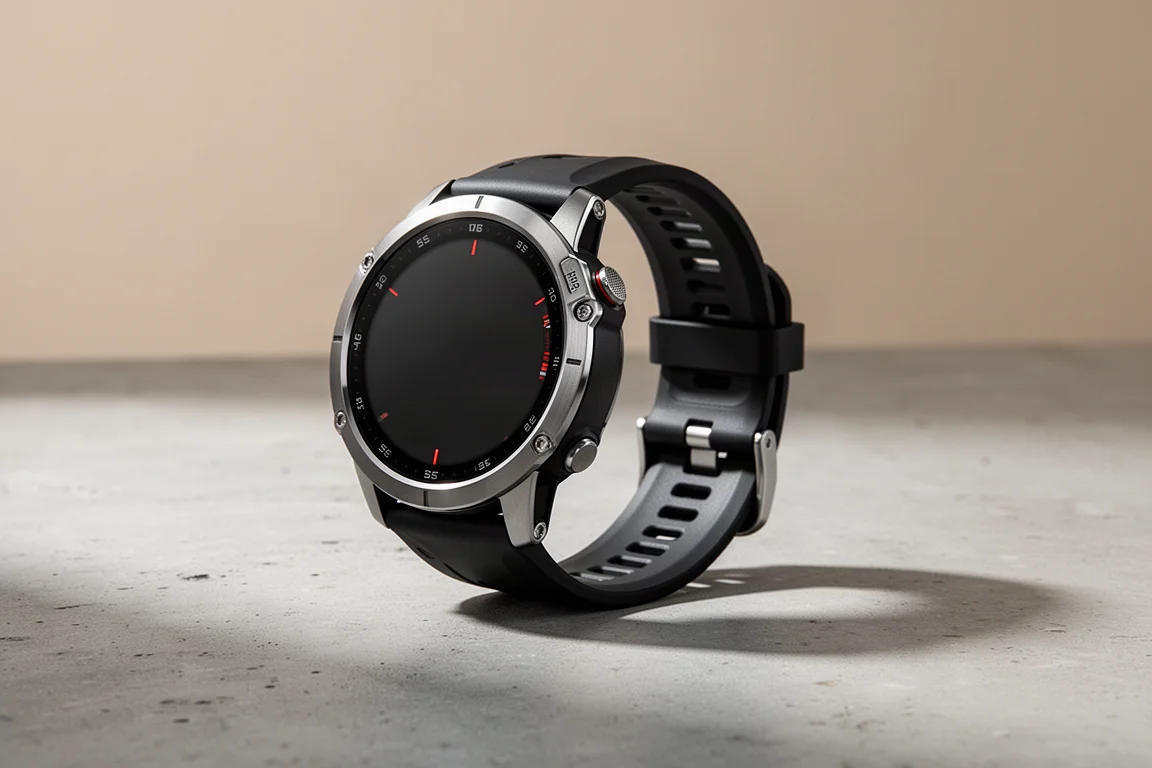
Garmin Forerunner 970: Back on Better Behaviour
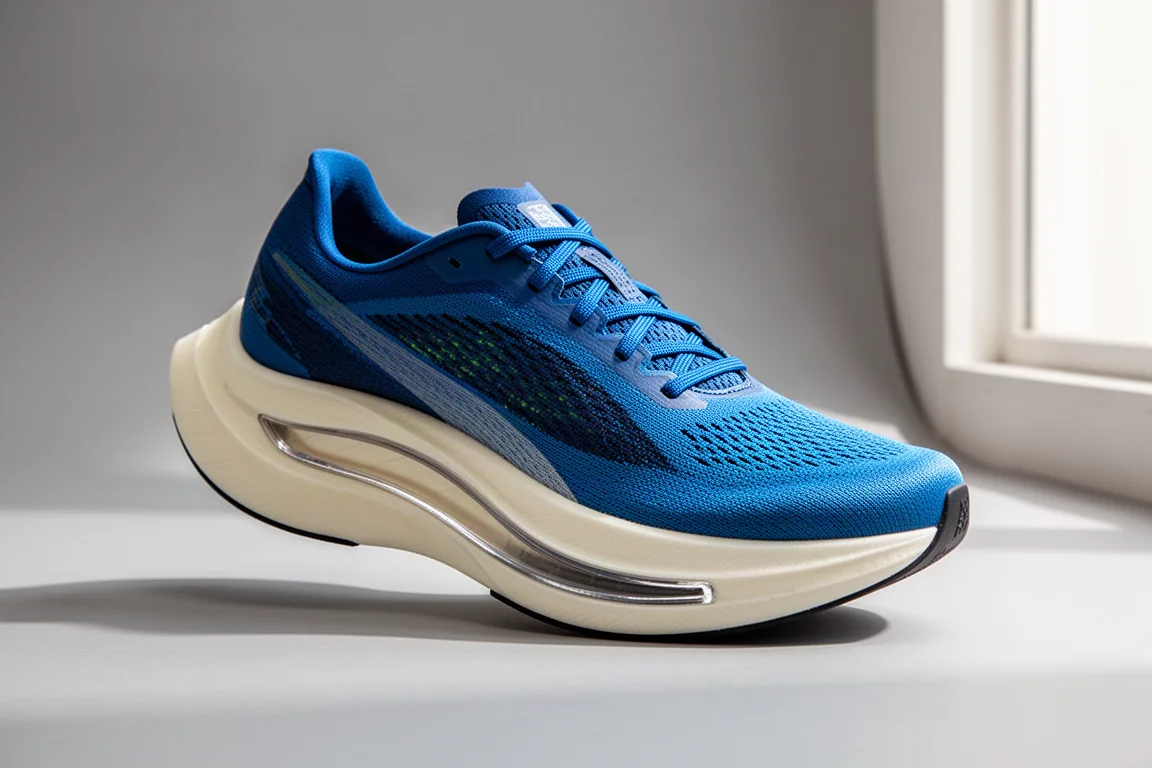
Two weeks earlier at the Brighton Marathon, the Forerunner 970 had produced a badly inflated distance reading of 27.87 miles, including a wildly inaccurate 18-minute opening 5K, even in max accuracy mode. Hamburg was the chance to see whether that was a one-off or a pattern, and on pure distance tracking the watch performed far better.
This time it logged 26.36 miles, close enough to the official course to be considered reliable, and it hit the on-course kilometre markers with good consistency. Battery performance was equally solid: charged to full by 6:30 a.m., it was still showing 100% on the start line at 8:30 a.m., and it used 13% of its battery across the 2:57 race. For a full GPS-tracking marathon effort, that is a reassuring result and a clear step forward from the Brighton data.
Apple Watch Ultra 3: Strong Tracking and a Clever Surprise
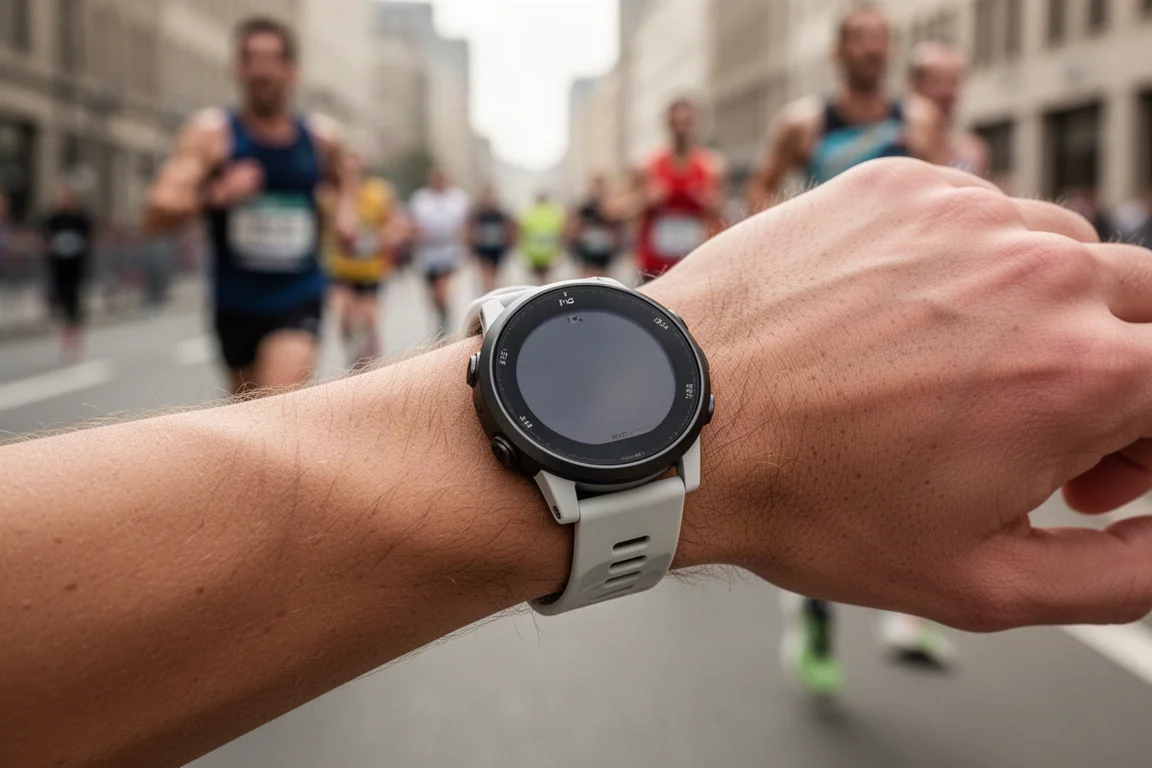
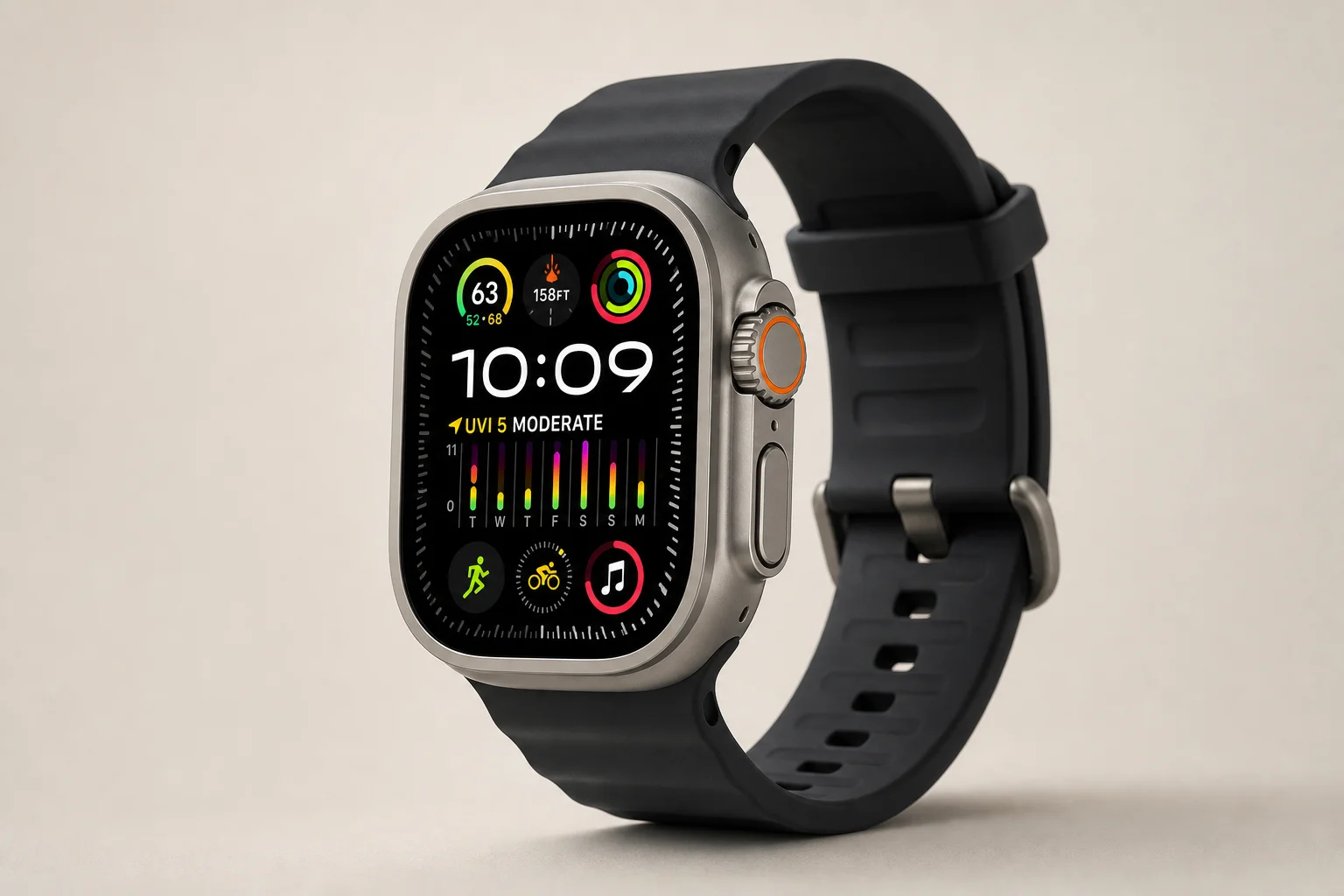
Worn side by side with the Garmin, the Apple Watch Ultra 3 tracked the same marathon at 26.45 miles, marginally longer but equally credible, and it too matched the course kilometre markers reliably. Its battery drain was slightly higher at 18% over the race, still entirely acceptable for a full morning of GPS activity.
The pleasant surprise was a feature worth highlighting for anyone who thinks in mile pace but races on kilometre-marked courses. The Ultra 3’s audio split alerts can be set to trigger per kilometre while also announcing average pace in minutes per mile for each split. That combination delivers the best of both worlds, and on race day it proved genuinely handy for holding effort steady between markers.
Which Watch Makes Sense for You
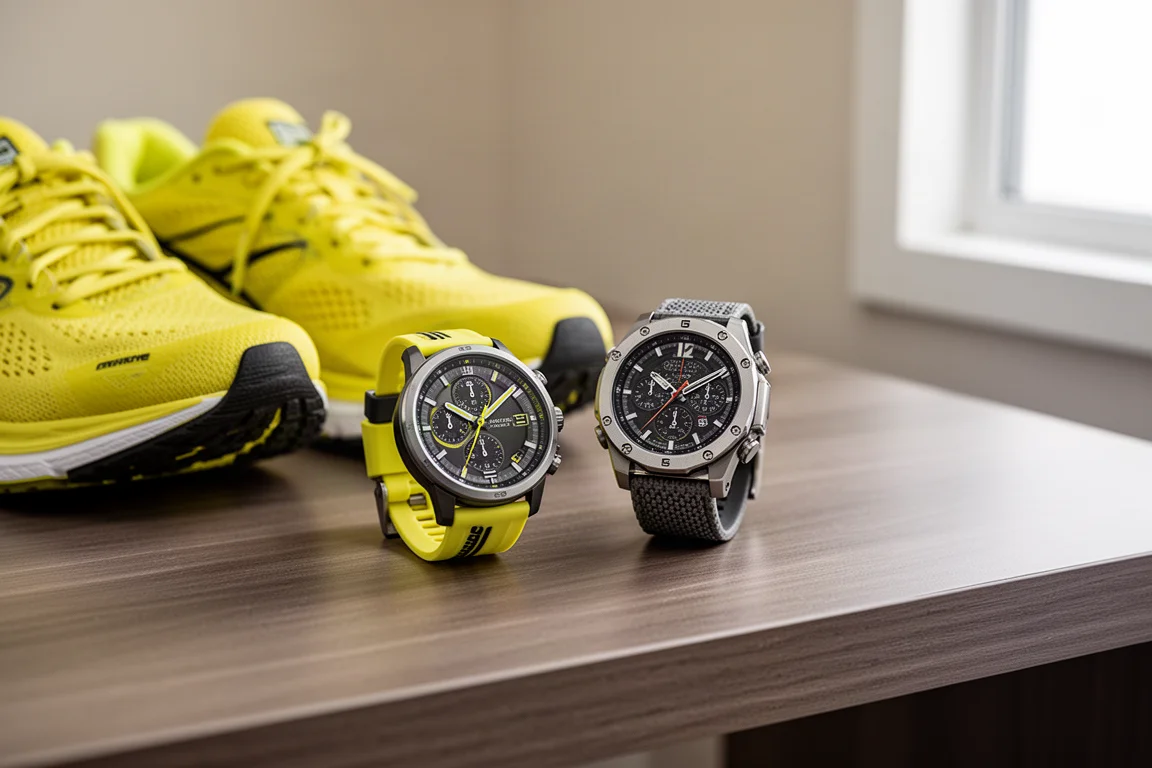
Both watches got through a full marathon with accurate distance tracking, reliable split markers, and minimal battery drain, which makes the choice more about how you like to interact with your data. If mile-pace thinking on kilometre-marked courses is part of your racing, the Apple Watch Ultra 3’s split alert behaviour is a genuinely useful differentiator. If you prefer a dedicated running platform with Garmin’s training ecosystem and you simply want the battery and tracking to disappear into the background, the Forerunner 970 made a strong recovery from its earlier accuracy wobble. Either way, Hamburg showed both can be trusted on race day.
Buying Advice
For runners chasing a carbon-plated marathon shoe that is energetic rather than soft, the Cielo X1 3 has earned its place on the shortlist. The slight extra weight is a fair trade for the protection and stability it offers deep into the race, and it remains engaging at faster paces without ever feeling wild. Pair it with either of these watches and you have a race-day setup that will not let you down on distance accuracy or battery life, even if your legs have other plans in the final five miles.
Conclusion
The Hamburg Marathon served up a demanding but fair test, and the Hoka Cielo X1 3 came through it as a carbon race shoe that balances punch, comfort, and control better than its predecessors. The Garmin Forerunner 970 bounced back from a poor showing to deliver dependable tracking and strong battery figures, while the Apple Watch Ultra 3 matched it on accuracy and added a thoughtful pace-alert feature that distance runners will appreciate. A good race, a good city, and a shoe worth taking seriously for your next marathon.
Further reading
Related Reviews

Running Shoes
Best Road-to-Trail Running Shoes: Three Versatile Options for Mixed Terrain
A practical guide to three road-to-trail running shoes that handle both pavement and mild trails, with clear strengths and trade-offs for different runner types.

Running Shoes
Best Running Shoes for Achilles Tendonitis: Three Options Explained
Three running shoes with different heel drops and support features designed to help reduce Achilles tendon pain during walking and running.

Running Shoes
Best Running Shoes for Women: Five Top Choices Ranked
A ranked guide to five women's running shoes, from versatile daily trainers to high-performance racing options, with real strengths and trade-offs for each.