Running Shoes
Hoka Cielo X1 3.0 vs Rocket X 3: Two Super Shoes, Two Very Different Race Feel
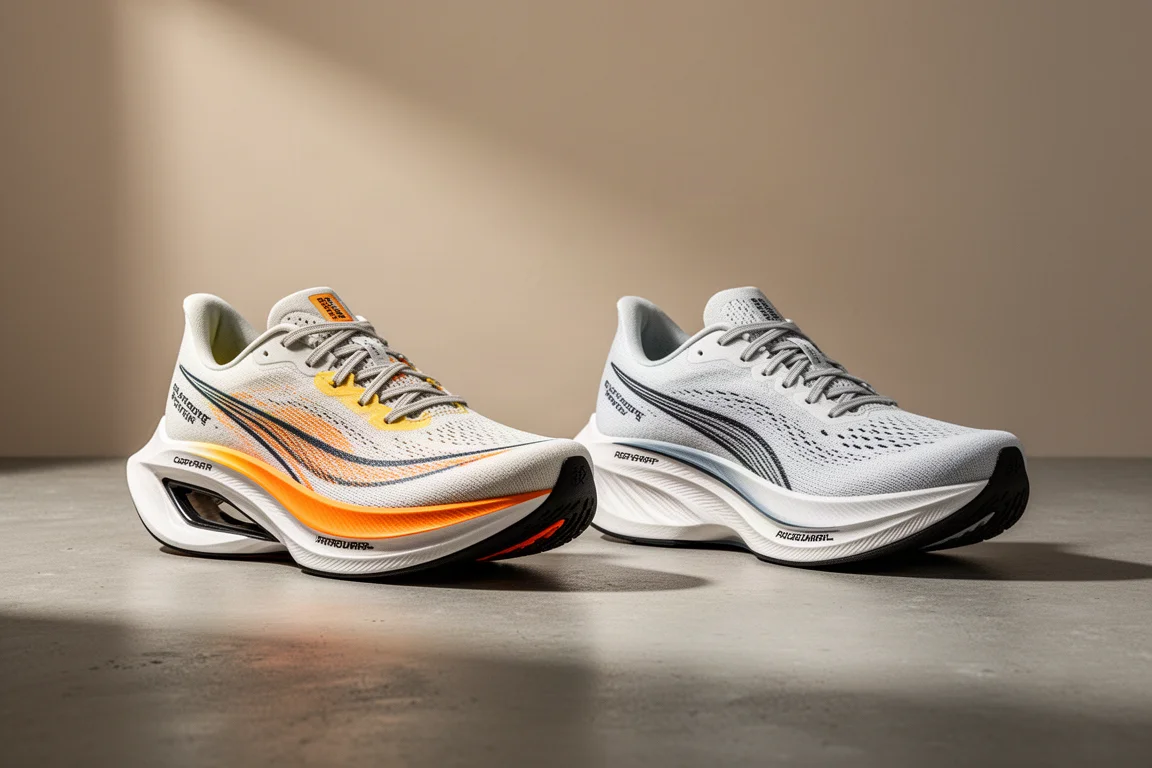
Hoka's pinnacle racing pair takes two distinct approaches: the lively, wild Cielo X1 3.0 and the more controlled, stable Rocket X 3. Here is how each behaves and who each suits.
Introduction
Hoka’s racing line has reached an interesting point. The brand built its reputation on trail and max cushioning, but the Cielo X1 3.0 marks what the company describes as the true beginning of its road racing journey, backed by its first world major marathon podium in a prototype version of the shoe.
Alongside it sits the Rocket X 3, a super shoe with a completely different personality. Rather than two versions of the same idea, Hoka has produced two clearly pointed tools: one built for a wild, lively ride, and one built for control and stability. Here is how they differ and which runner each one suits.

The Cielo X1 3.0: Built for Big Swings
The Cielo X1 3.0 is Hoka’s premier super racing shoe, and each version has been a total redesign rather than a minor refresh. The 3.0 brings a significant weight drop, new geometry, and a revised sole design, all guided by one theme: control over fatigue in the later stages of a race.
The development philosophy is deliberately bold. Hoka describes the shoe as feeling a little wilder and a little more lively, aimed at what it calls the Formula 1 mindset racer: just go fast and hold on for dear life. Athlete feedback reinforced the point, with immediate love-hate reactions to early prototypes. Efficient midfoot strikers who love a lively, propulsive sensation were instant fans, while other athletes found it too uncontrolled and preferred the Rocket.
Midsole and Plate: A Softer Double Stack That Works
The biggest change underfoot is the move to a double-stacked softer PEBA foam. Previous versions used a softer top layer and a firmer bottom layer, but testing showed that stacking the same softer durometer both top and bottom produced a more responsive feel, better plate engagement, and encouraging mechanical test results.
Because the softer foam reduced inherent stability, Hoka adjusted the plate geometry to compensate. The winged carbon plate of the 2.0 is gone, replaced by a more dynamically carved plate that maintains a strong perimeter and substantial material under the metatarsal heads while shedding weight elsewhere. The plate alone lost about 8 grams versus the predecessor, a substantial reduction, with strong propulsion scores to match.
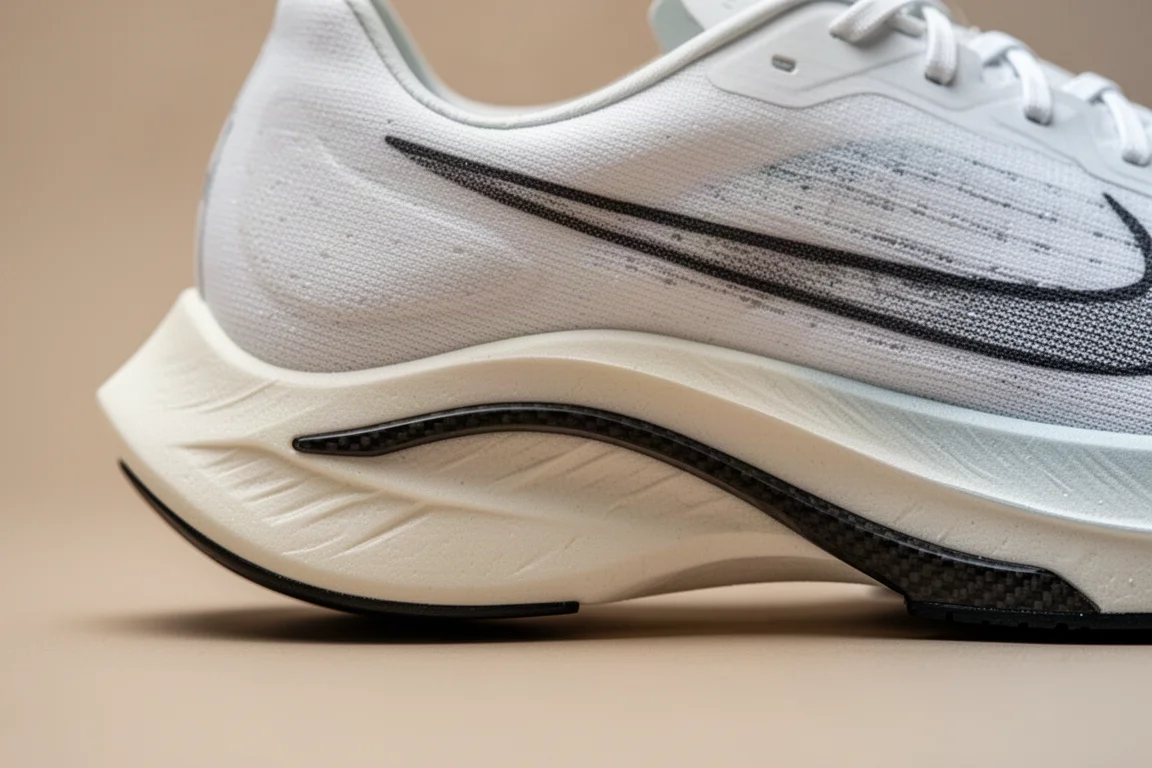
Other geometry changes support late-race control. The cutouts on either side of the midfoot are removed for a more symmetric, robust footprint, a large foam bridge now connects the medial and lateral pods to reduce the sensation of decoupling, and a canoe-style heel rocker with a pulled-back tread point smooths the ride as mechanics change when runners tire.
Upper: Lightweight, Breathable, and Snug
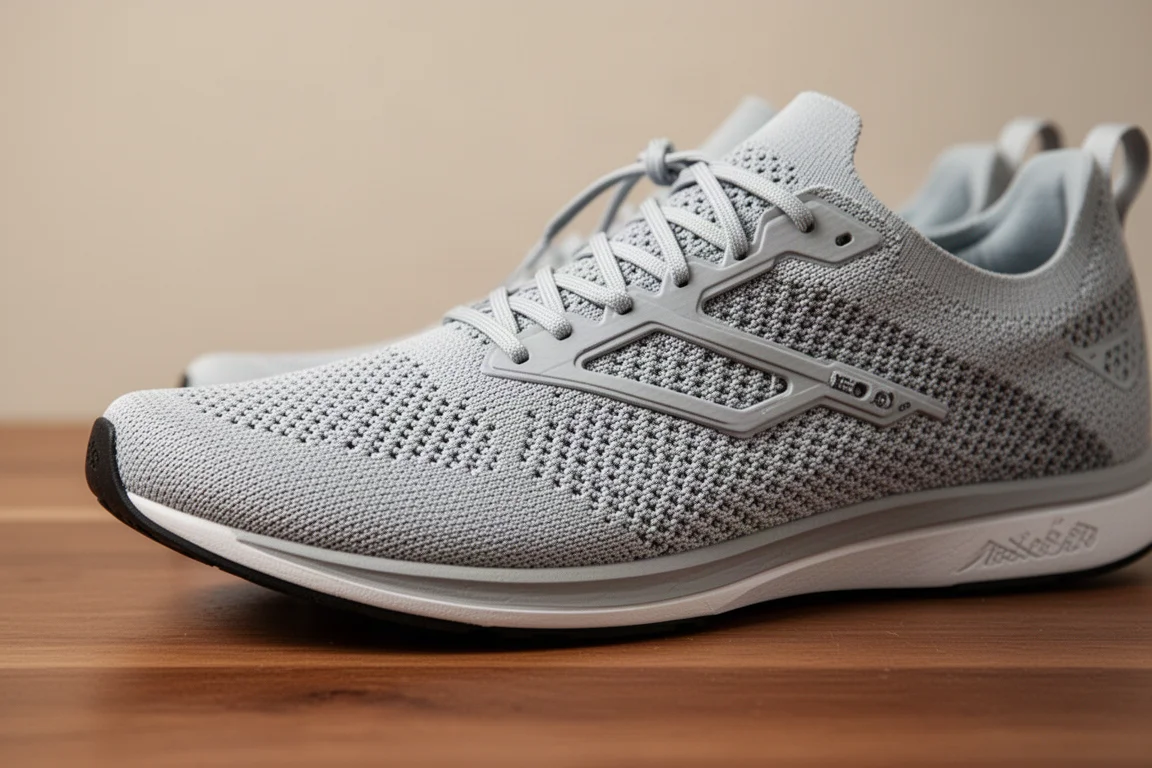
The upper follows the same containment-first logic. A new Leno weave material is stronger, more breathable, and wicks moisture better than the prior fabric, so the shoe holds its structure over a full marathon and dries quickly after aid-station water cups. The fit is noticeably snugger than before, closer to the feel of a track spike.
Lacing is asymmetrically biased away from the big toe, with a cinched top two eyerows around the ankle and heel, plus room for a heel-lock lacing trick. The goal is lockdown with enough adaptability for feet that swell over the course of a race.
The Rocket X 3: The Controlled Counterpoint
Where the Cielo X1 3.0 is pointed and polarizing, the Rocket X 3 is the racer for people who want proprioceptive engagement with the ground and stability throughout. Hoka positions it as the shoe for the racer with a more controlled mentality, one who wants to feel in command of the entire system.
That stability component matters more than it might sound. Among super shoes on the market, the Rocket X 3 stands out as a rare stable, neutral racer, and it is a shoe the running-clinician community actively hopes Hoka preserves in future versions. It uses the same PEBA foam combination as the Cielo X1 2.0, yet delivers a completely different feel, which underlines how much geometry and construction shape the ride beyond the foam itself.
Which One Fits Your Race?
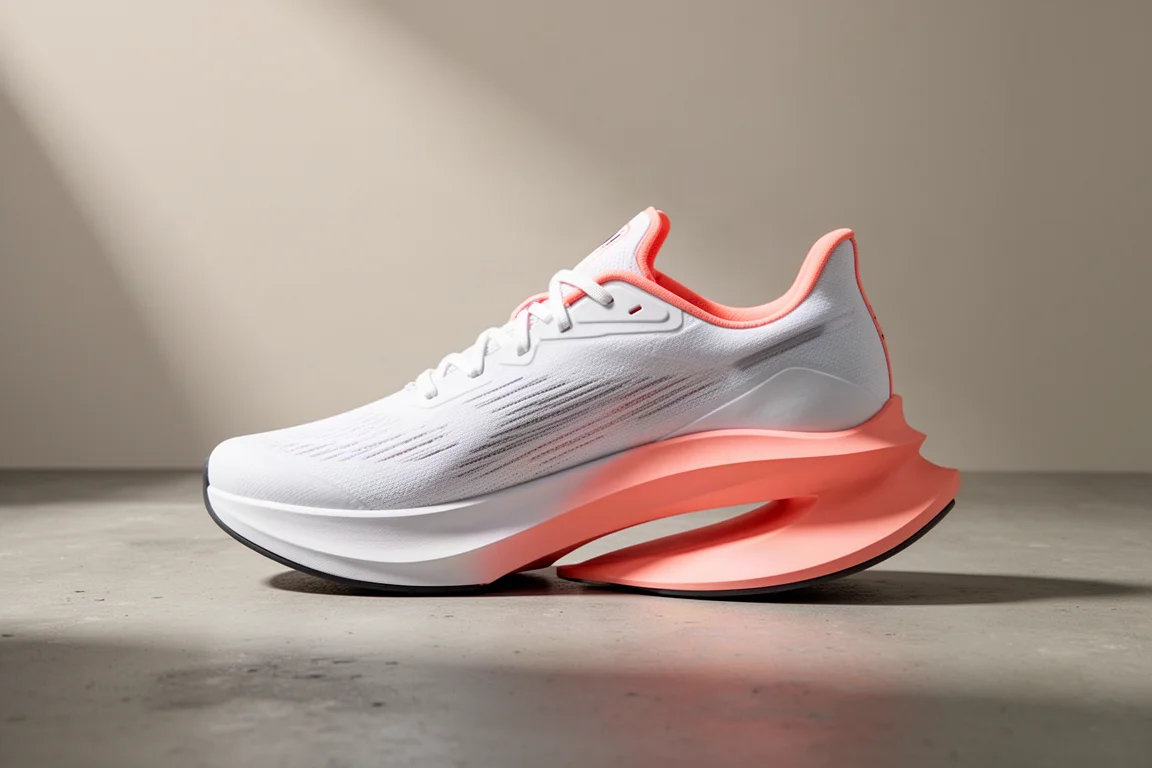
Both shoes are equipped to go incredibly fast, and an athlete has won at the world major level in the Cielo line. The practical difference comes down to how you like a fast shoe to feel.
If you are an efficient midfoot striker who loves a bouncy, rolling, slightly wild ride and wants maximum propulsion, the Cielo X1 3.0 is the sharper tool. Runners with significant stability needs, or those who want more structure and control, will likely be better served by the Rocket X 3. It is also worth noting that the Cielo is a specific race-day tool rather than an everyday trainer; it comes alive most when you put real force through it at pace.

Conclusion
Hoka’s two-shoe racing strategy is refreshing in a market where many super shoes blur together. The Cielo X1 3.0 is a confident, lively race-day weapon with a lighter plate, softer double-stacked PEBA, and geometry tuned for the final kilometers of a marathon. The Rocket X 3 covers the other end of the spectrum with a more stable, controlled ride that is increasingly rare in the super shoe category. Choosing between them is less about which is better and more about which sensation makes you feel fast and confident on race day.
Further reading
Related Reviews

Running Shoes
Best Road-to-Trail Running Shoes: Three Versatile Options for Mixed Terrain
A practical guide to three road-to-trail running shoes that handle both pavement and mild trails, with clear strengths and trade-offs for different runner types.

Running Shoes
Best Running Shoes for Achilles Tendonitis: Three Options Explained
Three running shoes with different heel drops and support features designed to help reduce Achilles tendon pain during walking and running.

Running Shoes
Best Running Shoes for Women: Five Top Choices Ranked
A ranked guide to five women's running shoes, from versatile daily trainers to high-performance racing options, with real strengths and trade-offs for each.