Running Shoes
Hoka Cielo X1 3.0: The 2026 Race Shoe to Beat, Plus Three Alternatives Worth Knowing
Why the Hoka Cielo X1 3.0 earns top pick for 2026, and how the Puma Deviate Nitro Elite 4, Saucony Endorphin Elite 3, and Cielo X1 2 compare for marathon and race-day duty.
Introduction
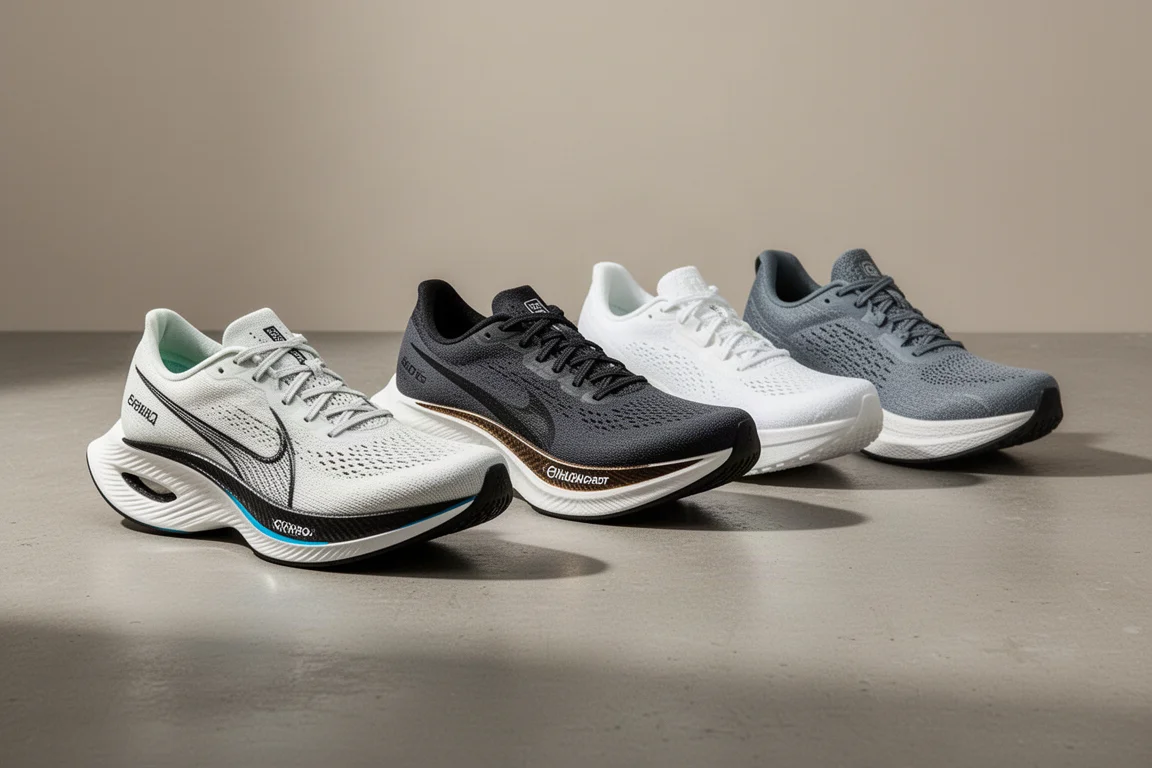
Some racing shoes earn a full dedicated spotlight, and the Hoka Cielo X1 3.0 is one of them. After a hill workout straight out of the box, two 20-mile long runs, and well over 50 miles total, it has firmly earned the title of super shoe of 2026 and the default race-day recommendation for most runners.
What makes the Cielo X1 3.0 special is not that it is the firmest or the softest shoe on the market. It is the way it threads the middle: comfortable enough for everyday-style miles, yet genuinely fast when the pace picks up. This guide breaks down why it earns the top spot and where three notable alternatives, the Puma Deviate Nitro Elite 4, the Saucony Endorphin Elite 3, and the previous-generation Cielo X1 2, fit into the picture.
Top Pick: Hoka Cielo X1 3.0
The modern super shoe concept traces back to 2017: a carbon fiber plate set inside roughly 40 mm of soft foam to stabilize a tall stack. Since then, stacks have grown higher and foams have grown softer. The Cielo X1 3.0 takes a more balanced approach. Rather than being an ultra-soft stack, it delivers real protection while staying responsive, and Hoka achieves that balance largely through its rocker geometry. The pronounced curve at the front of the shoe means that when you land and push power through the midfoot, the shoe simply comes alive.
The real-world numbers back up the feel. During a 20-mile long run, the pace included 5:30 to 5:40 splits with a smooth progression through the first half, plus three one-mile pace pickups at 5:30, 5:34, and 5:38. The shoe felt just as natural and comfortable at those faster paces as at easier ones, and critically, it did not leave the legs feeling beat up afterward.
That is the defining quality: trainer-like comfort with race-shoe speed and a much smaller recovery toll than more aggressive designs. If you want one shoe for any race distance, whether a 5K, a 10K, or a full marathon, this is an outstanding choice. The main caveat is stability. On uneven terrain, grass, lawns, or detours around construction, the tall foam stack is not the most planted platform, though that is true of most race shoes. And for the very fastest runners throwing down sub-17 or sub-16 minute 5Ks, a more aggressive option like the Fast-R 3 may still be the better weapon. For the other 95 percent of runners, this is an exceptional shoe.
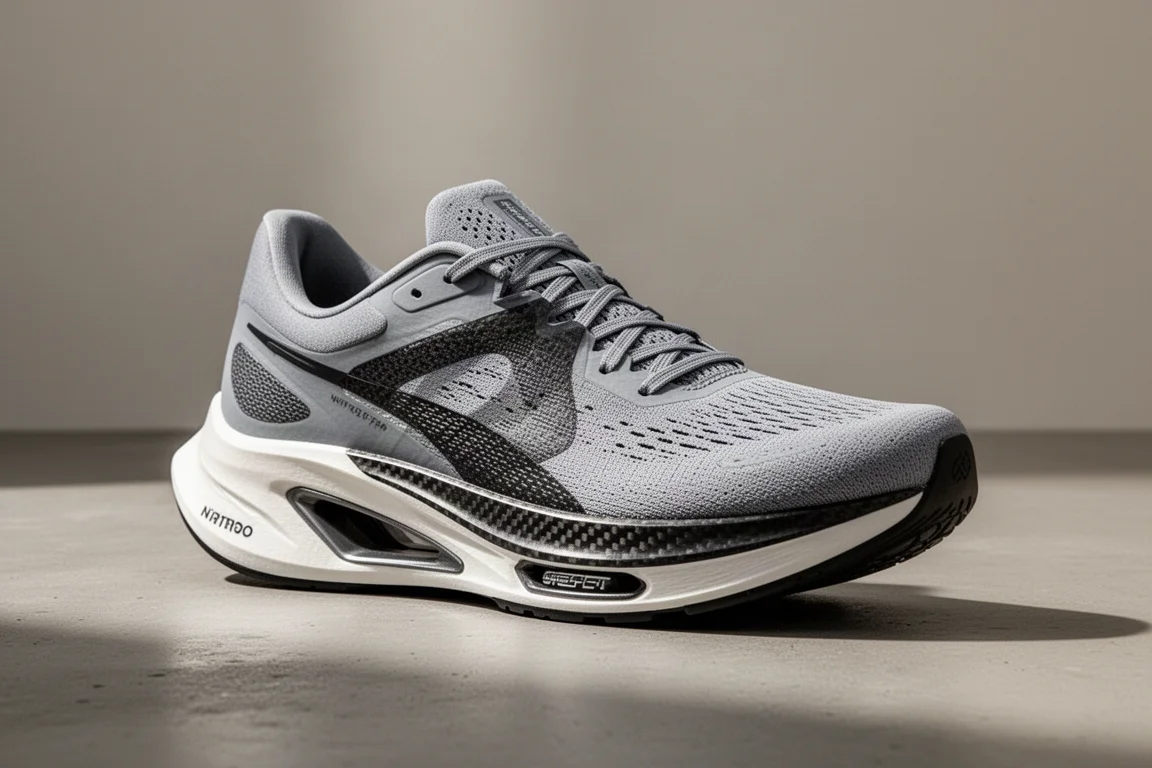
Firmer and More Traditional: Puma Deviate Nitro Elite 4
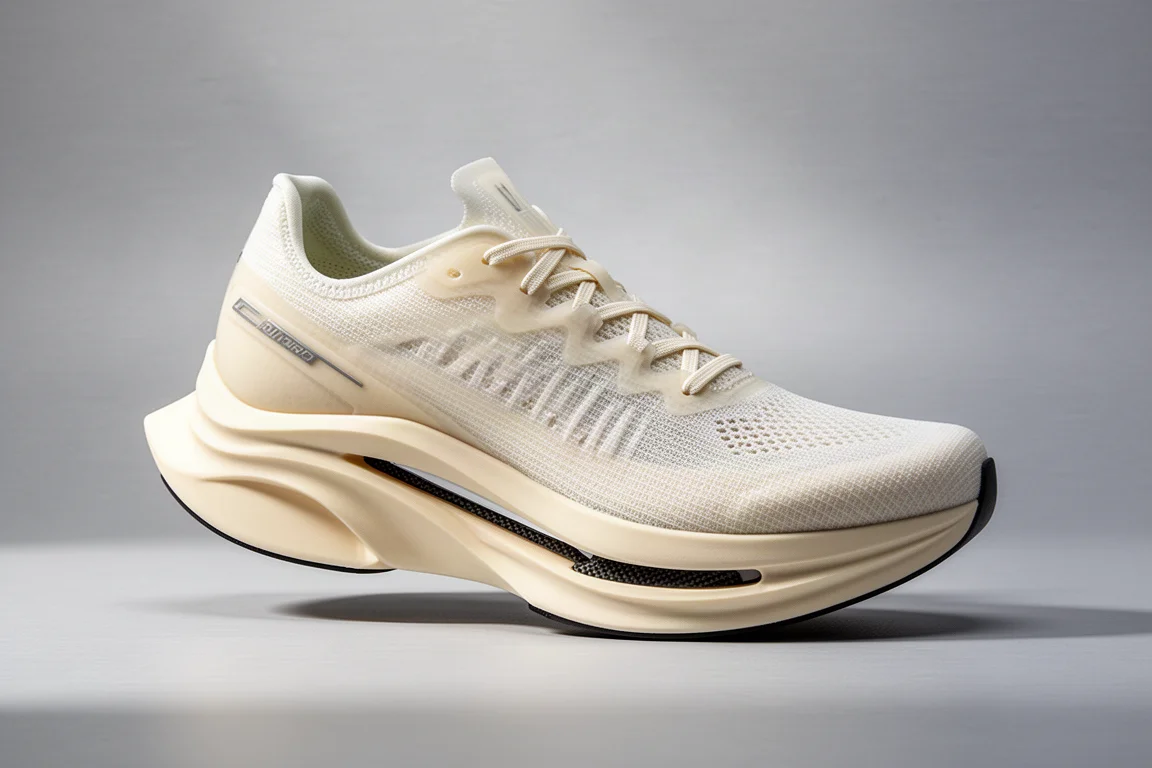
The Puma Deviate Nitro Elite 4 sits on the opposite end of the ride spectrum. It is firmer, more traditional in feel, and noticeably more stable. It is also very lightweight: around 200 g in a typical size, compared with about 170 g for the Cielo in the same sizing.
Where the Cielo feels alive when the pace lifts, the Deviate is more of a lightweight, disappear-on-foot, workmanlike racing shoe. The upper is excellent, and the stability advantage is real, but it does not deliver the same joy or comfort. Over a marathon, the Cielo feels like the faster option, while the Deviate suits runners who prefer a firmer platform and want to avoid the aggressive rocker geometry of the Hoka.
For most runners, the Cielo X1 3.0 is the stronger recommendation, but the Deviate Nitro Elite 4 is the better fit if you value stability and a more conventional racing feel.
Softest and Wildest: Saucony Endorphin Elite 3
If the Deviate is the firmest and most traditional, the Saucony Endorphin Elite 3 is the softest and the wildest. The Cielo X1 3.0 sits between the two: take the Deviate and the Endorphin Elite 3 and combine them, and you get something very close to the Cielo.
The Endorphin Elite 3 offers huge cushioning, but that softness becomes a limitation at speed. On back-to-back 100-mile weeks with nearly identical long runs, the Saucony felt too soft when pushing the pace, particularly when dropping under 6-minute miles. Anything faster than marathon pace is a bit of a struggle to get the shoe going, and it does not handle the very quick stuff well.
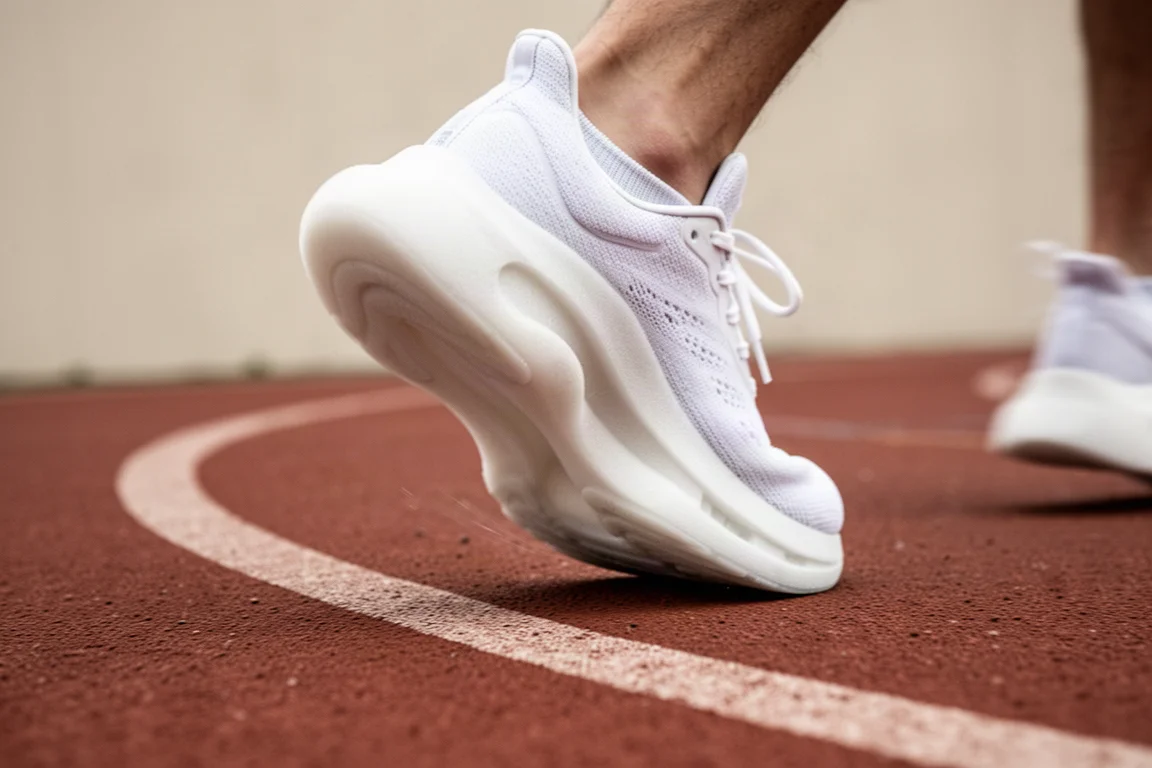
That said, there is a runner type where the Endorphin Elite 3 shines: if you are lightweight, plot along rather than pushing big power into the ground, and want maximum bounce and the craziest, softest ride available, it can deliver more spring than the Cielo. For nearly everyone else, the Cielo is the higher-hit-rate shoe, and there is little scenario where the Endorphin Elite 3 works and the Cielo does not.
The Budget Alternative: Hoka Cielo X1 2
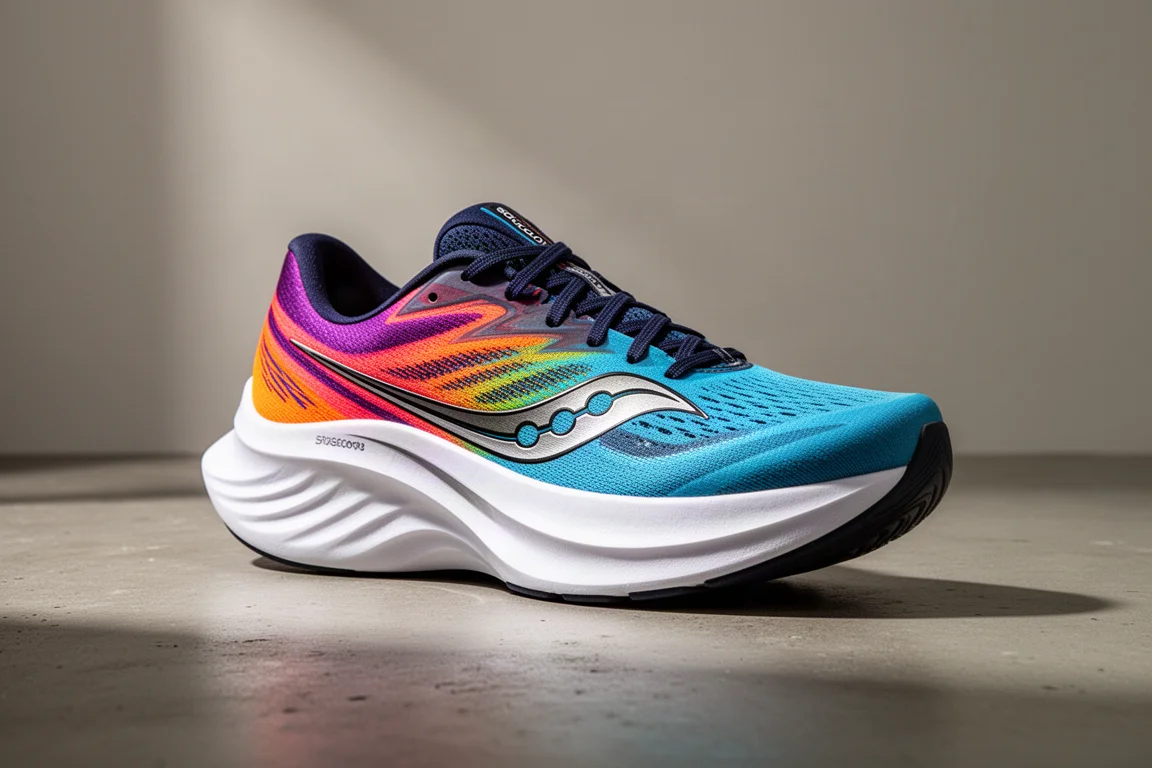
The previous-generation Cielo X1 2 deserves its own conversation, mainly because it is currently on sale at a dramatically reduced price. It has been spotted for under 200 dollars, around 160 dollars at Running Warehouse, and closer to roughly 145 dollars once a 10 percent discount code from the Saucony app is applied. That is about half the price of the Cielo X1 3.0, a remarkable deal for a carbon-plated shoe with this much technology.
Should you buy the X1 2 instead and pocket the difference? The answer is a firm no if your goal is a true marathon race shoe. The geometry is similar, but the foams are very different, and these are simply not the same shoe. The X1 2 has plenty of soft comfort underfoot and makes a fantastic long run shoe or fun addition to a rotation, but it lacks the true super-shoe character of being both comfortable and fast.
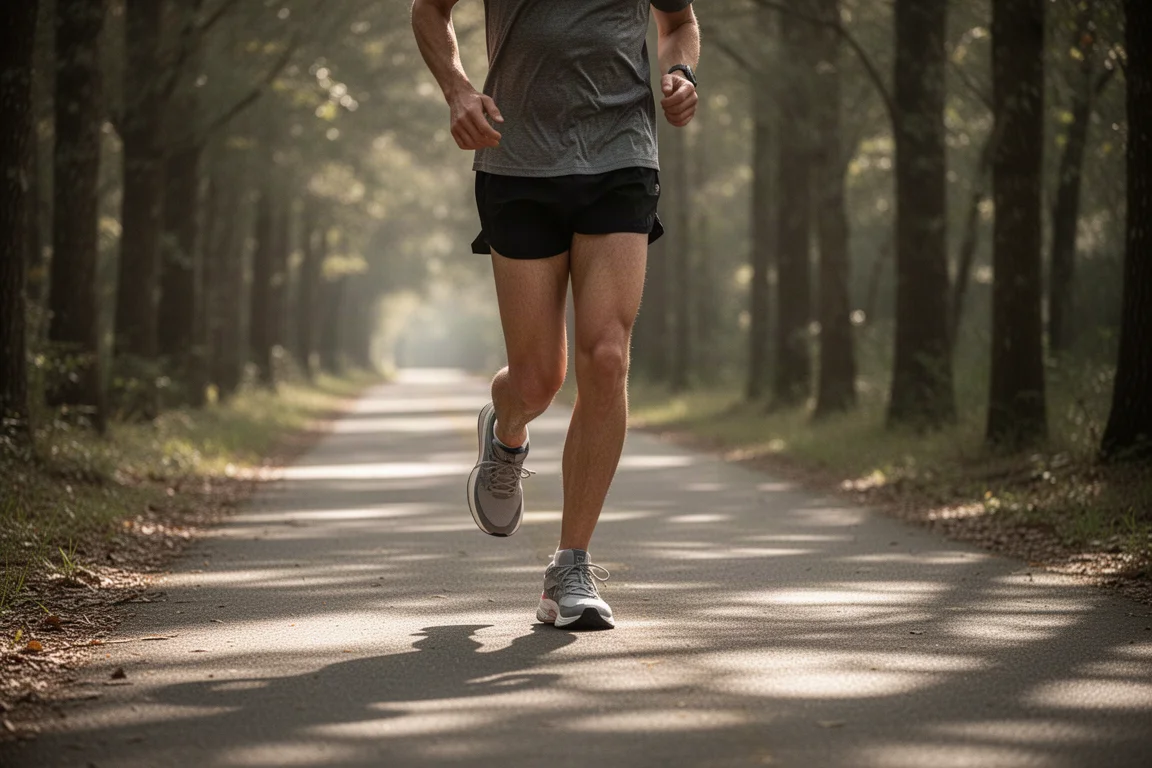
On the road, the X1 2 felt like it was fighting back. When pushing below 6-minute miles or closer to marathon pace and faster, it could not hang: plenty of impact absorption, but without the bounce returned. It dampened rather than responded. The X1 3.0 threads the needle perfectly, offering that same impact absorption with genuine pep and pop.
If you have about 150 dollars to spend purely on a fun long-run shoe and enjoy keeping multiple shoes in the rotation, the X1 2 at that sale price is a great value. Just go in knowing the extra money for the X1 3.0 is absolutely worth it if the shoe will ever be used as a genuine marathon racer.
Buying Advice
For nearly every runner shopping for a race shoe in 2026, the Hoka Cielo X1 3.0 is the recommendation: one shoe that covers 5K through marathon, comfortable over long miles, fast at tempo and beyond, and easier on the body than more aggressive super shoes. Choose the Puma Deviate Nitro Elite 4 if you want firmer, more stable, and more traditional. Choose the Saucony Endorphin Elite 3 only if you want the softest, wildest ride and tend to run easy with low power output. And treat the Cielo X1 2 strictly as a discounted long-run shoe, never as a race-day substitute.
Conclusion
The Hoka Cielo X1 3.0 has quietly become the race shoe of the year, and it may still be flying under the radar simply because of the brand behind it. Hoka deserves a place in the same conversation as the most respected race shoes on the market today. For most runners, this is the one to buy.
Further reading
Related Reviews

Running Shoes
Best Road-to-Trail Running Shoes: Three Versatile Options for Mixed Terrain
A practical guide to three road-to-trail running shoes that handle both pavement and mild trails, with clear strengths and trade-offs for different runner types.

Running Shoes
Best Running Shoes for Achilles Tendonitis: Three Options Explained
Three running shoes with different heel drops and support features designed to help reduce Achilles tendon pain during walking and running.

Running Shoes
Best Running Shoes for Women: Five Top Choices Ranked
A ranked guide to five women's running shoes, from versatile daily trainers to high-performance racing options, with real strengths and trade-offs for each.