Running Shoes
Hoka Cielo X1 2.0 Review: A Confusing Step for a Beloved Marathon Racer
After 50 miles of marathon training in the Hoka Cielo X1 2.0, here is where this carbon racer excels, where it falls short, and what to consider before buying.
Introduction
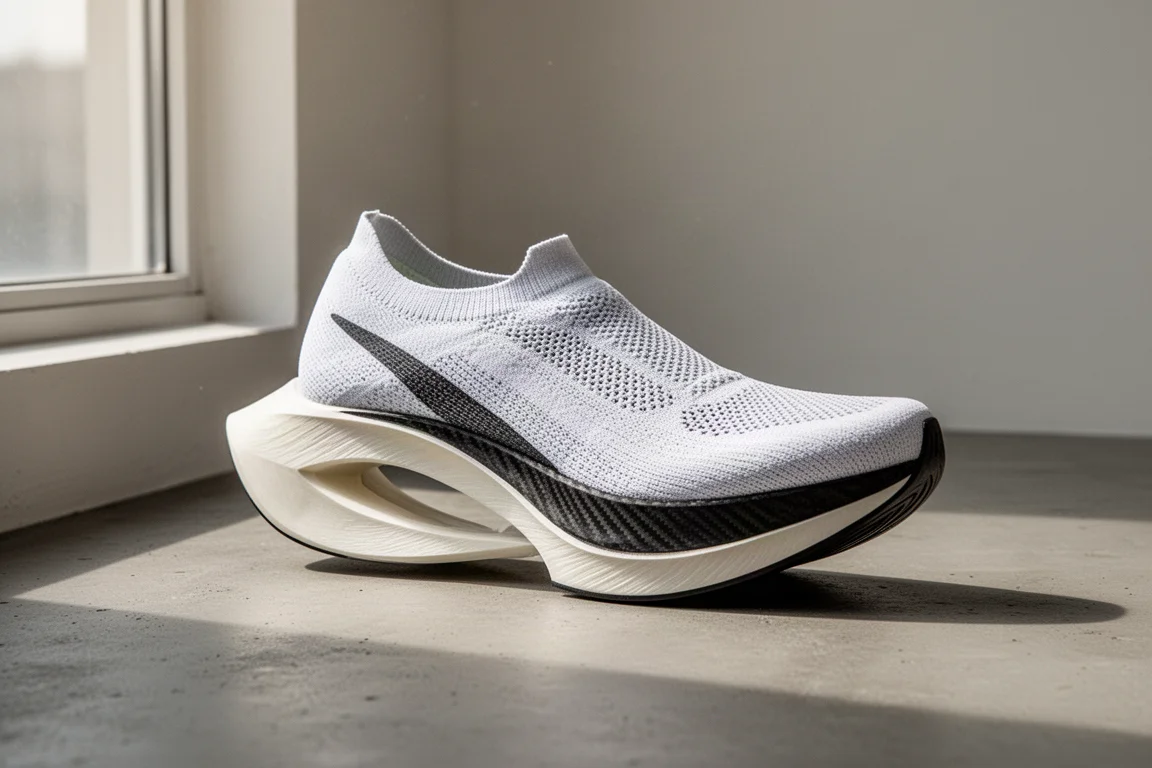
The original Hoka Cielo X1 built a real following among marathoners who wanted something different: a very stable platform with a wide base and an aggressive rocker. The Cielo X1 2.0 keeps the aggressive rocker and the generous foam, but changes almost everything else, and the result is a shoe that left us torn after 50 miles of marathon-paced training.
The headline changes are easy to summarize. Hoka dropped the weight to around 220 g, putting it in the same range as the fastest marathon shoes on the market. The heel was also narrowed considerably: the first version measured about 89 mm at its widest point, and the 2.0 comes in closer to 79 to 81 mm, nearly 10 mm less. The midsole cutout has moved from the lateral side to the medial side, which changed how the shoe felt underfoot from the very first warm-up miles.
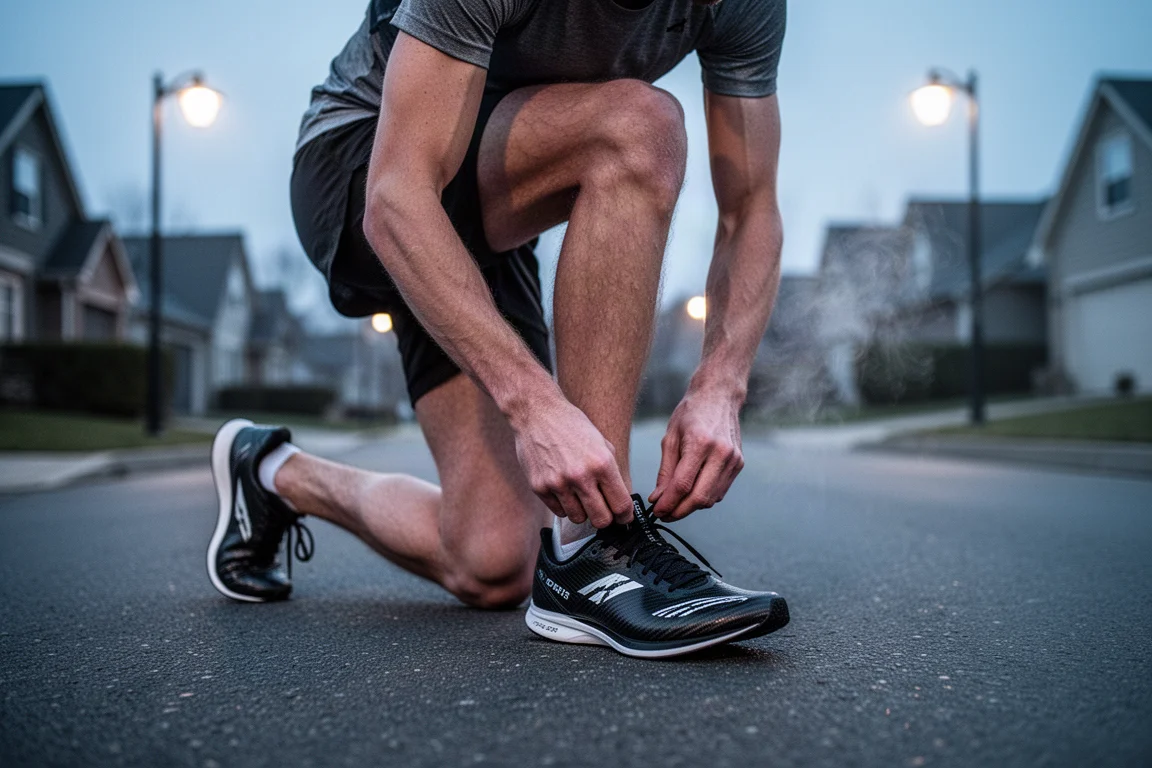
In short: Hoka built a lighter, narrower, faster-looking shoe. Whether it actually runs faster is a more complicated question.
Who This Product Is For
This is a carbon-plated marathon racing shoe, and its best home is with forefoot or front-midfoot strikers who run with a quicker cadence and a light touch on the ground. The geometry actively pushes you toward a midfoot-to-forefoot landing, and if that is already your natural style, the shoe can feel smooth, cushioned, and almost graceful.
If you are a powerful runner who drives force down through the midfoot with a lower cadence, as is common for taller athletes, this is probably not your shoe. The midfoot feels deeply stacked and soft, and pushing power through it felt like running on jello at marathon pace. Runners around 6’2” and 160 lb running 5:40-per-mile pace found themselves working noticeably harder than in other top-tier racers.
Main Strengths
The upper is genuinely excellent. The fit is dialed in, there is no heel rubbing, and there is none of the hard plastic toe cap discomfort found in some competing race shoes. It scores full marks for fit in true-to-size testing, and the same upper design is expected to appear on other Hoka speed shoes to fix earlier heel-rubbing complaints. One caveat: the stock laces came untied mid-run during testing, though they are easily swapped.
The foam compound itself is also a five out of five for comfort. Cushioning is plush and protective over long distances, and the rocker is aggressive in a way that makes rolling forward feel easy. On a 20-mile long run with marathon-pace repeats, the shoe remained comfortable throughout, and the run itself went exactly to plan.
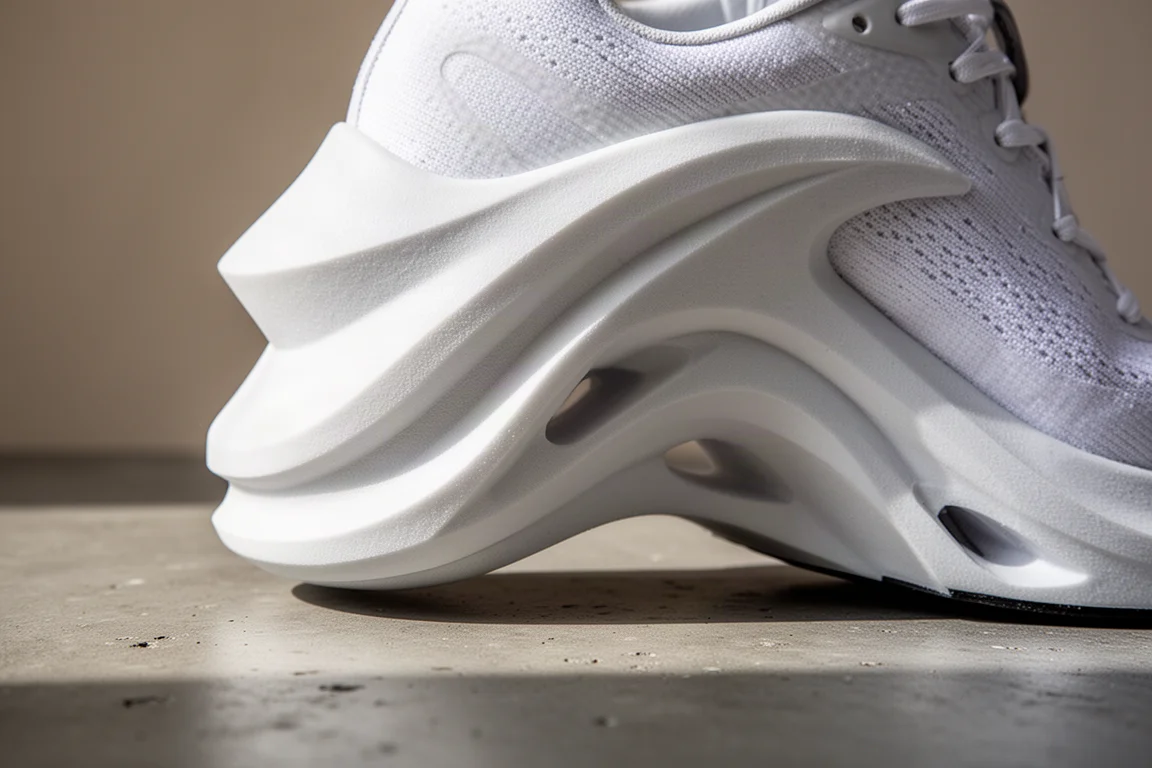
Where things get murky is the midsole geometry, which earns roughly a three out of five. Hoka has retained more than 40 mm of foam (the midfoot measures closer to 45 to 50 mm) while simultaneously narrowing the platform. The shoe is trying to be narrow, streamlined, and fast, and also comfortable. It ends up being neither extreme.
Things to Consider Before Buying
The biggest issue is speed. At high-end paces, the Cielo X1 2.0 was consistently about 5 to 10 seconds per mile slower at the same effort than the leading race shoes of the previous generation. The plate sits low and scoops downward, the foam is a comfort compound rather than an explosively bouncy one, and the shoe asks you to land in a very specific way. Wear patterns after 50 miles show the heel and midfoot fighting against the rocker geometry for runners with a flat, powerful foot strike.
Stability also takes a step back. The first version’s wide base was a major part of its appeal, and that is largely gone. The shoe can feel odd for the first two to four miles of each run before things settle, and the medial cutout initially pushed the foot in a strange direction during warm-ups.
As a rough scoring rubric: upper fit 5/5, foam comfort 5/5, midsole geometry 3/5, high-end speed 2/5, marathon-pace speed 2/5. Averaged out, that lands around a 6 to 6.5 out of 10. It is a shoe that reads well on paper but does not fully come together on the road, and at its price point that is a hard sell.
Buying Advice
If you want what this shoe is trying to be, consider alternatives. The Mizuno Wave Rebellion Pro 2 delivers a faster, more aggressive ride and was available at a deep discount after the Pro 3 launched, making it roughly half the price. The Wave Rebellion Pro 3 is softer and likely the fastest of the two, while the Pro 2 is firmer and more stable.

Within Hoka’s own lineup, the math is also awkward. The Rocket X 2 is faster, the Mach X 2 and Skyward X are more comfortable and bouncier, and the original Cielo X1 remains the more stable, beloved marathon platform that many still recommend over this update. Hoka may eventually follow the two-shoe strategy other brands have adopted, pairing a lower, streamlined short-distance racer with a high-stack marathon shoe. Until then, the 2.0 sits in no man’s land.
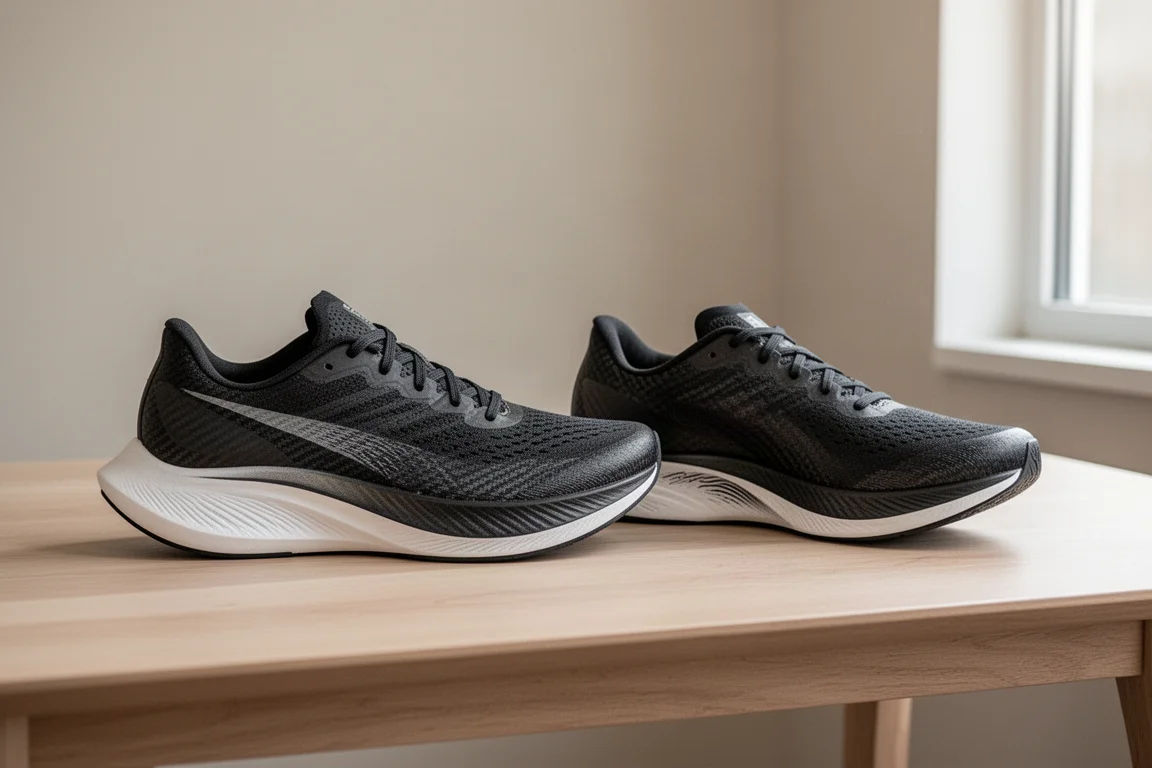
Our practical advice: forefoot strikers who prioritize comfort and a smooth rolling ride over outright speed will enjoy this shoe. Everyone else training for a fast marathon should look elsewhere.
Conclusion
The Hoka Cielo X1 2.0 is not a bad shoe. It has a superb upper, genuinely comfortable foam, and an aggressive rocker that makes long miles feel effortless. But it is not stable enough to replace what made the original special, and it is not fast enough to compete with the best marathon racers. It is comfortable without being the most comfortable, aggressive without being fast, and it tries to do too many things at once. For its price, we recommend the original Cielo X1 or the alternatives above instead.
Product link
View more details for Hoka Cielo X1 2.0
This product is mentioned in the review. Check the specifications, options, and compatibility before buying.
View more details for Hoka Cielo X1 2.0Further reading
Related Reviews

Running Shoes
Best Road-to-Trail Running Shoes: Three Versatile Options for Mixed Terrain
A practical guide to three road-to-trail running shoes that handle both pavement and mild trails, with clear strengths and trade-offs for different runner types.

Running Shoes
Best Running Shoes for Achilles Tendonitis: Three Options Explained
Three running shoes with different heel drops and support features designed to help reduce Achilles tendon pain during walking and running.

Running Shoes
Best Running Shoes for Women: Five Top Choices Ranked
A ranked guide to five women's running shoes, from versatile daily trainers to high-performance racing options, with real strengths and trade-offs for each.