Running Shoes
Hoka Cielo X1 2.0 Review: A Lighter, More Aggressive Super Shoe Racer
Hoka's updated super shoe drops serious weight and doubles down on an aggressive rocker, making it a more focused race day weapon with one clear trade-off.
Introduction
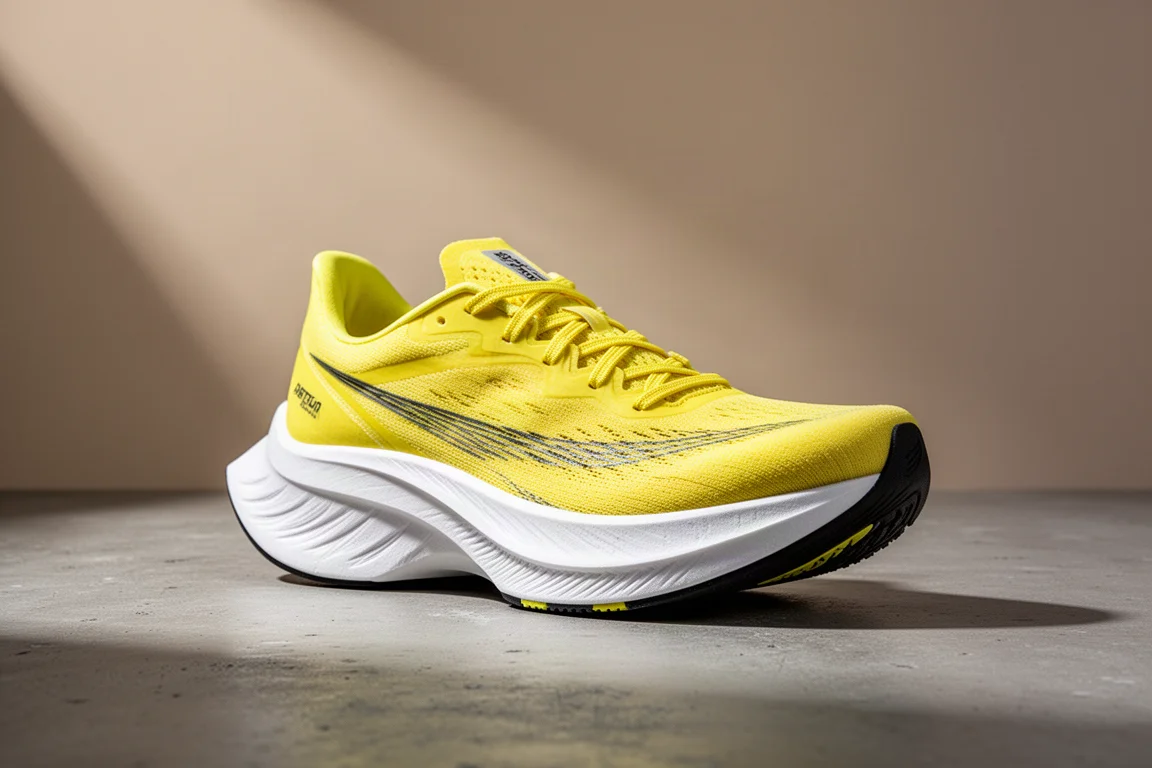
The Hoka Cielo X1 2.0 is the brand’s latest super shoe racer, and it is a bigger update than the version number suggests. Hoka has kept the same overall concept as the original Cielo X1, a high-stack, dual-density PEBA racer with a winged carbon plate, but has reworked almost everything around it to produce a shoe that feels faster, sharper and more focused on race day.
The price stays the same as the original Cielo X1 at £250 in the UK and $275 in the US, placing it just below shoes like the Nike Alphafly 3 and Saucony Endorphin Elite 2. The question this update answers is simple: can a shoe that was already one of the most fun, bouncy rides on the market become a genuine racing shoe without losing what made it special?
Key Updates in the Cielo X1 2.0
The headline change is weight. A men’s UK 8 weighs 196g compared with 242g in the same size for the original Cielo X1, and in a UK 9 the 2.0 comes in at 214g, down from 253g for the first shoe. That is a significant amount of mass removed from a super shoe, and it changes the character of the entire ride.
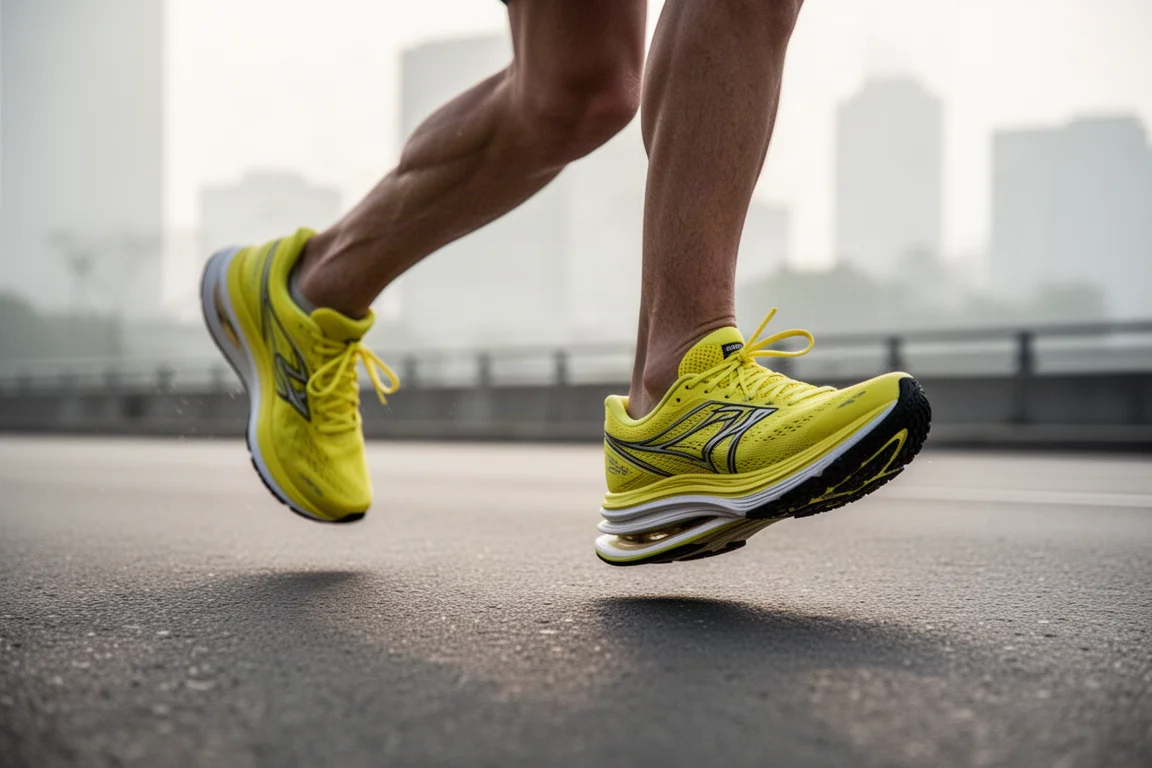
The stack height and 7mm drop make it a legal racer and approved for competition when scaled to a UK size 8. The upper is now an engineered jacquard mesh, with new laces, a new tongue and a redesigned heel collar with more padding at the back of the shoe. There is a new sock liner to add bounce, and the dual-density PEBA midsole keeps its cutouts, now positioned more towards the medial area of the shoe.
The winged plate between the PEBA layers has been updated, and combined with Hoka’s aggressive meta rocker it aims to deliver a more propulsive ride. To keep the foot controlled, Hoka uses a 4mm focus active foot frame to better secure and stabilise the foot at the front of the shoe, and a sticky rubber outsole provides grip with slightly more exposed foam than the original.
Fit and Comfort
For most testers, the Cielo X1 2.0 fits true to size in a normal running shoe size. The fit is more typically Hoka than the original, meaning it is noticeably narrower through the midfoot, opening up in the toe box, which keeps it well suited to longer distances. Runners with wider feet should be mindful of this, as the original Cielo X1 was a more accommodating shoe.
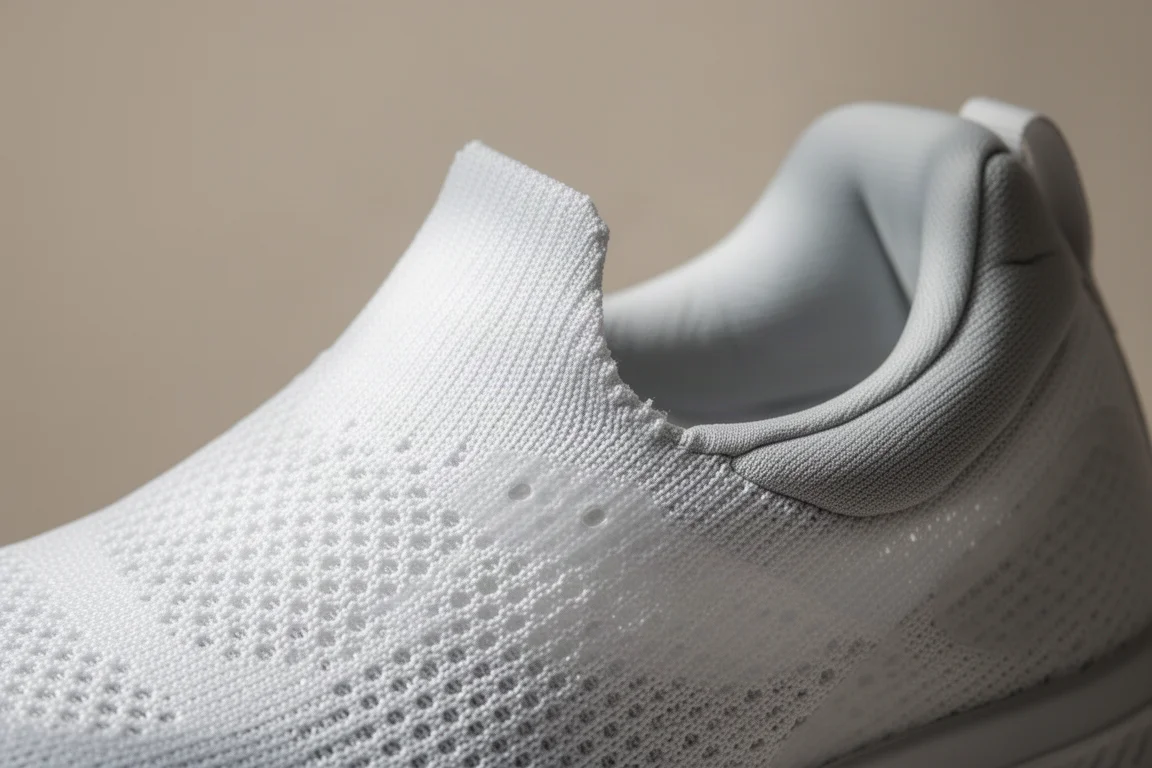
The laces are a clear improvement. The original Cielo X1 had ribbon-style laces that some runners found came undone; the 2.0 uses more traditional laces that offer better lockdown over the tongue. They run a little long, but that is a minor quibble. The heel collar has more padding and structure than before, and despite sitting quite narrow, it caused no irritation during testing.
One tester who ran in a half size down found the snug fit comfortable for runs under 10 miles, but would want to go back to their true size for a full marathon because of foot swelling over the distance. If you like a snug racing fit, you have roughly half a size of flexibility here.
Ride and Performance
The big worry with any weight reduction is that you lose the qualities that made the original special. In the case of the Cielo X1 2.0, that worry proves unfounded. The shoe still delivers that huge, springy, bouncy ride that made the Cielo X1 such a fun shoe to run in. It simply feels faster and more aggressive on top of it.
The way the midsole cutouts are arranged makes the rocker more aggressive, pushing you onto your toes and giving a direct, fast ride. It sits closest in feel to something like the Mizuno Wave Rebellion Pro line, but in a slightly tamer, more conventional design. Runners comparing the two shoes side by side in short runs confirmed the bouncy character is fully retained.

In hard running, the shoe impressed across a long progression run on the track, an alternating 16K on the road and a steady 10 miler. The faster you run in it, the more fun it becomes. At easy paces and even just walking around, it feels unnatural, which is a fair signal that this is now a shoe you reserve for your fastest sessions and race day.
The stability trade-off is real. The original Cielo X1 was remarkably stable for such a high-stack, bouncy shoe; the 2.0 flips to the other end of the spectrum. The large medial-side cutout is noticeable on the run, the shoe is narrower overall, and the updated plate has lost some width at its edges. Runners who pronate naturally or have weak ankles will feel the tipping tendency when standing still or running slowly, though it becomes less of an issue at speed. No unusual muscle strain or fatigue was reported over the testing block.
Durability and Long-Distance Concerns
The outsole is not the best you will find on a racing shoe. There is not a huge amount of rubber, just enough in the key areas to keep weight down while providing grip. The sticky rubber does work well and, somewhat ironically for a shoe that is not aimed at heel strikers, extends further back on the heel than many competitors, with minimal wear visible so far. Expect average durability for the carbon racing category rather than class-leading.
The one open question is how the shoe behaves late in long races. The aggressive midfoot rocker and propulsive design raise a slight concern about how the shoe responds when form breaks down in the final kilometres of a marathon. It is less extreme in this regard than the Mizuno Wave Rebellion Pro, and testers still felt able to cruise comfortably at half marathon and marathon paces, but it is worth noting if you are choosing a shoe specifically for the marathon distance.
Should You Buy the Cielo X1 2.0?
If you want a lively, bouncy, aggressive racer, this shoe delivers exactly that, and the weight reduction makes it better suited to shorter distances than the original while keeping the good qualities over longer runs. It is Hoka’s best racing shoe, and in testing it came across as lighter with a more aggressive rocker feel than the Rocket X 2.
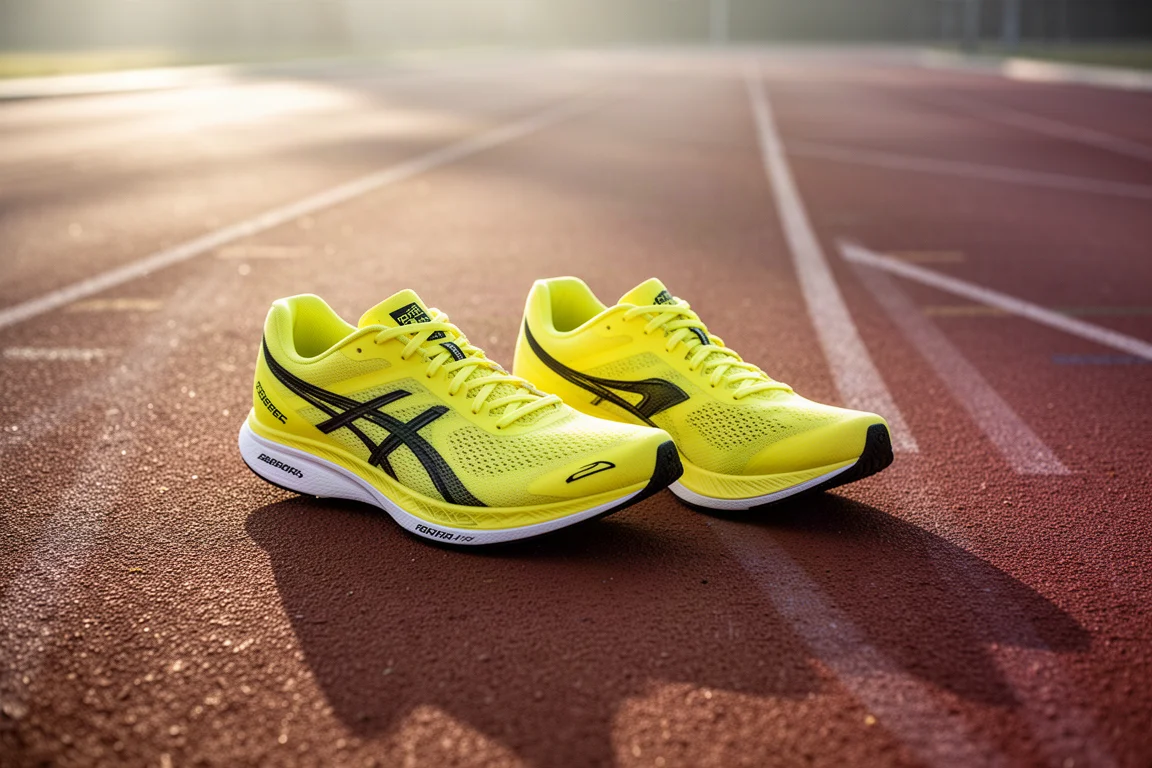
If you loved the original Cielo X1, be aware that this is a very different shoe. The new version is less stable and less accommodating, so if that safe, controlled feel is what you valued, it may be worth looking for deals on the original instead. Used as intended, the 2.0 is a bona fide race day thoroughbred.
There are cheaper alternatives worth considering. The Adidas Adizero Metaspeed Sky Paris is lighter, a bit cheaper and offers a fast, dynamic, snappy transition that suits high-cadence runners. The Puma Deviate Nitro Elite 3, or DV8 Nitro Elite as referenced in testing notes, is significantly cheaper, lighter, has outstanding grip and a more natural ride, though it is not as bouncy and propulsive as the Hoka. The Nike Alphafly 3 sits between the two styles with a bouncier ride than the Metaspeed but a more natural transition than the Hoka, at an even higher price.
If you are chasing something in the mould of the Cielo X1 2.0 specifically, meaning big bounce and an aggressive rocker, this is one of the strongest options on the market. If you want the best value or the safest all-round racer, the alternatives above deserve a look first.
Conclusion
The Hoka Cielo X1 2.0 is the update the original deserved: dramatically lighter, noticeably more aggressive, and far more effective as a pure racing shoe. The cost is a meaningful drop in stability and a narrower fit, which makes the original Cielo X1 the better pick for runners who want a comfortable, controlled fast-training shoe.
For race day, however, the 2.0 is right up there with the best super shoe racers available. It is expensive at £250/$275, and stability-focused runners or bargain hunters have cheaper paths to similar performance. But if the big, bouncy, propulsive style of racing shoe is what you are after, the Cielo X1 2.0 earns serious consideration.
Product link
View more details for Hoka Cielo X1 2.0
This product is mentioned in the review. Check the specifications, options, and compatibility before buying.
View more details for Hoka Cielo X1 2.0Further reading
Related Reviews
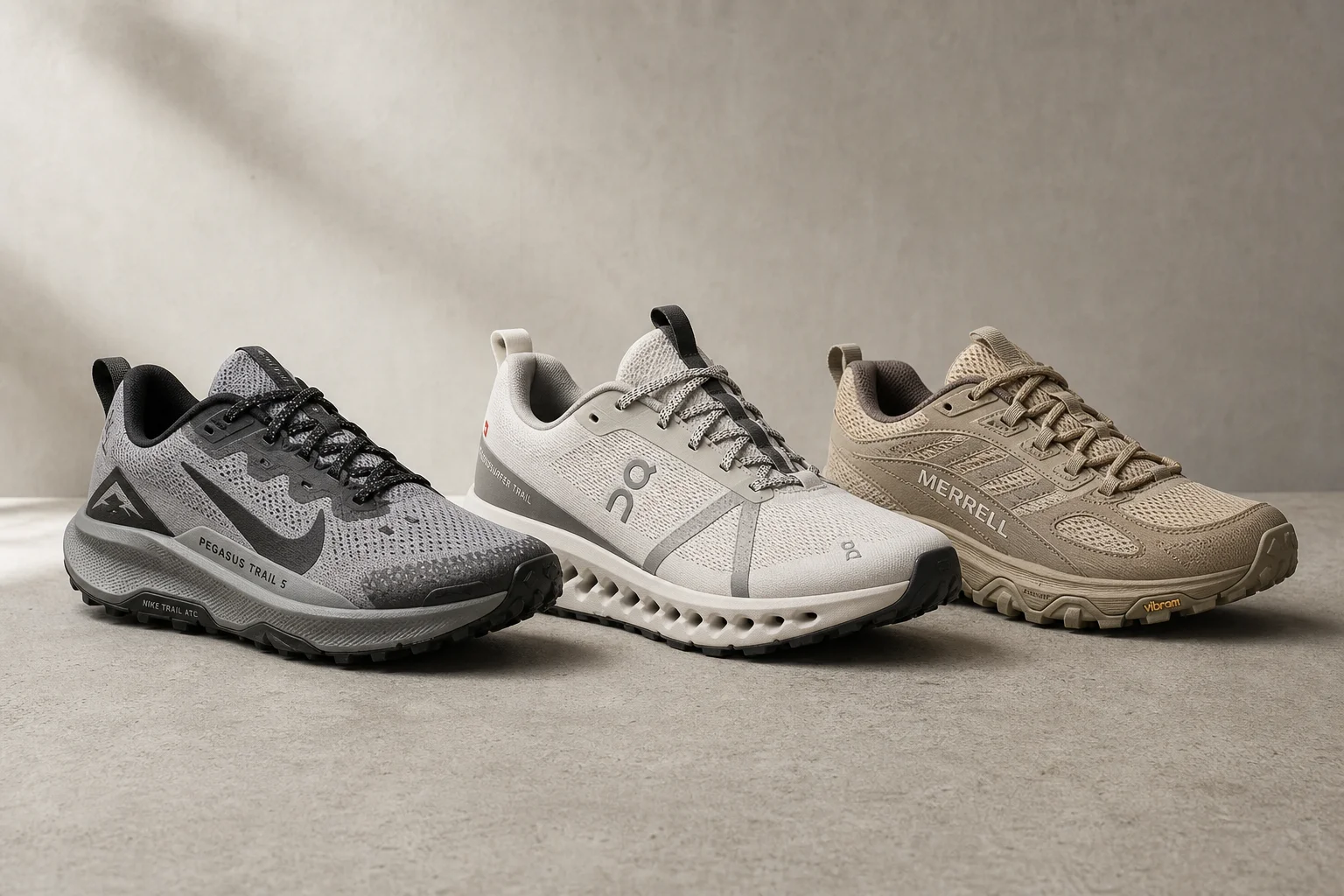
Running Shoes
Best Road-to-Trail Running Shoes: Three Versatile Options for Mixed Terrain
A practical guide to three road-to-trail running shoes that handle both pavement and mild trails, with clear strengths and trade-offs for different runner types.
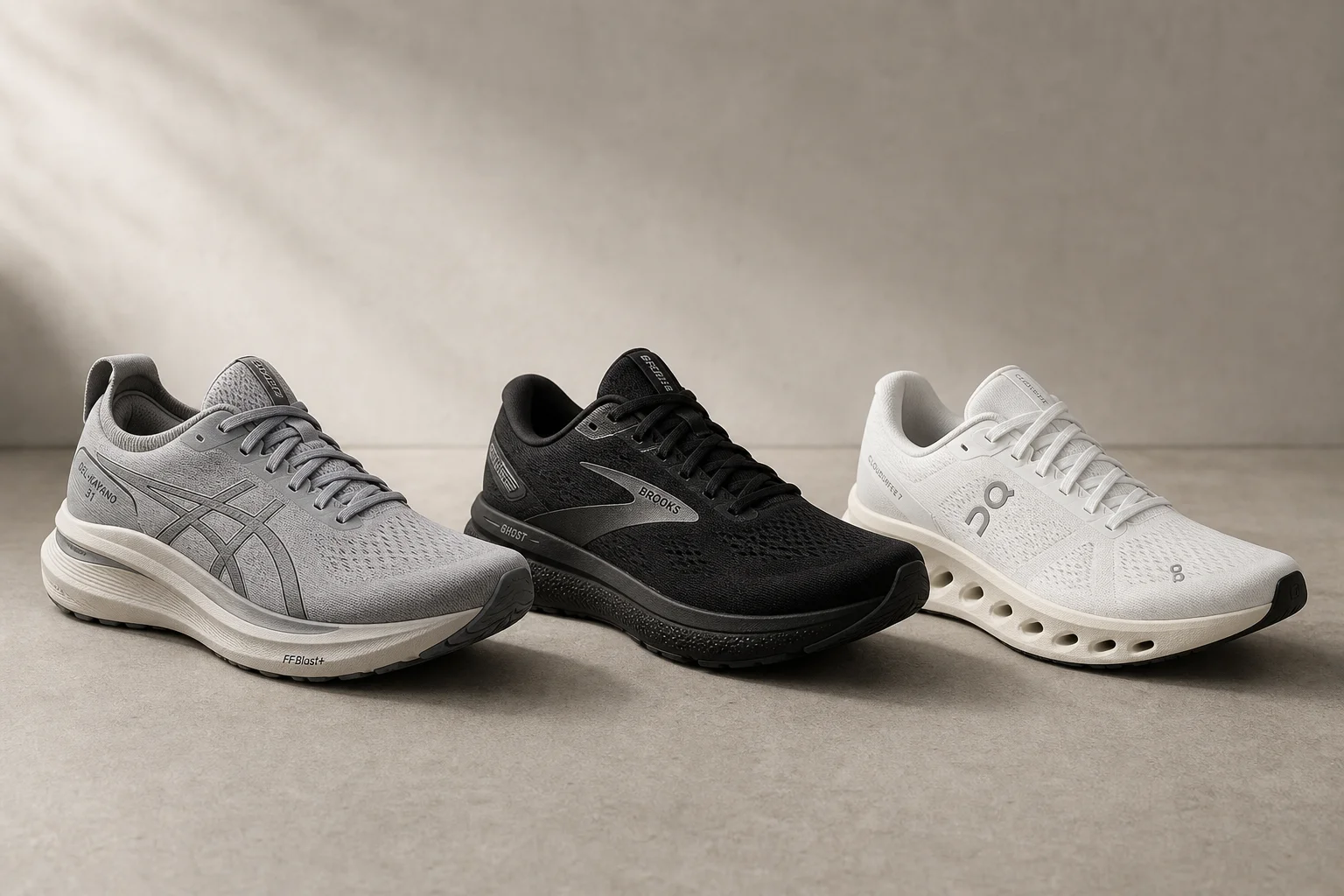
Running Shoes
Best Running Shoes for Achilles Tendonitis: Three Options Explained
Three running shoes with different heel drops and support features designed to help reduce Achilles tendon pain during walking and running.
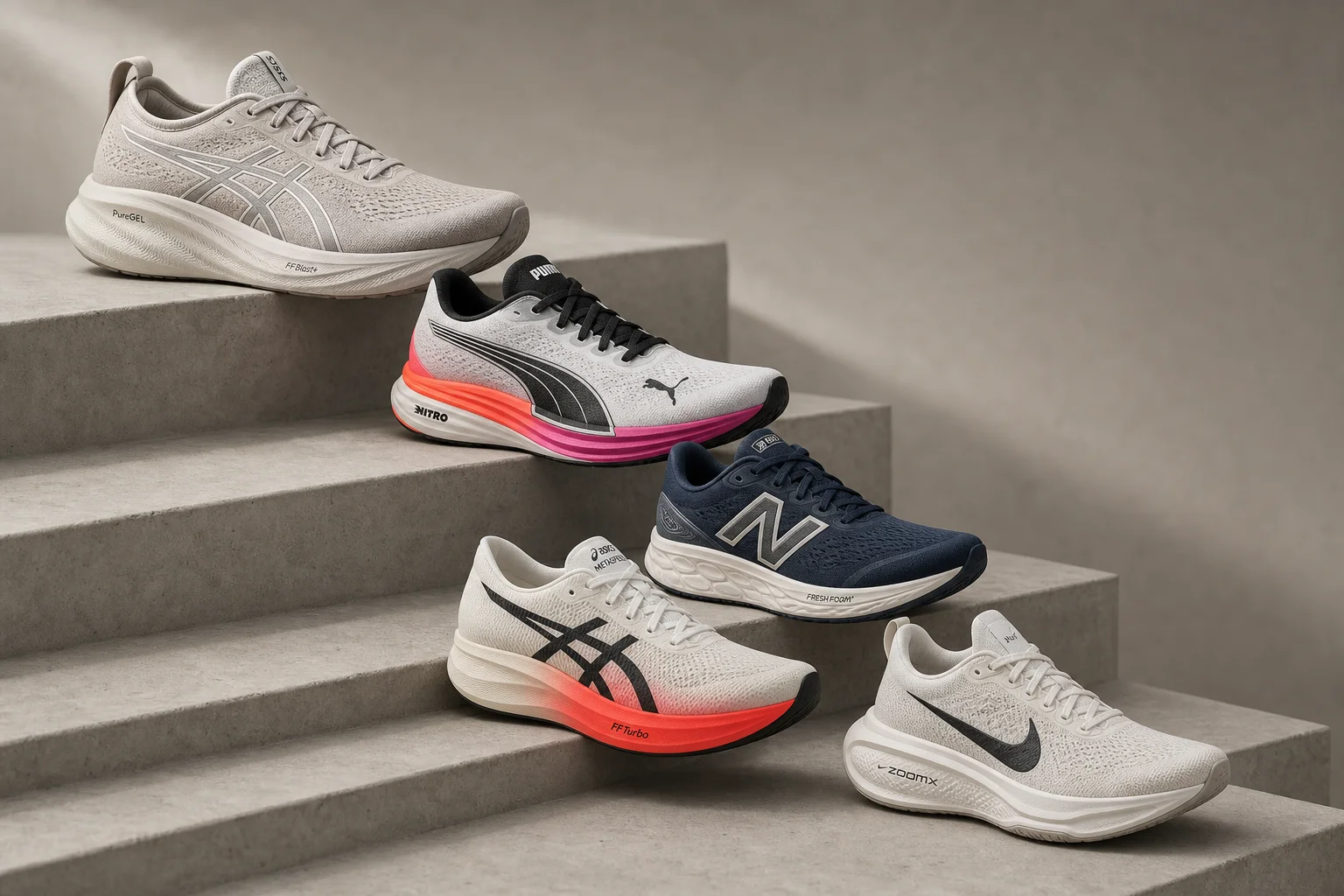
Running Shoes
Best Running Shoes for Women: Five Top Choices Ranked
A ranked guide to five women's running shoes, from versatile daily trainers to high-performance racing options, with real strengths and trade-offs for each.