Running Shoes
Hoka Cielo X1 2.0: First Run Review of Hoka's Lighter, Sharper Carbon Racer
The Cielo X1 2.0 trims weight, narrows the fit, and amps up the aggressive ride of one of our favorite carbon racing shoes.
Introduction
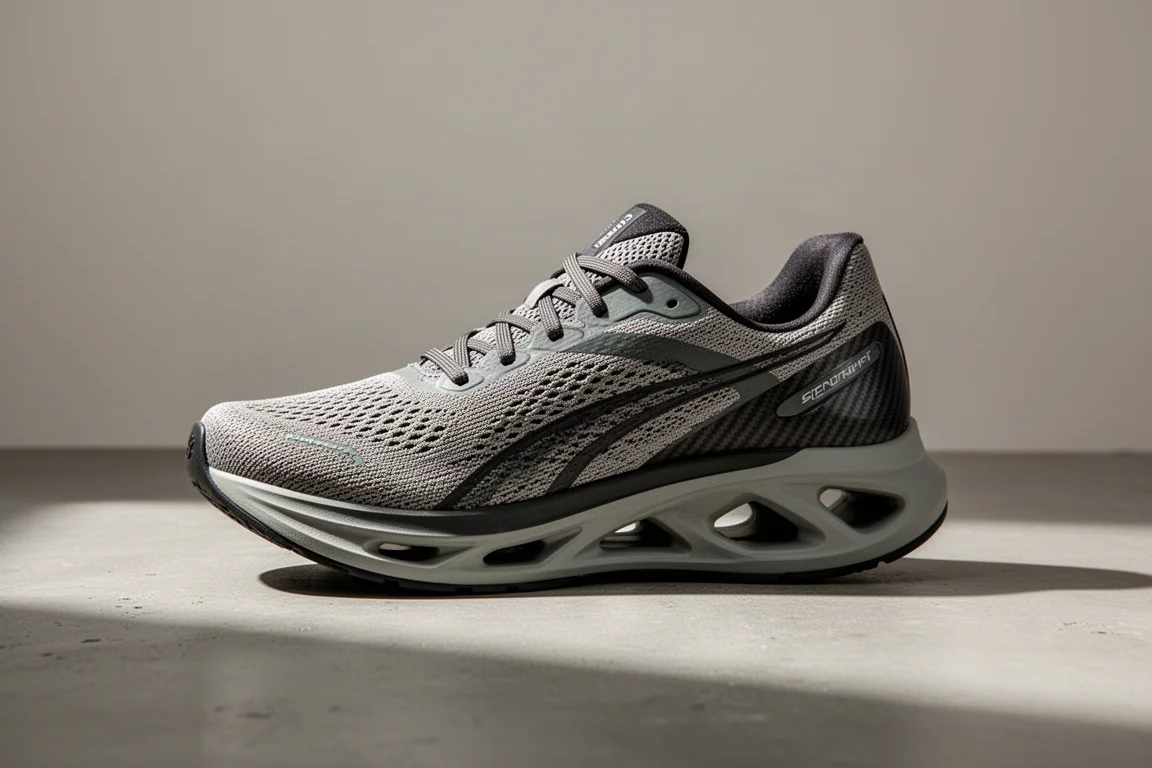
The Cielo X1 earned its place among the standout carbon racing shoes of 2024, so any update comes with high expectations. The Hoka Cielo X1 2.0 does not simply repeat the formula. It trims weight, narrows the fit, and pushes the already lively ride even further toward the aggressive end of the racing shoe spectrum.
After a stormy 10-mile first run at a mix of marathon, half marathon, and 10K pace, the early picture is a shoe that keeps everything we liked about the original while feeling sharper and quicker to roll. Here is what changed and how it runs.
What’s New in the Cielo X1 2.0
The headline change is weight. A UK men’s size eight dropped on the scales at 196g, a sizable reduction from the original Cielo X1. The shoe keeps a 7mm drop and remains a legal racer, though exact stack heights are not confirmed yet.
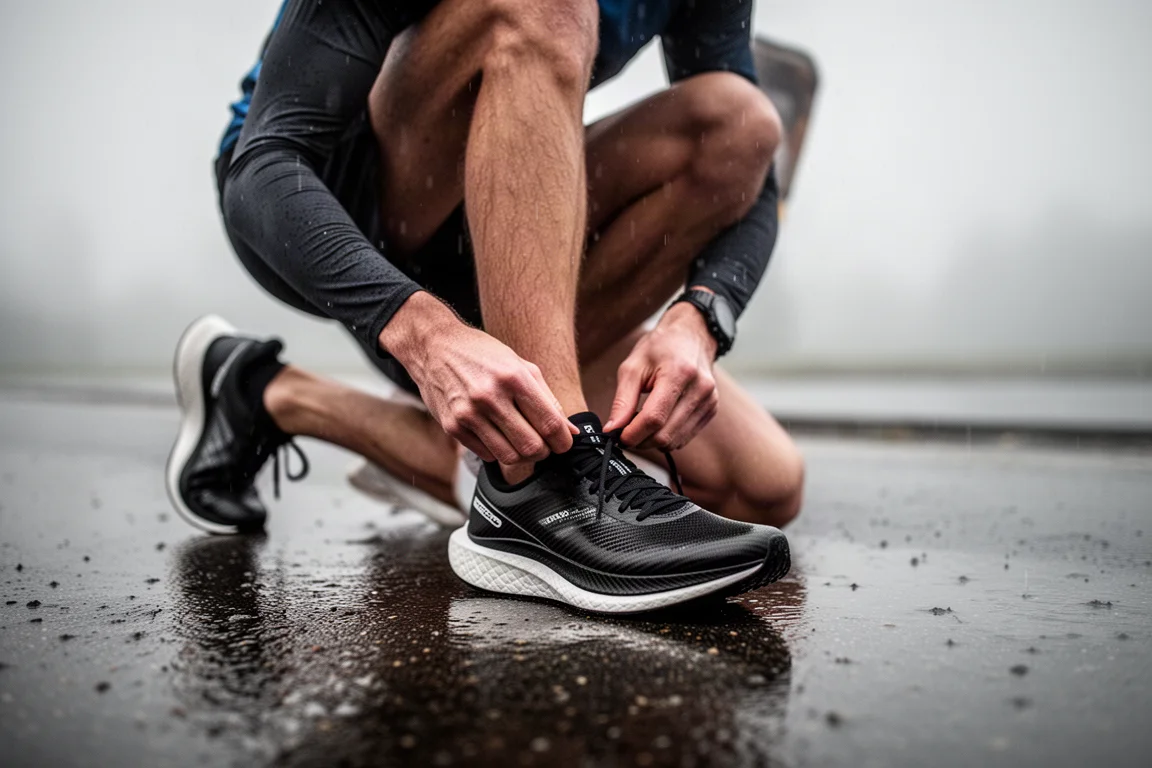
Up top, Hoka moved to an engineered jacquard mesh upper with a new tongue, new laces, and a redesigned heel collar. Inside there is a new sockliner that adds bounce, and beneath it sits a dual-density PEBA midsole setup like the original, now with cutouts focused at the medial areas of the shoe. An updated winged carbon plate is sandwiched in the midsole, and together with Hoka’s speed-centric MetaRocker geometry it creates the lively, aggressive ride. A 4D focused active foot frame secures and stabilizes the foot at the front, and down below a sticky rubber outsole provides grip, with a little more exposed foam than the original.
Fit and Comfort
The most noticeable fit change is the width. The original Cielo X1 was a broad, accommodating shoe, while the 2.0 has narrowed noticeably. On narrower feet that means a more dialed-in fit, but runners with wider feet should be aware of the shift.
Other changes are more universally welcome. The new laces feel like an improvement, addressing undoing issues seen in some earlier versions, and the tongue sits more comfortably on the top of the foot. The heel collar is more traditional, thinner and narrower at the back near the Achilles, with less internal padding than before, and it secures the foot better. Overall the shoe is easier to slip on than its tricky-to-get-on predecessor. It fits true to size but runs narrow compared to the original.
First Run Impressions
The test run covered 10 miles at marathon pace around 7:30 to 7:40 per mile, with sections dropped to 10K and half marathon pace. Even before heading out, lacing the shoe up revealed it is less stable than the original, and out on the road that translated into a noticeably more aggressive ride.
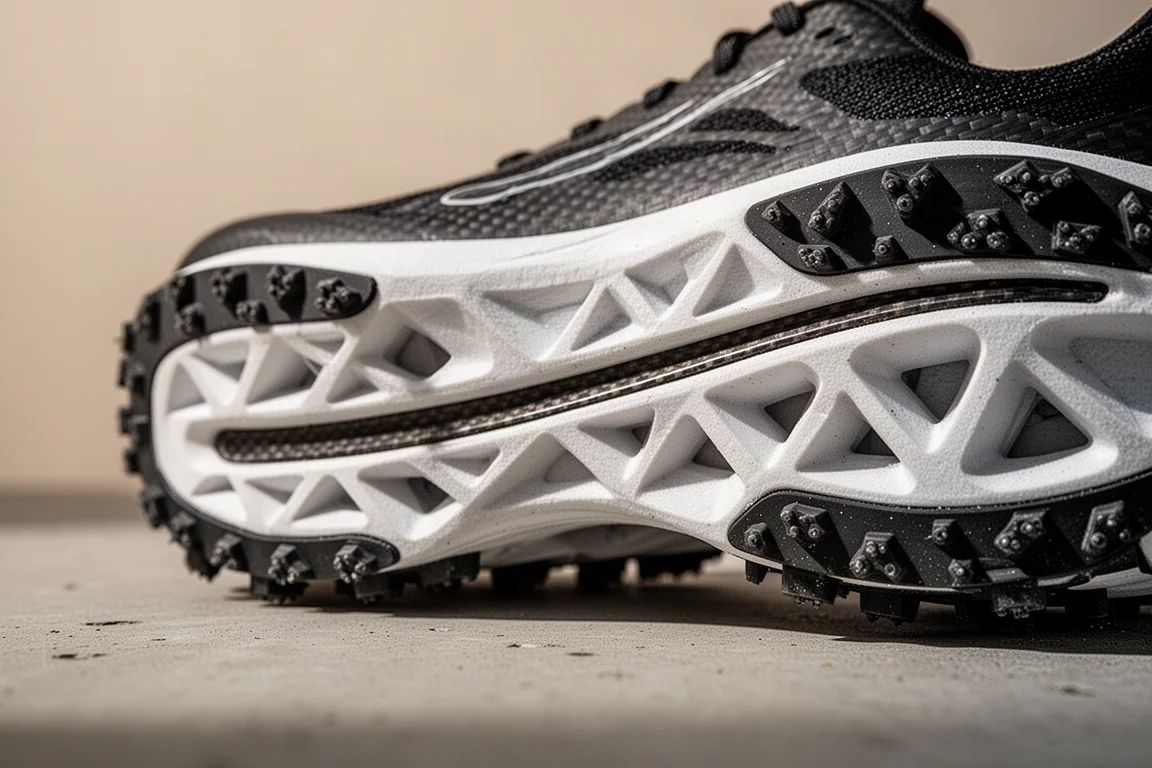
The midsole makeup is very similar to the original: dual-density PEBA, a winged carbon plate, MetaRocker geometry, and the cutout design. But the cutouts have moved slightly back toward the heel, and that decoupled effect feels more pronounced. Combined with the narrower platform, it focuses the lively feeling and makes the transitions feel quicker and more energetic. The bouncy, enjoyable ride of the original is still very much there; it just works a little faster.
That said, the extra aggression may actually improve the shoe across distances. It still feels like a shoe built for longer runs, and the 10 miles passed comfortably from start to finish, but the sharpened character makes it more acceptable for shorter races too, which was arguably not where the original was best suited.
Stability and Grip
The trade-off for all that energy is confidence underfoot. Where the original felt broad and planted, the 2.0 demands more care, and this showed up most clearly in cornering. Sharp turns required braking hard, and the shoe’s instability surfaced exactly when leaning into turns.
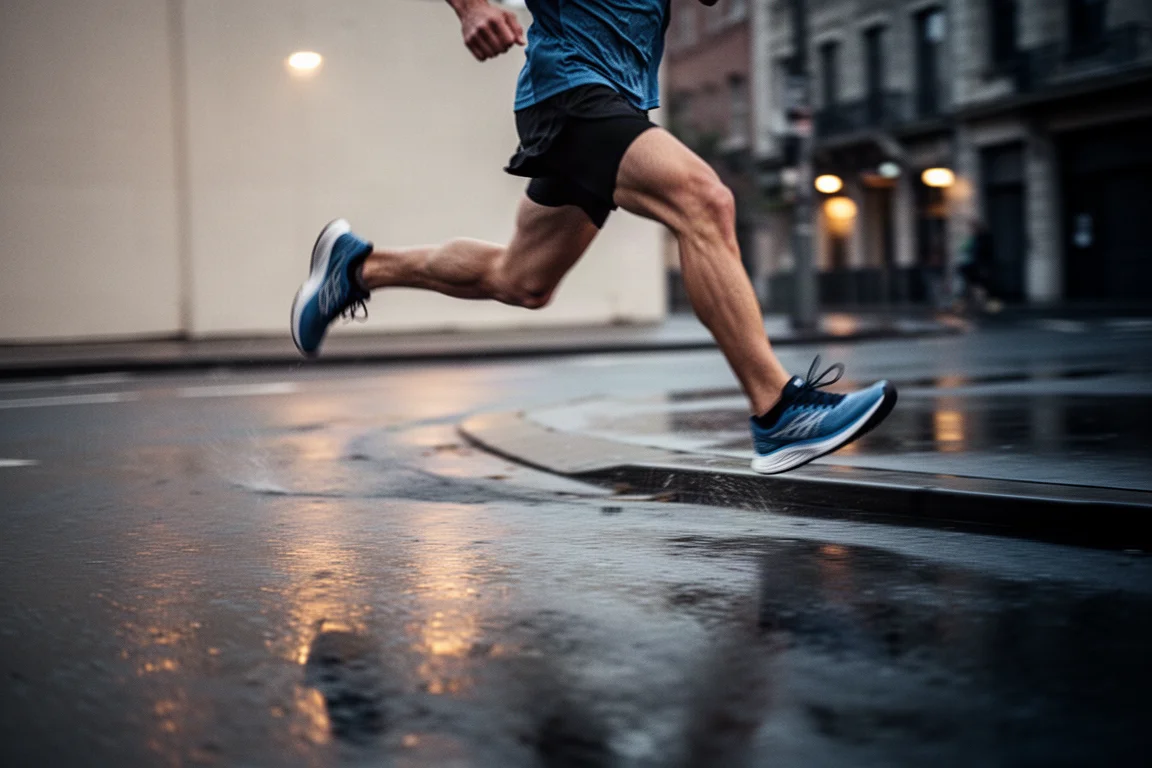
Grip from the sticky rubber outsole felt fine on flatter, straighter areas, but it would be sensible to be wary about going all out in wetter conditions. The extra exposed foam in the outsole got a real test on wet corners, and caution was warranted. On calm, dry roads, the shoe rewards aggressive running.
Early Verdict: Who Should Buy It
If you liked the Cielo X1 and want the same lively, bouncy qualities with less weight, a nicer upper, and even more aggression, the 2.0 delivers. The changes pull its character toward other top-tier aggressive marathon racers, and make it more versatile across race distances without losing the long-run appeal of the original.
For runners chasing the very lightest, most aggressive marathon shoes, the category benchmark is still just ahead, but the Cielo X1 2.0 closes the gap and should excite a lot of people. Expect a US price of $275, with UK pricing anticipated to sit at £250 like the original.

This first run was a clearly positive one. Plenty more testing remains, but so far the Cielo X1 2.0 looks like a genuinely better shoe than the one it replaces.
Conclusion
The Hoka Cielo X1 2.0 takes a shoe that was already among the best carbon racers of its year and tunes it: lighter at 196g in UK size eight, narrower and easier to slip on, with better laces and a more comfortable tongue. The moved midsole cutouts and reduced weight create a quicker, more aggressive ride that suits both half marathon racing and long distance work.
The cost of that speed is stability and wet-weather grip caution. For runners with narrower feet who prioritize energy and pace over planted confidence, those trade-offs look worth it.
Product link
View more details for Hoka Cielo X1 2.0
This product is mentioned in the review. Check the specifications, options, and compatibility before buying.
View more details for Hoka Cielo X1 2.0Further reading
Related Reviews

Running Shoes
Best Road-to-Trail Running Shoes: Three Versatile Options for Mixed Terrain
A practical guide to three road-to-trail running shoes that handle both pavement and mild trails, with clear strengths and trade-offs for different runner types.

Running Shoes
Best Running Shoes for Achilles Tendonitis: Three Options Explained
Three running shoes with different heel drops and support features designed to help reduce Achilles tendon pain during walking and running.

Running Shoes
Best Running Shoes for Women: Five Top Choices Ranked
A ranked guide to five women's running shoes, from versatile daily trainers to high-performance racing options, with real strengths and trade-offs for each.