Trail Running Shoes
Hoka Challenger ATR 7 Review: A Comfortable Road-to-Trail Commuter
A light, plush neutral trail shoe that shines on mixed road-and-trail runs, with a clear trade-off in outsole durability to weigh before buying.
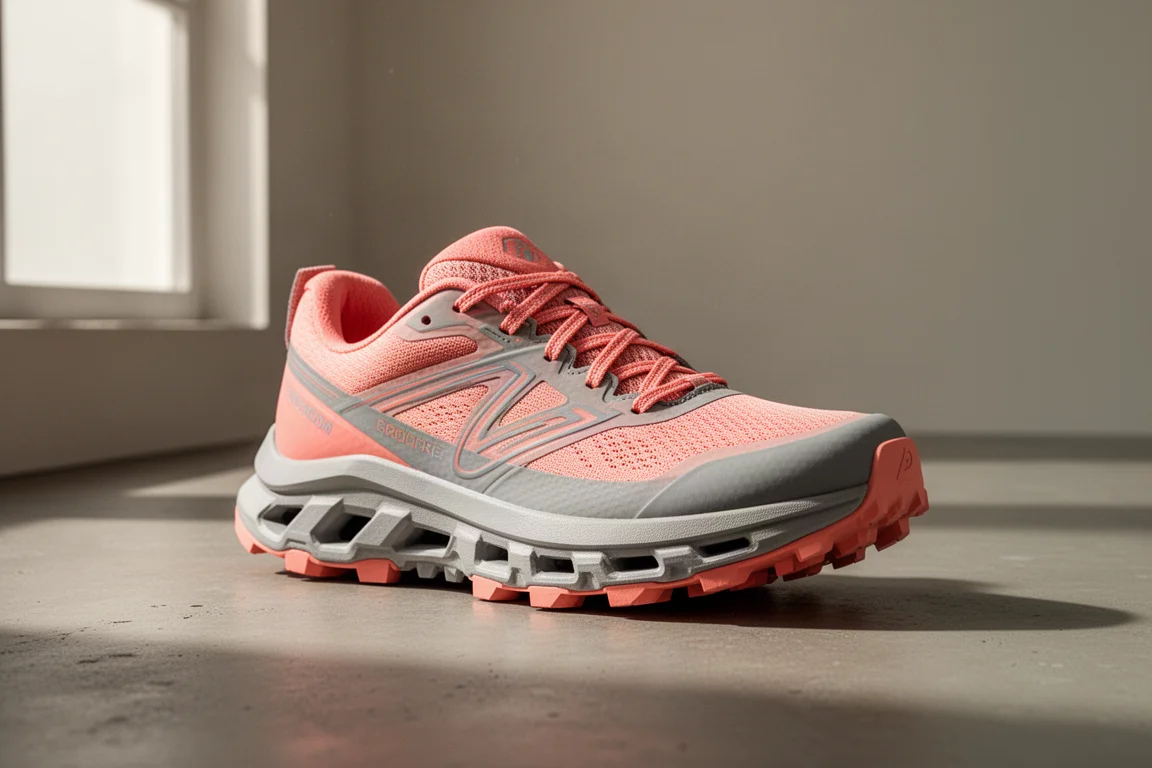
Introduction
The Hoka Challenger ATR 7 slots into a specific niche: a neutral trail running shoe built for runners whose weeks mix pavement and dirt. After testing across a 26-mile run, a 10-mile run, and a 4-mile run, plus roughly 2,500 feet of elevation gain, it earns a 6.7 out of 10. The headline numbers are impressive, including a measured weight of 8.4 ounces despite a substantial midsole stack, but durability concerns hold the overall score back.
Who This Shoe Is For
This is a road-to-trail commuter shoe in the truest sense. Think of the runner who steps out the front door, covers a couple of miles on concrete and pavement, hops onto the trail for five miles, and then runs home. That is exactly where the Challenger ATR 7 is most at home.
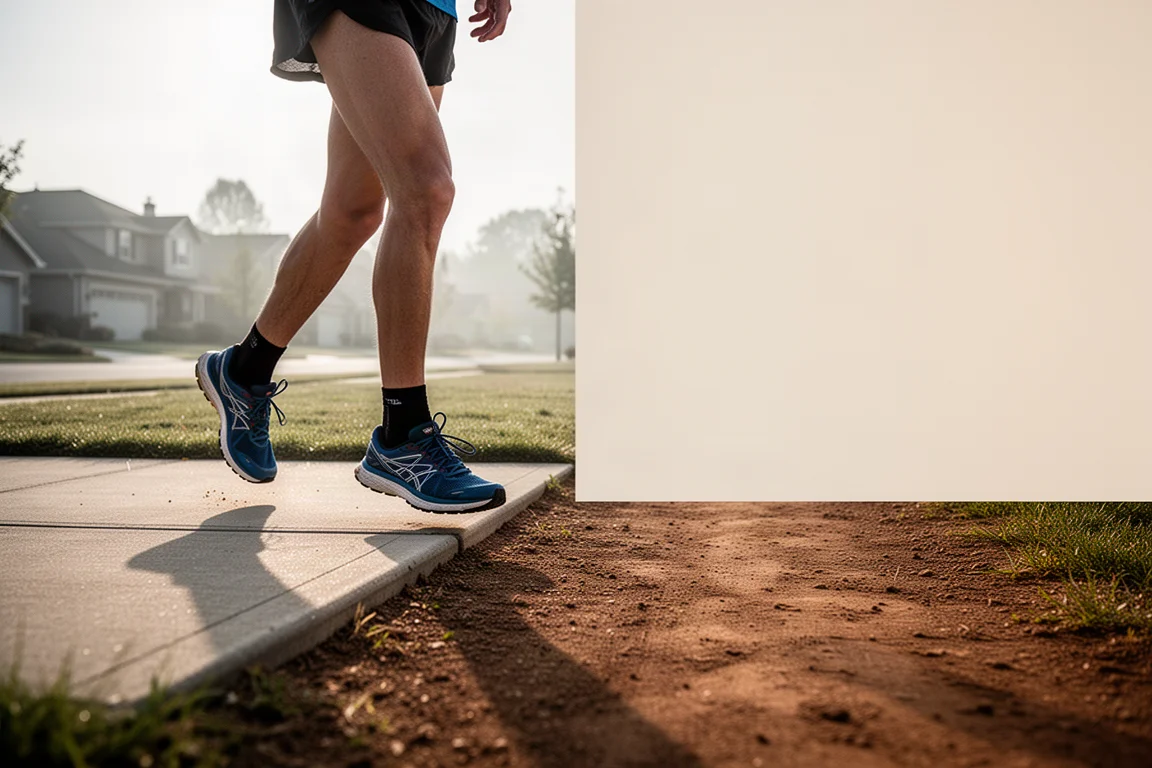
It is equally clear where it does not belong. This is not a shoe for aggressive, technical trails, and it should not be used on icy or slick conditions. The outsole simply is not built for that type of terrain, and confidence dropped noticeably on the trickier sections of trail during testing.
Upper, Fit, and Comfort
The engineered mesh upper has been redesigned for a more plush feel, and it works. It is made from recycled materials and remains fairly breathable, which is worth remembering in cold weather: thicker socks are a smart pairing for winter training in this shoe.
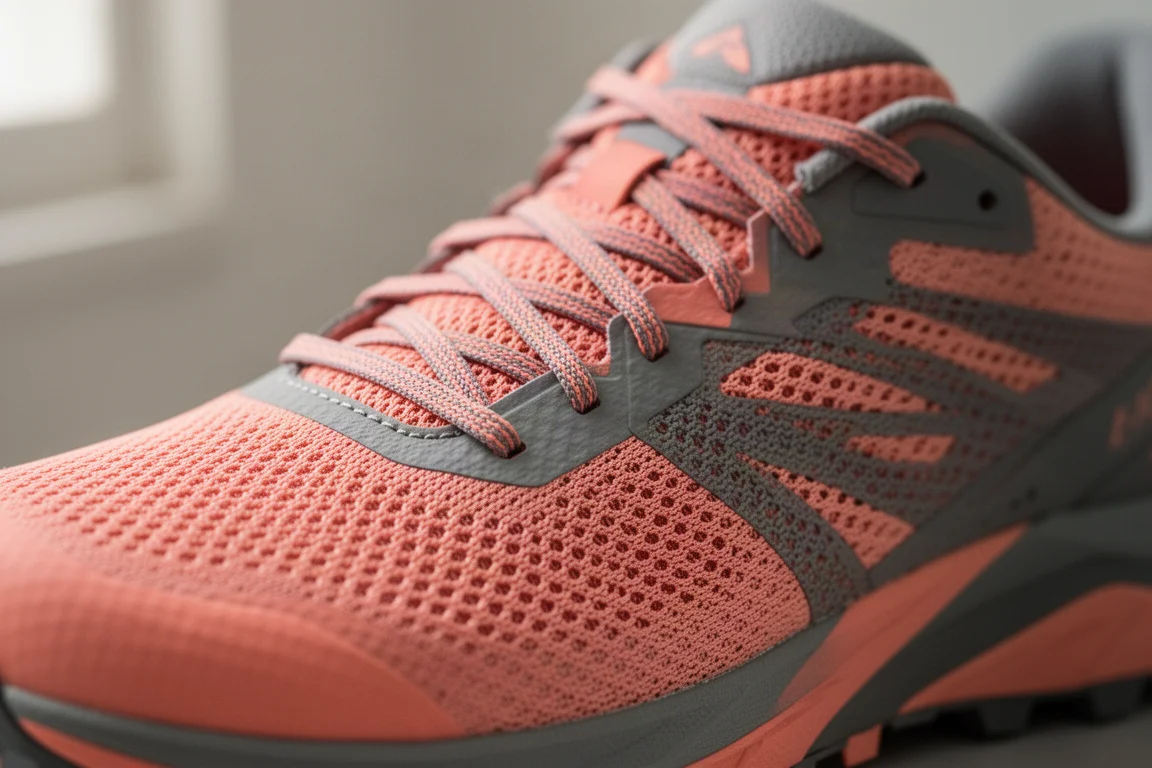
The standout design detail is the heel flare. It hugs the Achilles tendon exceptionally well and flows smoothly into the heel tab, making it the single best design element of the whole shoe. The tongue uses a full gusset, approaching a butterfly-style construction, and the overall fit and comfort score came out standard across the board.
Midsole and Ride
The midsole uses CMEVA foam with a durometer reading that ranged between 38 and 42 during testing, settling around 41 on the medial side and 44 on the lateral side. The thumb test describes it best: soft-ish, but not soft enough to throw the thumb back. Energy return is nothing to write home about, but it gets the job done.
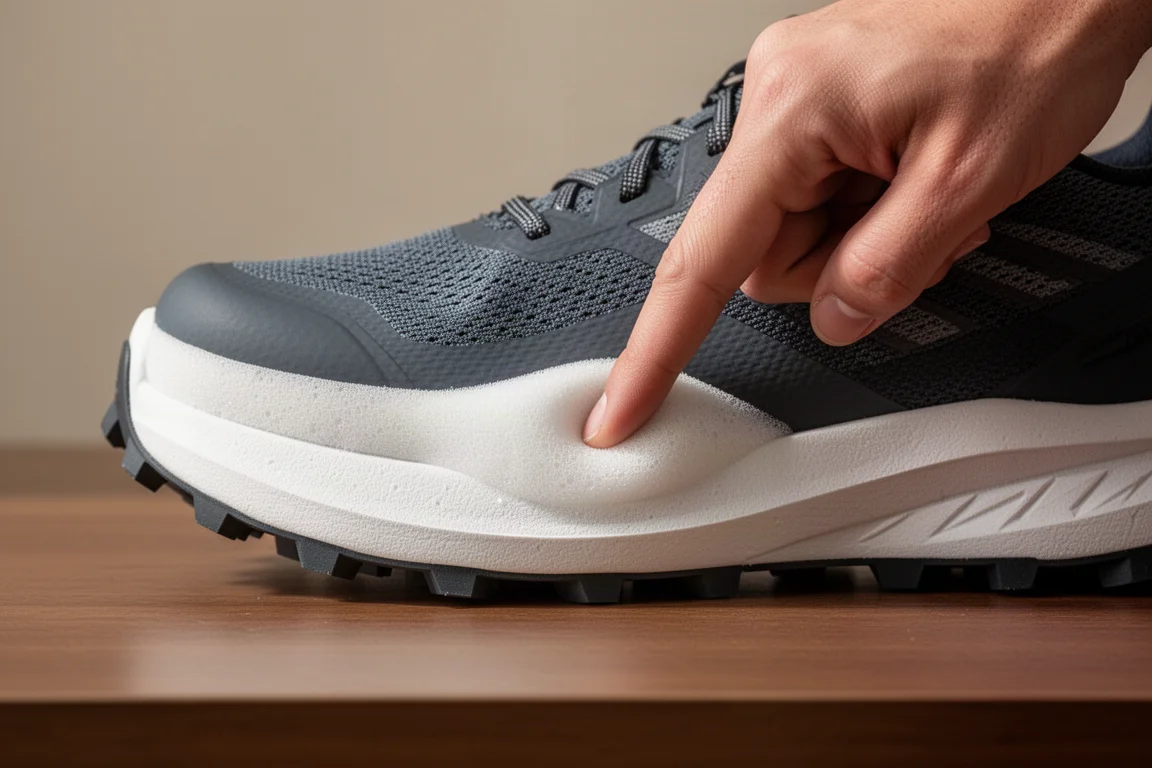
For a stack height this substantial, the 8.4-ounce weight is genuinely impressive, especially next to a heavier max-cushion trail shoe measured at 9.4 ounces on the same scale. The twist test shows the shoe is a neutral trail runner with moderate torsional rigidity: it twists a little, but not much.
Durability and Value
Durability is the main weakness. Signs of breakdown appeared quickly, with the exposed CMEVA on the outsole starting to get chewed up on both lateral and medial sides, plus a smidge of fraying on the toe box. Testing suggests a lifespan of around 300 miles, which is not great, and rocky terrain clearly accelerates the wear.
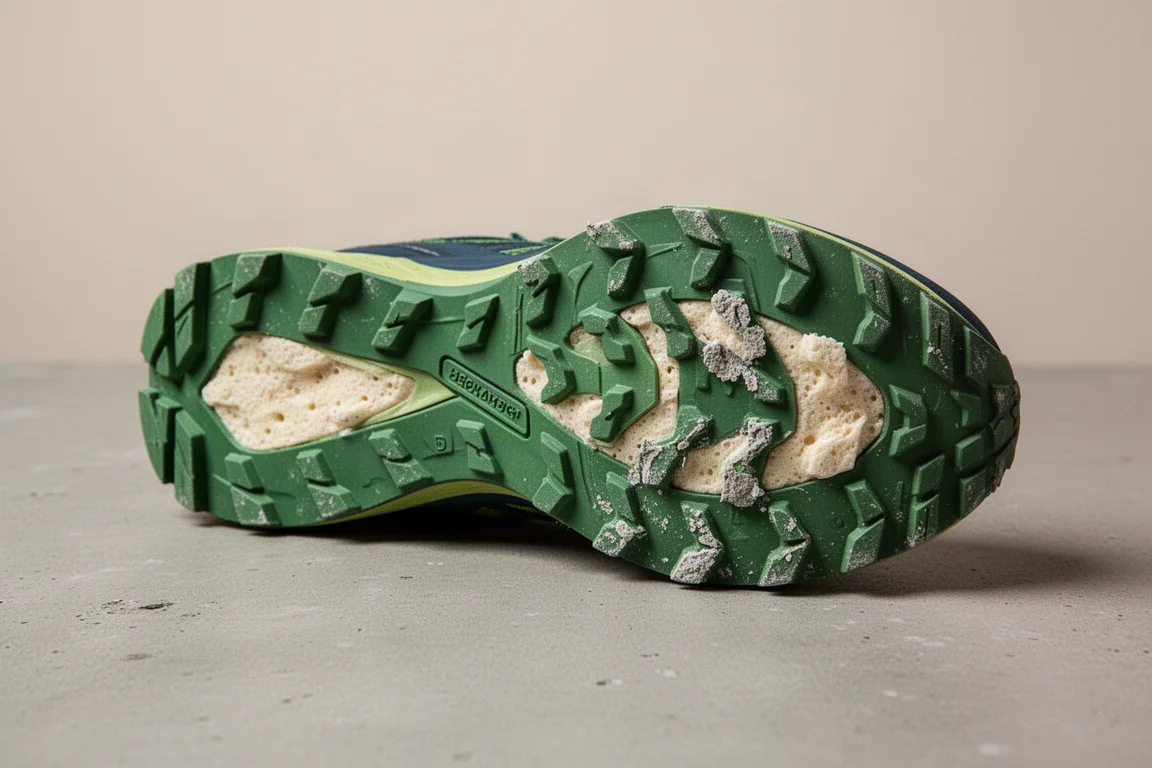
The outsole rubber itself is Durabrasion rubber, and the green rubber sections look great, but the exposed foam is what takes the punishment. At $145, the price is reasonable for a trail shoe, though $135 would feel like a genuinely strong deal. Given the durability picture, the price matters even more.
Buying Advice
Buy the Challenger ATR 7 if your runs genuinely mix road and non-technical trail and you value a light, plush, breathable ride over rugged protection. Skip it if your trails are rocky, aggressive, or slick, where the exposed CMEVA will wear fast and confidence will drop. If you want a more trail-focused alternative, the Inov-8 TrailFly Ultra G 280, the Nike React Pegasus Trail 4 (which scored around 7.8 with a notably more impressive outsole), and the Saucony Peregrine 12 are all worth a look.
Conclusion
The Hoka Challenger ATR 7 is a well-executed commuter trail shoe: light for its stack, plush underfoot, with a genuinely excellent heel design. Its 6.7 out of 10 reflects one clear compromise, outsole durability, so match it to mellow mixed terrain and it should serve you well.
Product link
View more details for Hoka Challenger ATR 7
This product is mentioned in the review. Check the specifications, options, and compatibility before buying.
View more details for Hoka Challenger ATR 7Further reading
Related Reviews
Trail Running Shoes
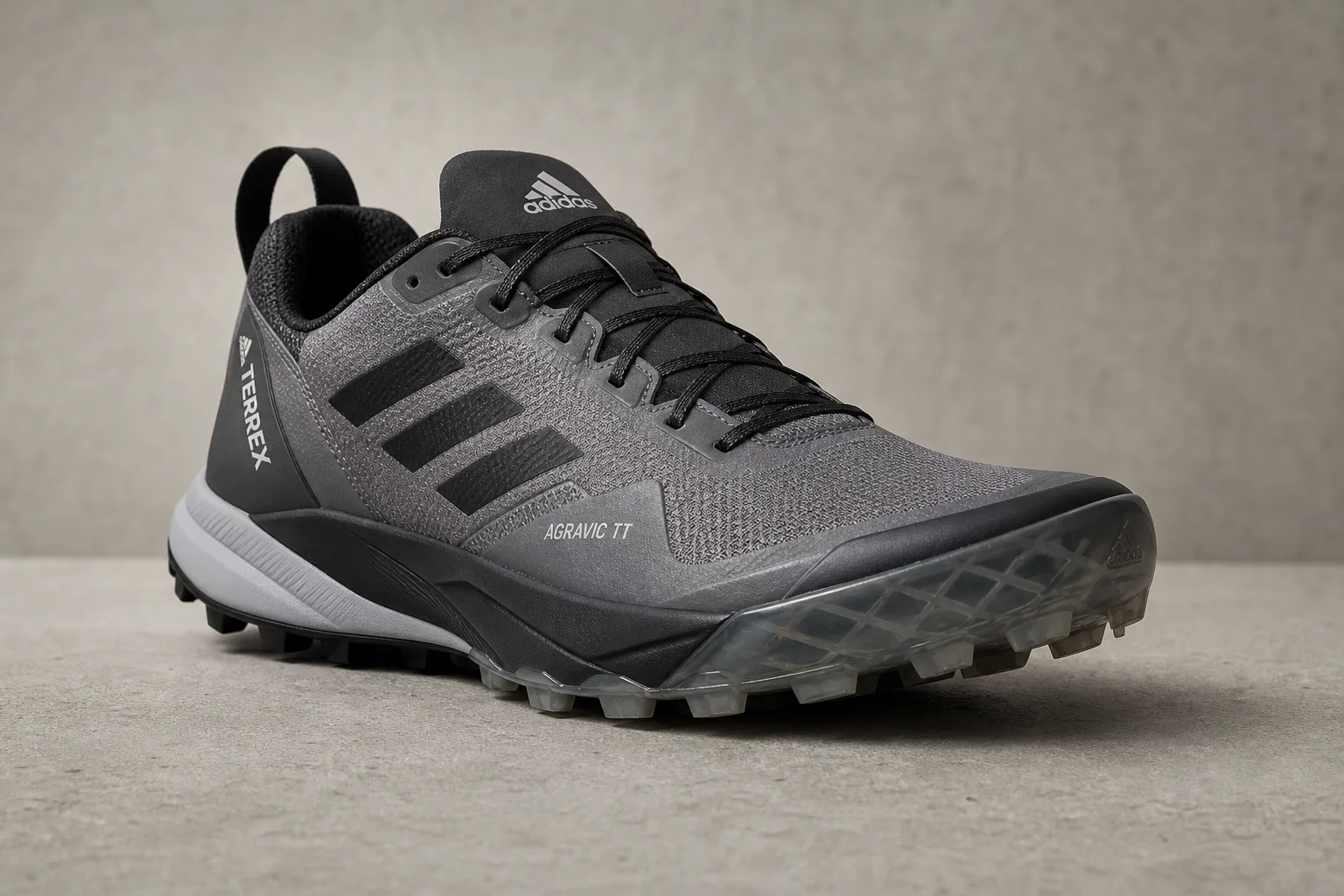
Adidas Terrex Agravic TT Review: A Technical Trail Shoe Built for Rocky Terrain
The Adidas Terrex Agravic TT combines a full-coverage rock plate with a firmer midsole to deliver protection and stability on technical, rocky trails. A capable choice for runners who prioritize underfoot defense over lightweight cushioning.
Trail Running Shoes
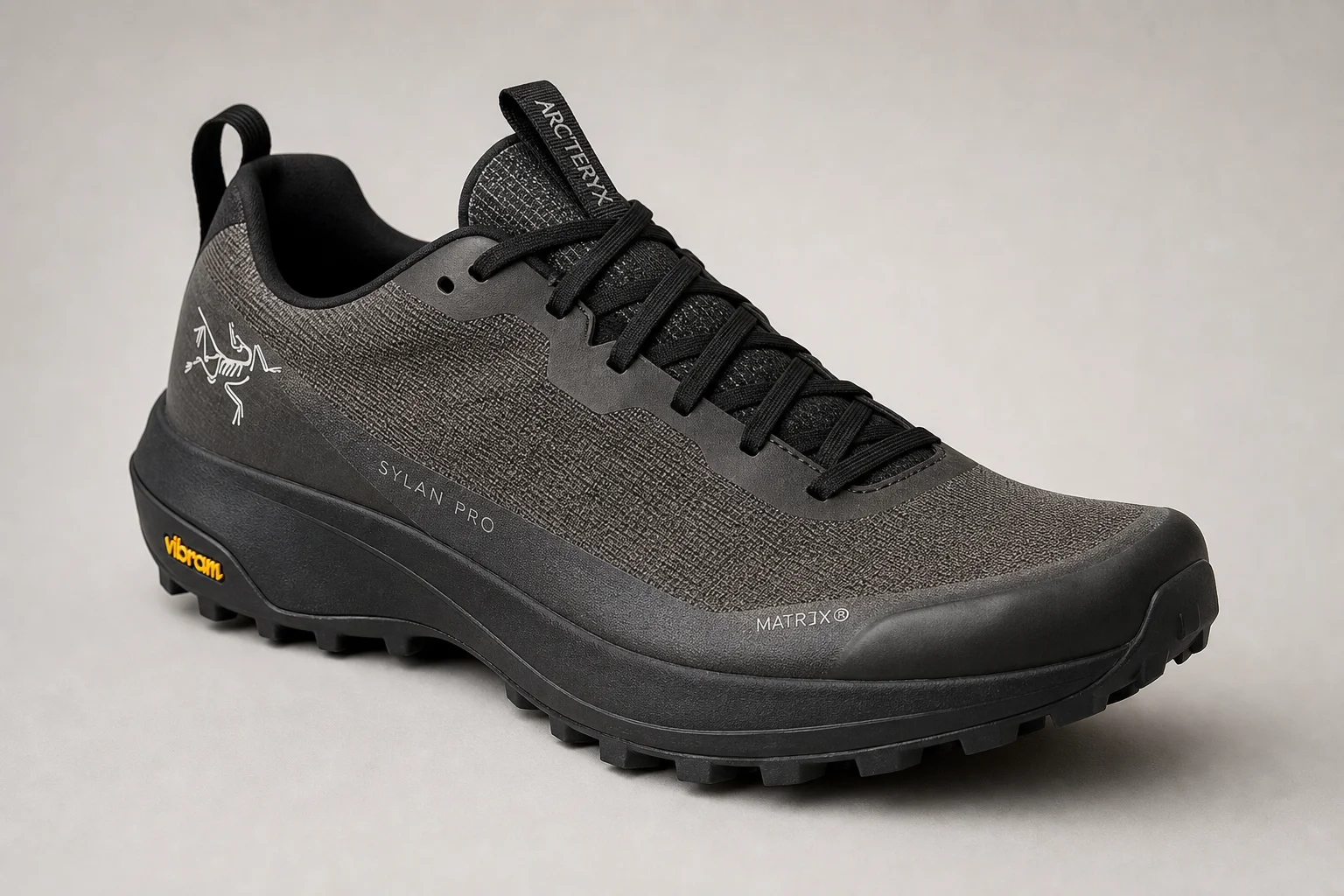
Arc'teryx Sylan Pro Review: A Rocker-Focused Mountain Running Shoe Tested on 20 Miles
The Arc'teryx Sylan Pro brings a pronounced rocker geometry and secure fit to mountain terrain. We tested it on a 20-mile Sawtooth loop to evaluate its climbing efficiency, protection, and handling of technical descents.
Trail Running Shoes
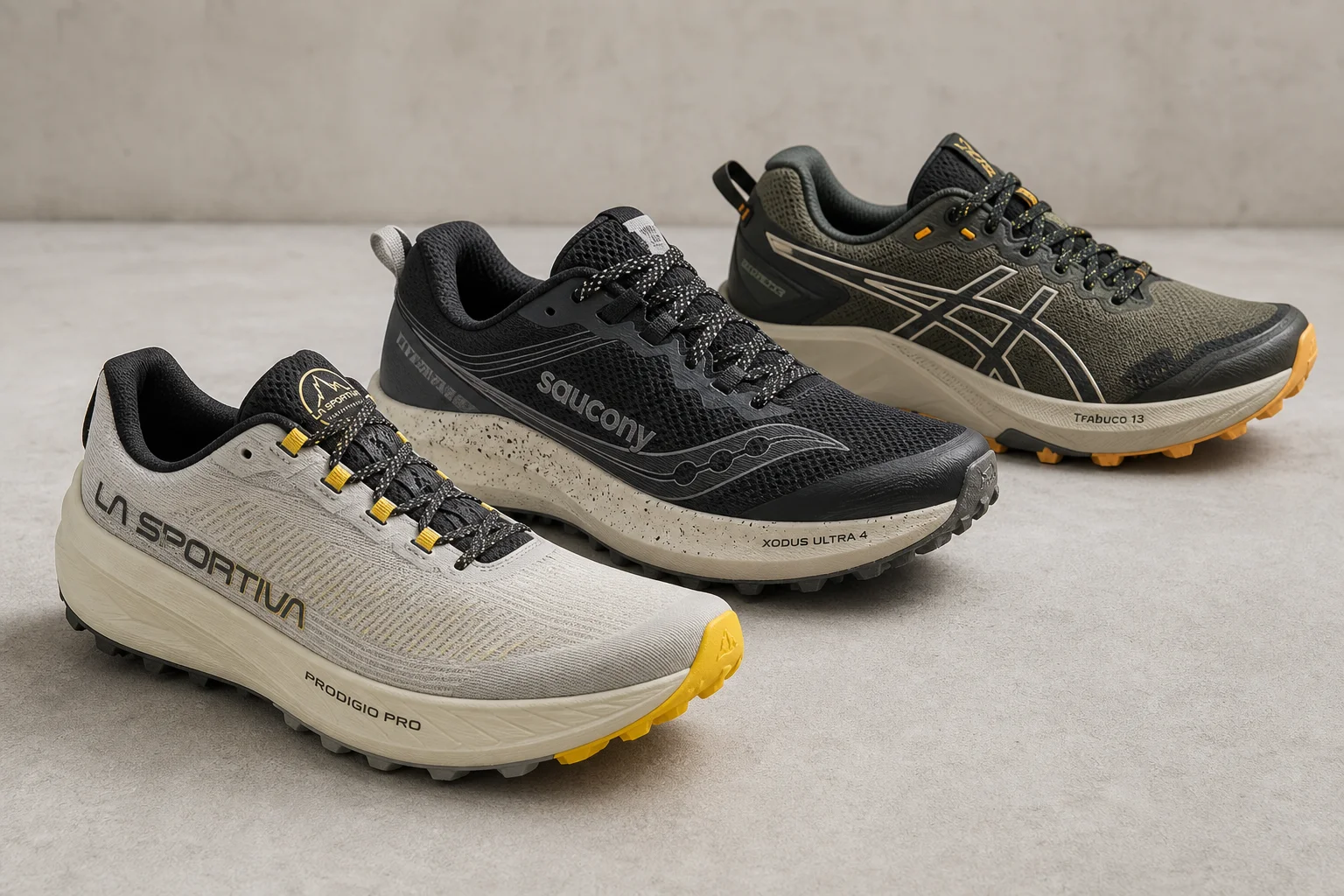
Best All-Mountain Trail Running Shoes: Three Versatile Options for Any Trail
A focused roundup of three all-mountain trail running shoes that handle technical terrain, long distances, and variable conditions with real strengths and practical trade-offs.