Trail Running Shoes
Hoka Challenger ATR 7 GTX Review: A Wet-Weather Trail Specialist
Hoka's Challenger ATR 7 GTX is not the trail Clifton, but with a waterproof Gore-Tex upper and confident lugs it earns its place in messy, cold conditions.
Introduction
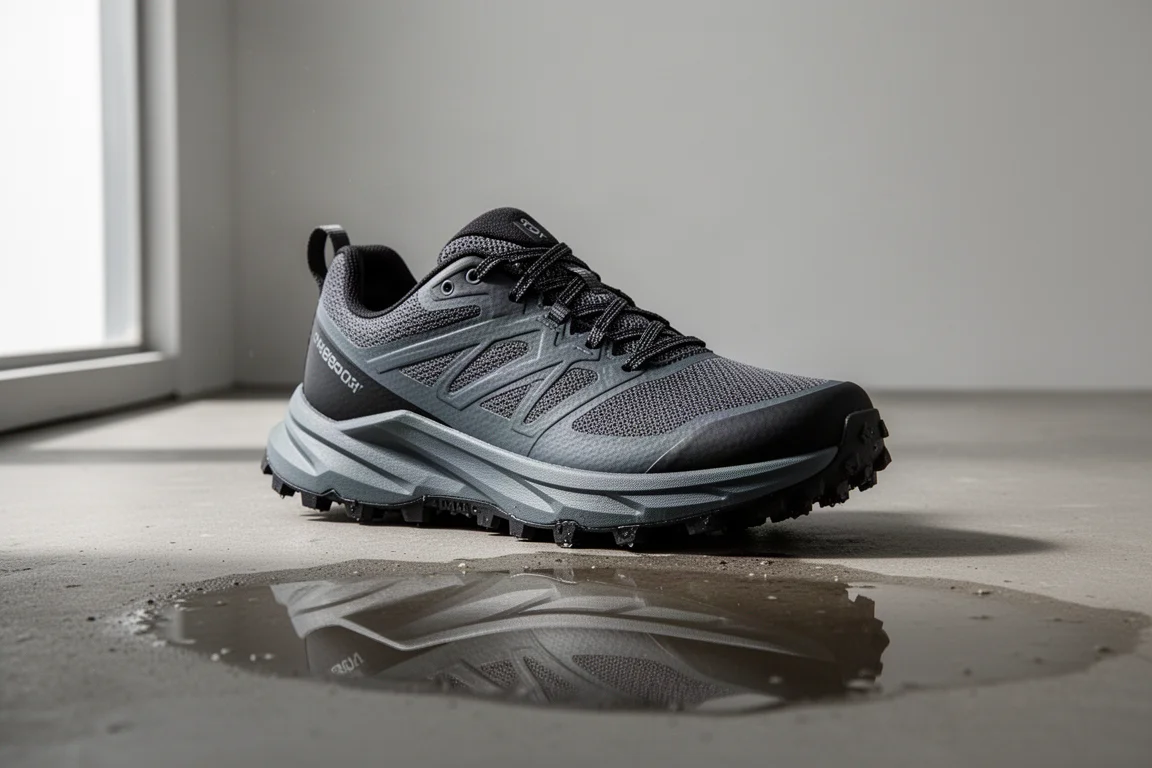
Hoka keeps positioning the Challenger ATR as the trail version of the Clifton. In this seventh version, that still is not exactly true. What the Challenger ATR 7 GTX turns out to be, though, is something arguably more interesting: a situationally brilliant waterproof trail shoe that comes alive exactly when conditions turn messy.
The star of the show is the Gore-Tex upper, which delivers strong protection from water and the elements. Pair that with stiff, aggressive lugs and a locked-in fit, and you get a shoe that feels mediocre on dry pavement but genuinely confidence-inspiring in snow, mud, and slush.
Specs at a Glance
The Challenger ATR 7 GTX uses a 5 mm heel drop with 4 mm lugs. Men get a 31 mm heel and 26 mm forefoot, while women get 29 mm and 24 mm, a 2 mm lower total stack with the same drop. The midsole is compression-molded EVA and the outsole is Durabrasion rubber, which Hoka positions as a durability-focused compound.

The upper gets a waterproof Gore-Tex membrane, a cap on the front of the shoe, a slightly padded tongue, and a decent amount of padding around the Achilles flare at the heel. There is a small pull tab at the back, but no native gaiter attachments. Weight sits at 9.7 oz (275 g), which lands right in the middle: not heavy, not light. It is worth noting the GTX version costs you 0.8 oz over the non-GTX counterpart, so weatherproofing does carry a small weight penalty.
On the Trail: Where It Shines
The honest first impression is that this is not a Clifton. Compared with the springy, nimble feel of the Clifton 9’s newer compression-molded EVA, the midsole here reads as blocky, almost boot-like. The Durabrasion outsole and stiff, soccer-cleat-like lugs contribute to that feeling, and on pavement it is not enjoyable. As a pure road-to-trail commuter shoe, it is not the most natural pick.
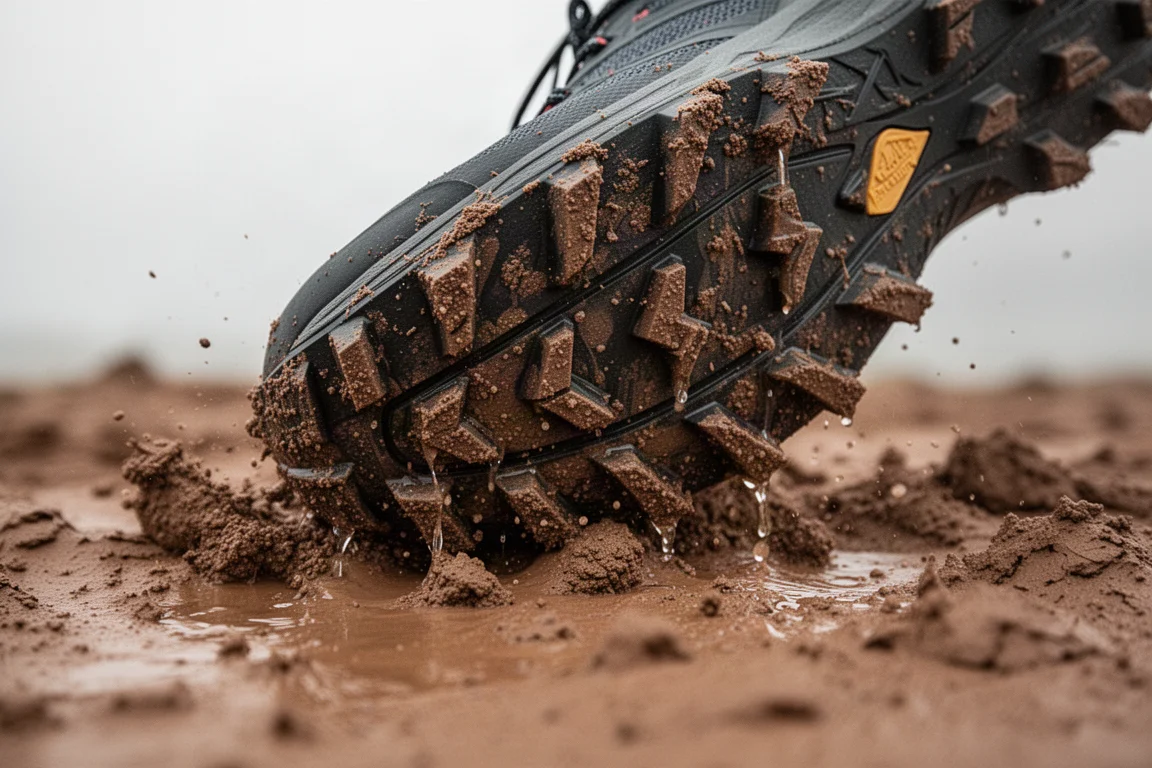
Where everything changes is when footing gets less secure. On wet, slippery, slushy, or mushy ground, those stiff lugs become teeth that dig into the earth and give you something sure-footed to push off. The relatively stiff upper, a drawback on dry trails, becomes a benefit in sloppy conditions because it keeps your foot locked in place even when the ground beneath you is moving.
Comfort and Fit Details
One standout detail is the heel. Many stiff, protection-first trail shoes dig into the sides of the ankles to the point of chafing. The Challenger ATR 7 GTX does not. The padding around the heel cup is comfortable, well-judged, and keeps the foot secure without irritation.
There is one trade-off. The Achilles flare leaves a fairly wide opening at the back of the shoe, and loose material thrown up from behind or running down the leg can slip in through that gap. Any wetness experienced there was not the Gore-Tex failing, just the generous collar opening letting debris and moisture past it.
High-Altitude and Winter Testing
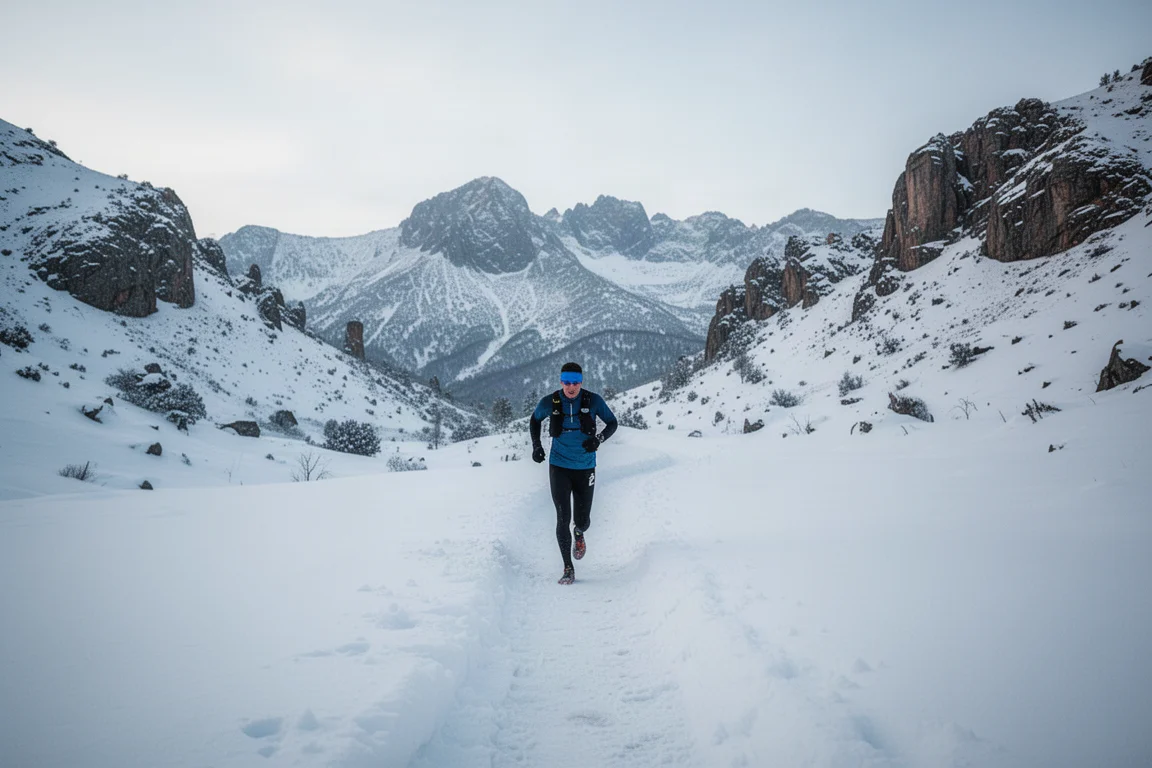
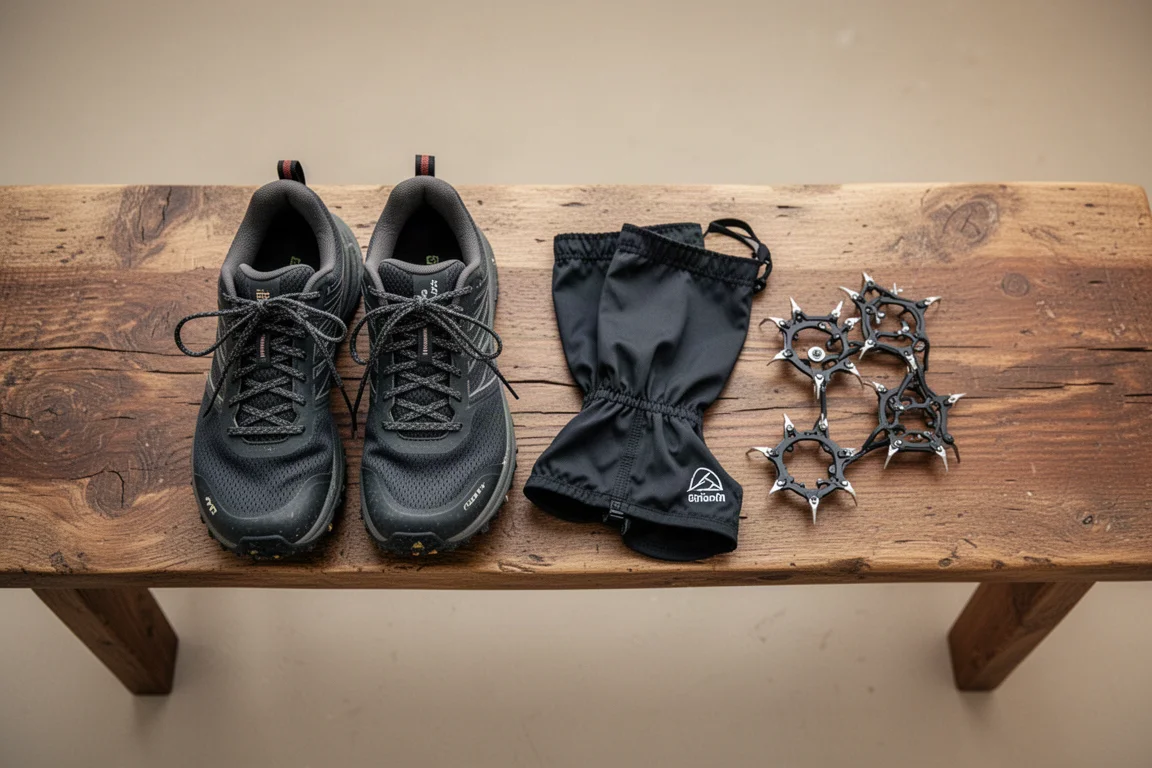
A trail and ultra runner based in the Colorado Springs area put the shoe through genuinely harsh conditions, taking it as high as about 11,000 ft in knee-deep snow. The verdict there was emphatic: the Gore-Tex works well, feet stayed dry, and it quickly became a favorite winter running combination when paired with gaiters and, on icy days, microspikes.
Interestingly, that same runner had a more forgiving view of the road-to-trail commuter question. Running about two miles on road to reach a three-to-four-mile trail loop, the grip was found adequate for almost any trail and the shoe comfortable enough on tarmac. This is a case where two testers simply disagree: if your routes lean heavily on pavement, temper your expectations; if they lean toward wet, cold trails, the shoe earns its keep.
Building a Trail Rotation
For runners planning a dedicated trail rotation, a natural pairing suggested alongside this shoe is the Hoka Mafate Speed 4. With its Vibram outsole, it was recommended for anything over a 50K distance, including 100-mile racing, and it has been race-tested over a 48-hour event. It retails at $185, so it costs a bit more, but for long, technical trail days it comes strongly recommended.
Pricing and Alternatives
The Challenger ATR 7 GTX retails at $160, which initially felt a little high. The main alternative worth considering is the Saucony Ride 15 TR, which has a Gore-Tex version at the same $160 price point. The standard Ride 15 TR was described as very similar in ride and feel to the Challenger ATR 7, so the GTX version is a reasonable cross-brand comparison at an identical price.
At that price point, the waterproof trail shoe category is competitive, and the Challenger ATR 7 GTX has to be chosen for what it does best: messy, cold, wet conditions where dry feet and sure footing matter more than a lively ride.
Conclusion
The Hoka Challenger ATR 7 GTX is a situationally dependent shoe, and knowing that is the key to buying it well. On dry roads and packed trails it feels stiff and blocky, and it is not the Clifton of the trail no matter how Hoka frames it. But when the weather turns ugly, it becomes one of the most confidence-inspiring options available: waterproof, locked in, with lugs that genuinely bite into snow and mud, and a heel collar that stays comfortable without chafing. If your winter and wet-season runs happen on genuinely sloppy terrain, this is a shoe worth reaching for. If most of your miles are dry and paved, look elsewhere.
Product link
View more details for Hoka Challenger ATR 7 GTX
This product is mentioned in the review. Check the specifications, options, and compatibility before buying.
View more details for Hoka Challenger ATR 7 GTXFurther reading
Related Reviews
Trail Running Shoes
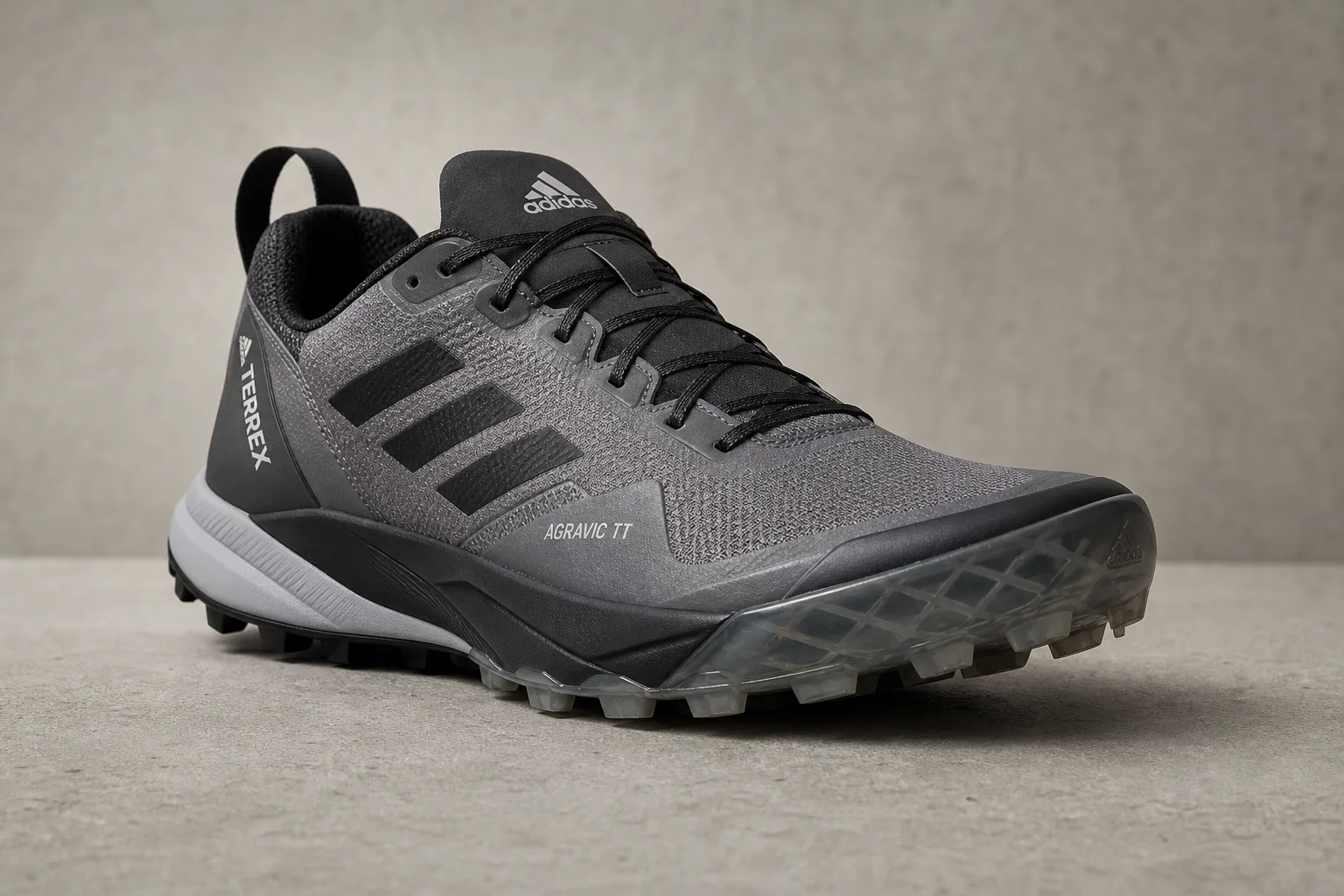
Adidas Terrex Agravic TT Review: A Technical Trail Shoe Built for Rocky Terrain
The Adidas Terrex Agravic TT combines a full-coverage rock plate with a firmer midsole to deliver protection and stability on technical, rocky trails. A capable choice for runners who prioritize underfoot defense over lightweight cushioning.
Trail Running Shoes
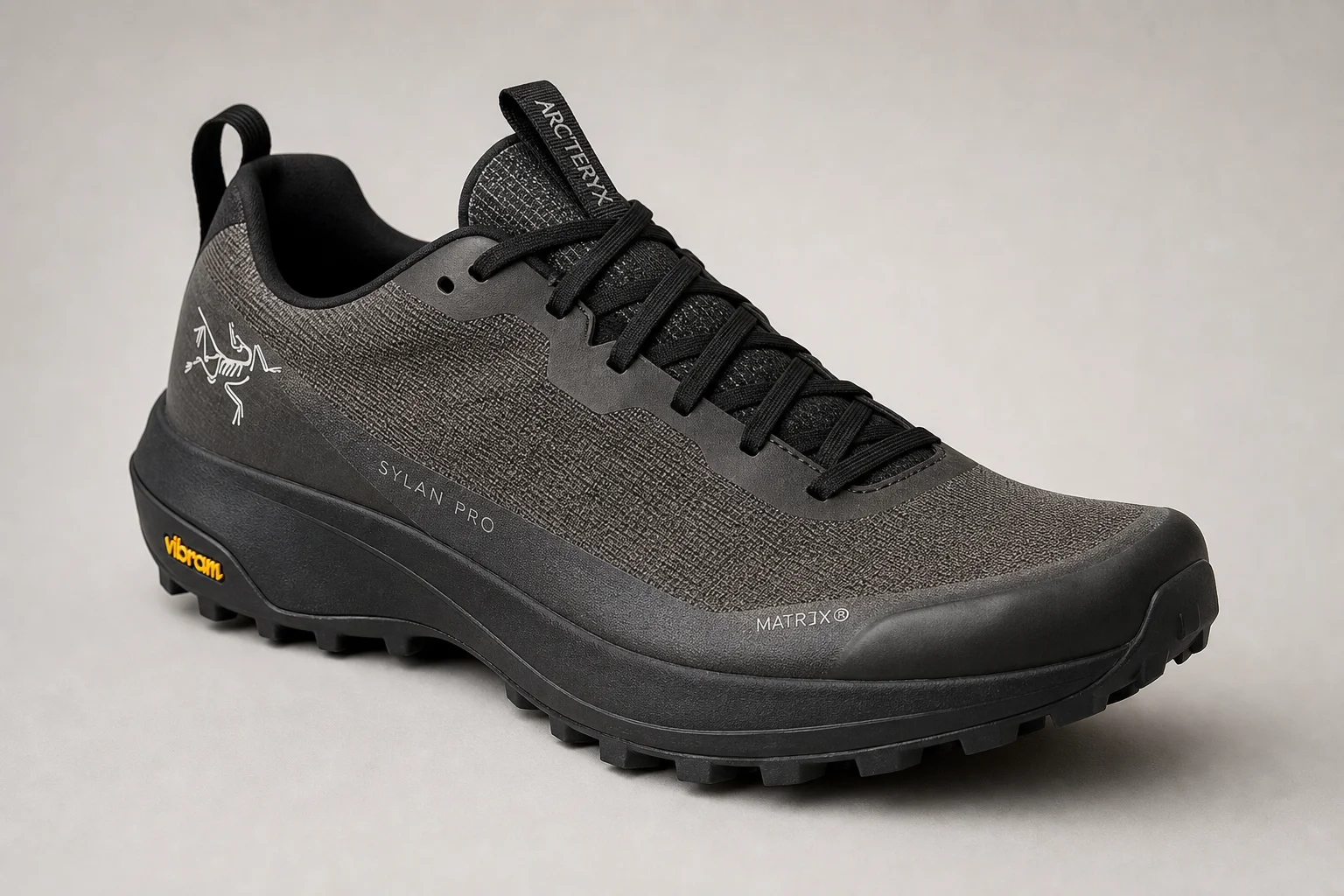
Arc'teryx Sylan Pro Review: A Rocker-Focused Mountain Running Shoe Tested on 20 Miles
The Arc'teryx Sylan Pro brings a pronounced rocker geometry and secure fit to mountain terrain. We tested it on a 20-mile Sawtooth loop to evaluate its climbing efficiency, protection, and handling of technical descents.
Trail Running Shoes
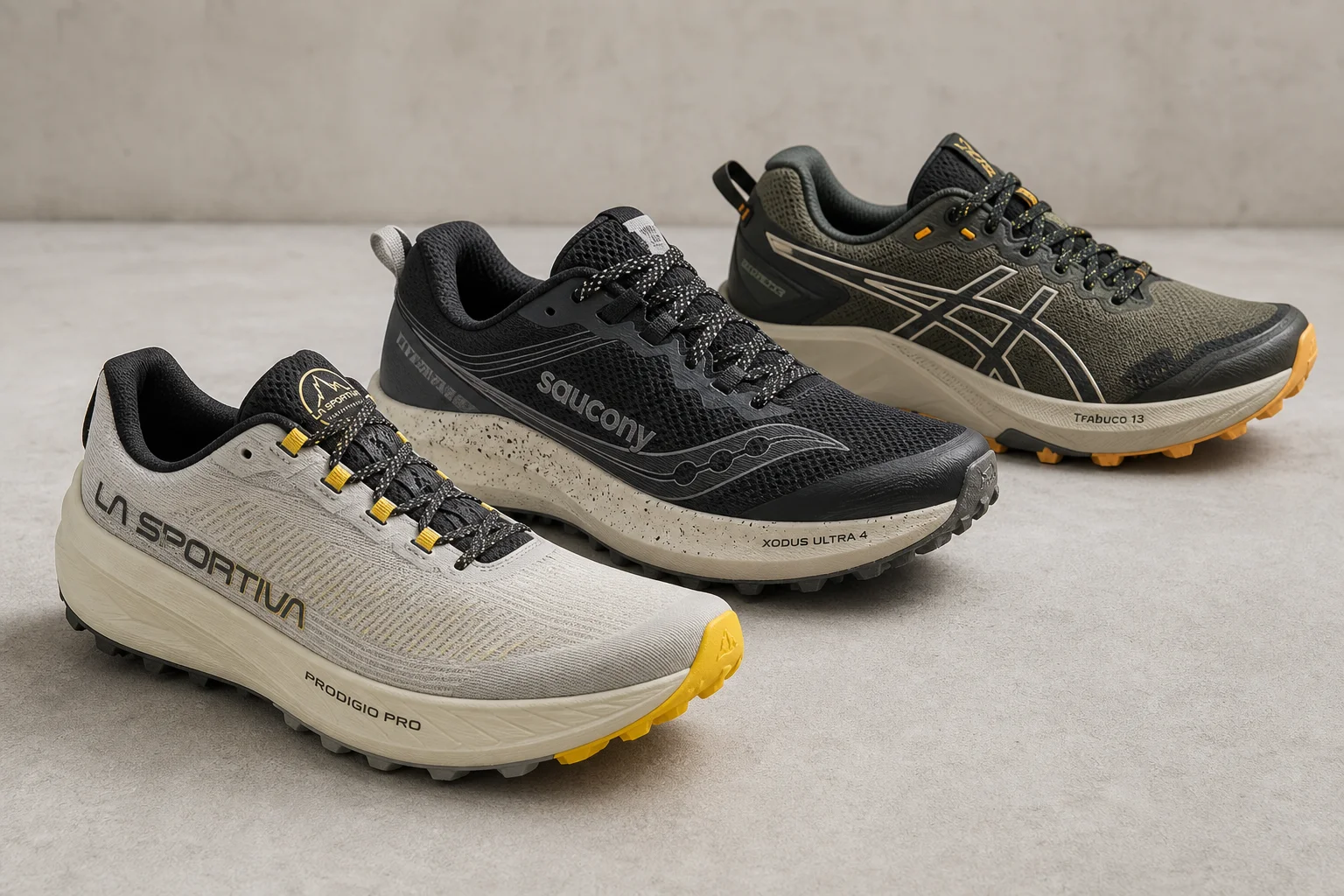
Best All-Mountain Trail Running Shoes: Three Versatile Options for Any Trail
A focused roundup of three all-mountain trail running shoes that handle technical terrain, long distances, and variable conditions with real strengths and practical trade-offs.