Running Shoes
Hoka Arahi 8 Review: A Surprisingly Enjoyable Stability Daily Trainer
The Hoka Arahi 8 trades the firmer, blockier feel of its predecessor for a softer, smoother ride, with a new H frame and an 8mm drop. Here is how it performs.
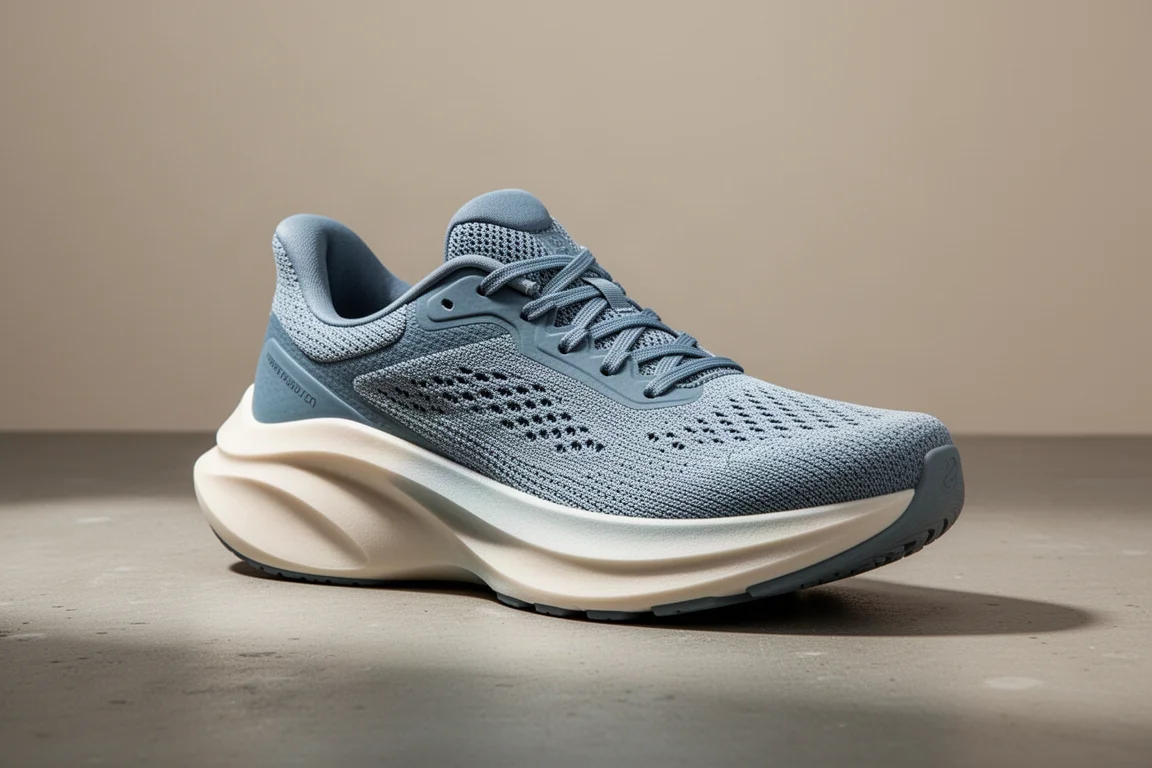
Introduction
The Hoka Arahi line sits in the lineup as the stability counterpart to the Clifton, sharing a lot of materials and geometry while adding elements that make it more supportive. The Arahi 8 is a fairly big update, with changes to the midsole, the drop, and a few other features, and it comes in slightly lighter than the previous model.
Price is £140 or $150, and weight is 270g (9.5 oz) in a UK 9, which is a US 9.5. On paper, this looks like a pretty standard stability shoe. In practice, it turned out to be one of the more pleasant surprises in recent daily trainer testing: smooth, comfortable, and more versatile than expected.
Who This Shoe Is For
This is a shoe for runners who want stability, cushioning, and comfort in one reliable package without extra weight or sluggishness. Runners who need a supportive daily trainer will find a lot to like here, and neutral runners who want a bit of extra guidance, especially during marathon training, can also consider it. On easy recovery days, when softer, squishier shoes roll you around, a shoe like this can be a welcome change.
It could also work as a beginner shoe, or as a one-shoe rotation option for general fitness training and casual cardio runs. If you want a workhorse that can eat a whole load of miles, this fits the brief.

Midsole and Stability: The H Frame
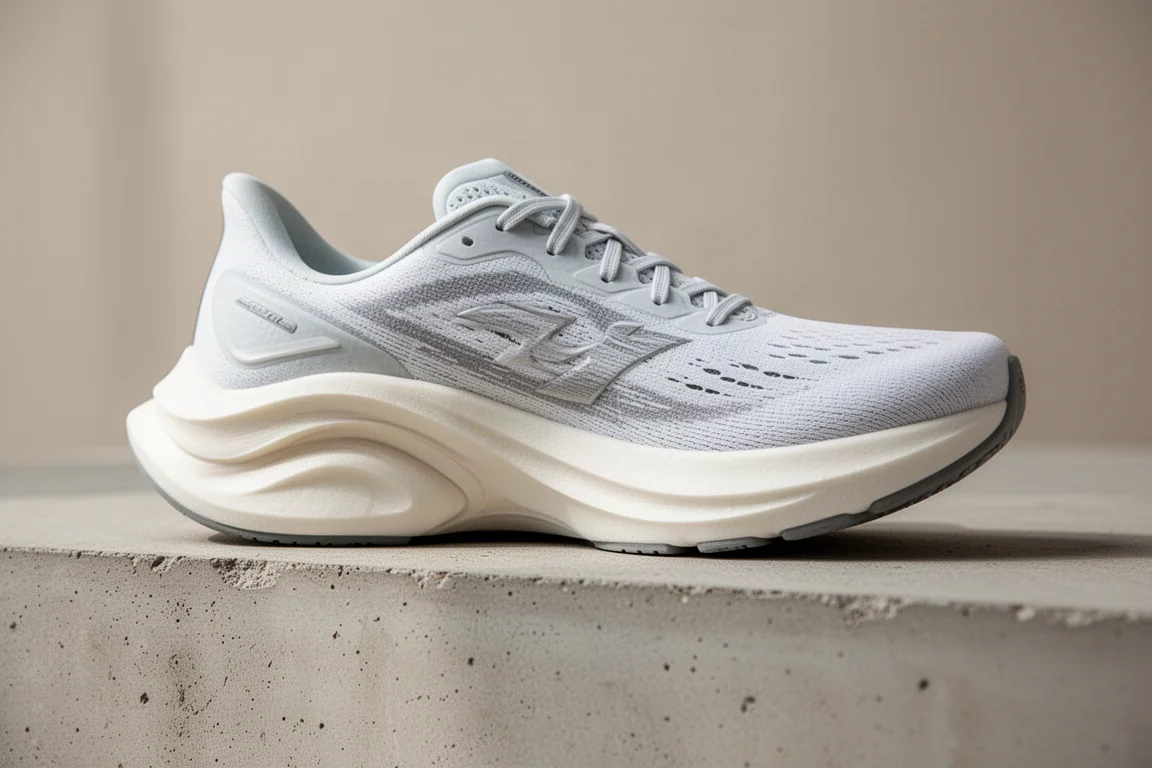
The midsole uses dual-density compression molded EVA. You are not getting the latest supercritical foams found in some other shoes in the Hoka range, but this compression molded EVA is pretty soft and well balanced. What makes the Arahi especially stable is the H frame: added firmness and structure along both sides of the shoe, guiding the foot into a neutral position. This replaces the J frame of previous versions, which mostly supported the medial side, and mirrors a broader trend toward dual-side support similar to guide rails from other brands.
Alongside the frame, you get the side walls of foam that your foot sits within, a fairly standard feature across Hoka shoes. The combination of dual density, the H frame, and the rocker geometry produces a ride that feels smooth, balanced, and stable rather than bouncy or squishy.
Upper and Outsole
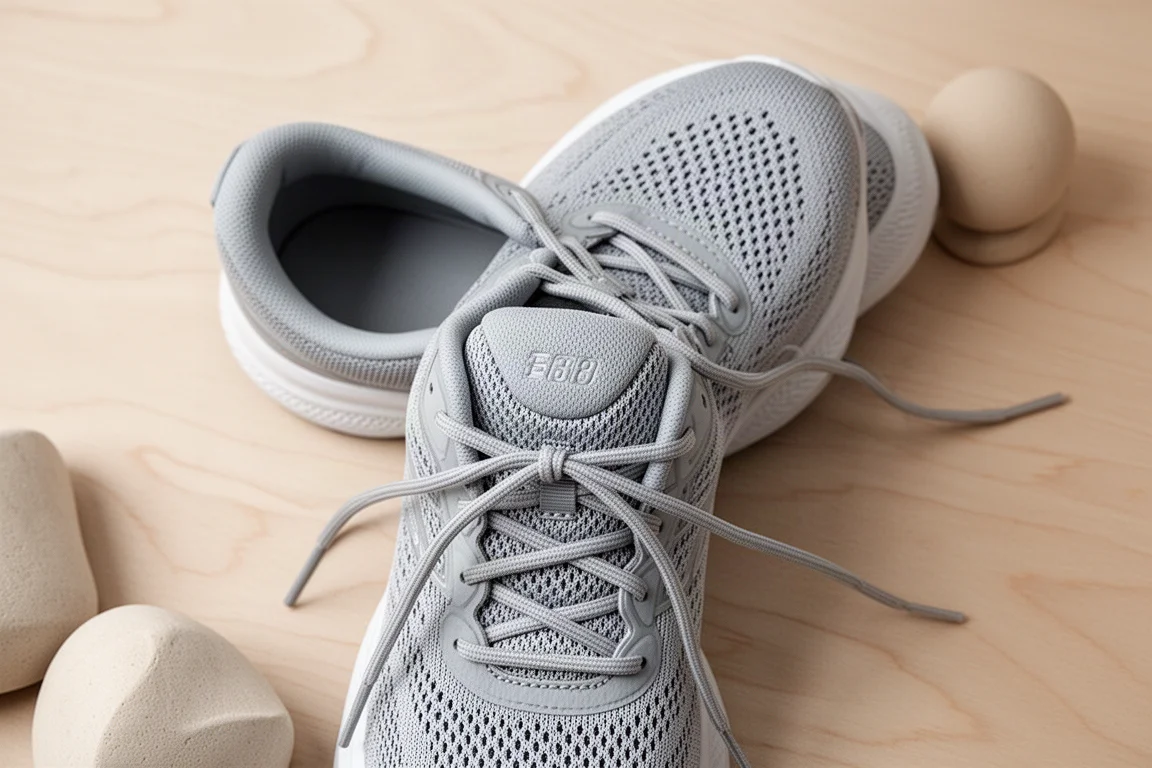
The upper is a double jacquard mesh with a well-padded tongue and a good amount of padding around the collar. An internal heel counter provides structure at the back, with a flexible kickback that supports the Achilles without digging in. The outsole is super abrasion rubber with a podular design, offering good coverage on the heel and forefoot, with only some exposed areas. Grip and traction held up fine on roads and pavements, and the shoe should handle a good amount of mileage, plus lighter trail work.
Fit and Comfort
The fit of the Arahi 8 is uncharacteristically roomy for Hoka. Many Hoka shoes run a little narrow, but this one goes against the grain with a relaxed, spacious feel, ample toe box space, and a good opening in the midfoot. It is very comfortable straight out of the box, with no irritation at the heel and good lockdown across the midfoot.
The advice is to stick true to size. Runners with narrow feet should be happy with the standard fit, while those with slightly wider feet may want to look at the wider width options.
Run Test and Verdict
Across testing that included easy runs, progression runs, and a 30km long run, the Arahi 8 was consistently enjoyable. The support from the H frame is there but never intrusive, the foam is soft without being squishy, and the rocker gently rolls you onto your forefoot. At moderate paces it held up well, and while it is not built for hard track intervals, it handles faster running about as well as other well-regarded cushioned daily trainers.
Its light weight is a genuine differentiator: it is a lot lighter than comparable stability shoes such as heavier, more cushioned stability options on the market, and that lightness helps with pickup and turnover while keeping a fairly wide, stable base.

Compared with other stability shoes, the Arahi 8 feels a little lighter than a similarly cushioned competitor, is much less blocky and heavy feeling, and offers more natural guidance than firmer, more aggressively stable shoes. It also edges out its neutral sibling, the Clifton 10, in terms of running enjoyment for testers, which says a lot about how the stability and neutral categories are merging.
Buying Advice
If you are a runner who needs stability, this is arguably the pick of the current crop: you can get a slightly softer ride elsewhere, but those alternatives are heavier and less versatile. If you loved the firmer, blockier platform of the Arahi 7, be aware this version is noticeably softer, so it may not suit you the same way.
At a competitive price for what it offers, the Arahi 8 is worth a look if you want a comfortable, balanced, smooth-rolling daily trainer that can do a bit of everything.
Conclusion
The Hoka Arahi 8 is a surprise hit: not outlandishly versatile or exceptional on paper, but simply a very good, effortless shoe to run in. It supports you without being intrusive, rolls smoothly, and keeps you coming back for mile after mile. For stability-shoe users, and even some neutral runners, it deserves a spot on the shortlist.
Product link
View more details for Hoka Arahi 8
This product is mentioned in the review. Check the specifications, options, and compatibility before buying.
View more details for Hoka Arahi 8Further reading
Related Reviews

Running Shoes
Best Road-to-Trail Running Shoes: Three Versatile Options for Mixed Terrain
A practical guide to three road-to-trail running shoes that handle both pavement and mild trails, with clear strengths and trade-offs for different runner types.

Running Shoes
Best Running Shoes for Achilles Tendonitis: Three Options Explained
Three running shoes with different heel drops and support features designed to help reduce Achilles tendon pain during walking and running.

Running Shoes
Best Running Shoes for Women: Five Top Choices Ranked
A ranked guide to five women's running shoes, from versatile daily trainers to high-performance racing options, with real strengths and trade-offs for each.