Running Shoes
Hoka Arahi 8 Review: 100 Miles With Hoka's Lightest Stability Trainer
A long-term look at the Hoka Arahi 8 after 100 miles, covering the new H frame, softer EVA midsole, clunky heel transition, and who this shoe actually suits.
Introduction
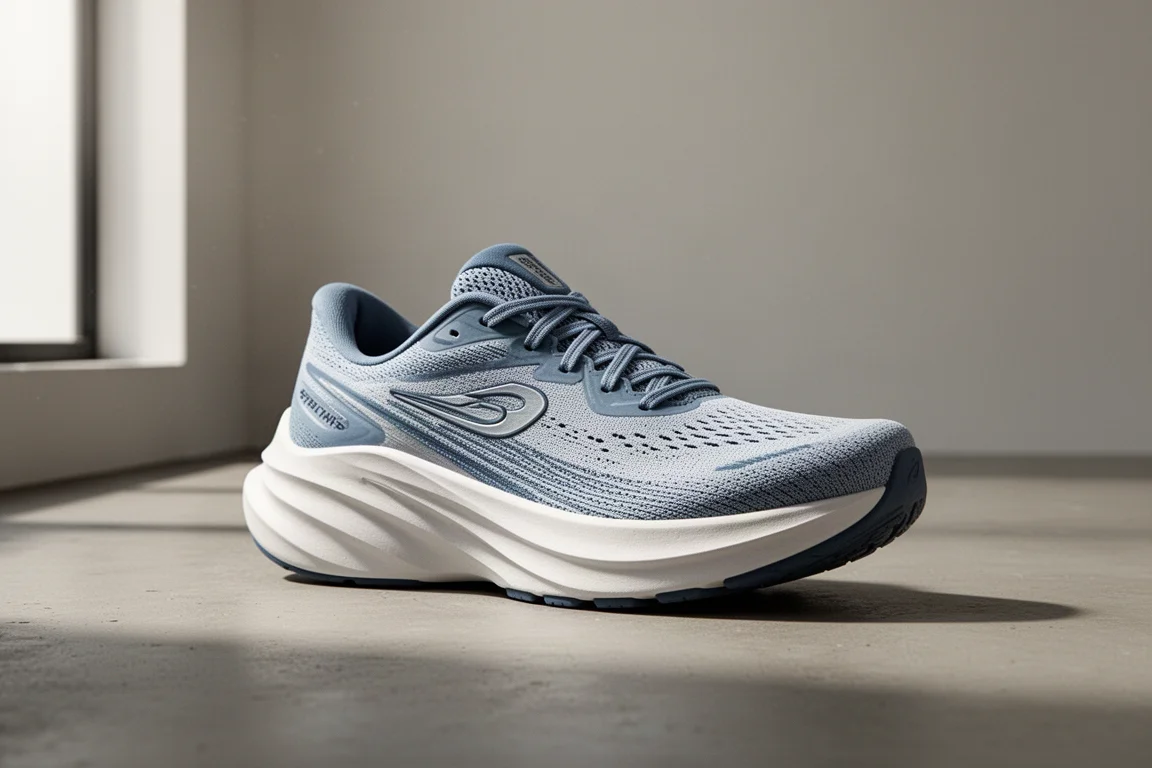
The Hoka Arahi 8 is Hoka’s moderate stability daily trainer, and version 8 brings a long list of changes: a taller stack, a new 8mm heel drop, a softer EVA midsole, and a new H frame replacing the older J frame. This review is based on 100 miles of running and walking, long enough to judge how the shoe holds up, how the midsole ages, and whether the changes actually work.
The short version: there are real upgrades here, especially the fit and the full-length stability structure, but the heel transition and the lack of responsiveness hold it back. Who this shoe is for matters a lot, because it behaves very differently depending on how you land.
Specs and Key Changes
In a men’s size 10, the Arahi 8 measures 276g (9.7 oz). That makes it the lightest stability shoe available in the United States, which is a meaningful claim in a category where options have thinned out considerably. Some lighter rivals exist overseas, but for most runners in the US and UK, this is the lightest stability option on the shelf.
The stack is also the tallest in this category at 41mm in the heel and 33mm in the forefoot, giving an 8mm drop. That extra drop is noticeable in a good way, particularly if previous versions aggravated your calves. The H frame is the structural headline: instead of a J frame, it thickens the medial side and extends onto the lateral side, running from the heel all the way to the forefoot.
Ride and Midsole Feel
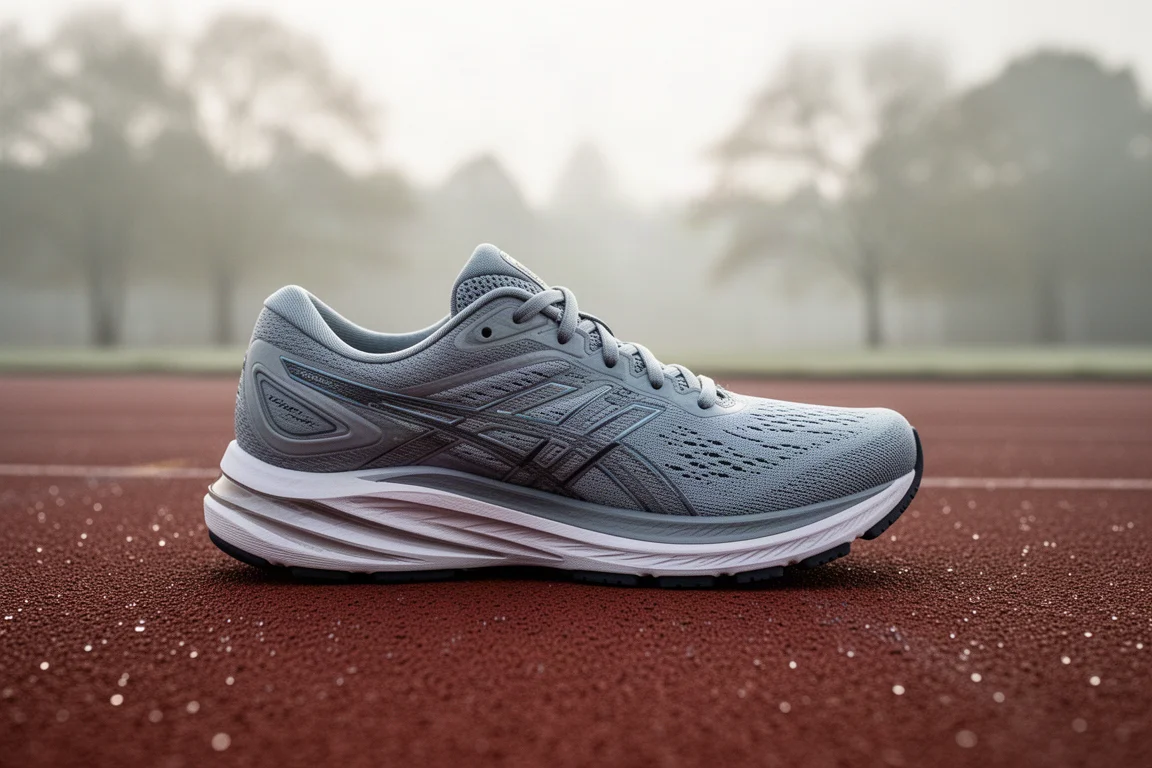
The midsole is still compression-molded EVA, but it is noticeably softer than the firmer Arahi 7. That softness does not come with responsiveness. This is not a fast shoe, and it is not a super foam, but it delivers good shock absorption with a cushioned ride that never quite tips into mushy territory.
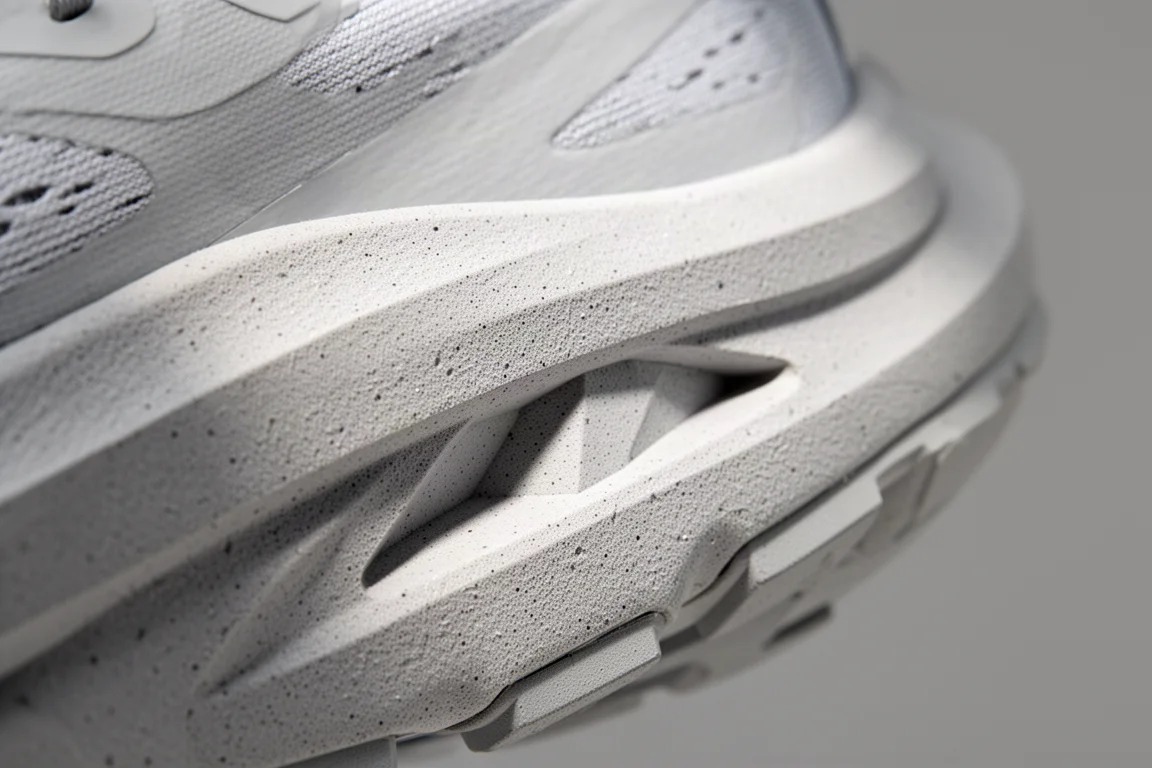
The H frame provides genuine stability through the heel, midfoot, and forefoot, which is rare. Most stability shoes concentrate their support in one zone. If you pronate at the heel, midfoot, or forefoot, the full-length structure works well, and there is lateral support too, making for a very centered, almost stable-neutral feel that still technically acts as a stability shoe.
The forefoot rocker is excellent and the ride is smooth and easy to get into rhythm up front. The heel is the problem. The bevel faces the wrong direction, and the rearfoot transition is clunky, especially when fatigue pushes your landing back onto the heels. It improved slightly as the midsole broke in, but never fully resolved. Midfoot and forefoot strikers will fare much better than heel strikers, and easy runs feel far better than uptempo efforts.
Durability After 100 Miles
The outsole is the durability highlight. The exposed sections of foam are getting chewed up, but the rubber patches have survived a full 100 miles, which is genuinely impressive given how hard the previous version wore down for this tester.
The midsole is a different story. The first 40 to 50 miles deliver that soft feeling, then the EVA compacts and loses what little bounce it had. It remains cushioned, but it starts to feel like a flat, boring foam. That degradation is most noticeable while running rather than walking, so if your use is mostly standing and walking, the midsole aging will matter far less.
Upper and Fit
The upper is a major improvement. Version 7 was very narrow, while version 8 is wider and lower volume with a double jacquard mesh that has a good amount of stretch. The toe box has plenty of room without becoming an ultra-wide fit, and the stretch accommodates mild swelling. High-arched runners may feel some instep pressure, but opening the laces fixes it easily.
The tongue is thicker and stays put, security through the midfoot is fine, though slightly wide feet may need an extra lace lock. The rounded heel counter has a bit of flexibility and padded comfort, and it broke in quickly with no visible upper wear over the full test distance.
One caution: the toe guard is stiffer than most and bent inward at one point, causing some blistering before being pushed back into shape. If you are prone to chafing in that area, check the toe guard fit early.
How It Compares
The closest competitor is the ASICS GT-2160-era rival mentioned in the same sub-10-oz weight class, at around 9.9 oz in a men’s size 10. Both suffer from clunky heels, though the competitor’s heel is worse, with essentially no bevel and a posterior flare. Where that shoe wins is a snappier, faster midsole and a more aggressive medial post, along with a snugger, more performance-oriented fit.

Choose the rival if you want more speed and a stronger medial post. Choose the Arahi 8 if you want something lighter, softer, and more centered with a touch more width.

There is also a broader frustration worth naming: the stability category keeps getting neglected. Even newer hype options do not dip into this sub-10-oz territory, so for stability runners, the pickings remain slim despite decent shoes existing.
Buying Advice
The Arahi 8 makes the most sense for slower runners who land midfoot or forefoot, walkers and people who stand for long hours on hard surfaces, and anyone who wants a centered, full-length stability structure in the lightest package available in the US. It is a poor match for heel strikers frustrated by clunky rearfoot transitions, or runners chasing a snappy, responsive ride.
Conclusion
After 100 miles, the Arahi 8 earns a mixed but honest verdict. The upper, the 8mm drop, the full-length H frame stability, and the class-leading weight are real strengths, and the outsole durability is genuinely good. The clunky heel, the compacting midsole, and the missing responsiveness are what keep it from being a great all-arounder. If its strengths line up with how you actually move, it can be a very good daily option in a category that badly needs more good options.
Product link
View more details for Hoka Arahi 8
This product is mentioned in the review. Check the specifications, options, and compatibility before buying.
View more details for Hoka Arahi 8Further reading
Related Reviews

Running Shoes
Best Road-to-Trail Running Shoes: Three Versatile Options for Mixed Terrain
A practical guide to three road-to-trail running shoes that handle both pavement and mild trails, with clear strengths and trade-offs for different runner types.

Running Shoes
Best Running Shoes for Achilles Tendonitis: Three Options Explained
Three running shoes with different heel drops and support features designed to help reduce Achilles tendon pain during walking and running.

Running Shoes
Best Running Shoes for Women: Five Top Choices Ranked
A ranked guide to five women's running shoes, from versatile daily trainers to high-performance racing options, with real strengths and trade-offs for each.