Running Shoes
Hoka Arahi 7 vs Hoka Arahi 8: Which Stability Shoe Should You Buy?
The Arahi 8 is a genuinely different shoe from the Arahi 7, with a new H-Frame, softer foam, higher drop, and a roomier fit. Here is how to pick between them.
Introduction
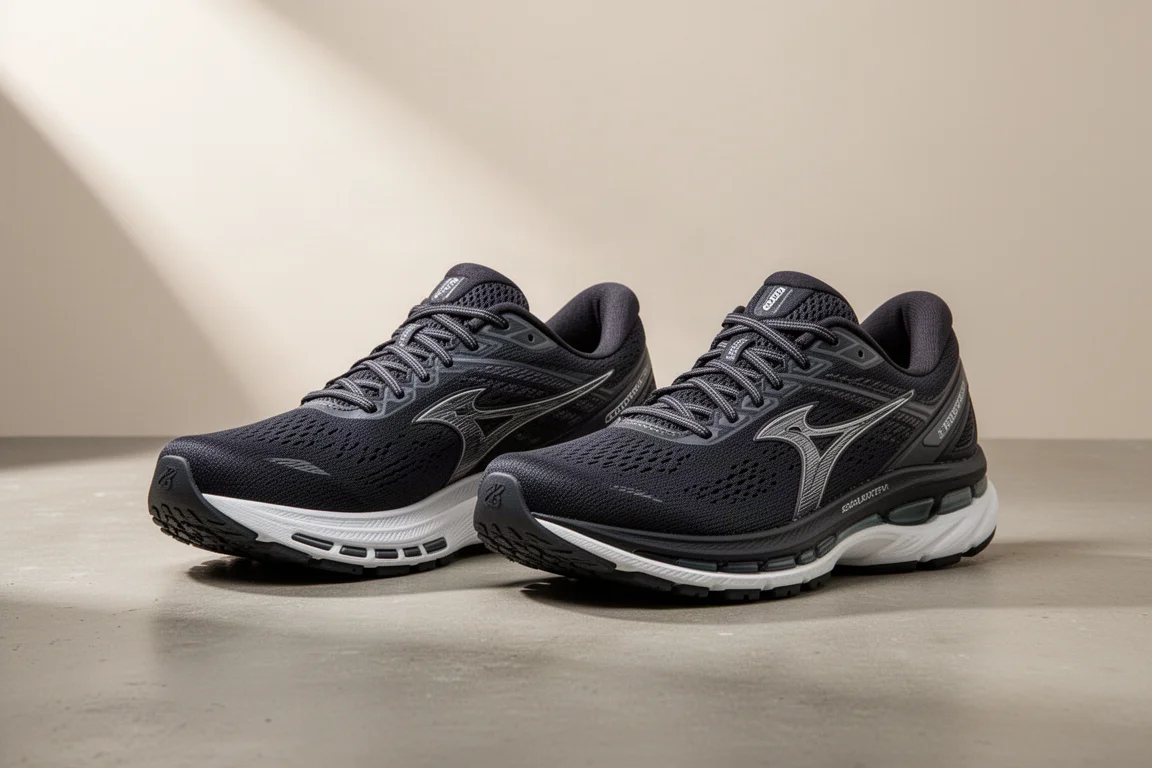
The Hoka Arahi has long been the standard stability shoe in Hoka’s lineup, and both versions stay on the lighter end of the stability category. But the Arahi 8 is not a routine refresh. It is softer, has a higher drop, fits differently, and swaps the long-running J-Frame for a new H-Frame. These are no longer the same shoe, so the real question is which one matches your feet and your running.
Two Very Different Stability Shoes
Spec-wise, the changes start immediately. In a men’s size 10, the Arahi 7 weighs about 9.9 oz (282 g), while the Arahi 8 is surprisingly a touch lighter at 9.8 oz (272 g). Stack heights also differ: the Arahi 7 keeps the classic Hoka 5 mm drop with 37 mm at the heel and 32 mm in the forefoot, while the Arahi 8 moves to an 8 mm drop with 39 mm at the heel and 31 mm in the forefoot. Wear one on each foot and the difference in drop is immediately noticeable.
Stability: J-Frame vs H-Frame
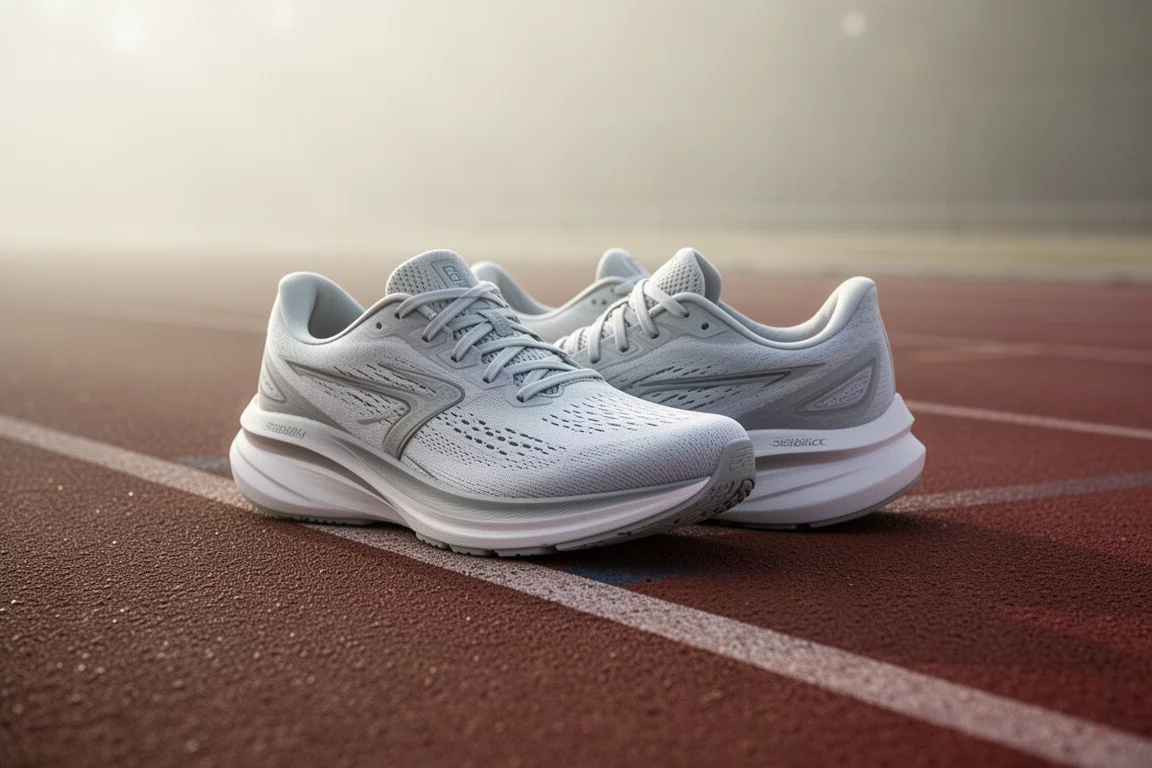
The Arahi 7 uses the J-Frame, one of the few designs that provides medial support along the entire medial side of the shoe, with a little lateral support at the posterior heel. Combined with its firmer foam, that makes the Arahi 7 a moderate to higher-level stability shoe with support that feels prominent along the whole length of the shoe.
The Arahi 8 moves to the H-Frame. On the outsole you get a cross-shaped structure: extensions on both the medial and lateral sides, plus extensions at the front medial and lateral corners of the forefoot. The thicker, stiffer midsole material is most prevalent on the medial side, with a little less on the lateral heel and midfoot. In the forefoot the two sides even out, creating a nicely balanced ride up front.
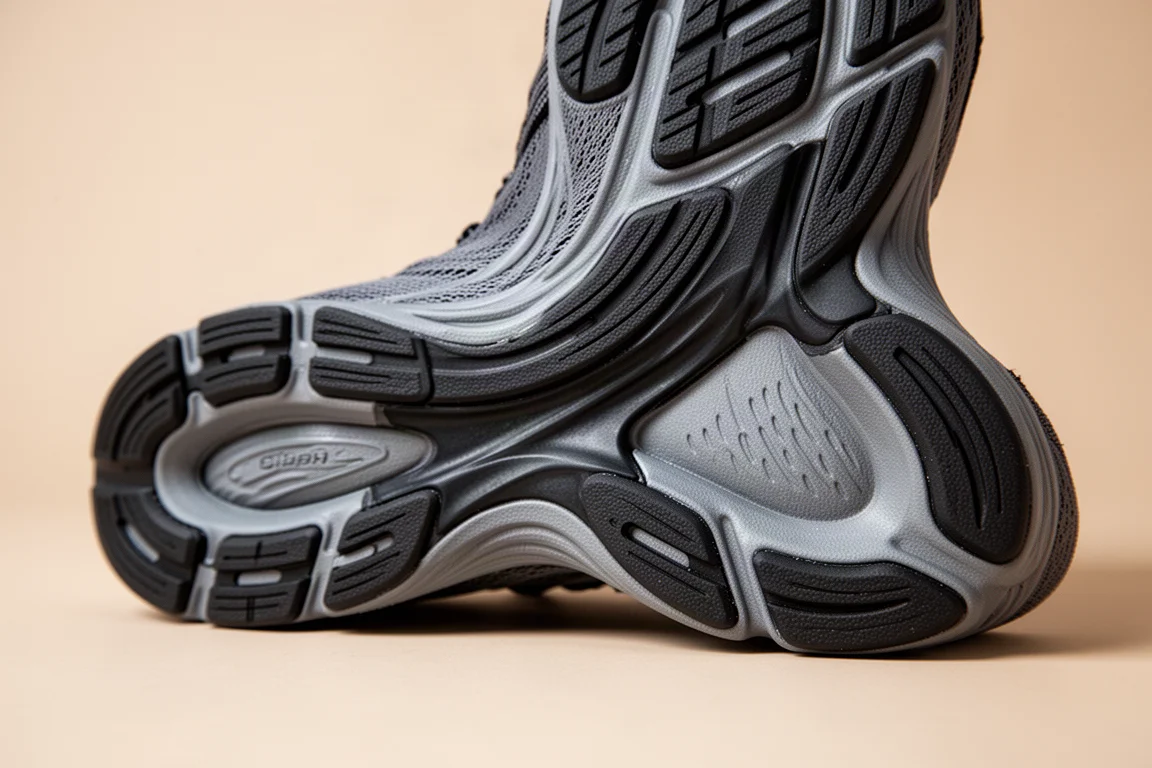
The trade-off is stiffness. The Arahi 8’s midfoot is much stiffer, which gives it a more stable-guidance feel rather than the in-your-face support of the Arahi 7. It keeps you more centered, still provides full-length medial stability with mild lateral stability, and is one of the rare shoes that offers genuine forefoot stability. Both versions share an early rocker, so the forefoot transition is where they feel most similar, with the Arahi 8 offering slightly more flexibility for a smoother push-off. If you have toe stiffness problems, neither will feel stiff enough; if you want some flex for a smooth forefoot transition, the Arahi 8 is the better of the two.
One caveat: the Arahi 8 takes time to break in. Around 15 miles in, the midsole softens noticeably and the initially clunky heel transition improves. The slightly lateral heel bevel is decent but not perfect, and the Arahi 7’s bevel is a little more centered, though still not the smoothest. The Arahi 7 rides firm out of the box and stays firm, which some runners will actually prefer because it makes the J-Frame support so prominent.
Cushioning: Firm vs Soft
The Arahi 7 is a firm ride, borderline uncomfortably firm at easy paces until it breaks in, and still firmer than most shoes on the market today. The Arahi 8 is much softer, thanks to increased stack height and changes in the foam. It is not the softest shoe available, but it lands slightly softer than average, which is a big step up in comfort from version 7. On longer efforts and longer runs, the Arahi 8 simply feels better underfoot.
Fit and Upper: Roomy vs Snug
The uppers are very different. The Arahi 7 has a snug, low-volume fit that suits narrow feet well, though it felt a little off-putting for wider or more volume-sensitive feet. The Arahi 8 is much wider with more volume throughout the length of the shoe, plus a more padded heel collar and a generally more premium, cushioned upper. Hoka still tends to fit a bit narrow, so the Arahi 8 is not the widest shoe out there, but it moves toward a more normal fitting silhouette.
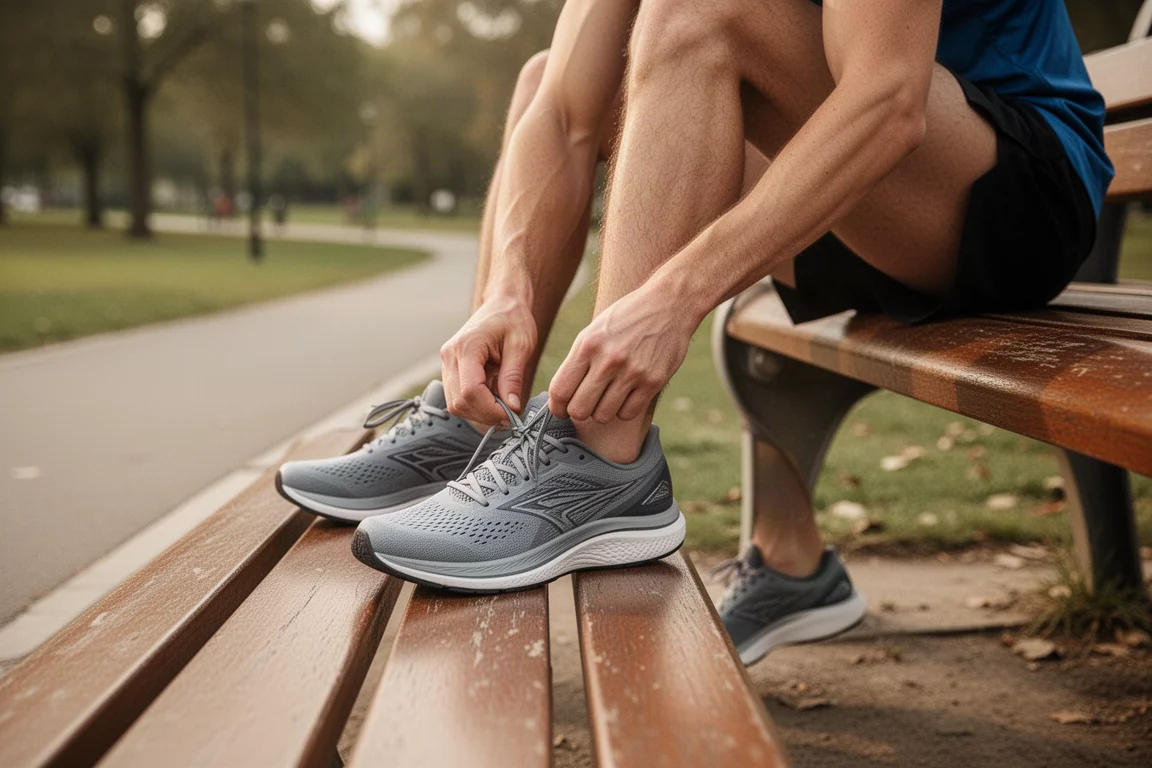
If you found the Arahi 7 too narrow, the Arahi 8 is the clear fix. If your feet are narrow and you like a locked-in, streamlined feel, the Arahi 7 will fit you much better.
Ride Feel and Which One to Buy
Overall, the Arahi 7 feels a bit snappier underfoot, while the Arahi 8 feels more relaxed. The higher drop on the Arahi 8 is noticeable but not a bad thing, and it matters for specific runners: if you deal with Achilles tendon issues or posterior tibial issues, the higher drop is likely the friendlier option, since the posterior tibialis is a plantar flexor and low-drop shoes may aggravate it when irritated. If you want a lower-riding, lower-drop stability shoe, the Arahi 7 remains the better pick.

It is genuinely impressive to see Hoka making big changes to a popular model after years of incremental updates. The two versions now serve slightly different runners, which makes the choice easier once you know what you need.
Conclusion
Pick the Arahi 7 if you want a firmer, snappier ride with more prominent, moderate-to-high medial stability, a 5 mm drop, and a snug narrow fit. Pick the Arahi 8 if you want a softer, more relaxed ride for longer runs, an 8 mm drop that is kinder to Achilles and posterior tibial issues, a roomier and more padded upper, and a more balanced, guidance-style stability feel. Neither is strictly better; they are just built for different runners now.
Product link
View more details for Hoka Arahi 7
This product is mentioned in the review. Check the specifications, options, and compatibility before buying.
View more details for Hoka Arahi 7Further reading
Related Reviews

Running Shoes
Best Road-to-Trail Running Shoes: Three Versatile Options for Mixed Terrain
A practical guide to three road-to-trail running shoes that handle both pavement and mild trails, with clear strengths and trade-offs for different runner types.

Running Shoes
Best Running Shoes for Achilles Tendonitis: Three Options Explained
Three running shoes with different heel drops and support features designed to help reduce Achilles tendon pain during walking and running.

Running Shoes
Best Running Shoes for Women: Five Top Choices Ranked
A ranked guide to five women's running shoes, from versatile daily trainers to high-performance racing options, with real strengths and trade-offs for each.