Running Shoes
Hoka Arahi 7 Review: A Firm, Direct Stability Shoe for Longer Runs
The Arahi 7 keeps its proven midsole and refreshes the upper, delivering a firm, predictable ride with genuine support for everyday and long-distance road running.
Introduction
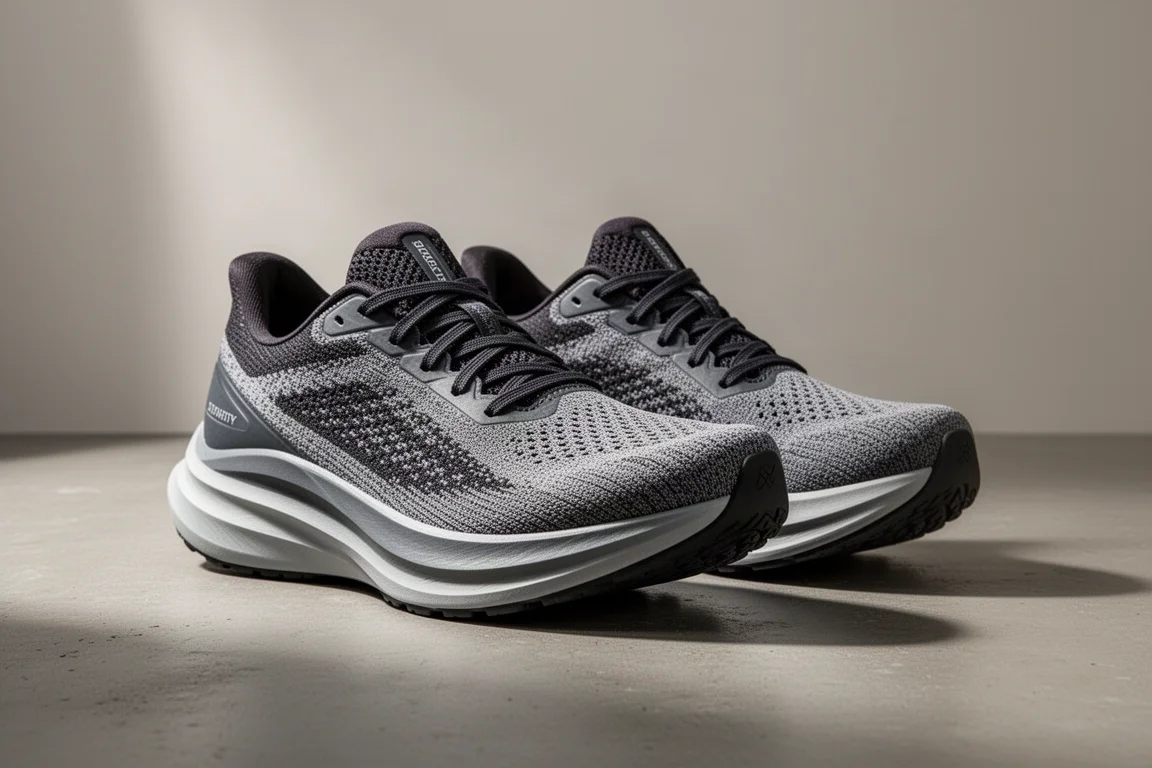
The Hoka Arahi 7 is a stability shoe built to deliver protection and cushioning for longer runs. This update is a minor one: all of the midsole and stability elements carry over unchanged from the Arahi 6, while the upper has been tweaked in the usual pursuit of better lockdown, more breathability and improved comfort. The question is whether that formula still holds up, and whether this is the stability shoe your rotation actually needs.
Overview and Key Specs
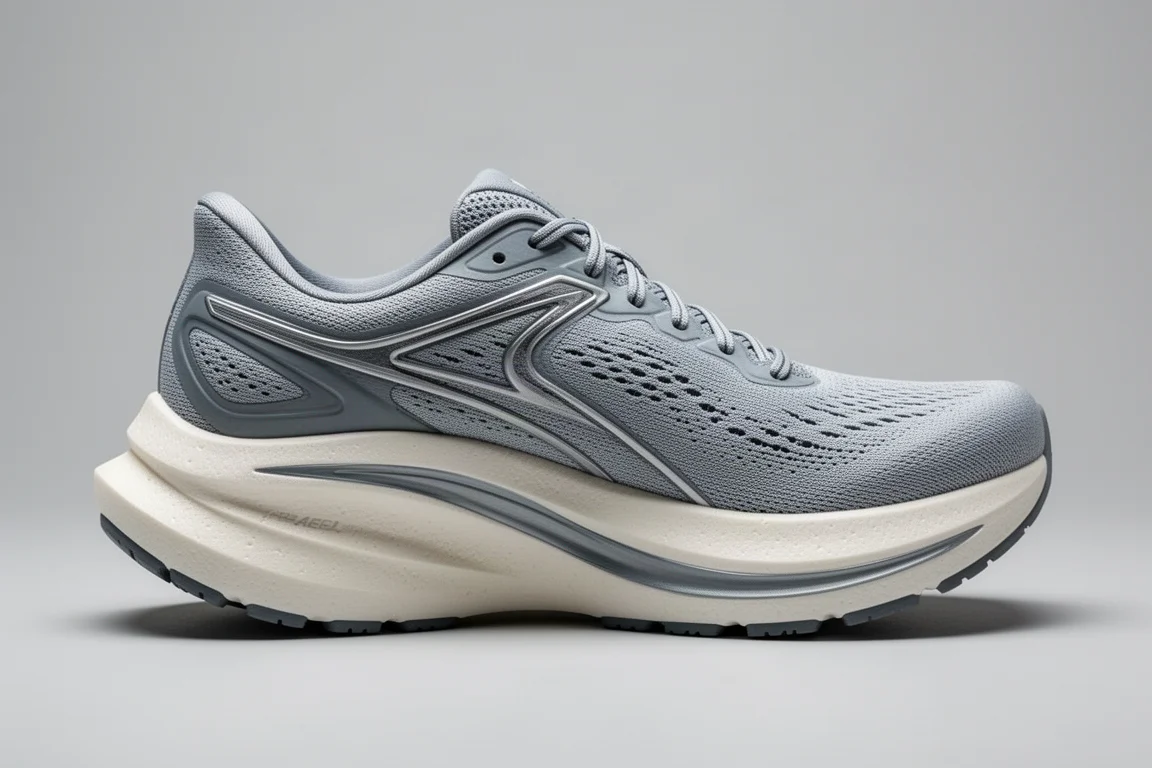
The Arahi 7 uses a compression-moulded EVA midsole tuned toward the firmer side to provide reliable support. An early-stage meta rocker smooths transitions from landing to takeoff, and Hoka’s J-Frame support technology, a J-shaped sweep of firmer foam running down the shoe, combats overpronation without adding extra stiffness or weight.
On numbers, the shoe stacks 37mm in the heel and 32mm in the forefoot for a 5mm drop. It weighs 273g (9.7oz) in a UK men’s 8, and comes in at £130 in the UK and $145 in the US, five dollars more than the Arahi 6. Flip the shoe over and you get a Durabrasion rubber outsole for grip and durability, and the shoe is available in regular and wide options.
Upper, Fit and Comfort
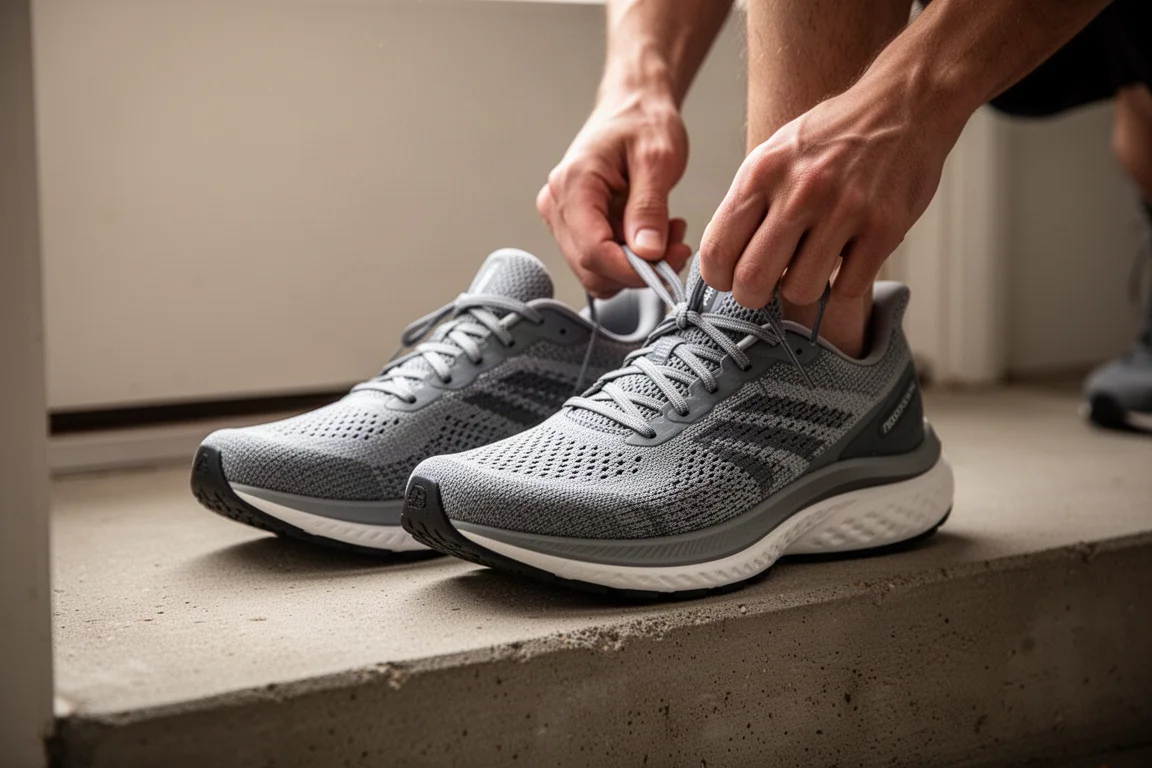
The changes on the Arahi 7 live up top, with a new engineered flat-knit upper aimed at improving midfoot lockdown. It is thicker and more engineered than the lighter uppers on the previous generation. The laces are robust and make it easy to get a good closure across the midfoot, the tongue is plusher and well padded down into the midfoot, and a stretchy gusseted tongue stops it wandering around. The heel collar is medium padded, a little thicker at the rear than on the side walls, and holds the heel securely.
In testing, the fit initially felt tight, with a fairly narrow toe box and a snug foothold. That eased off after a few runs and some lacing tweaks. Anyone with wide feet or a preference for a roomier fit should seriously consider the wide option, or possibly going up half a size for long miles.
Ride and Run Test Impressions
Testing covered 30-plus miles, mainly easy running with some faster efforts, mostly on road with a good chunk on uneven riverside paths. Once the initial tightness settled, comfort was good: feet feel well held, with secure lockdown at the heel and midfoot.
The ride is where opinions will split. It felt very firm early on, with little give and a sense of the road coming through the midsole. There is a noticeable break-in period, and the compression EVA does soften as miles accumulate. This is not a soft, pillowy daily trainer, and the cushioning feels closer to firm-riding shoes than to softer stability options. That firmness, combined with a touch of stiffness, does open the door to faster efforts, even if the shoe is not primarily an uptempo pick.
The Arahi aims for reliable, wobble-free and consistent landings, and that is exactly what it delivers. The rocker helps produce rolling transitions, and the ride felt more balanced with every additional mile. At a light, quick foot turnover the shoe pays you back with a flowing ride that feels lighter than expected. Over heavy-footed plods beyond roughly 90 minutes, though, it comes across as firm and direct rather than forgiving. Stability, however, is beyond question: every step felt assured and secure, even on broken-up riverside paths, with a natural, never forced, quality to the ride.

Who This Shoe Is For
The Arahi 7 suits runners who want a firmer, more direct and more manageable alternative to big, bulky, soft stability shoes. Think of it as a firmer, more stable Clifton, with a ride comparable to other firm, direct trainers. If you need stability, you probably do not want wobbly wedges of soft foam moving you around anyway, and reliable, predictable is exactly what this shoe serves up.
Things to Consider Before Buying
There is not much spring or energy return here, and the firmness of the midsole and landings will not suit everyone. Softer-shoe fans may prefer something with a bigger, plusher stack. There is also a real sweet spot around 90 minutes; runners planning much longer efforts may want more cushioning. The narrow initial fit is worth factoring in too, especially for wide-footed runners.
Buying Advice
Where this shoe shines is in its balance of lightness and comfort on the foot, with just enough protection for longer runs and excellent stability. It compares favourably on precision and directness against heavier, softer stability options. Priced at £130 in the UK and $145 in the US, it is keenly positioned for a premium stability trainer. If you want a stability shoe that is a bit firmer, a bit more direct and easier to manage than the big, hulking alternatives, this is a good option to shortlist.
Conclusion
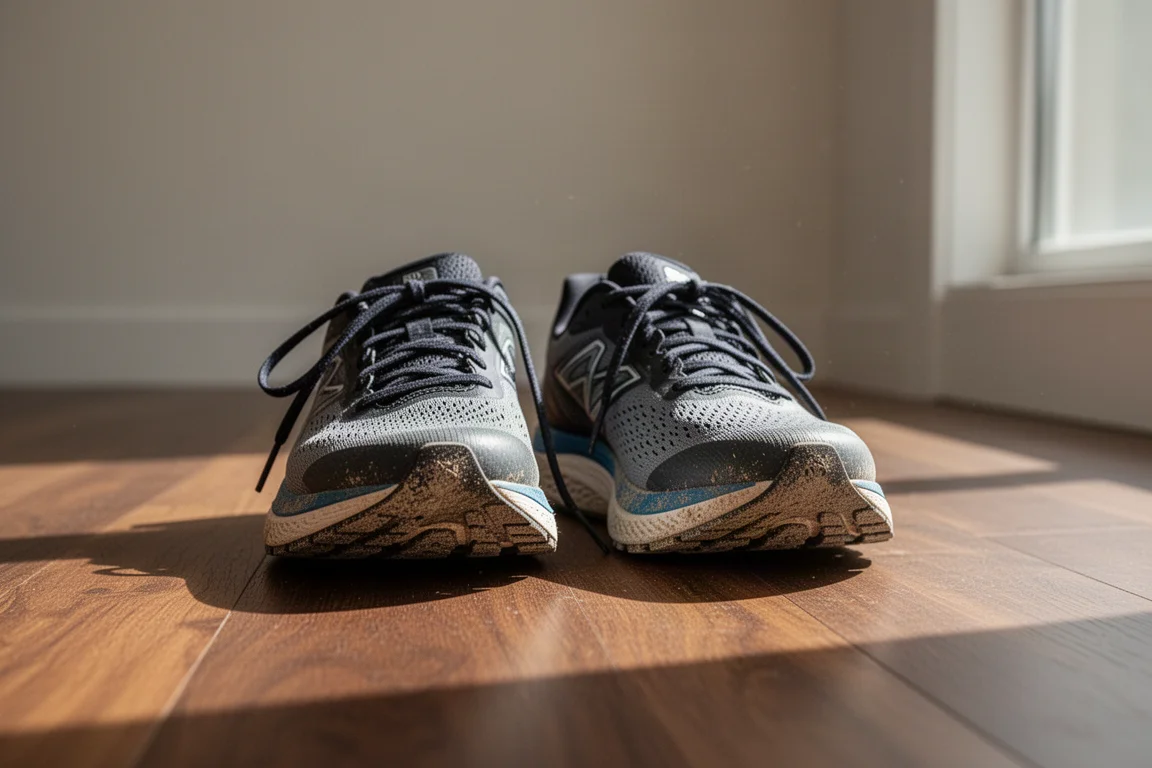
The Hoka Arahi 7 is a solid stability shoe with a firm, stable and predictable ride, a refreshed upper that locks the foot down well, and genuine long-run capacity for runners who keep a brisk turnover. It will not convert fans of soft, max-cushioned trainers, but for runners who prioritise reliable support with a direct, snappy feel, it earns a place in the rotation.
Product link
View more details for Hoka Arahi 7
This product is mentioned in the review. Check the specifications, options, and compatibility before buying.
View more details for Hoka Arahi 7Further reading
Related Reviews

Running Shoes
Best Road-to-Trail Running Shoes: Three Versatile Options for Mixed Terrain
A practical guide to three road-to-trail running shoes that handle both pavement and mild trails, with clear strengths and trade-offs for different runner types.

Running Shoes
Best Running Shoes for Achilles Tendonitis: Three Options Explained
Three running shoes with different heel drops and support features designed to help reduce Achilles tendon pain during walking and running.

Running Shoes
Best Running Shoes for Women: Five Top Choices Ranked
A ranked guide to five women's running shoes, from versatile daily trainers to high-performance racing options, with real strengths and trade-offs for each.