Concrete Tools
Hilti NCV Concrete Vibrators: Cordless Vibrating for Big and Small Pours
Hilti's battery-powered NCV system replaces cords and engine packs with vibration localized in the head. Here is how the backpack NCV 10 and compact NCV 4 differ.
Introduction
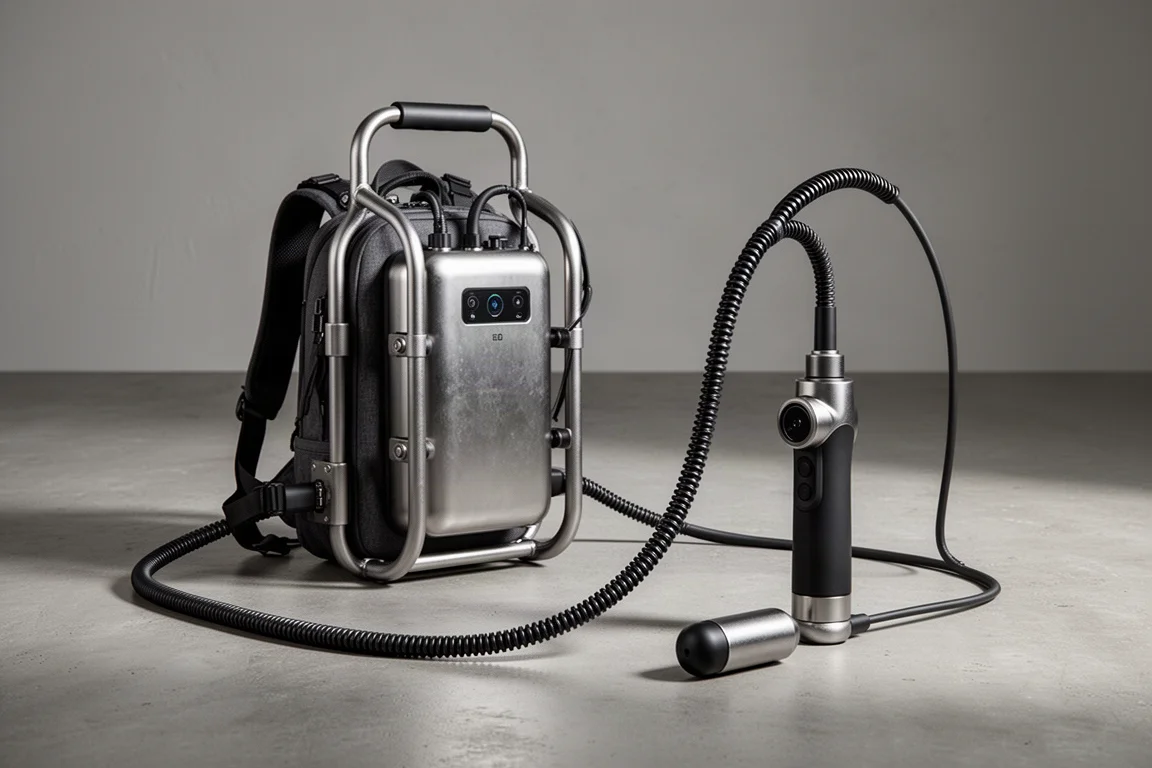
Concrete vibration has long been one of the messier jobs on site. Corded units create trip hazards across the pour, while early cordless solutions put a heavy engine on your back and vibration everywhere except where it belongs. Hilti’s new NCV concrete vibration system tackles both problems with two distinct models: the NCV 10 backpack vibrator and the NCV 4 compact vibrator.
Why a Cordless Concrete Vibrator Matters
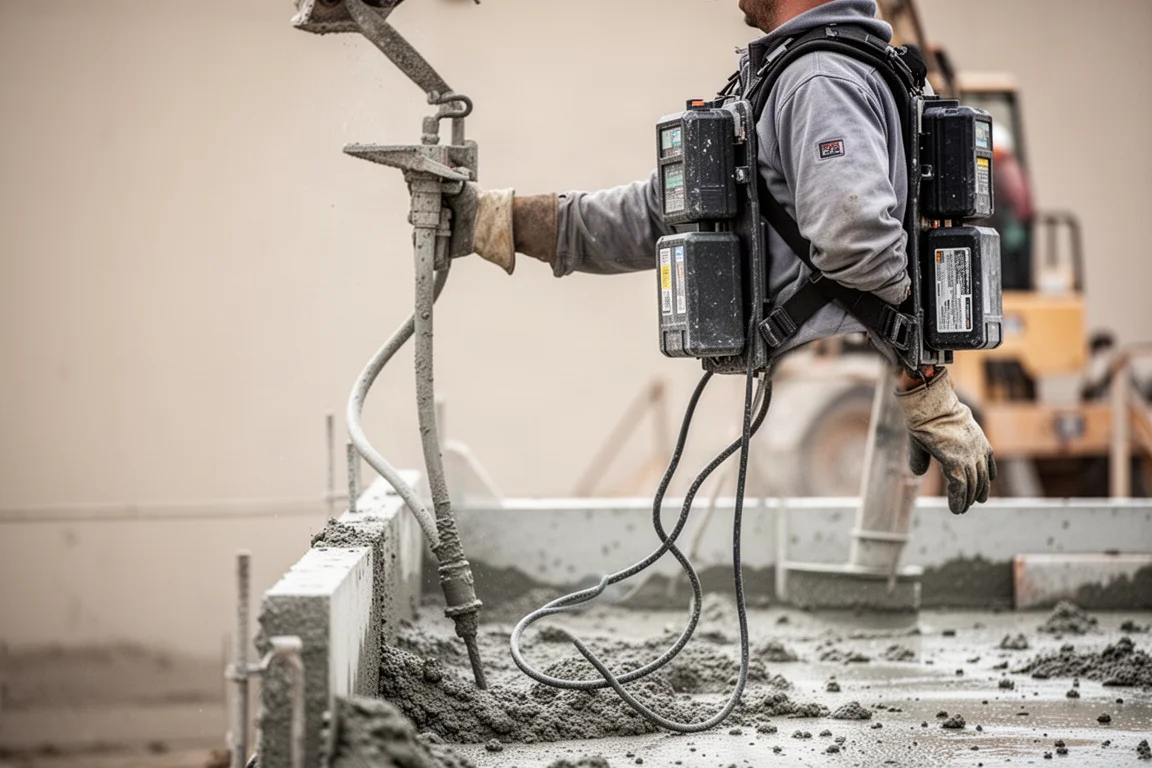
The core engineering idea across both models is motor and head high-cycle technology. All of the vibration is localized in the head of the tool, which is supplied power by batteries rather than an engine or cord. Nothing shakes on your back or in your hands, because the action happens where it should: in the concrete.

That separation of power supply and vibration point is what makes a battery solution genuinely practical for production pours rather than a novelty.
Hilti NCV 10: Backpack Concrete Vibrator
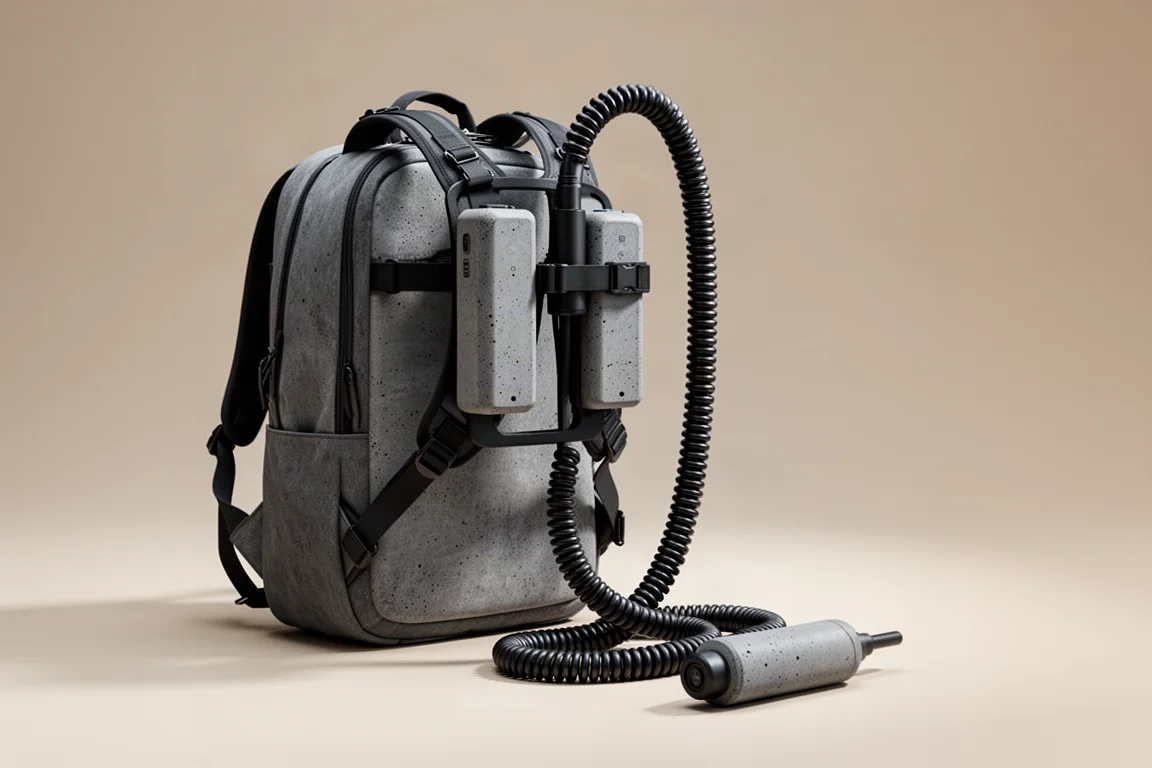
The NCV 10 is the larger, backpack-style unit, and it is built for scope of action on bigger pours. It is available in three whip lengths: five foot, ten foot, and 16 foot, with three head diameters: 1.5 inch, 1.75 inch, and 2.25 inch. The bigger the head diameter, the more concrete it can vibrate with each insertion.
Because the power source rides on your back and the vibration stays in the head, the NCV 10 delivers full-size vibrating performance without the cord mess or the engine-back fatigue of older cordless attempts.
Hilti NCV 4: Compact Concrete Vibrator
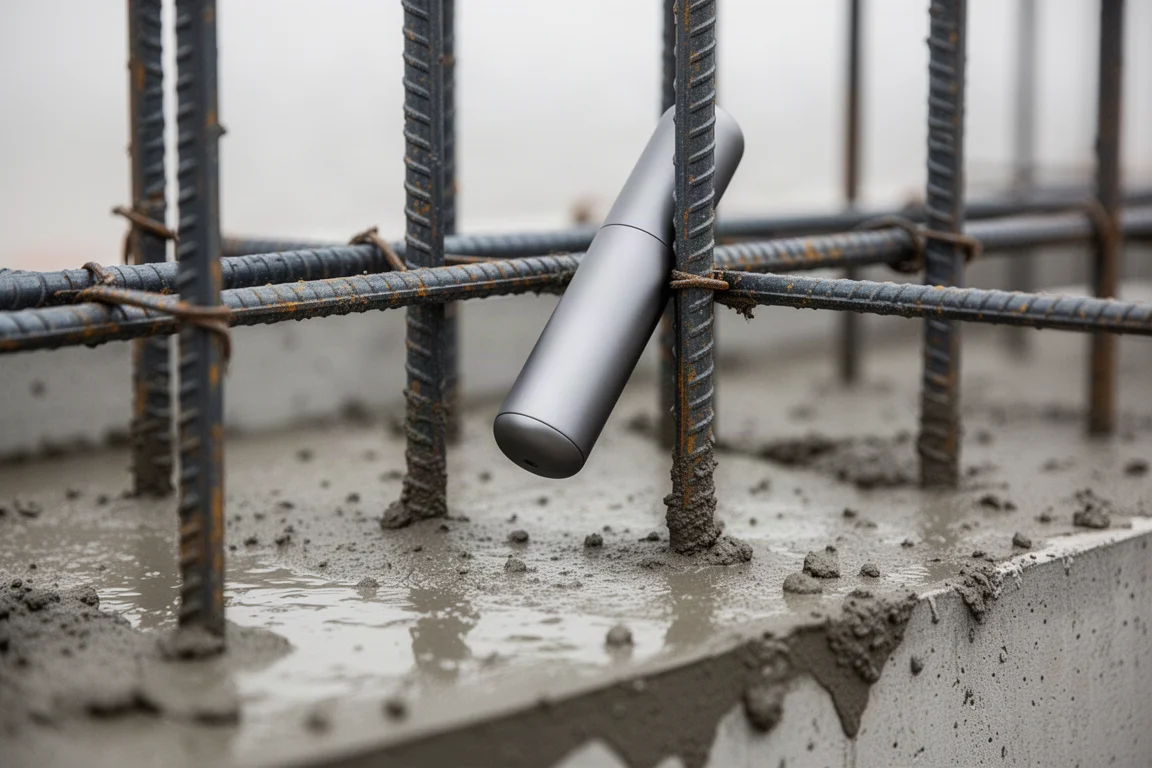
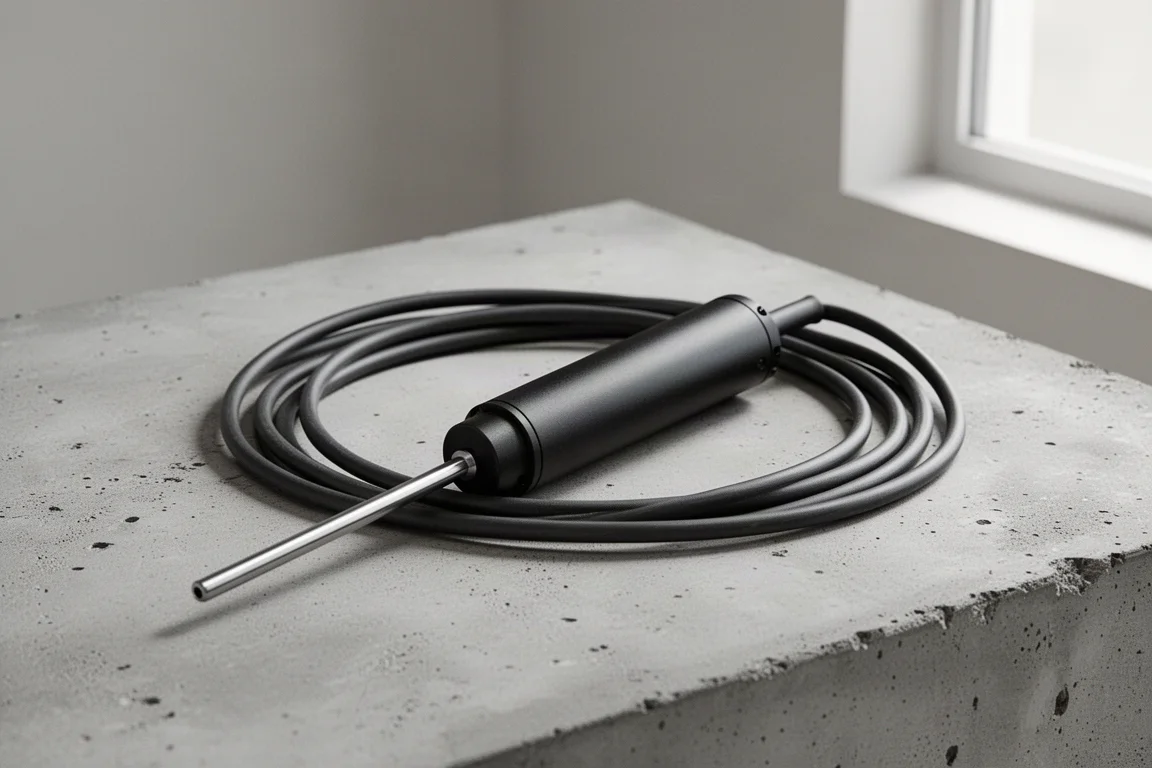
The NCV 4 is the compact option, offered with a four foot whip and a one inch diameter head. It suits two situations: smaller pours where a full backpack setup is overkill, and pours with dense rebar, where a thinner head lets you reach the nooks and crannies without getting the head stuck or failing to fit in tight sections.
If your work regularly involves congested reinforcement or small volume pours, the NCV 4 covers those scenarios that a larger head simply cannot access.
Runtime and Battery Planning
With Hilti’s two largest batteries, the 255s, Hilti reports a conservative figure of around eight trucks or 80 yards of concrete per battery set. Actual runtime depends heavily on the slump level and the thickness of the concrete, so the published number is meant as a conservative baseline rather than a guarantee.
In practice, crews rotate batteries through the day rather than relying on a single set, so plan your battery inventory around your pour schedule.
Buying Advice: Which Model Fits Your Pours
Choose the NCV 10 when you need range and reach: large volume pours, longer whips, and bigger head diameters for consolidating more concrete per insertion. Choose the NCV 4 when your pours are smaller, your rebar is dense, or you need to sneak into narrow spots without worrying about the head jamming.
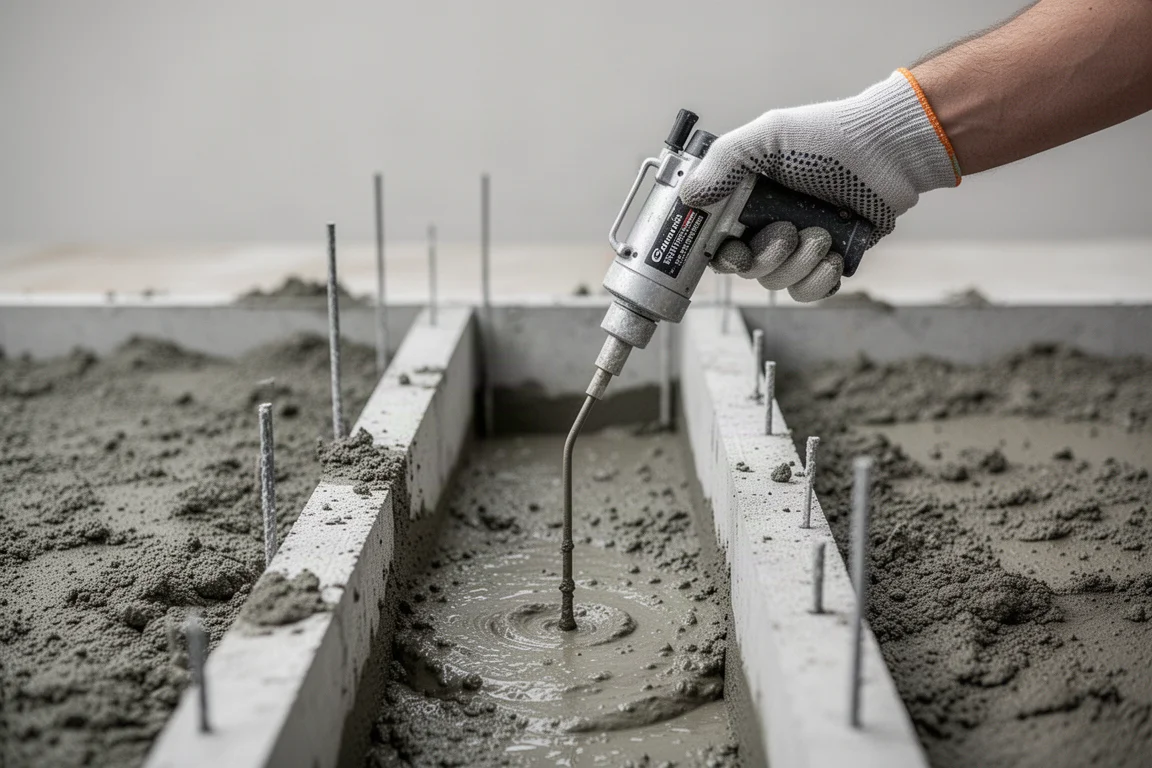
Both models share the same underlying advantage: battery power with vibration isolated in the head, so the shake stays out of your body and out of your way.
Conclusion
Hilti’s NCV system turns concrete vibration from a cord-tangled chore into a clean, battery-powered task. The NCV 10 covers large pours with flexible whip and head options, while the NCV 4 handles tight, dense, or small-volume work. Pick based on the pours you actually run most often.
Further reading
Related Reviews
Concrete Tools
Concrete Finishing Tools Worth Owning: Marshalltown Picks for New Hires and Homeowners
Two Marshalltown tools a seasoned concrete finisher recommends to anyone learning to catch edges, from the magnesium float to the forgiving short-shank laydown trowel.
Concrete Tools
Hogan Company Square Concrete Stakes: Why Square Beats Round
Square concrete stakes are hard to find, but Hogan Company still manufactures them domestically and ships them in a box. Here is why they belong in your kit.
Power Tools
Best 3/4-Inch Impact Wrenches 2026: Five Contenders Compared
We compare five 3/4-inch impact wrenches across price and performance, from a budget Amazon option to Snap-on's most powerful model yet.