Backpacking Tents
Hilleberg Unna Review: A Four-Season Solo Tent With Room to Spare
A practical look at the Hilleberg Unna, a four-season solo tent with a fly-first pitch, a genuinely spacious interior, premium materials, and a price to match.
Introduction
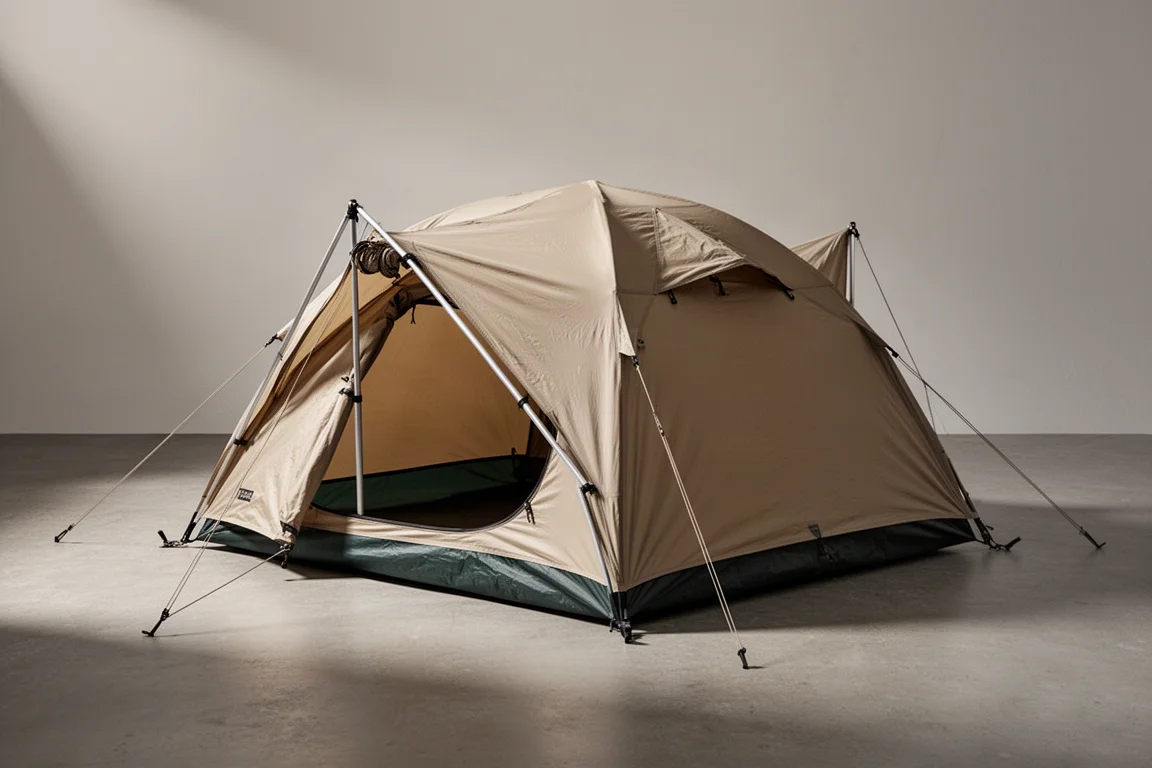
The Hilleberg Unna is a four-season solo tent from the company’s Red Label line, and it occupies a very specific place in the market. It is a freestanding dome with a fly-first pitch, a bathtub floor, two nine millimetre aluminum poles, twelve aluminum stakes, and a packed weight of around five pounds. Retail price sits at $740.
The numbers are what make it interesting. The Unna measures 90 inches long, 43 inches wide, and 39 inches tall, which is unusually generous for a shelter the company lists as a one-person tent. Pair that interior volume with winter-grade construction and you have a tent that trades weight for space and durability rather than chasing the lightest possible pack.
Who this product is for
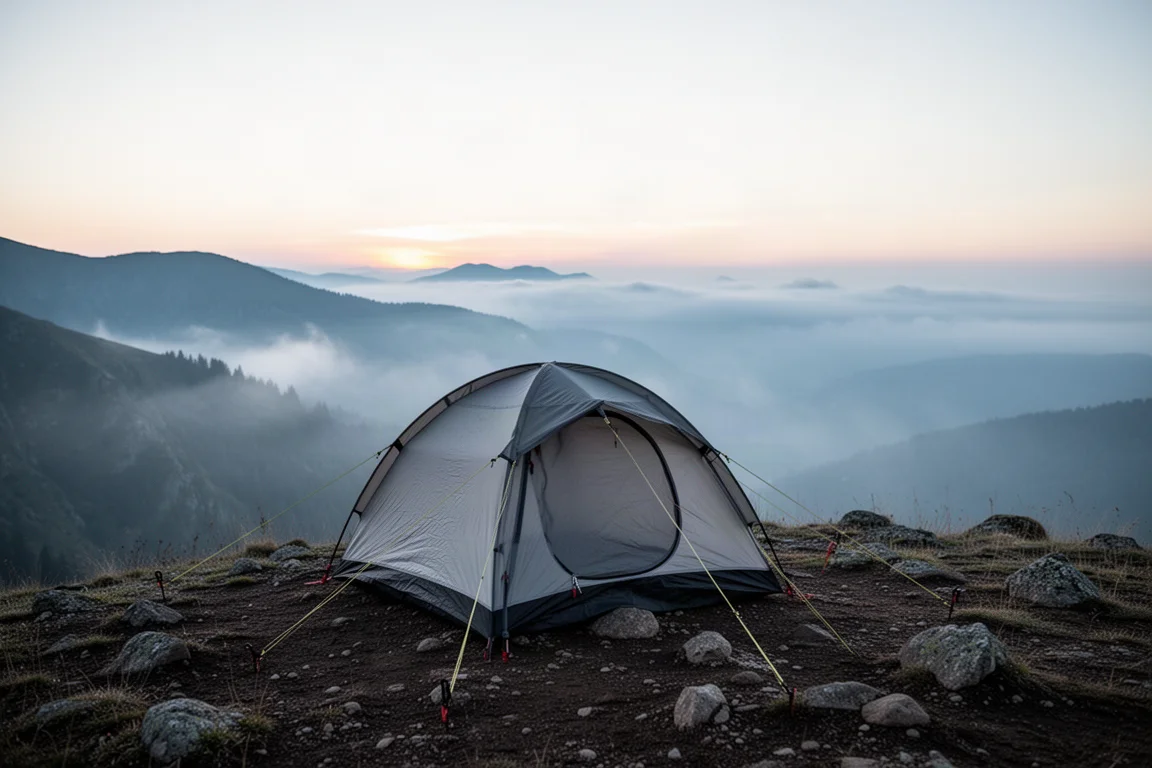
This tent suits backpackers and mountaineers who camp in cold, wet, or windy conditions and want a shelter that will still be serviceable many seasons from now. The Red Label build and Kerlon 1200 fabric place it a step below the company’s heaviest Black Label tents but comfortably above its lightest three-season models. If your trips involve snow, driving rain, or exposed campsites above the treeline, the Unna is aimed squarely at you.
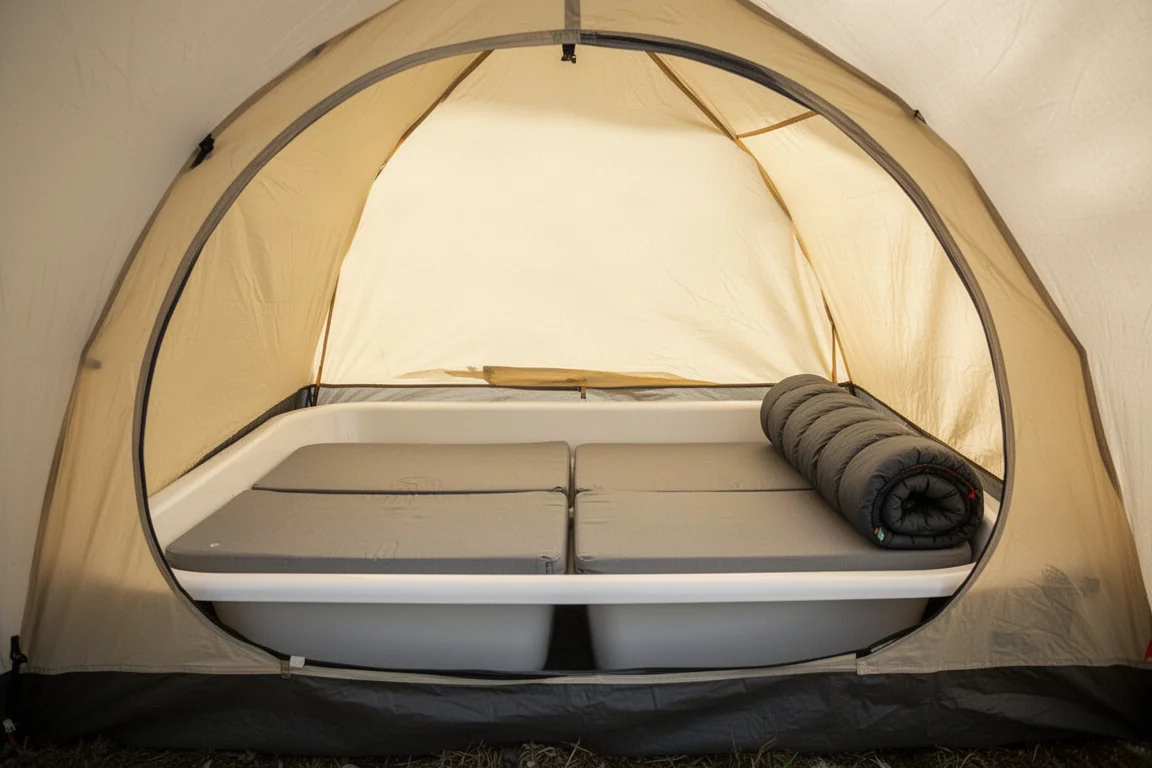
It also suits campers who value room over minimum weight. Two full-size sleeping pads fit wall to wall inside, so a solo camper gets genuinely luxurious space and two very close companions can make it work for a night.
Anyone shopping mainly for warm-weather backpacking should think carefully before committing, or plan on buying the mesh inner separately. That trade-off is covered in more detail further down.
Main strengths
The headline feature is the fly-first pitch. The inner body stays attached to the fly, and the poles are threaded through the fly itself, so the outer skin takes the weather while the inner stays dry during setup. In a rainstorm that difference matters a great deal, and it is a design choice worth paying attention to.
Materials and hardware are clearly chosen for longevity: Kerlon 1200 fabric, YKK zippers, two nine millimetre aluminum poles, twelve aluminum stakes, and metal zipper pulls on both the inside and outside of the door. A replacement segment of pole is included, which is a small but welcome detail for anyone who has bent a pole far from home.
Setup is straightforward. The pole sleeves run crisscross across the body, with no clips to fiddle with, and the poles seat into reinforced sleeves before locking into plastic cups. Once the poles are up, the tent is freestanding and can be repositioned before staking.
Several smaller features round out the package. There is a vent at the top of the door to help manage condensation, a toggle that latches the door shut so strong winds cannot work it open, and guy lines at each corner plus additional points that let you pull the fly away from the body. Hilleberg also backs the tent with a lifetime warranty.
Interior space and livability
The interior is the surprise here. At 90 inches long, 43 inches wide, and 39 inches tall, the Unna offers more floor area than plenty of two-person tents, and the bathtub floor keeps ground moisture away from your sleeping bag. The one thing you will not find inside is storage: there are no mesh pockets at all, so small items need to live in a stuff sack or beside your pad.
There is a single door and no true vestibule, which is the main compromise in the layout. You can work around it by disconnecting the inner body at the door and pulling it back, which creates a vestibule of sorts. That gives you a dry place to cook, a spot to stash a pack, or a way to get in and out during rain without soaking the inner. The Unna is available in three colors: sand, red, and green.
Setup, materials, and weather protection
Pole sleeves divide opinion, and the Unna shows why. Threading poles through sleeves takes longer than clipping them, and removing them afterwards is fiddly. The payoff is protection: the poles never sit exposed on the outside of the fly, so they are less likely to get wet or freeze, which is exactly the kind of problem that ruins a winter trip. It is a genuine trade-off rather than a flaw.
The fly can be disconnected entirely in dry conditions when rain is not expected, and the door unzips from both the top and the bottom. Reattaching the fly is simple: a hook connects to a ring and tensions down at the base. Leaving the fly partly open at the top of the door gives you a controllable vent, which is the main tool for managing condensation on cold nights.
Within the company’s range, Red Label tents sit in the middle: Black Label models are built for the very worst conditions and are the heaviest, Red Label tents are still extremely strong but lighter in nature, and the yellow range covers lighter three-season shelters.
Things to consider before buying
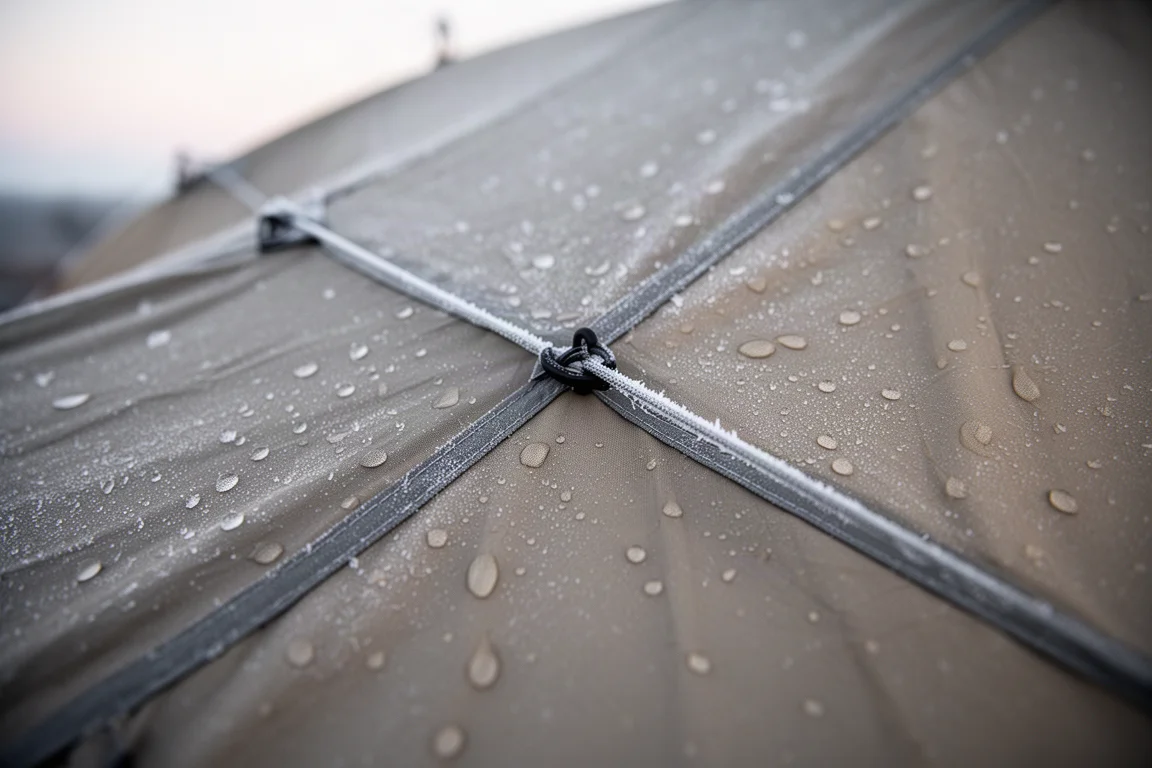
The included fabric inner is designed to block wind, block snow, and hold in heat. That is precisely what you want in winter and precisely what you do not want in summer, when airflow matters far more than warmth. In warm conditions the Unna can become uncomfortably hot inside, and the fabric inner is the reason. The company offers a mesh inner intended for warm climates, but it is priced at around $230 on top of the tent and can be difficult to find. That extra cost changes the value calculation considerably.
There is no dedicated vestibule, so if two people share the tent, gear storage becomes a real question. The workaround of disconnecting the inner body at the door helps, but it is not the same as a purpose-built vestibule.
Weight is another consideration. Roughly five pounds is respectable for a four-season tent, and you get real strength for it, but it is heavy for a solo shelter and worth weighing against how far you plan to carry it. The $740 retail price is also a serious commitment, though the lifetime warranty and the durability of the materials are part of what that money buys.
Availability has been tight. Many Hilleberg tents have been listed as sold out at retailers, and waiting lists have become common, so it is worth checking stock early or considering a used example in good condition.
Buying advice
The Unna makes the most sense for someone who camps in cold, exposed conditions and wants one shelter that will handle storms, snow, and years of use without needing to be replaced. The fly-first pitch, the freestanding design, and the unusually large interior are the reasons to choose it over a lighter solo tent.
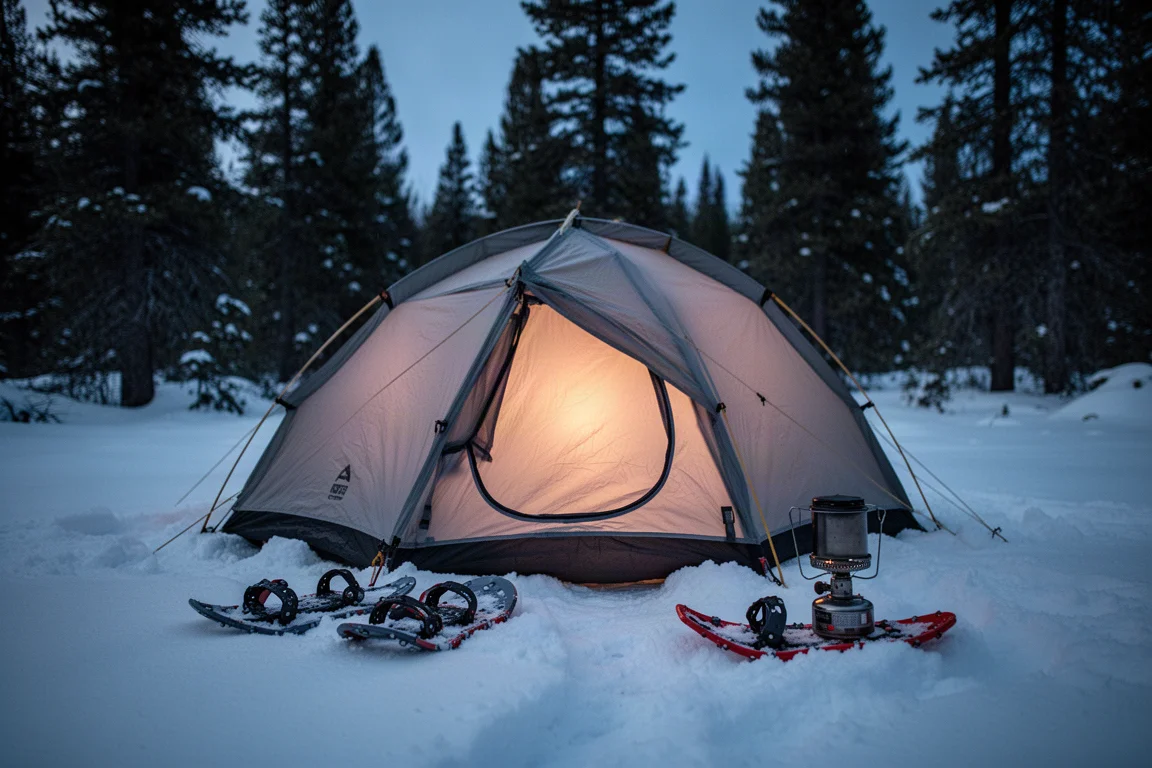
If you plan to use it across all four seasons, factor the mesh inner into your budget from the start rather than discovering the summer limitation later. If your trips are mostly warm-weather backpacking, a lighter three-season tent will likely serve you better and cost less.
Before ordering, confirm current stock or join a retailer waitlist, and consider the used market if you want to avoid a long wait. For the right buyer, the combination of construction quality, interior space, and a lifetime warranty makes the high price easier to justify over a decade of use.
Conclusion
The Hilleberg Unna is a specialist shelter that does a narrow job extremely well. It is strong, simple to pitch, and far roomier inside than its one-person classification suggests, with materials and hardware built to last. The trade-offs are clear: a fabric inner that runs warm in summer, no true vestibule, a fiddly pole sleeve setup, a five-pound packed weight, and a premium price that may also require patience on availability. Buyers who camp in demanding conditions and value space over grams will find a great deal to like here.
Product link
View more details for Hilleberg Unna
This product is mentioned in the review. Check the specifications, options, and compatibility before buying.
View more details for Hilleberg UnnaFurther reading
Related Reviews
Backpacking Tents
3F UL Lanchan Pro 1 Review: A 1 lb 8 oz Single-Wall Trekking Pole Tent
A practical look at the 3F UL Lanchan Pro 1, a single-wall trekking pole shelter with a 1 lb 8 oz weight, 20D silnylon fabrics, and a roomy 90 x 31 x 49 inch interior.
Backpacking Tents
3F UL Taiji 2-Person Tent: A Convertible Backpacking Shelter Worth a Closer Look
A practical look at the 3F UL Taiji two-person tent, covering its materials, true two-person interior, fly-first pitching, and the seasonal inner swap that lets one shelter cover more of the year.
Backpacking Tents
3FUL Lanshan Twoerson Pro Review: A Light Trekking Pole Shelter That Struggled in Rain
A two-person trekking pole shelter with a 2026 redesign, pitched with sticks and put through a night of steady rain. Here is what worked, what did not, and what to check before buying.