Backpacking Tents
Hilleberg Unna Alternatives: Three Lighter, Cheaper Freestanding Tents
Three freestanding backpacking tents that come close to the Hilleberg Unna's four-season character for less money and less weight, with honest notes on where each one compromises.
Introduction
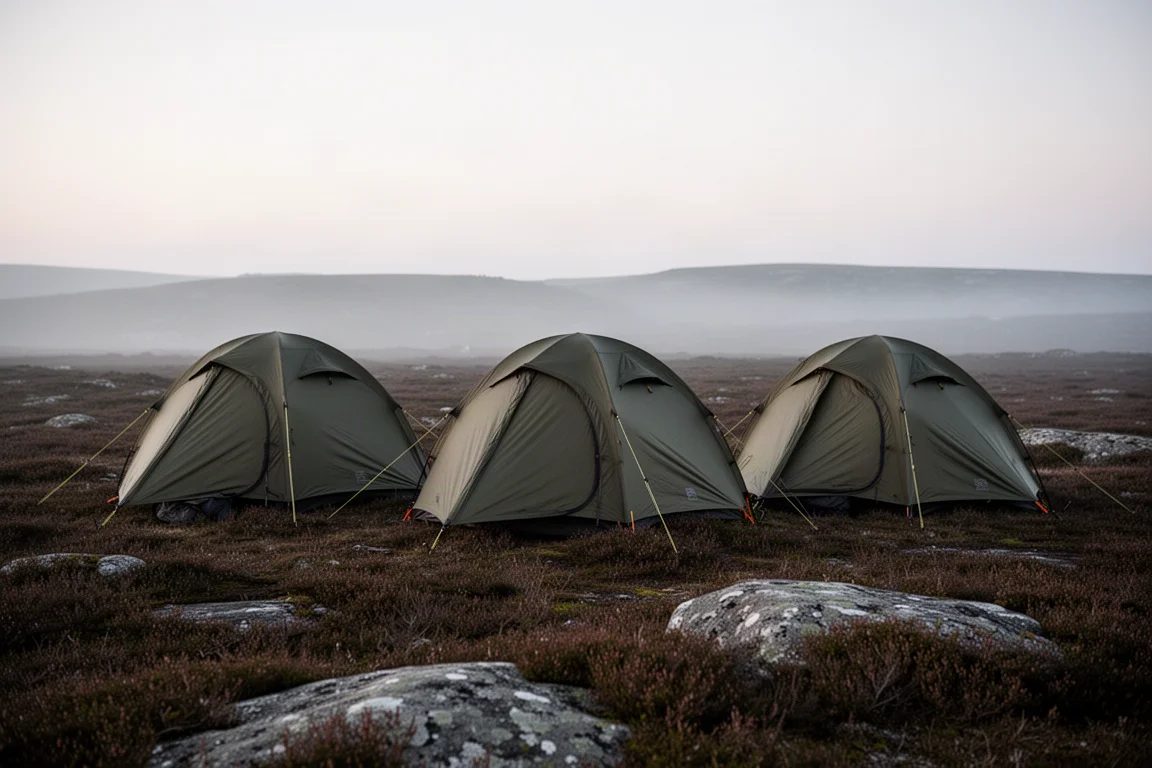
The Hilleberg Unna has long been the tent that backpackers measure four-season shelters against. It pitches by pushing two poles through two sleeves and pegging it out, it is fully freestanding so it stands on its own when there is no wind, and it handles wind, rain and snow without drama. It is also around £820 with a packed weight of about 2.3 kg.
That combination is why the question of a similar tent at roughly half the price and half the weight keeps coming up. There is no perfect answer. Lighter shelters use lighter materials, and lighter materials do not offer the same strength and durability as the heavy-duty fabrics found in a shelter built for extreme conditions. Every option below trades something away, and the useful part is being clear about what.
This guide covers three alternatives alongside the Unna itself as the reference point. None of them is a one-for-one replacement, but each one lands on a different balance of weight, cost and weather protection.
The first step is to be precise about what the Unna actually delivers, because that is the standard everything else is being measured against.
What the Hilleberg Unna Sets as the Benchmark
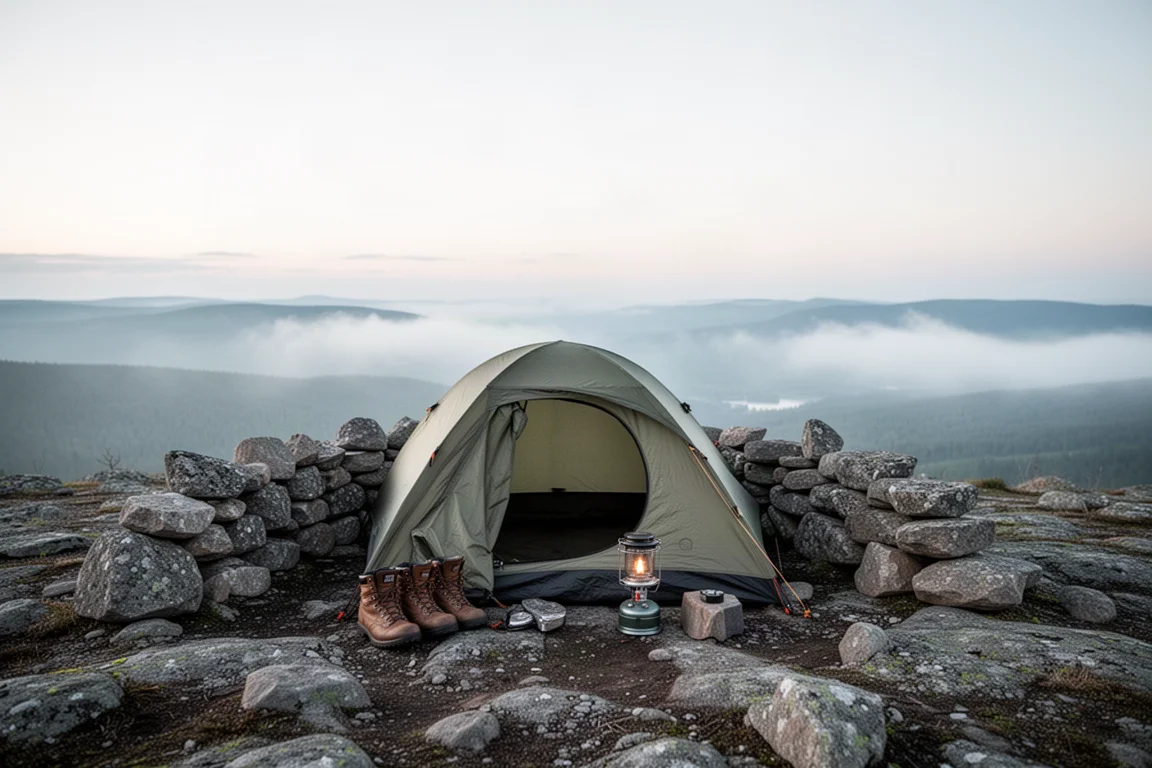
The Unna is a four-season, one-person tent built around a simple two-pole structure. The poles cross to form a dome, the fly sheet runs right down to the ground, and the inner is solid, which keeps out most of what the weather brings. Ventilation options are built in, and the door sits at the front and can be unzipped almost fully when conditions are calm and panoramic views are the point of the trip.
Its reputation comes from how it behaves when the weather turns. Published wind testing has taken the Unna to 67 mph with different pole configurations, and the shelter is proven in some of the worst conditions on the planet. It is also fully freestanding, which means the position can be adjusted after pitching without starting over.
At around 2.3 kg, the weight is reasonable for a shelter with this level of protection, and that is the trade-off at the centre of the whole comparison. Cutting weight means moving to lighter fabrics and a lighter structure, and that always costs some margin in extreme weather.
Durston X-Dome 1 as an Ultralight Freestanding Option
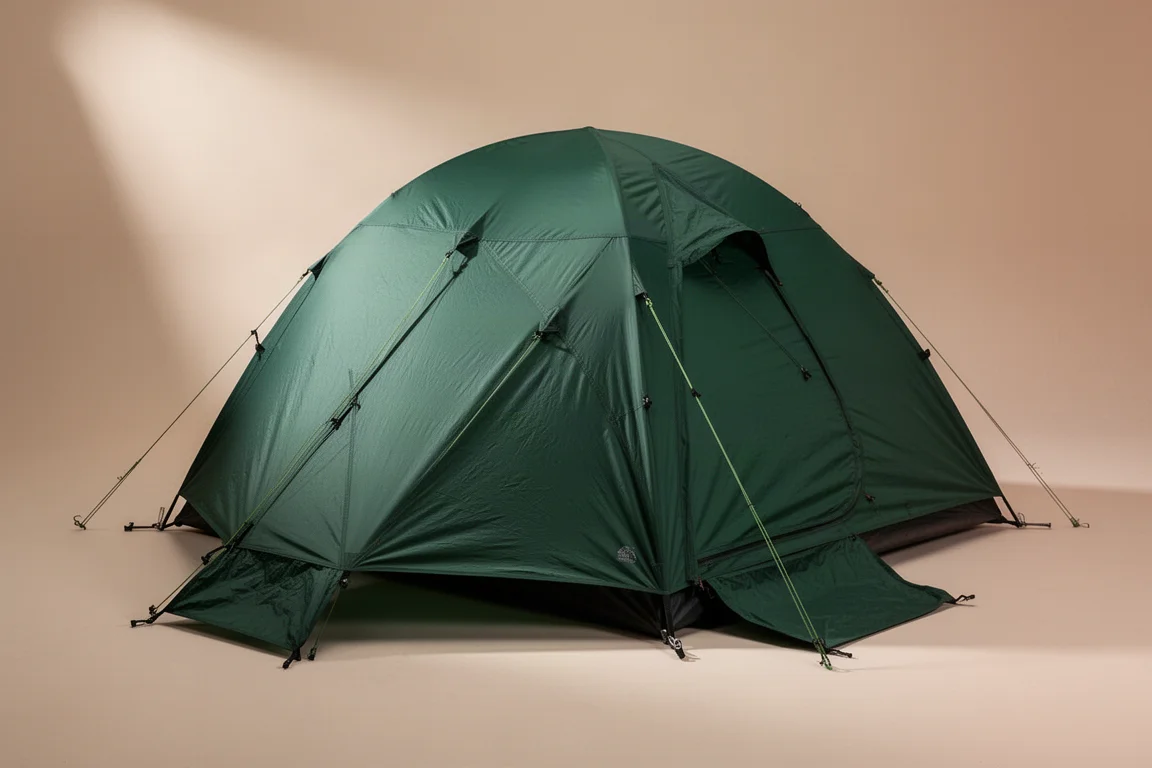
The Durston X-Dome 1 is the lightest tent in this group at 985 g, which is well under half the Unna’s packed weight. It is fully freestanding and uses carbon poles in an exoskeletal layout, so the pole structure sits on the outside of the shelter. The price is around £500 shipped to the UK including fees.
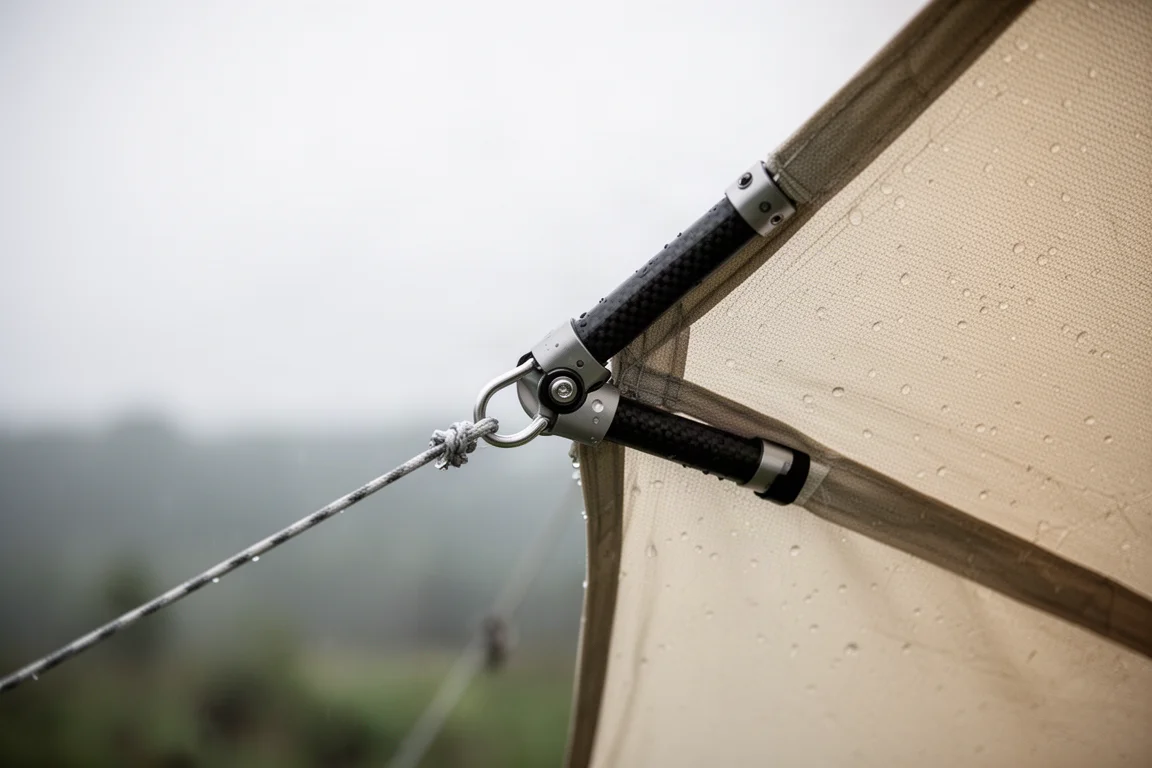
It is a double-skin design with a fully mesh inner, a little solid fabric along the bottom and a bathtub floor. The fly sheet sits slightly above the ground rather than running right down to it, which matters in cold weather and drifting snow, where spindrift can work its way inside.
Durston markets the X-Dome 1 as a stormworthy tent, claiming it is around three times stronger than other ultralight tents in load-bearing demonstrations. That comparison is against other ultralight shelters rather than heavier four-season tents, so it is worth reading carefully. The carbon poles also use a hub system, which is harder to repair in the field if the hub itself fails, and the structure would benefit from more tie-out points for guying in strong wind. For a lot of trips this is a very capable tent. The extremes are where the gap to the Unna shows.
Pretents Border for Four-Season Use With a Vestibule
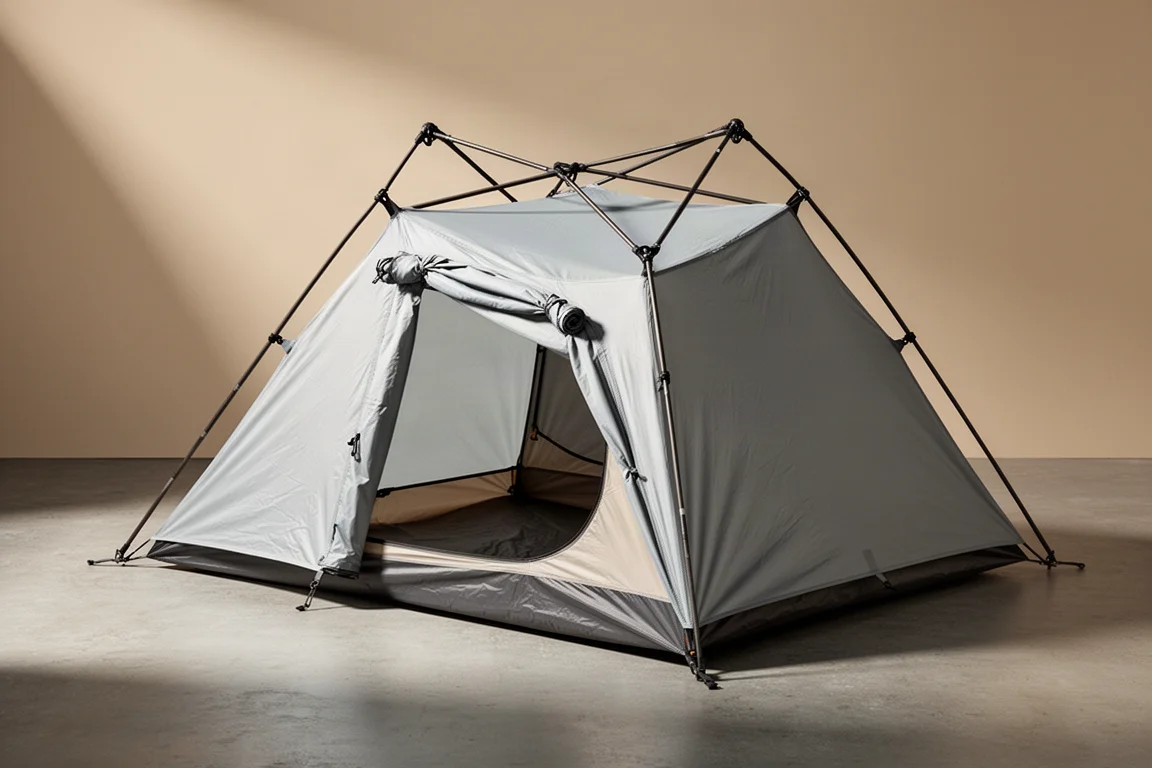
The Pretents Border follows a similar layout to the Unna, with two poles crossing to create a dome shape. It is a four-season tent with a fly that comes down much further than the X-Dome 1’s, and an optional add-on vestibule adds space for getting changed or storing extra gear.
Packed weight is 1.4 kg, so it sits between the ultralight option and the Unna. The price is $578, roughly £460, with possible import fees on top depending on where it is shipped. Inside, there is plenty of space for a solo shelter.
The combination of a lower fly, a four-season build and a vestibule option makes the Border the closest of the three to the Unna’s all-weather character, while staying meaningfully lighter and cheaper.
Tarptent Arc Dome 2 as the Option I Would Choose
The Tarptent Arc Dome 2 is the tent I would spend my own money on. It is a two-person shelter with two poles crossing into a dome, two entrances and two porches, and it looks sturdy in rough conditions. The fly is made from Ultra TNT, a fabric used for competitive yachting sails, which handles stress from different directions and angles well.
That material cannot be stitched effectively, because stitches create tear points, so the shelter is bonded instead, which is part of where its strength comes from. The fabric does not stretch or sag the way silnylon does, which makes it easier to stay dry, though it is white and may be a little noisier in wind. The Arc Dome 2 is fully freestanding and has plenty of tie-out and guying points, with a lot of thought built into the design.
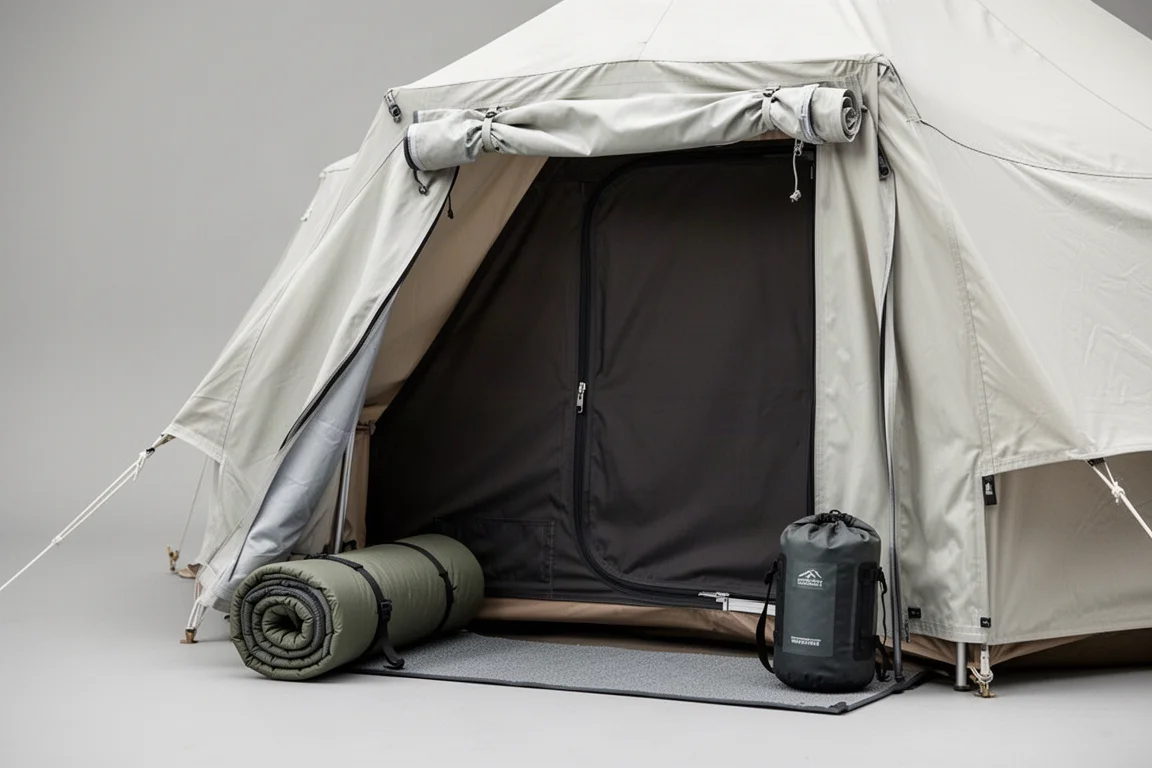
The price is $600, around £470, and it comes with a solid inner and a four-season build. The main criticism is the size of the internal door opening, which is small compared with the Unna’s nearly full-length opening. The inner is offset to create the vestibule space, which is a clever use of the interior.
Buying Advice on Weight, Weather Protection, and Price
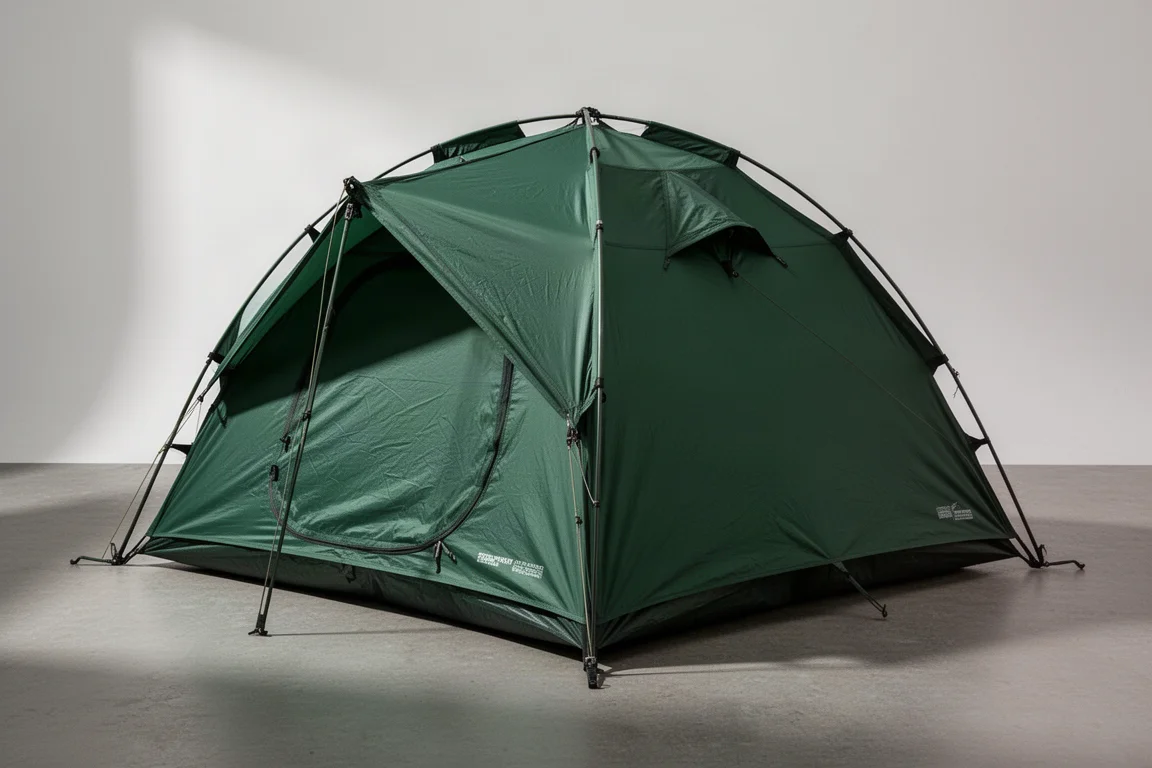
Weight is the least important part of this decision. Around 2 kg is a very reasonable amount to carry, and saving a kilo rarely transforms a trip. The Unna’s price, around £820, is the harder part to justify, and that is the real reason to look at alternatives.
What you give up when you go lighter is margin. If the weather turns and the shelter has to hold, a tent proven in the worst conditions on the planet is the one most people would want around them. That is what the Unna’s price buys: confidence that the tent will get you through the night. The X-Dome 1, the Border and the Arc Dome 2 cover a wide range of three-season and four-season use, but they are not replacements for a shelter built for extremes.
A sensible approach is to match the tent to the trips you actually take. Pick the lightest option that covers the conditions you expect, and treat anything beyond that as a bonus rather than a guarantee. When the forecast is genuinely bad, the simplest saving of all is to go out when the weather is good.
Conclusion
Three alternatives, three different compromises. The Durston X-Dome 1 is the lightest and least expensive route to a freestanding dome, with the caveat that it is currently a three-season shelter. The Pretents Border adds a four-season build, a lower fly and a vestibule option at 1.4 kg. The Tarptent Arc Dome 2 brings a tough Ultra TNT fly, two doors and two porches, and it is the one I would choose.
The Hilleberg Unna remains the reference point, and for good reason. If your trips involve genuinely extreme conditions, it is still the shelter to beat. If they do not, one of these three will very likely do the job for a great deal less money.
Further reading
Related Reviews
Backpacking Tents
3F UL Lanchan Pro 1 Review: A 1 lb 8 oz Single-Wall Trekking Pole Tent
A practical look at the 3F UL Lanchan Pro 1, a single-wall trekking pole shelter with a 1 lb 8 oz weight, 20D silnylon fabrics, and a roomy 90 x 31 x 49 inch interior.
Backpacking Tents
3F UL Taiji 2-Person Tent: A Convertible Backpacking Shelter Worth a Closer Look
A practical look at the 3F UL Taiji two-person tent, covering its materials, true two-person interior, fly-first pitching, and the seasonal inner swap that lets one shelter cover more of the year.
Backpacking Tents
3FUL Lanshan Twoerson Pro Review: A Light Trekking Pole Shelter That Struggled in Rain
A two-person trekking pole shelter with a 2026 redesign, pitched with sticks and put through a night of steady rain. Here is what worked, what did not, and what to check before buying.