Backpacking Tents
Hilleberg Soulo vs Nortent Vern 1: The Best Solo Backpacking Tents Compared
A detailed comparison of two premium solo backpacking tents, covering materials, interior space, ventilation, weather protection and value.
Introduction
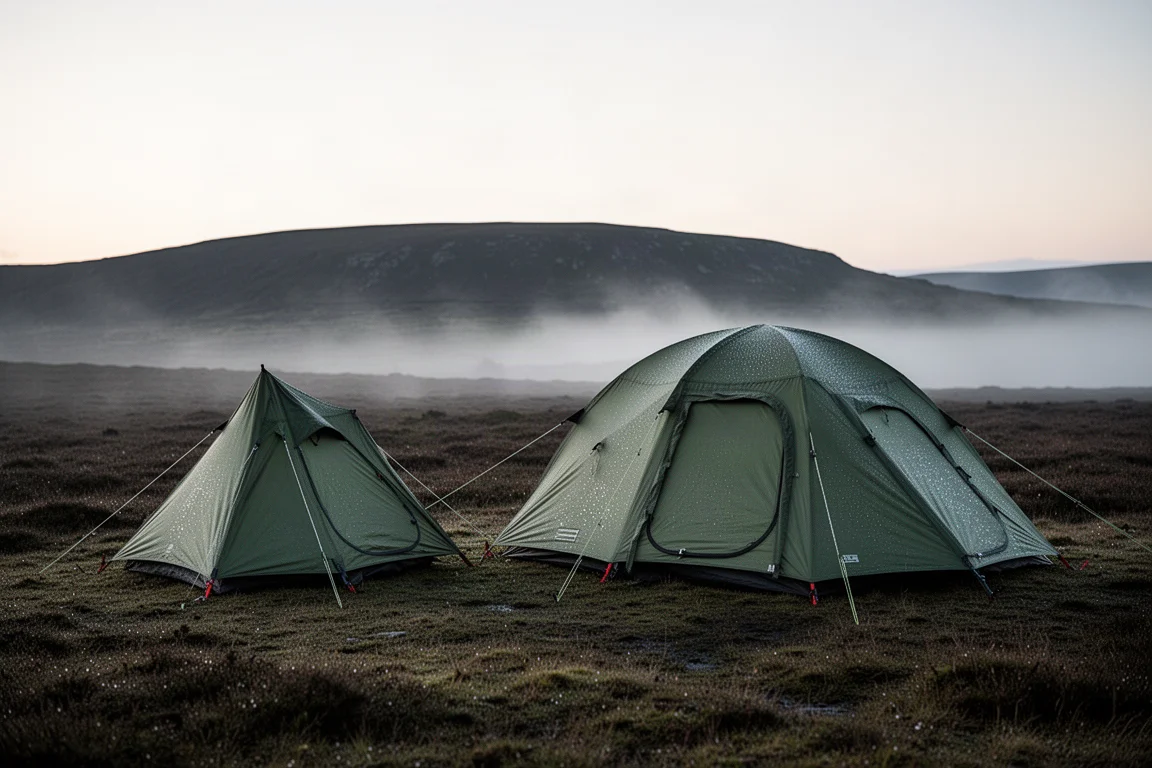
Two solo backpacking tents sit at the top of the market for very different reasons. The Hilleberg Soulo is the established benchmark, a one-person shelter that has been used in severe storms, high winds and torrential rain, and built from materials that reflect that brief. The Nortent Vern 1, in its 2024 form, takes a different route: it accepts a little more weight and a slightly lower specification on paper in exchange for noticeably more interior space, far better ventilation and a much lower price.
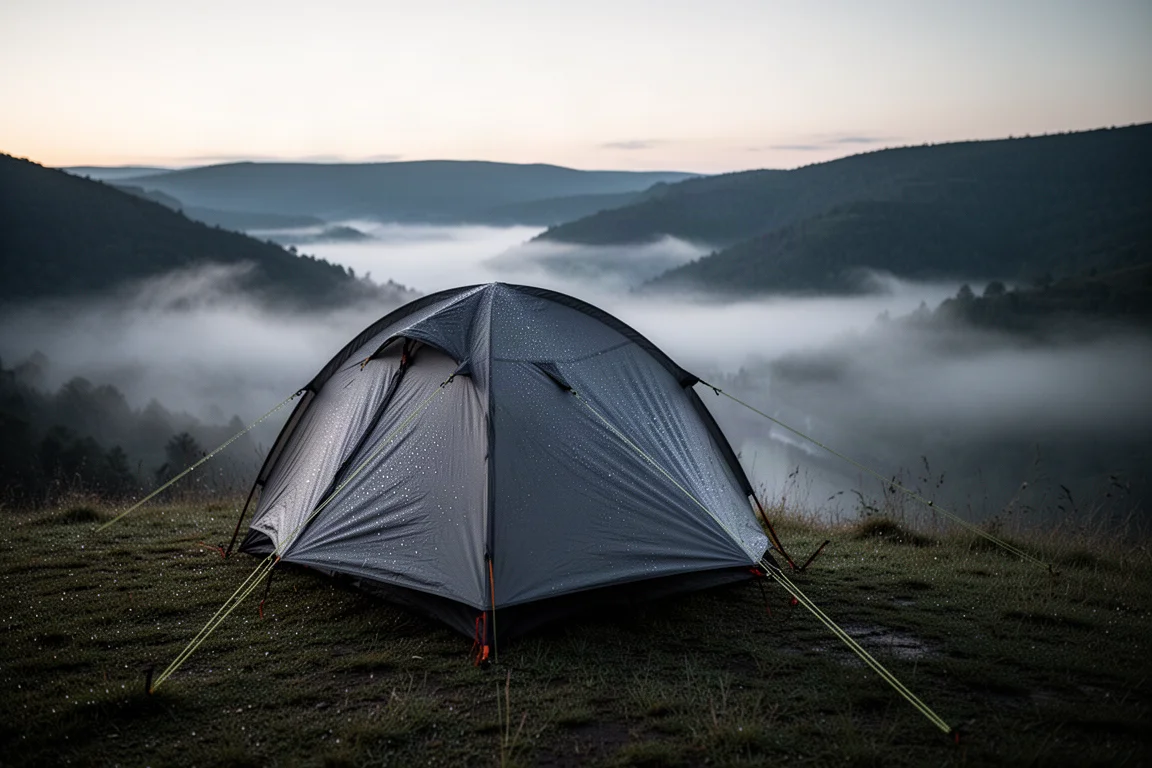
Both are genuine single-person tents rather than shrunken two-person designs, and both are the kind of purchase you make once and keep for years. Choosing between them comes down to what you value more: the absolute confidence of a proven shelter for severe weather, or a more liveable interior that stays comfortable across all four seasons at roughly half the cost.
This comparison looks at the materials, poles, pegs, packed size, interior dimensions and ventilation of each tent, then sets out the type of camper each one suits best.
Key Differences at a Glance
Both tents use 9 mm aluminium poles and a 30D nylon ripstop outer, and both pair that with a 70D bathtub floor. The similarities largely stop there.
The Soulo’s fly is silicon treated on both sides and carries a 5,000 mm hydrostatic head rating, with a 15,000 mm floor. The Vern 1’s fly is rated at 3,000 mm and its floor at 10,000 mm, and it is not stated how many times the fabric has been silicon treated. The Soulo’s inner is a 30D fabric, while the Vern 1’s inner appears closer to 20D.
Weight and packed size are close. The Soulo comes in at 2.4 kg excluding the optional footprint, packing to roughly 43 x 17 cm. The Vern 1 is 2.6 kg excluding its footprint and packs to about 40 x 19 cm, so it is shorter but wider in the bag. Neither includes a compression bag, and both stated pack sizes assume one is used.
Hilleberg Soulo: Built for Severe Weather
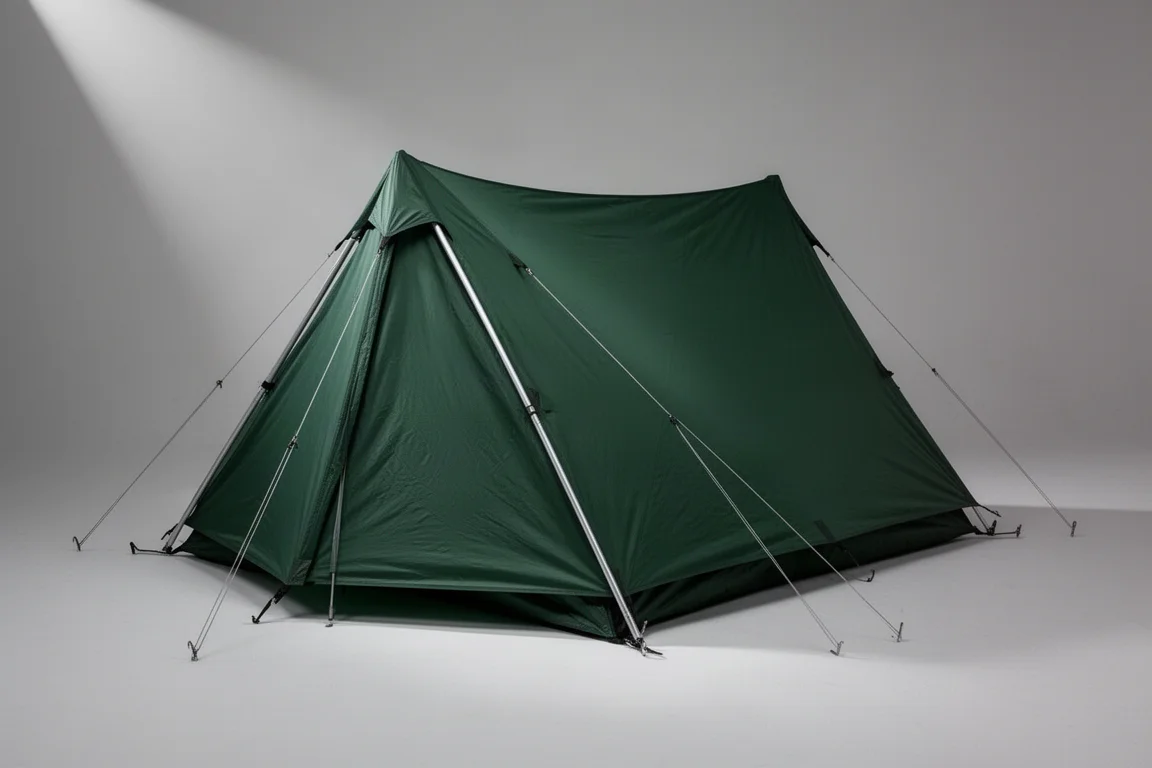
The Soulo is a one-door, one-vestibule solo tent supplied with 12 pegs and generous guy lines. The fly is a 30D nylon ripstop, silicon treated on both sides, with a hydrostatic head rating of 5,000 mm. The inner is 30D and the 70D floor is rated to 15,000 mm, a substantial margin over most tents in this class. The 9 mm aluminium poles are lightweight and pre-curved at the rear, and the fly drops right to the ground, so there is no gap for wind or driven snow to exploit.
Inside, the tent measures 225 cm long and 95 cm high, tapering from 63 cm at the foot end to 105 cm at the middle and 73 cm at the head, a shape that suits mummy-style sleeping pads. There are two pockets and a line for hanging small items. The door design is a real strength: one half unzips as normal, and a second zip lets the entire side of the tent open up.
Ventilation is the clear weak point. One side of the door can be zipped down to mesh, but there are no dedicated vents, so condensation builds quickly in mild or humid conditions, and the tent can become uncomfortably warm on summer nights.
For a smaller camper the space is workable and the sitting height is comfortable in the centre of the tent. Anyone around six foot or taller will likely find it tight, because the usable height narrows quickly away from the centre line.
Nortent Vern 1: More Room and Better Airflow
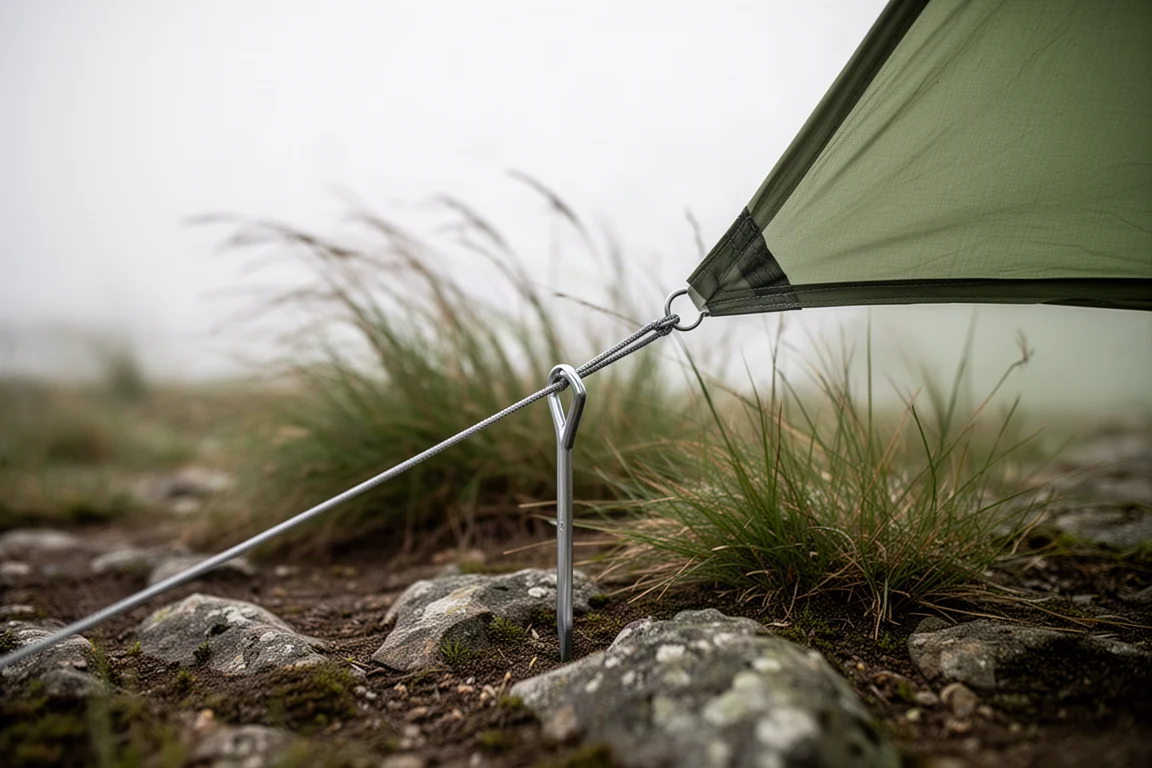
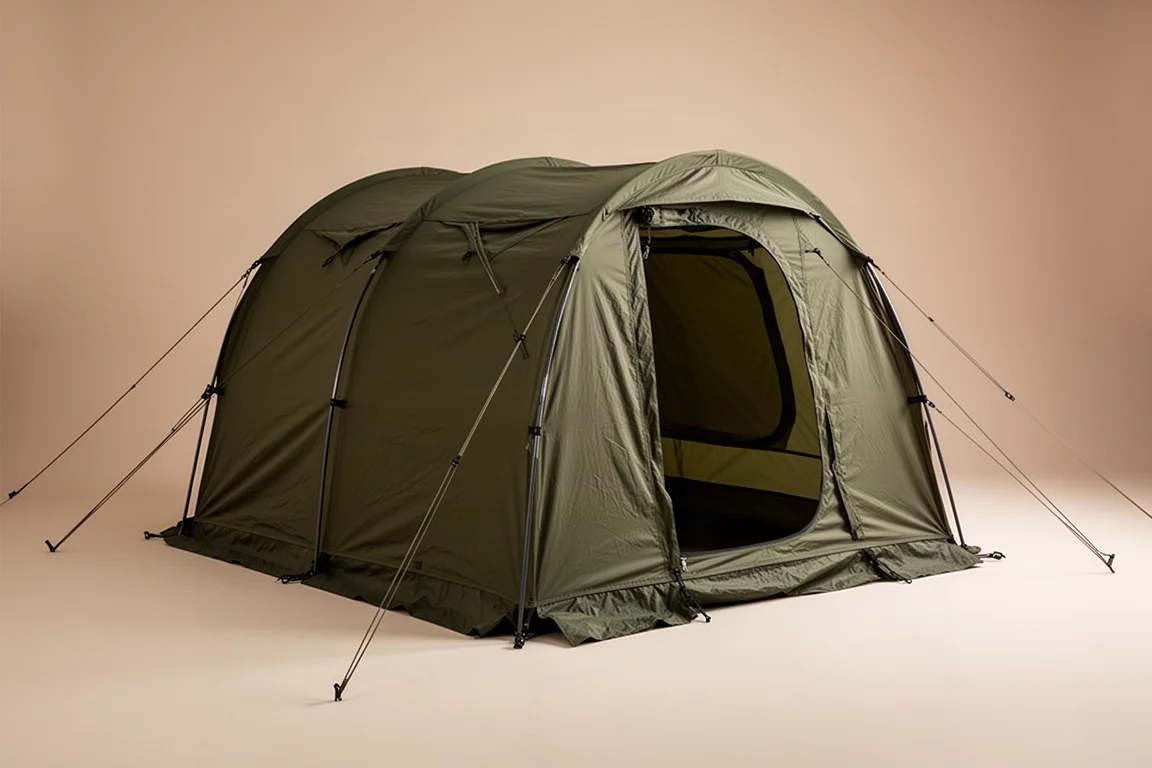
The Vern 1 arrives with 18 pegs and more guy-out points than the Soulo, including points between the poles that let you tension the shelter further. It has a larger overall footprint, though the ends are shaped to be slightly more aerodynamic. The 9 mm aluminium poles are the tent’s own, colour coordinated and shorter than the Soulo’s, and they are straight rather than pre-curved. The pegs are longer, thicker and more pointed, which makes them easier to drive into soft ground and reassuring in windy conditions.
The fly is a 30D nylon ripstop rated to 3,000 mm, and the 70D bathtub floor is rated to 10,000 mm. The inner looks closer to 20D than the 30D used in the Soulo. The vestibule is 65 cm deep, a clear step up from the 50 cm on the Soulo.
Inside, there are six pockets plus a hanging line, so organising gear is far easier. The tent has two doors, a vent at each end and a full see-through mesh panel on the main door, and the zips can be opened to move air through the shelter. The fly still reaches the ground, but extra peg-out points let you pull it back slightly to create airflow underneath, which helps with condensation. One detail worth noting: the vent sits above the right-hand door only, and the left side does not get the same treatment.
The interior is about 240 cm long. The quoted height is 95 cm, though it measures a little lower in practice, and the internal width was measured at around 125 cm against a quoted 135 cm. Either way, there is considerably more usable space than in the Soulo, and opening both doors turns the tent into a genuinely airy place to sit out poor weather.
Interior Space and Comfort
This is where the two tents separate most clearly. A 195 cm long and wide sleeping pad fits into the Soulo with roughly 20 to 25 cm of clearance at the end and 30 to 35 cm across, which is enough for a smaller camper but leaves little room to spread out gear. The Vern 1 takes the same pad with far more left over, closer to 40 cm at the end and 50 cm across, and the extra width is noticeable the moment you sit up.
Headroom is comparable on paper at 95 cm for both, but the shape of the space differs. The Soulo’s peak is concentrated in the centre, so moving either side brings your head close to the ceiling. The Vern 1 keeps its height over a wider area, which makes moving around and changing clothes noticeably easier.
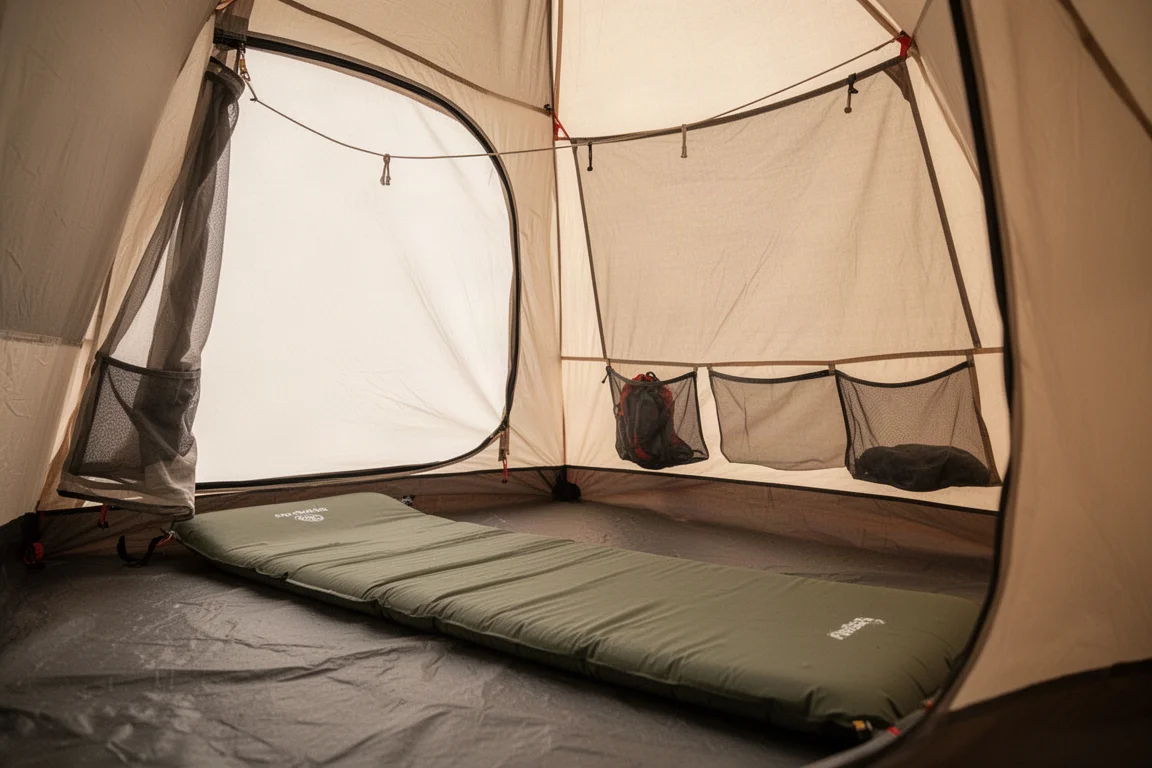
Ventilation is the other deciding factor. The Soulo’s single mesh panel is not enough to clear warm, damp air in summer, and condensation is something you simply have to expect from a tent of this size. The Vern 1’s end vents, mesh door and multiple zip options make it far easier to keep the interior dry, and pairing either tent with an optional footprint helps as well.
Weather Protection and Long-Term Confidence
The Soulo’s advantage is its track record. It has been used in severe conditions for years, its fly, floor and hardware are a step above the Vern 1 in quality, and a Black Label version is available with 40D fabric and 10 mm poles for even harsher use. The materials are rated higher across the board: 5,000 mm against 3,000 mm on the fly, and 15,000 mm against 10,000 mm on the floor.
The Vern 1 is still a premium tent rather than a budget one, and the quality of its construction is high. It pitches quickly and the additional guy-out points make it very stable once tensioned. The open question is longevity. It is a newer design, and it will take a full winter or two of use before it carries the same depth of evidence behind it as the Soulo. On the specification and the way the design behaves in practice, there is no obvious reason to expect problems.
Which Tent Suits Which Camper
If you camp in exposed places through winter, in high wind and heavy rain, and you want the most confidence per gram, the Soulo is the safer choice. It is also the better option for smaller campers who fit its tapered interior comfortably. The trade-offs are the price, which reaches around £1,025 including the optional footprint, and the limited ventilation.
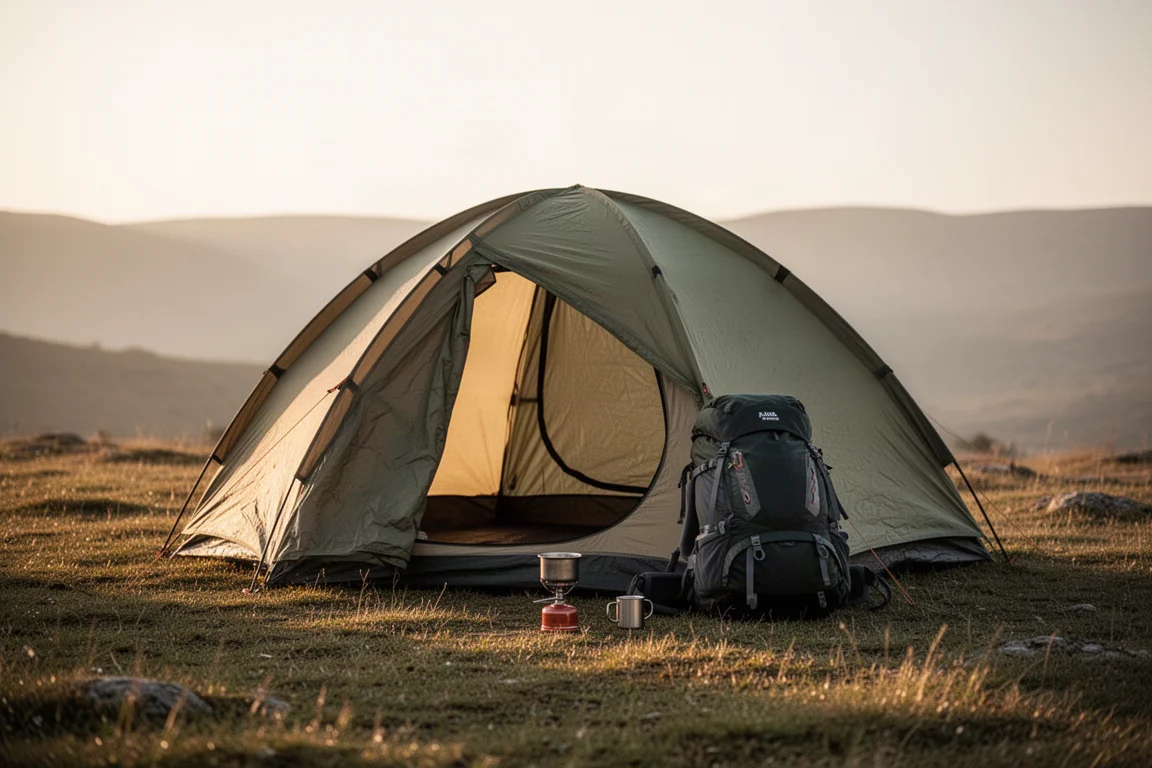
If you are taller, want to use one tent across all four seasons, or simply want more room to live in, the Vern 1 is the more practical tent. It weighs around 200 g more and packs into a slightly bulkier shape, but the extra interior space and the ventilation are worth far more than that in daily use. At under £600 it also costs substantially less, and for many solo backpackers that combination of space and value settles the decision on its own.
Conclusion
Both tents are excellent, and neither buyer is likely to regret the purchase. The Soulo wins on outright build quality, weather ratings and proven durability, and it remains the reference point for a solo shelter in severe conditions. The Vern 1 wins on space, ventilation and value, and for many campers those three things matter more often than the last increment of storm-worthiness. If the decision comes down to a single tent for year-round solo backpacking, the Vern 1 is the easier recommendation, while the Soulo stays the choice for the most demanding conditions.
Further reading
Related Reviews
Backpacking Tents
3F UL Lanchan Pro 1 Review: A 1 lb 8 oz Single-Wall Trekking Pole Tent
A practical look at the 3F UL Lanchan Pro 1, a single-wall trekking pole shelter with a 1 lb 8 oz weight, 20D silnylon fabrics, and a roomy 90 x 31 x 49 inch interior.
Backpacking Tents
3F UL Taiji 2-Person Tent: A Convertible Backpacking Shelter Worth a Closer Look
A practical look at the 3F UL Taiji two-person tent, covering its materials, true two-person interior, fly-first pitching, and the seasonal inner swap that lets one shelter cover more of the year.
Backpacking Tents
3FUL Lanshan Twoerson Pro Review: A Light Trekking Pole Shelter That Struggled in Rain
A two-person trekking pole shelter with a 2026 redesign, pitched with sticks and put through a night of steady rain. Here is what worked, what did not, and what to check before buying.