Backpacking Tents
Hilleberg Niak Review: A Fast-Pitching Three-Season Tent Built for Solo Campers
The Hilleberg Niak pitches inner and outer together, weighs 1.8 kg all in, and uses a strong 20D ripstop nylon fly. Here is where it shines and where it falls short.
Introduction
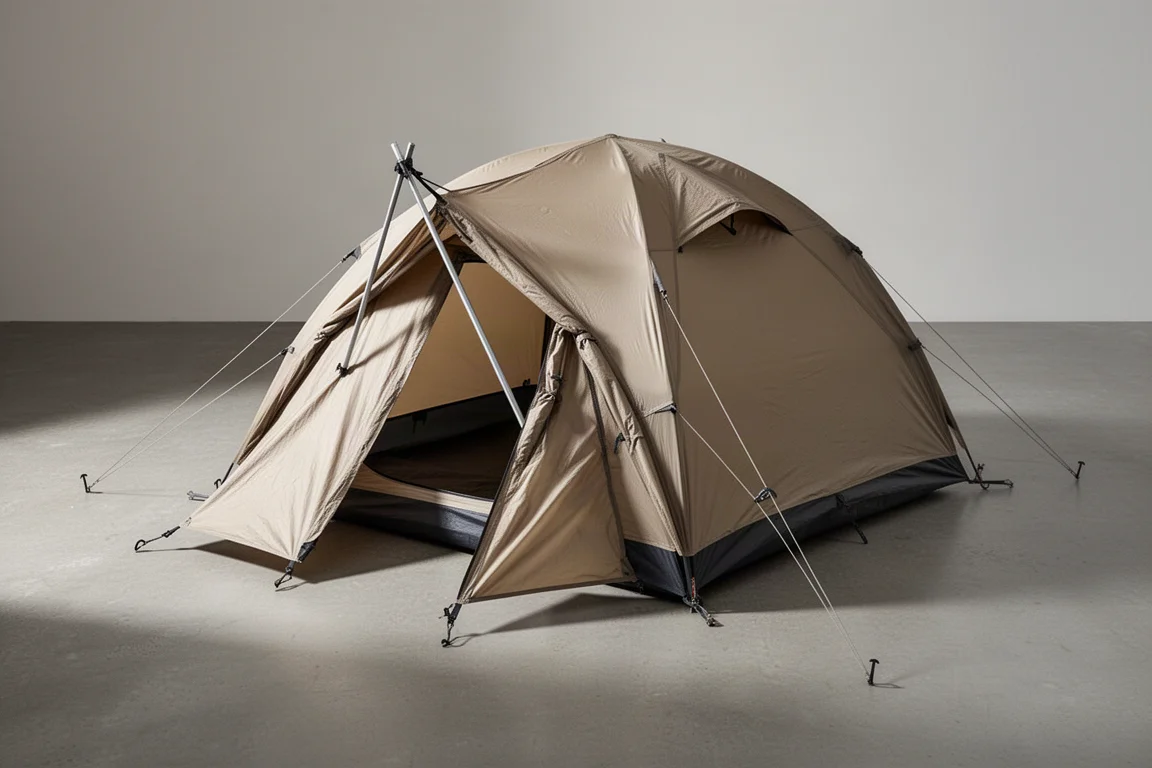
The Hilleberg Niak is a two-person backpacking tent from the brand’s Yellow Label range, which places it firmly in three-season territory. The important caveat is that the Yellow Label designation does not mean fair-weather only. The 20D ripstop nylon used for the fly is genuinely strong, and the fabric is substantially waterproof as well, so the tent can be taken out in adverse conditions with real confidence.
Pitched, the Niak weighs 1.8 kg all in and packs to 46 cm by 14 cm. An optional footprint clips into place underneath and can simply be left attached between trips. Because the inner and outer pitch together as one unit, there is no separate fly to wrestle on in the rain.
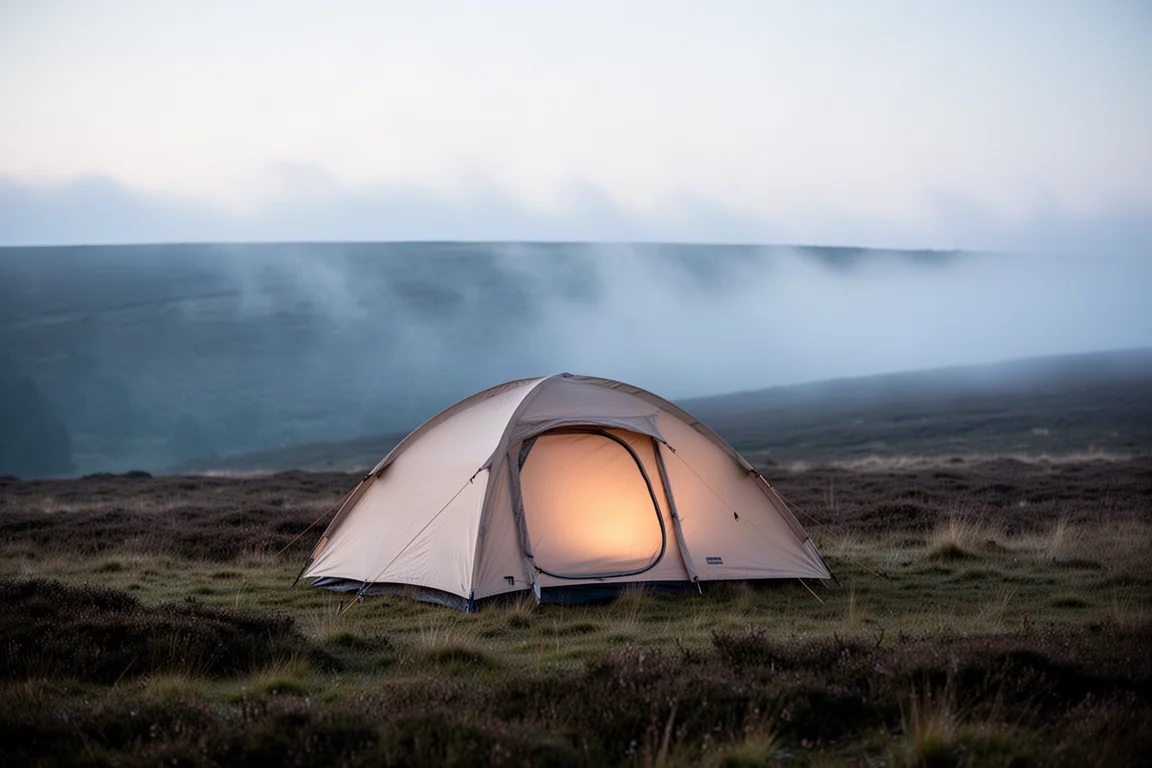
What follows covers how the Niak goes up, how it lives, and the trade-offs worth knowing before you commit. It is a tent with a very clear best use case, and understanding that case is the difference between a brilliant purchase and an expensive compromise.
Who the Hilleberg Niak Is For
The Niak is sold as a two-person tent, but in practice most people use it solo, or take a dog or a child along for company. As a solo shelter it is superb: roomy, quick to pitch, and built to a standard that inspires trust.
As a genuine two-person backpacking tent, there are better options available. The interior becomes a squeeze for two adults, storage space is limited, and a single door means both occupants share one entrance and one small vestibule. Anyone shopping primarily for two-person trips should look at alternatives before settling here.
Main Strengths: Fast Pitching and a Strong Build
Pitching is the Niak’s standout quality. The inner and outer go up together, and the tent uses just two poles, both of the same length, so there is very little that can be assembled incorrectly. The poles are strong, light, and exceptionally well made, and they thread from one side through pole sleeves that are noticeably thick and generous, which minimises the chance of fabric damage. The one detail worth watching is seating the pole end deeply into the far sleeve so the frame sits properly before you tension anything.
In practice the tent is up in a couple of minutes, and pegging it out is just as quick. It has to be one of the easiest tents to pitch, and that matters on a cold, wet evening when you want shelter rather than a project. Ten ultralight pegs come supplied, and they are genuinely good pegs rather than filler.
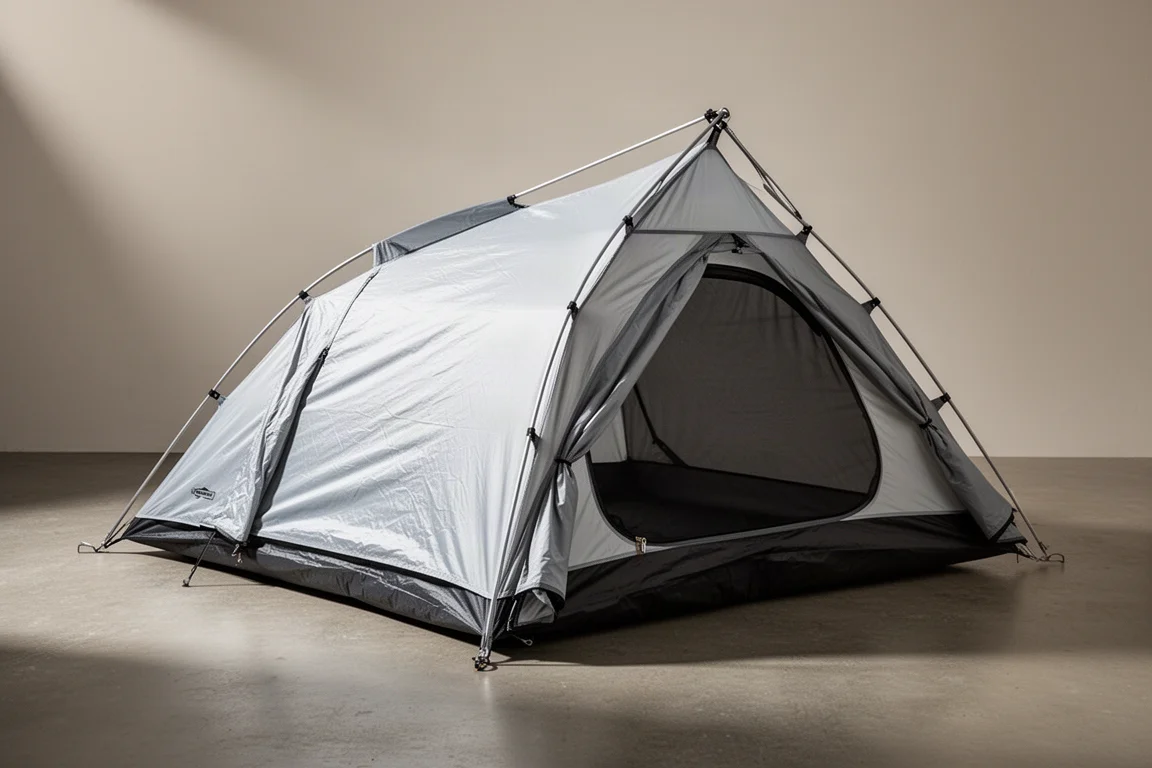
The structure is a classic criss-cross dome that sits close to freestanding, needing only a single peg for the vestibule. Guy-out points sit at each corner of the poles, with an additional mid-point that lets you tie the fly down hard when the wind picks up. The footprint is small, which makes the tent easy to shuffle around and settle into a clean, taut pitch.
Doors can be opened from either side. The right-hand door is the better one to open first, because the storm flap runs over the zip on that side, making it the easier of the two to work.
Living Space and Interior Details
The interior measures 220 cm long, 120 cm wide, and 100 cm high, with a high bathtub floor that keeps ground moisture away from your sleeping setup. Storage is handled by a pocket on one side, tabs suited to a washing line or a lantern, and two further pockets on the opposite side. Everything inside feels heavy duty, from the fixings to the zip, and the overall impression is of a tent that has been assembled with real care even though it sits in the brand’s more accessible range.
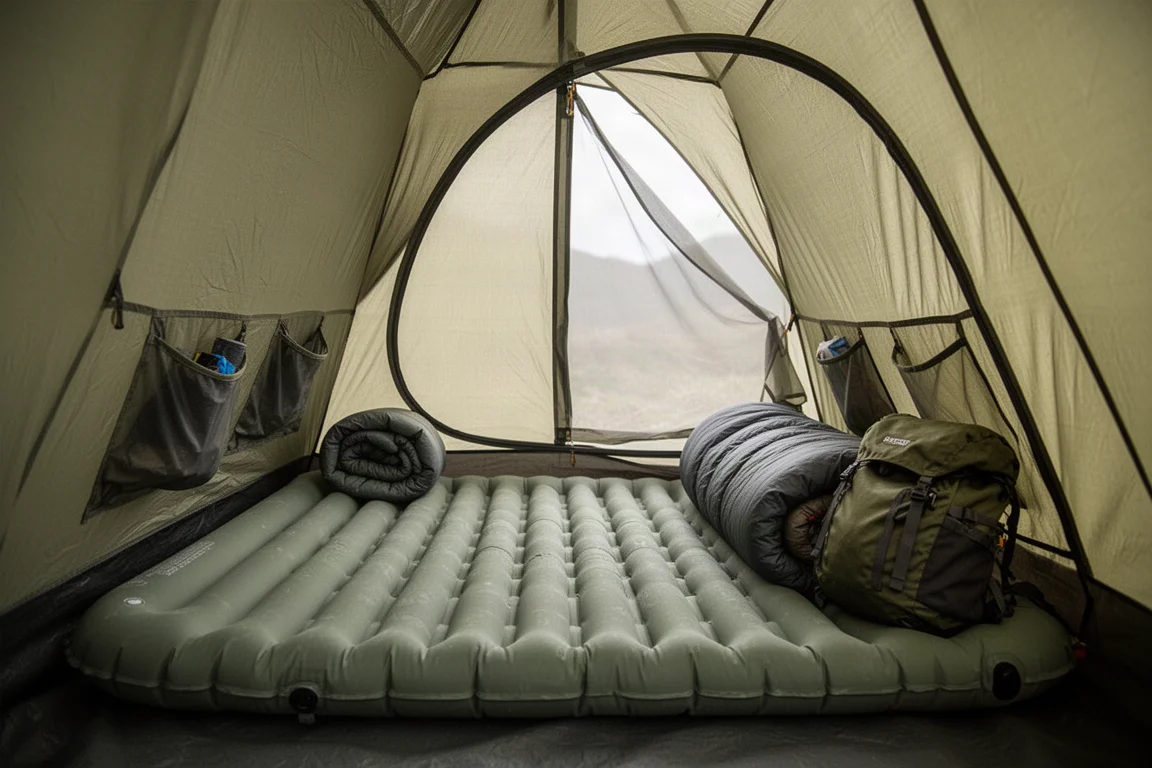
Headroom is generous. At 172 cm with a hat on, there is still around 5 cm of clearance above the head, which is unusual for a tent this light. That space translates into a genuinely pleasant solo layout: a sleeping pad towards the back, belongings along the sides, room to sit up, and room to cook under cover.
The vestibule is quoted at 65 cm, but it does not feel that size in use. The door slopes in from the middle, so the usable depth is noticeably shallow, and two occupants would find gear storage awkward. For one person it is perfectly workable.
Weather Protection and Ventilation
The 20D ripstop nylon fly is strong for its weight and substantially waterproof, and the tent feels secure when the wind builds. With the exception of the door, the inner is solid fabric, so a correctly pitched Niak should not leave you sitting in a chilly draught during colder trips.
The door itself is entirely see-through mesh with double zips, and it delivers a substantial amount of ventilation. That is a real benefit in warm or humid conditions. It is also the tent’s most obvious missed opportunity: there is no option to close off the door with a solid panel, and a zippable solid mesh door would have made the Niak far more versatile for cold-weather camping.
Rain performance is solid, with one practical caveat. If rain is falling from directly overhead, it can come down into the vestibule unless the door is zipped further closed, and closing it further reduces the already modest vestibule space.
Things to Consider Before Buying
Several points are worth weighing honestly before you buy.
The door is mesh only, with no solid panel to seal out drafts, which limits how comfortable the tent feels in genuinely cold conditions despite its three-season billing. The vestibule is smaller in use than its quoted measurement suggests, because the sloping door eats into the usable depth. A single door is a real constraint for two occupants, and the interior becomes tight once two people and their kit are inside. There is also no escaping the price, which is substantial for a three-season tent.
What the Niak Costs and Where It Fits
The tent is listed at around 970, with the optional footprint adding roughly 80 more. That is a considerable sum for a three-season shelter, and value for money is the hardest argument to make here. Within the brand’s own line-up, the four-season models are generally regarded as the better value, and they are the tents to look at if you want the most capability for your money.
What you are paying for with the Niak is not features or capacity. It is build quality, a fast and simple pitch, and a lightweight package that can be compressed further by removing the poles and packing the fabric into a dry bag, which makes it a very small load to carry.
Buying Advice
If you want a simple, exceptionally well-made three-season tent for solo trips, the Niak is easy to recommend. It goes up in minutes, it handles wind and rain without drama, it offers generous headroom for its weight, and the fabric is far tougher than its 20D specification might suggest. Campers who occasionally bring a dog or a child along will also find the space works well.

If your trips are usually shared, or you need a large vestibule to organise kit for two, this is not the tent to buy. In that case, the money is better spent elsewhere in the same range or on a dedicated two-person design. The Niak rewards a specific kind of buyer, and for that buyer it is excellent.
Conclusion
The Hilleberg Niak is an exceptionally well-made tent with one of the quickest and simplest pitches available, a strong and substantially waterproof 20D ripstop nylon fly, and a comfortable interior for one person. Its weak points are a mesh-only door with no solid option, a vestibule that feels smaller than advertised, and a price that is hard to justify for a three-season shelter. Buy it as a durable, fast-pitching solo tent and it will serve you well for years. Buy it expecting a roomy two-person base and you will be disappointed.
Product link
View more details for Hilleberg Niak
This product is mentioned in the review. Check the specifications, options, and compatibility before buying.
View more details for Hilleberg NiakFurther reading
Related Reviews
Backpacking Tents
3F UL Lanchan Pro 1 Review: A 1 lb 8 oz Single-Wall Trekking Pole Tent
A practical look at the 3F UL Lanchan Pro 1, a single-wall trekking pole shelter with a 1 lb 8 oz weight, 20D silnylon fabrics, and a roomy 90 x 31 x 49 inch interior.
Backpacking Tents
3F UL Taiji 2-Person Tent: A Convertible Backpacking Shelter Worth a Closer Look
A practical look at the 3F UL Taiji two-person tent, covering its materials, true two-person interior, fly-first pitching, and the seasonal inner swap that lets one shelter cover more of the year.
Backpacking Tents
3FUL Lanshan Twoerson Pro Review: A Light Trekking Pole Shelter That Struggled in Rain
A two-person trekking pole shelter with a 2026 redesign, pitched with sticks and put through a night of steady rain. Here is what worked, what did not, and what to check before buying.