Backpacking Tents
Hilleberg Nallo 3 Review: A Three-Person Tunnel Tent Built for Bad Weather
An expedition-grade three-person tunnel tent that trades freestanding convenience for interior space, weather confidence, and a packed weight of around 2.6 kg.
Introduction
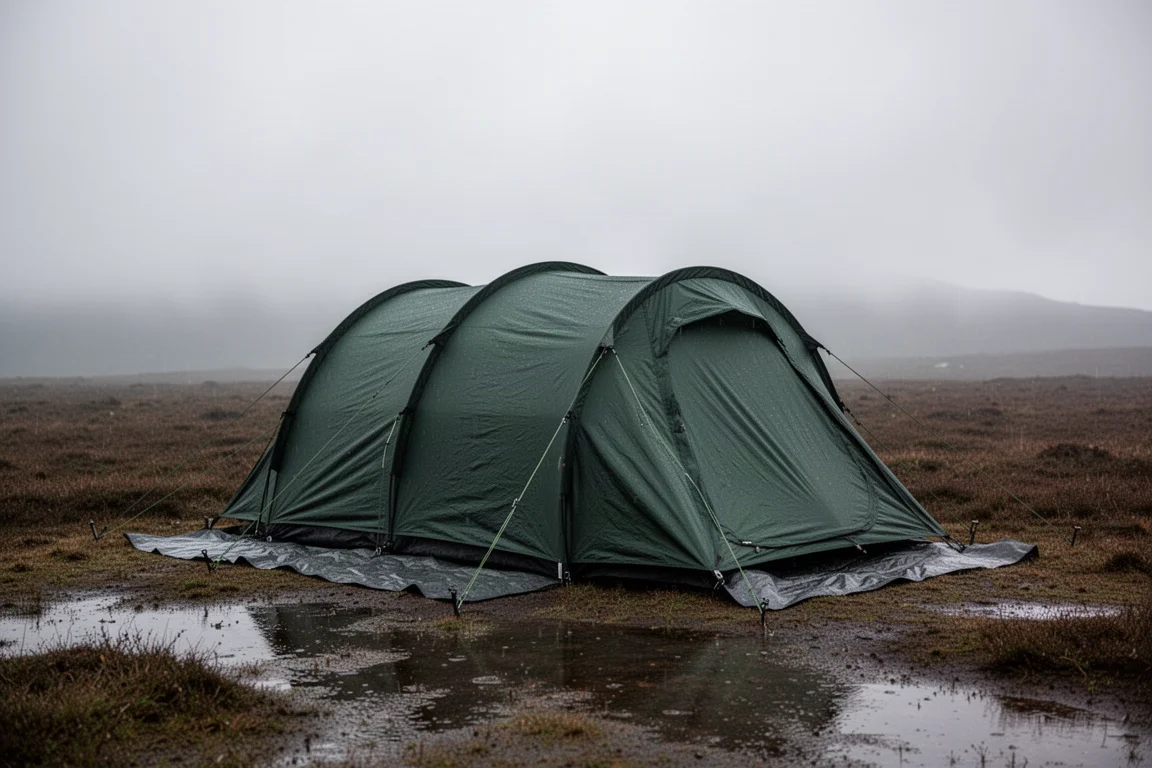
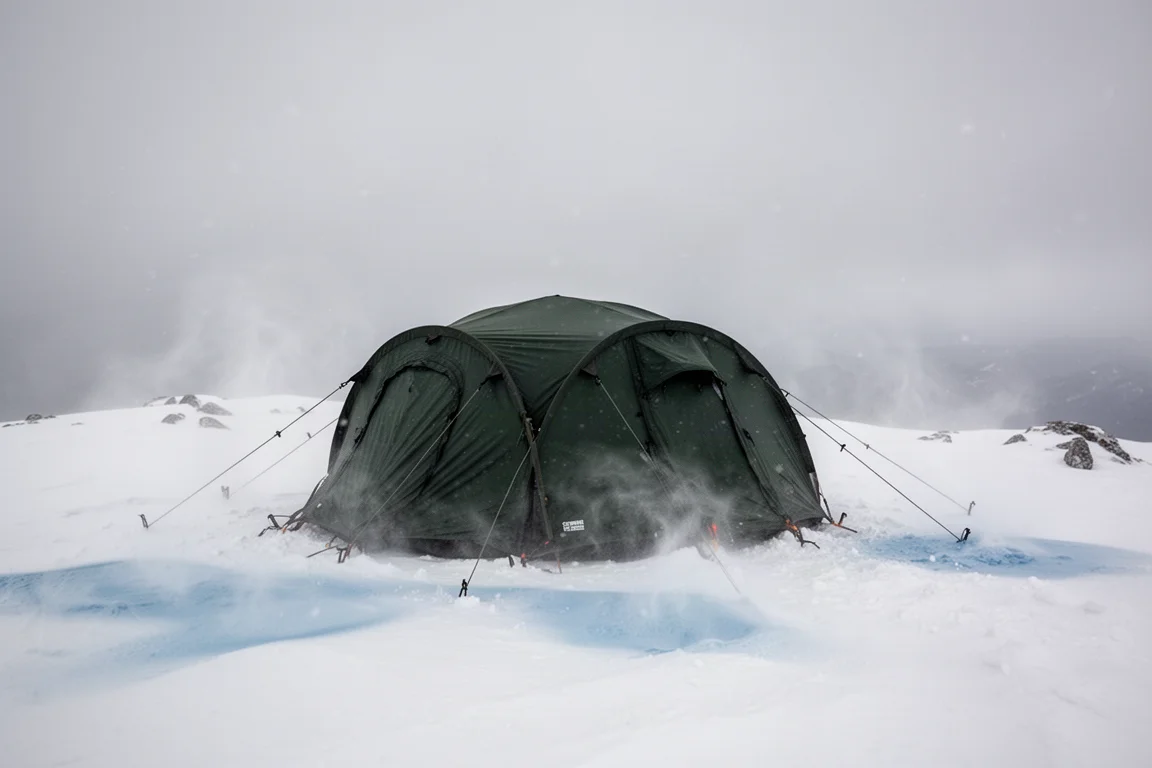
Some tents are bought for mild summer weekends. The Hilleberg Nallo 3 is bought for the trips that other people cancel. It is a three-person tunnel tent from a brand whose shelters are designed for expedition use, and its purpose is simple: to stay solid and stay standing when the weather turns genuinely unpleasant.
The thinking behind it is a deliberate trade. Tunnel tents use less pole structure than geodesic designs, which keeps weight and packed bulk down, but they are not freestanding and they rely on being pitched correctly with well-placed stakes. In return, they offer a large amount of interior volume for the weight carried. The Nallo 3 comes in at around 2.6 kg, roughly 200 g more than the two-person version of the same tent. For that modest penalty, three-person volume is a straightforward proposition.
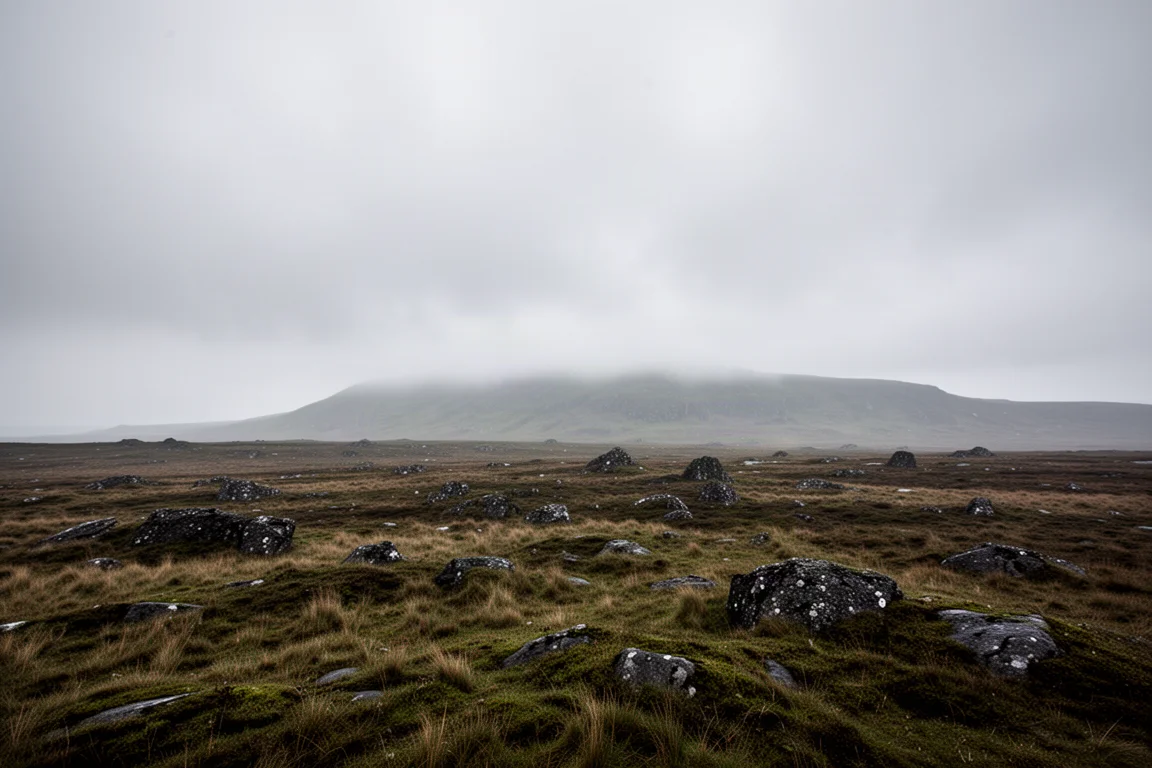
It is not a tent for every trip. It is a tent for the trips where confidence in the shelter matters more than shaving the last few hundred grams from a pack.
Who This Product Is For
The Nallo 3 suits backpackers who camp in exposed places and want a shelter that does not need to be babysat through a bad night. It is aimed at people who deliberately go out when conditions are rough, including summit trips and winter camping where long hours are spent inside the tent rather than moving.
It also suits couples and small groups who value comfort in camp. The three-person layout allows two people to spread out, sit up, get changed and use wide sleeping pads without feeling crammed, and the deep vestibule gives a covered place to strip off wet gear before getting into the sleeping area.
It is a poorer match for anyone who needs a freestanding pitch, such as rocky or hard ground where stakes will not hold well. It is also not the right choice for campers who want the lightest possible shelter or who only camp in settled summer weather, because the extra strength and volume are paid for in weight and packed size.
Main Strengths
The strengths here are not about clever features. They are about the fundamentals: strength, space, and a weight that remains carryable for what the tent is.
Weather Protection and Construction
Construction is where the Nallo 3 makes its case. The design uses reinforced pole sleeves and robust metal rings for the pegs, and the fly fabric has a tear strength high enough that it cannot be ripped apart by hand. Those are the details that matter when wind loads a tent for hours rather than minutes.
The brand’s shelters have a long history of use in Arctic conditions and on Everest expeditions, and that heritage is the reason Hilleberg tents are widely described as overkill for most UK conditions. That headroom is the point. A tent that is over-specified for a typical night has room to spare on the night that is not typical.
Space and Livability
Interior volume is the second argument. The entrance is very large, and the vestibule has enough room to sit in while removing wet clothing. Inside, there is enough height to kneel up and enough floor area to get changed standing or crouched, which matters far more in winter than it does in July.
Two wide sleeping pads fit comfortably, and there is a line inside for hanging damp kit. Long winter nights of ten to sixteen hours inside a shelter are exactly the scenario this layout is designed around.
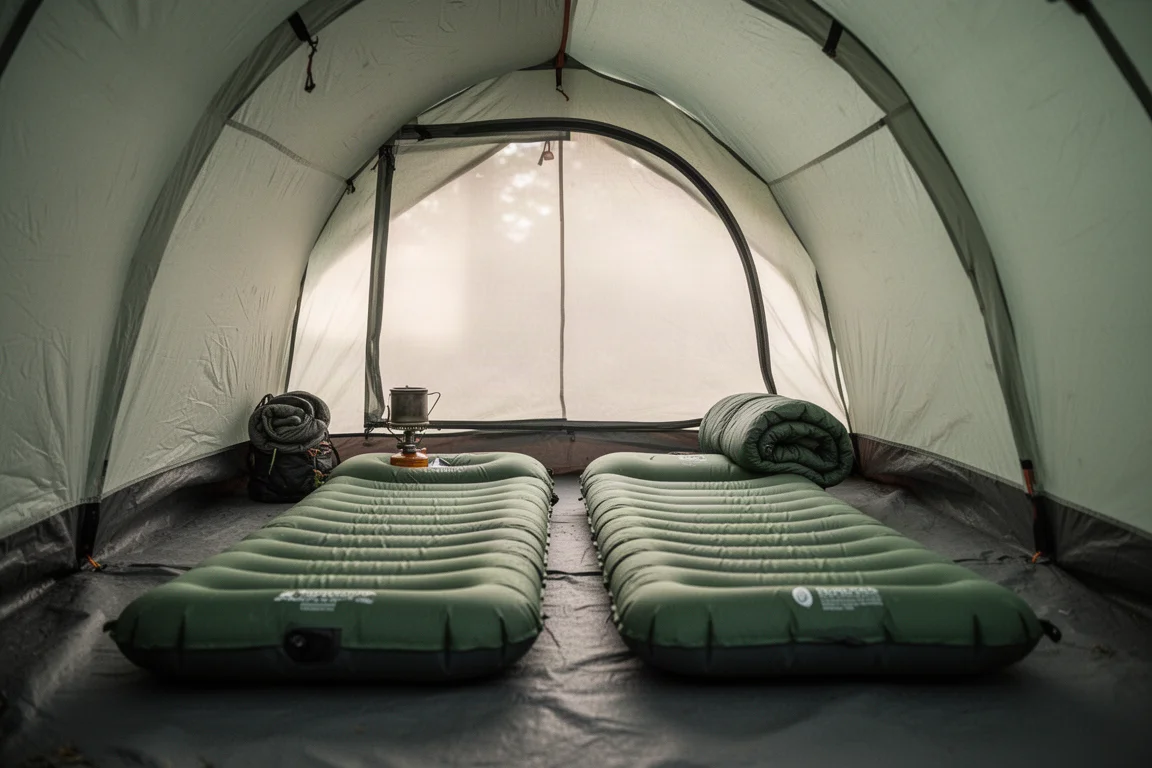
That livability is what separates a tent you tolerate from a tent you are glad to be in when the forecast goes wrong.
Packed Weight and Portability
At around 2.6 kg, the Nallo 3 is not ultralight by summer backpacking standards, but for an expedition-grade tent of this size it is genuinely light. Geodesic two-person expedition alternatives weigh in the region of 3.4 kg, and some are over 4 kg, which is a significant amount of extra load on a long approach.
The three-person version is also only about 200 g heavier than the two-person Nallo, which makes the larger size an easy decision for anyone who wants the space. It packs down small as well, so it does not dominate a pack the way its interior volume might suggest.
Things to Consider Before Buying
Two things are worth thinking through carefully before committing: the footprint you will be pitching on, and whether you actually need this level of shelter.
Footprint and Pitching Space
The footprint is sold separately and costs around £125, which is a lot for a groundsheet and may not feel like good value. It is a genuine extra cost on top of an already expensive tent, so it is worth deciding up front whether you want it.
Pitching space is the other practical constraint. Because the Nallo 3 is a larger tunnel tent, it needs a bigger, more open patch of ground than a small solo shelter, which narrows the options when choosing a wild camping spot. Tunnel tents are also not freestanding, so they need ground that accepts stakes and a pitch that is lined up sensibly against the wind.
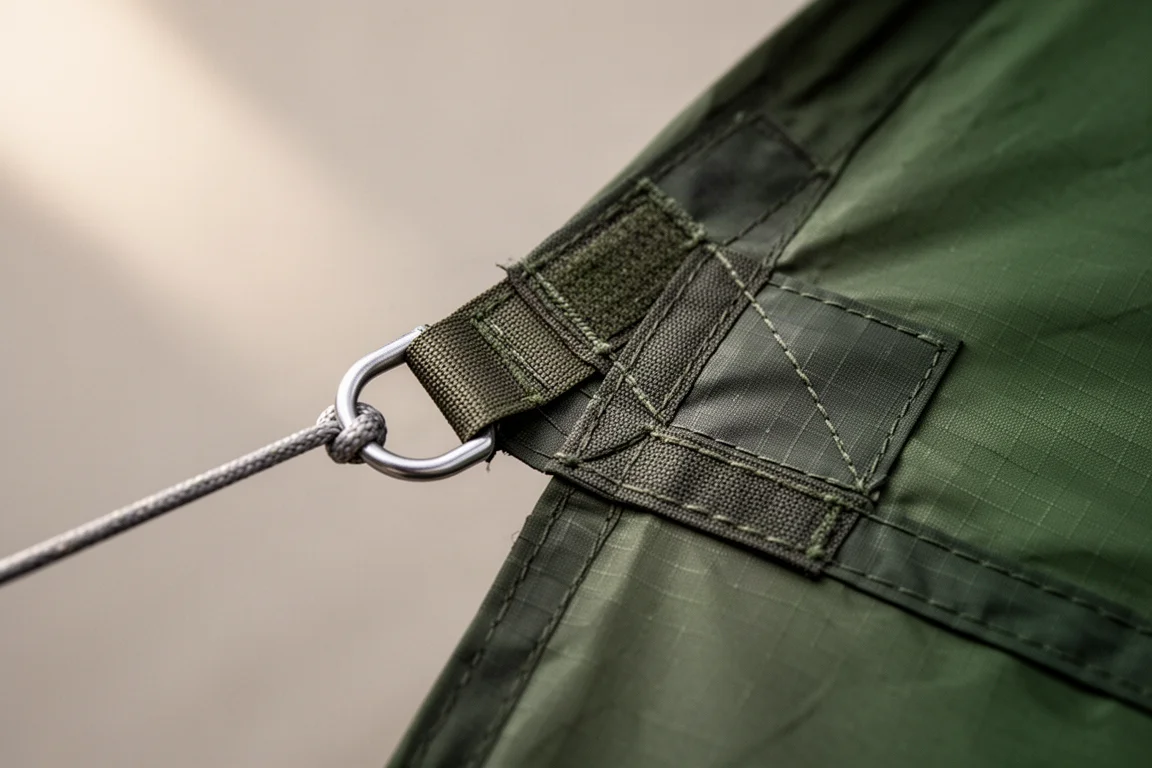
Pitching technique is part of the deal here. The tent’s strength depends on being pitched correctly, and that takes a little practice before it becomes quick and automatic.
Weather Limits and Weight Trade-Offs
This is a specialist shelter, and it is honest about that. It is overkill for most camping, and it is not intended as an all-year-round tent for general use. Anyone who mostly camps in fair conditions will be carrying weight and bulk they never use.
It is also heavier and bulkier than lightweight three-season alternatives, and the interior space does not change the fact that it is still a tent. If your trips rarely involve strong wind, heavy rain or snow, a simpler and lighter shelter will serve you better.
Buying Advice
Buy the Nallo 3 if you camp in exposed places and want a shelter that removes weather from the list of things you worry about. It makes most sense for winter camping, summit trips and anyone who spends long, dark hours inside a tent and wants that time to be comfortable rather than merely survivable.
If you are deciding between sizes, the two-person version saves only about 200 g, so the three-person model is the more flexible choice for couples, small groups, or solo campers who want room to spread out. If you want to save weight and genuinely do not need the space, the smaller version is the logical pick.
On the footprint, treat it as a separate decision rather than an automatic add-on. It adds real cost, and whether it earns that cost depends entirely on how often you pitch on wet or abrasive ground.
Finally, be realistic about your own trips. This is a tent that rewards the camper who goes out in bad weather on purpose, and it is money poorly spent by anyone who does not.
Conclusion
The Hilleberg Nallo 3 is a specialist tool, and it behaves like one. It is not freestanding, it is not the lightest option, and it is not cheap once the footprint is added. What it offers in return is expedition-grade construction, a generous and genuinely livable interior, and a packed weight of around 2.6 kg that remains reasonable for the level of protection on offer.
For campers who head out into rough conditions and want to stop worrying about whether the shelter will hold, that trade makes a great deal of sense. For everyone else, it is more tent than the trip requires, and that is worth admitting before you buy.
Product link
View more details for Hilleberg Nallo 3
This product is mentioned in the review. Check the specifications, options, and compatibility before buying.
View more details for Hilleberg Nallo 3Further reading
Related Reviews
Backpacking Tents
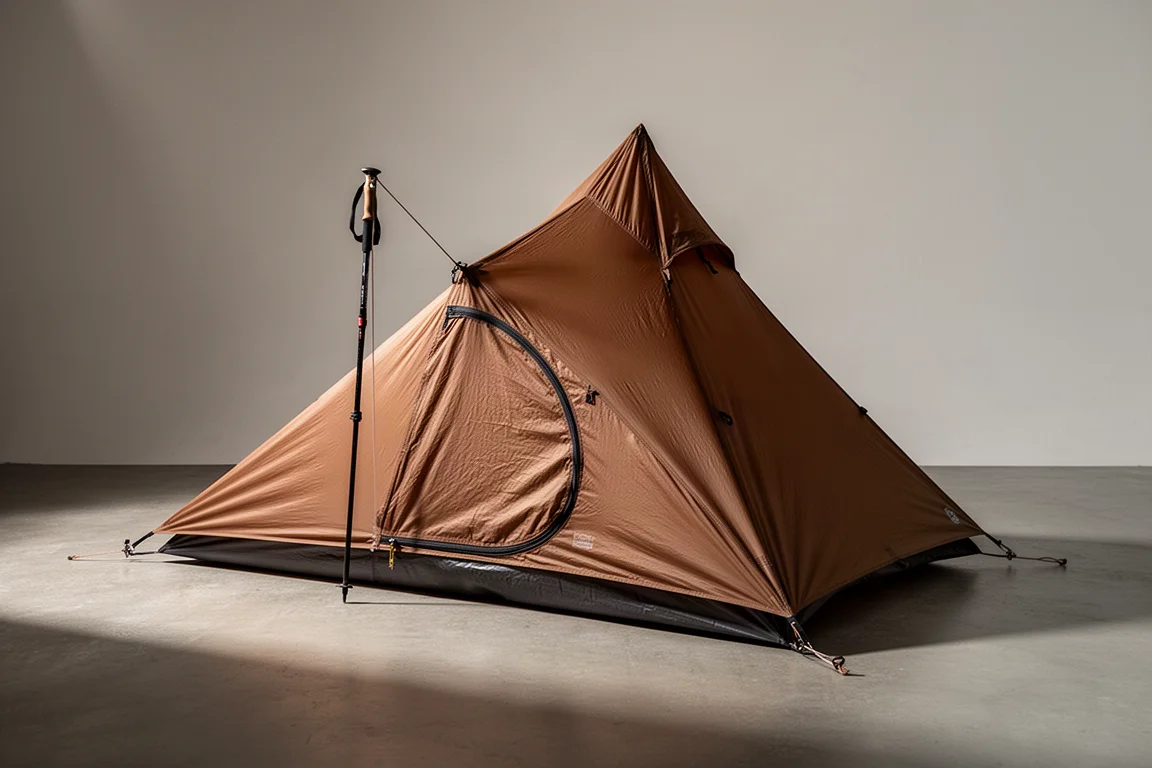
3F UL Lanchan Pro 1 Review: A 1 lb 8 oz Single-Wall Trekking Pole Tent
A practical look at the 3F UL Lanchan Pro 1, a single-wall trekking pole shelter with a 1 lb 8 oz weight, 20D silnylon fabrics, and a roomy 90 x 31 x 49 inch interior.
Backpacking Tents
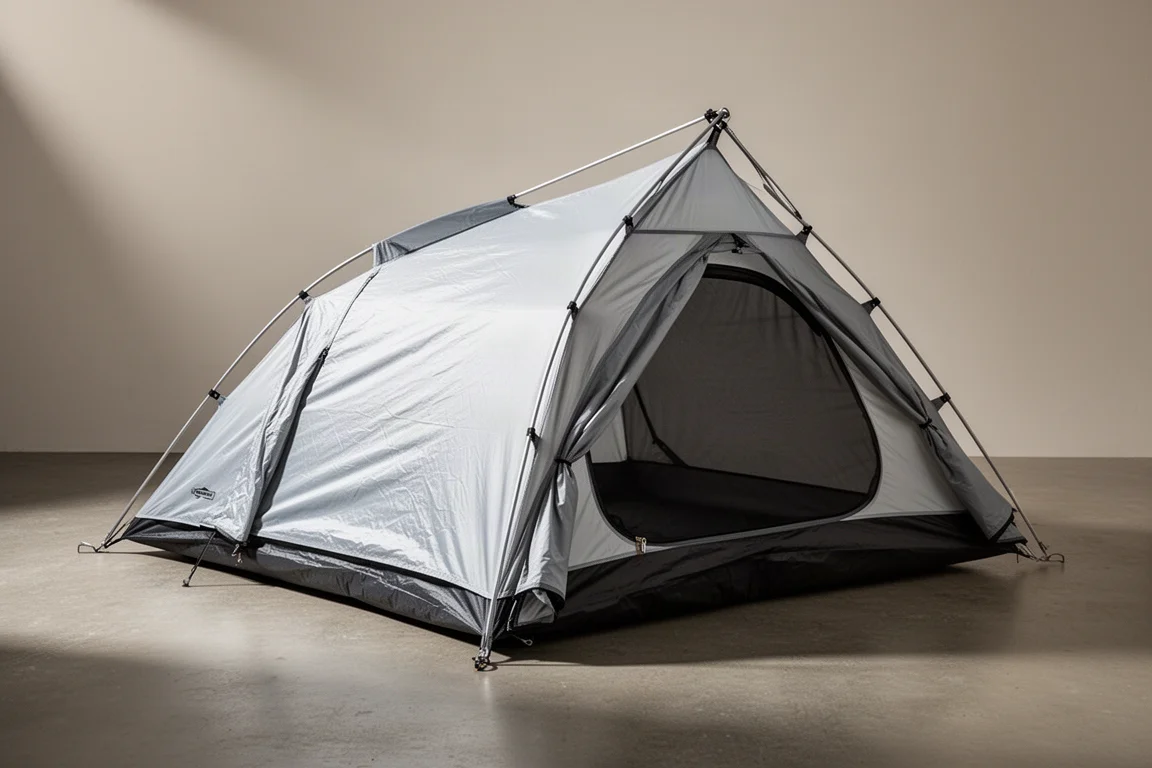
3F UL Taiji 2-Person Tent: A Convertible Backpacking Shelter Worth a Closer Look
A practical look at the 3F UL Taiji two-person tent, covering its materials, true two-person interior, fly-first pitching, and the seasonal inner swap that lets one shelter cover more of the year.
Backpacking Tents
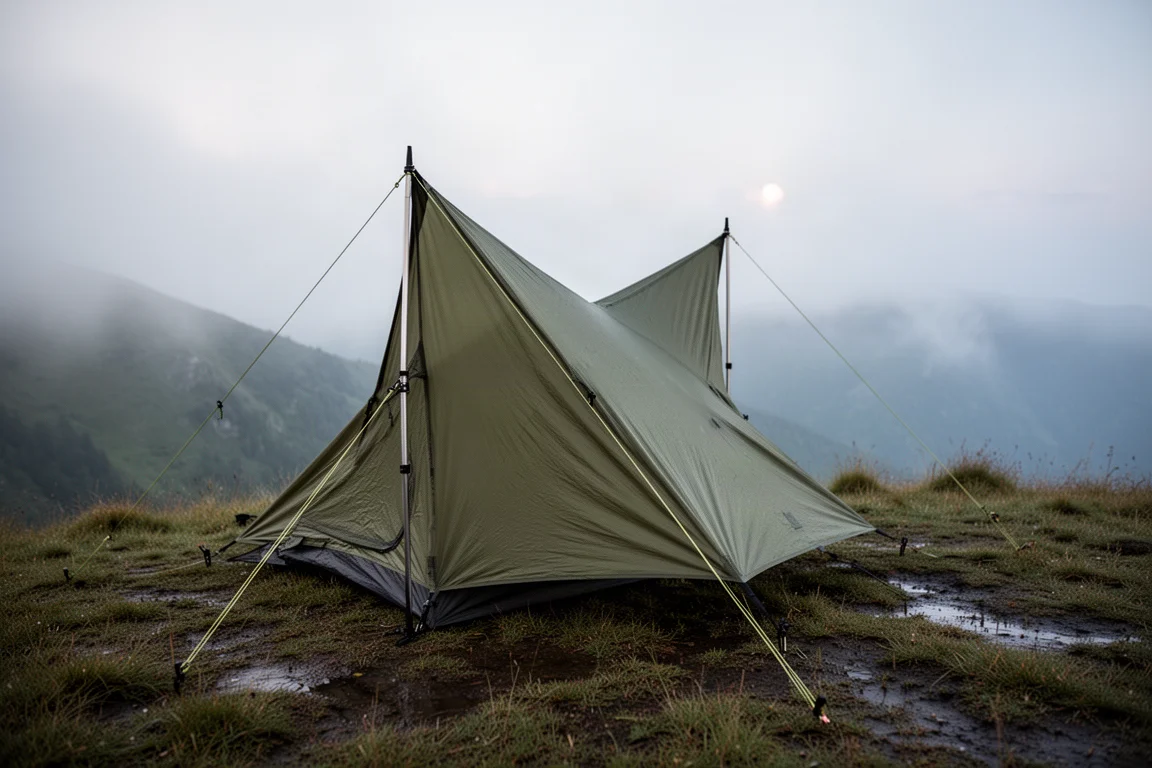
3FUL Lanshan Twoerson Pro Review: A Light Trekking Pole Shelter That Struggled in Rain
A two-person trekking pole shelter with a 2026 redesign, pitched with sticks and put through a night of steady rain. Here is what worked, what did not, and what to check before buying.